
Views: 222 Author: Tina Publish Time: 2026-01-31 Origin: Site


Content Menu
● Why Cleaning a Resin Pool Ladder Matters
● Tools and Materials for Cleaning a Resin Pool Ladder
● Safety Precautions Before Cleaning a Resin Pool Ladder
● Step‑by‑Step: How to Clean a Resin Pool Ladder
>> 1. Remove the Resin Pool Ladder From the Pool
>> 2. Rinse Off Loose Debris From the Pool Ladder
>> 3. Wash the Resin Pool Ladder With Mild Soap
>> 4. Remove Algae and Mildew From the Pool Ladder
>> 5. Treat Stains and Mineral Deposits on the Pool Ladder
>> 6. Clean Inside, Behind, and Under the Resin Pool Ladder
>> 7. Rinse and Dry the Resin Pool Ladder
>> 8. Reinstall the Clean Resin Pool Ladder
● Ongoing Maintenance Tips for Resin Pool Ladders
● Extra Tips to Keep a Resin Pool Ladder Looking New
● FAQ About Cleaning a Resin Pool Ladder
>> 1. How often should I clean my resin pool ladder?
>> 2. Can I use bleach to clean a resin pool ladder?
>> 3. What is the safest cleaner for a resin pool ladder?
>> 4. How do I clean behind and under a resin pool ladder without removing it?
>> 5. How can I prevent algae from coming back on my resin pool ladder?
Keeping your resin pool ladder clean is essential for safety, comfort, and the professional look of your swimming pool area. A dirty resin pool ladder quickly becomes slippery, stained, and covered with algae or mildew, which can lead to accidents and early damage.

A resin pool ladder is usually made from durable plastic resin that resists rust and fading, but it still needs regular maintenance.
- A clean pool ladder reduces slip risk by removing sunscreen, body oils, and biofilm from the steps and handrails.
- Regular cleaning of the pool ladder helps prevent algae and mildew from growing in hidden corners and under the ladder.
- Removing mineral deposits, stains, and dirt from the resin pool ladder keeps the whole pool area bright and inviting.
- Good pool ladder maintenance also extends the life of your pool ladder and protects your pool water quality.
A dirty pool ladder can also make the water look cloudy and unattractive, especially when algae grow on or inside the ladder. In commercial or busy residential pools, a clean resin pool ladder also supports a professional brand image and shows that the pool is managed with care.
Before you start, gather all tools and cleaners so you can clean the pool ladder efficiently and safely.
- Soft‑bristled nylon brush or non‑abrasive scrub pad (safe for plastic resin)
- Long‑handled pool brush for the back and underside of the pool ladder
- Mild dish detergent and warm water in a bucket
- White vinegar (for mineral deposits and light algae)
- Baking soda (for gentle scrubbing and deodorizing)
- Optional: diluted bleach or liquid chlorine for stubborn algae, used carefully and sparingly on resin surfaces
- Garden hose with spray nozzle for rinsing the pool ladder
- Microfiber cloths or towels for drying
- Rubber gloves and safety goggles when handling chemicals
- Optional magic eraser‑type sponge for tough cosmetic marks on the pool ladder
You can also prepare a small bottle brush or pipe brush to reach inside hollow rails and smaller openings in the resin pool ladder. Having all these items ready makes it easy to follow a full cleaning routine without stopping midway.
Cleaning a resin pool ladder involves water, chemicals, and sometimes working near the pool edge, so safety is critical.
- Turn off the pool pump and any automatic cleaners before removing the pool ladder from the water.
- Wear gloves and goggles if you use bleach, chlorine, or other strong chemicals to clean the pool ladder.
- Never mix chlorine products with vinegar, acids, or ammonia‑based cleaners because this can release dangerous fumes.
- Work in a well‑ventilated area, preferably outdoors on a flat, non‑slippery surface.
- Make sure the pool ladder is stable when you scrub it, and avoid standing on the top step while it is outside the pool.
Also keep children and pets away from the work area while you are cleaning the pool ladder. When you finish, store all cleaning chemicals safely and rinse tools that may contact the pool ladder next time.
Removing the resin pool ladder allows you to reach hidden surfaces and thoroughly clean algae and dirt.
- Loosen any bolts, straps, or anchor plates that secure the pool ladder to the deck or pool wall.
- Carefully lift the resin pool ladder straight up to avoid scratching the pool liner or steps.
- Place the pool ladder on a clean, flat surface near a water source, such as a patio or driveway.
If the resin pool ladder is heavy or wet, have a second person help you. For above‑ground pools, take care not to drag the ladder along the liner when lifting it out.
Start by rinsing the pool ladder so dirt and loose algae come off before you apply cleaners.
- Use a garden hose with a spray nozzle to rinse the entire resin pool ladder, including underside and handrails.
- Focus on joints, slats, and hollow areas where sand, leaves, and slime usually accumulate on the pool ladder.
- If possible, direct water into any hollow steps or side rails to flush out debris from inside the pool ladder.
A strong but controlled spray pattern works best. Avoid extremely high pressure directly on thin plastic edges so you do not damage the resin pool ladder.
Using mild soap protects the resin surface and removes body oils, sunscreen, and light dirt from the pool ladder.
- Mix a solution of warm water and mild dish detergent in a bucket.
- Dip a soft‑bristled brush or non‑abrasive pad into the soapy water and scrub each step of the pool ladder.
- Pay attention to treads, textured areas, corners, and under the steps where dirt collects on the pool ladder.
- For the vertical supports and handrails, scrub along their entire length until the resin pool ladder looks clean.
Work from the top of the pool ladder downward so dirty water flows away from areas you have already cleaned. Re‑wet surfaces and add more soap solution as needed to keep the pool ladder lubricated while scrubbing.
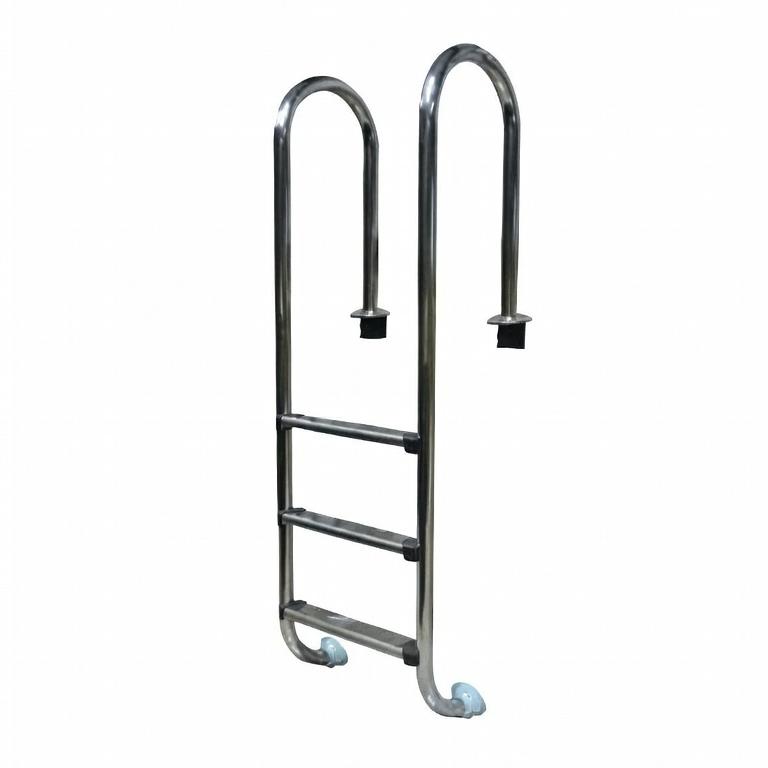
Algae and mildew often cling to resin pool ladder surfaces that stay in the shade or have poor circulation.
- For light algae, make a 1:1 mixture of white vinegar and water in a bucket or spray bottle and apply it to the affected areas of the pool ladder.
- Let the solution sit for 10–15 minutes to loosen algae and film on the resin.
- Scrub the pool ladder thoroughly with a soft brush, especially around the bottom where steps sit on the pool floor.
- For heavier algae growth, you may use a diluted bleach solution (for example, 1 part bleach to 10 parts water) on the resin pool ladder, then rinse very thoroughly afterward.
Try to keep algae from getting inside hollow parts of the pool ladder by brushing and rinsing these sections regularly. If algae has already invaded inside the steps or rails of the pool ladder, you may need to open access caps or partially disassemble some parts to flush them.
Resin pool ladders can develop brown, yellow, or chalky white stains from minerals, metals, and organic debris.
- For mineral or calcium deposits, soak a cloth in white vinegar, wrap it around the stained area of the pool ladder, and leave it for several minutes.
- Remove the cloth and scrub the spot gently with a brush, then rinse.
- For stubborn spots, make a paste of baking soda and water, spread it on the stain, wait 10–15 minutes, then scrub the pool ladder.
- Avoid using highly abrasive pads or aggressive chemicals that can scratch or weaken the resin pool ladder over time.
If you see rust‑colored stains from metal fixtures near the pool ladder, you can also test a vitamin C tablet (ascorbic acid) on a small area. Rub the tablet on the stain, let it sit briefly, and rinse. Always test a hidden patch of the pool ladder first.
One big challenge is cleaning behind and beneath a resin pool ladder, especially in above‑ground pools or with enclosed steps.
- When the ladder is out of the pool, flip it gently on its side or back to access the underside.
- Use a narrow pool brush, bottle brush, or pipe brush to scrub every pocket, gap, and support on the pool ladder.
- If the ladder design allows water flow, use the hose to flush out any debris or algae from hidden cavities in the pool ladder.
- In the future, brush behind the pool ladder regularly while it is installed to prevent buildup.
If your resin pool ladder has removable treads or covers, take them off occasionally to clean inside. This helps prevent algae from growing in the interior and then leaking back into the pool from the ladder.
Proper rinsing and drying are important to protect the resin pool ladder and prevent chemical residue entering the pool.
- Rinse the entire pool ladder thoroughly with clean water, making sure no soap, vinegar, or bleach remains.
- Use a hose to flush inside any hollow sections of the pool ladder as well.
- Dry the resin pool ladder with microfiber towels or let it air‑dry in the shade to avoid water spots.
- While drying, inspect the pool ladder for cracks, UV damage, or loose hardware that might affect safety.
Take your time with this step. Any leftover detergent or chemical residue on the pool ladder can foam, attract dirt, or influence your pool water balance.
Once your resin pool ladder is clean and dry, you can safely reinstall it.
- Place the pool ladder back into the pool slowly to avoid scratching liners or steps.
- Reattach anchor plates, bolts, or straps and tighten them according to the manufacturer's instructions.
- Check that the pool ladder does not rock or wobble when you put weight on it.
- Confirm that the bottom pads or feet rest evenly on the pool floor so the pool ladder feels stable and secure.
After the ladder is reinstalled, test each step and handrail with body weight before opening the pool to swimmers. Any movement or noise from the pool ladder should be corrected immediately.
A regular maintenance routine keeps your resin pool ladder looking clean and prevents heavy buildup.
- Rinse the pool ladder with fresh water weekly to remove sunscreen, oils, and dirt.
- Brush the visible parts of the pool ladder and the area around it at least once a week during swim season.
- Perform a deeper clean (with soap, vinegar, and baking soda) every month or whenever you see algae starting on the pool ladder.
- Maintain proper pool chemistry so algae and scale are less likely to attach to the pool ladder surfaces.
You can also remove the resin pool ladder completely at pool closing, clean it thoroughly, and store it indoors during the off‑season. This protects the pool ladder from UV, freezing conditions, and unnecessary wear.
Beyond basic cleaning, a few small habits can keep your resin pool ladder looking new for longer.
- Encourage swimmers to shower before using the pool so less lotion and oil end up on the pool ladder.
- Ask users not to leave heavy objects hanging on the pool ladder rails that could stress or warp the resin.
- Check rubber feet or pads on the bottom of the pool ladder regularly and replace them if they crack or wear out.
- Avoid using sharp tools or metal scrapers on the resin pool ladder to remove spots; use chemical methods and soft brushes instead.
When you see small stains or algae spots starting on the pool ladder, treat them immediately instead of waiting for a full‑scale cleaning. Quick action is easier and safer.
A clean resin pool ladder is more than just a cosmetic detail; it is a key part of pool safety, user comfort, and long‑term equipment protection. By using mild soap, vinegar, baking soda, and careful rinsing, you can remove algae, stains, and scale from your resin pool ladder without harming the material. With a simple weekly brushing routine and a deeper monthly clean, your resin pool ladder will stay bright, stable, and professional‑looking for every swimmer who uses your pool.
Contact us to get more information!
For most pools, you should give your resin pool ladder a light cleaning every week and a deeper cleaning every month during the swimming season. If your pool gets heavy use or is in a warm, sunny climate, you may need to scrub the pool ladder more often to control algae and dirt.
You can use a diluted bleach solution carefully on a resin pool ladder for severe algae or mildew, but it should not be your everyday cleaner. Always rinse the pool ladder very thoroughly afterward and never mix bleach with vinegar or any other acidic product.
Mild dish soap, warm water, and white vinegar are among the safest and most effective cleaners for a resin pool ladder. These cleaners remove grime, algae, and mineral deposits while being gentle on plastic resin surfaces when used correctly.
You can sometimes use a long‑handled pool brush or vacuum hose to reach behind the pool ladder and stir up debris into the chlorinated water. However, the most thorough way is still to remove the resin pool ladder periodically and scrub all hidden surfaces on a flat surface.
To prevent algae, keep your pool chemistry balanced, especially chlorine and pH levels, and brush the pool ladder and nearby walls weekly. Deep clean the resin pool ladder monthly, ensure good water circulation around it, and consider using an algaecide according to label directions.
1. https://www.poolkingfilter.com/how-to-clean-plastic-pool-ladder.html
2. https://www.poolkingfilter.com/how-to-clean-inside-pool-ladder.html
3. https://www.mavaquadoc.com/blogs/pool-maintenance-blog/what-is-the-best-way-to-clean-pool-ladders
4. https://newcastleswimmingpools.com/swimming-pool-ladder-maintenance-tips/
5. https://lesliespool.com/blog/top-10-algae-prevention-tips.html


