


Content Menu
● Typical price range for a pool pump in 2026
>> Specialty and solar pool pump options
● How size and pool volume change pool pump price
>> Typical cost ranges by pool size
● Installation cost for a pool pump
>> What affects pool pump installation cost
● Running cost and energy efficiency of a pool pump
>> Why a higher‑priced pool pump can save money
● Brand, materials, and feature impact on pool pump price
● Repairing vs replacing a pool pump
>> When replacement makes more sense
● OEM and bulk pricing for pool pump buyers
● How to choose the right pool pump for your budget
>> Simple steps to select a pool pump
● Quick reference: pool pump cost table
● FAQ
>> 1. How much does a basic pool pump cost?
>> 2. Why are variable‑speed pool pumps more expensive?
>> 3. How long does a pool pump usually last?
>> 4. Is it cheaper to repair or replace a pool pump?
>> 5. How do I estimate the total cost of a new pool pump?
A pool pump is the heart of the circulation system, and understanding how much a pool pump costs helps homeowners, contractors, and OEM buyers plan the right budget for any project. In 2026, a typical residential pool pump costs about 200 to 1,200 USD for the pump only and roughly 300 to 1,600 USD installed, depending on type, size, and brand.
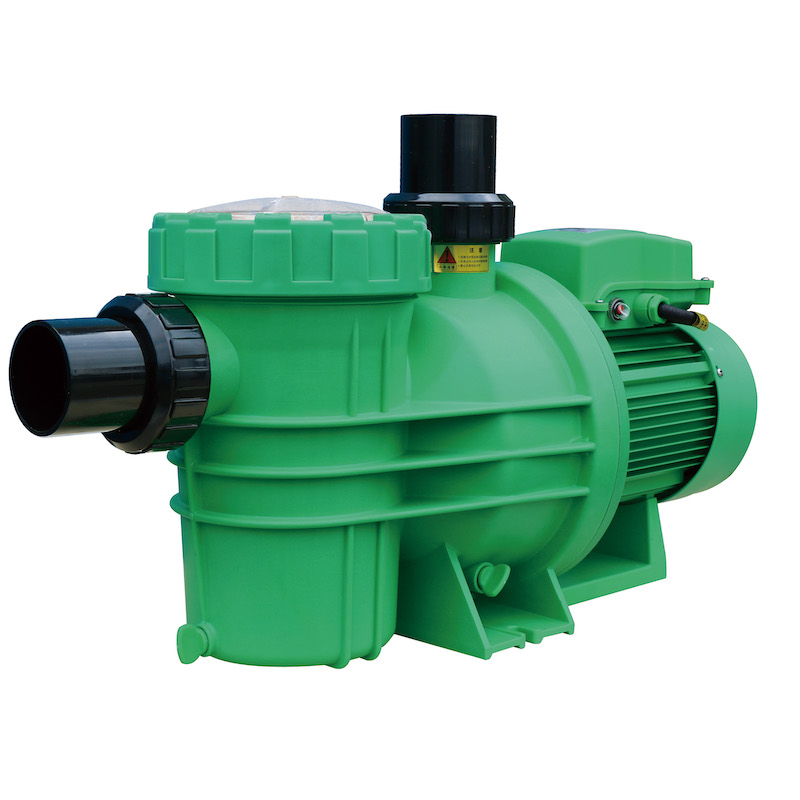
Most standard residential pool pump units fall in the 200 to 1,200 USD range, with budget single‑speed models at the low end and premium variable‑speed pool pump systems at the high end. When you include professional labor, the average total cost to replace a pool pump, including removal and installation, is about 300 to 1,600 USD for most homes.
You can also create a short explainer video here that shows a technician replacing an old pool pump with a modern variable‑speed pool pump and overlay typical price ranges on the screen.
Different pool pump types have very different price levels, and choosing the right pool pump type can change both your upfront and long‑term costs. Below is an overview of common pool pump categories and what you can expect to pay for each in 2026.
A single‑speed pool pump runs at one fixed speed all the time and usually offers the lowest purchase price of any pool pump type. In 2026, a typical single‑speed pool pump costs around 200 to 600 USD for the unit and roughly 300 to 900 USD installed, making it attractive for very tight budgets.
Single‑speed pool pump designs are simple, with basic on/off controls, and they have been the industry standard for many years. However, because a single‑speed pool pump always runs at full power, it often consumes more electricity than necessary for everyday filtration. In many regions with higher power prices, the long‑term electricity cost of a single‑speed pool pump can easily exceed its low purchase price. For some small or seasonal pools, a single‑speed pool pump can still be a reasonable solution, but for year‑round pools, many owners are now moving toward more efficient designs.
You could insert a comparison image showing a compact single‑speed pool pump next to a larger variable‑speed pool pump to visually explain the difference in controls and housings.
A dual‑speed pool pump has a high and a low setting so you can reduce energy use when full power is not needed. These pool pump models usually cost more than basic single‑speed pumps, with installed prices roughly 400 to 1,000 USD, but they can save electricity when used mostly on the low‑speed setting.
In many installations, the low speed on a dual‑speed pool pump is enough for daily filtration and gentle circulation, while the high speed is reserved for tasks like vacuuming or running certain water features. This allows owners to lower their monthly power bills without jumping all the way to the cost of a premium variable‑speed pool pump. A dual‑speed pool pump can be a good compromise for customers who want simple controls but better efficiency than a traditional single‑speed model.
A short animation or video could demonstrate how a dual‑speed pool pump cycles between high and low speeds over 24 hours for filtration and skimming.
A variable‑speed pool pump uses a high‑efficiency permanent magnet motor and electronic controls so you can precisely set the flow rate. In 2026, variable‑speed pool pump prices are often 800 to 2,000 USD installed for typical residential sizes, and some high‑end brand models can exceed 2,000 USD for the unit alone.
With a variable‑speed pool pump, you can program different speeds for different times of day, such as a low‑speed schedule for normal filtration and higher speeds for backwashing, heating, or heavy debris conditions. Because the power consumption of a pool pump drops dramatically at lower speeds, running a variable‑speed pool pump for longer hours at low RPM often costs less than running a single‑speed pump for fewer hours at full speed. Many utilities and energy‑efficiency programs now recommend variable‑speed pool pump models, and in some regions, rebates may be available to offset the initial cost.
You can embed a detailed video review of a popular variable‑speed pool pump here, highlighting the control panel, noise level, and energy savings at different RPM settings.
Some projects require low‑head water‑feature pumps or high‑head submersible pumps, often used for fountains, features, or special circulation loops. These specialty pool pump designs can range roughly from 300 to more than 2,000 USD installed, depending on head pressure, power, and brand.
Solar‑driven pool pump systems, where the pump is powered by dedicated solar panels, typically fall between about 1,100 and 2,700 USD for the pump, controller, and related components, not counting the full solar array cost. These systems can make sense in locations with strong sun and high electricity rates, especially for off‑grid projects or properties where owners want to reduce dependence on the main power grid.
An informative diagram or video can show how a solar pool pump connects to panels, the controller, and the pool plumbing to explain this system visually.
The size of your pool pump is closely related to pool volume, plumbing design, and desired turnover rate, and larger pools almost always require higher horsepower and higher‑priced pumps. For example, a 5,000‑gallon pool may only need a 0.25 HP pool pump, while a 30,000‑gallon pool may need a 1 to 1.5 HP pool pump or more, and each step up in horsepower moves the unit price higher.
When planning how much to budget for a pool pump, you should consider both the physical size of the pool and the complexity of the circulation system. Long plumbing runs, many fittings, elevated features, and additional equipment like heaters or water features all add resistance, which may require a stronger pool pump. Oversizing a pool pump can lead to unnecessary energy consumption and noisy operation, while undersizing can cause poor circulation and inadequate filtration.
Smaller 5,000‑gallon pools often use 0.25 HP pool pump units costing roughly 200 to 600 USD, with installed costs around 300 to 1,000 USD. For mid‑sized 15,000 to 20,000‑gallon pools, a 0.5 to 1 HP pool pump usually falls around 250 to 800 USD for the unit and 350 to 1,200 USD installed, while 30,000 to 40,000‑gallon pools may need 1 to 2 HP pool pump systems that can cost 300 to 1,600 USD for the pump and 400 to 2,000 USD installed.
Commercial and semi‑commercial pools, such as hotel or community pools, often require even larger and more robust pool pump systems. These installations may use multi‑pump configurations, split systems, or specialty commercial‑grade pool pump products that are designed for continuous duty and higher flow rates. As a result, the budget for such a pool pump setup can be significantly higher, especially when compliance with local commercial codes and redundancy requirements is important.
A clear infographic here can show a row of pool icons labeled 5,000, 15,000, 25,000, and 40,000 gallons, with suggested pool pump horsepower and a price range under each icon.
The price of the pool pump itself is only part of the total, because you also need to consider labor for removing the old pump and installing a new pool pump. In many U.S. regions in 2026, professional installation labor for a pool pump typically adds about 100 to 400 USD, depending on access, electrical work, and regional labor rates.
In some cases, installation can be quite straightforward, especially when the new pool pump has similar dimensions and plumbing connections to the old model. However, if a project involves moving the equipment pad, changing the plumbing layout, adding check valves, or upgrading to a larger or smaller pool pump, the work becomes more complex. Electrical upgrades, such as adding a dedicated breaker, installing a timer, or connecting the pool pump to automation systems, will also add cost and time.
Several factors can push installation costs higher, such as difficult access to the equipment pad, the need to upgrade wiring or breakers, or a complex plumbing layout that requires re‑piping when a new pool pump is installed. In some cases, full pump replacement projects including plumbing changes, electrical upgrades, and automation integration can push total pool pump replacement costs into the 700 to 4,000 USD range.
Local code requirements may also influence how a pool pump installation is handled, including bonding, grounding, and distance from the water. In regions with strict safety or energy regulations, contractors may need to follow specific guidelines for pool pump replacement, which can add time and documentation. For homeowners and property managers, it is often wise to get at least two or three quotes to understand fair market pricing in their area.
You can embed a time‑lapse installation video showing a professional removing an old pool pump, cutting and re‑gluing PVC, wiring the new unit, and testing for leaks.
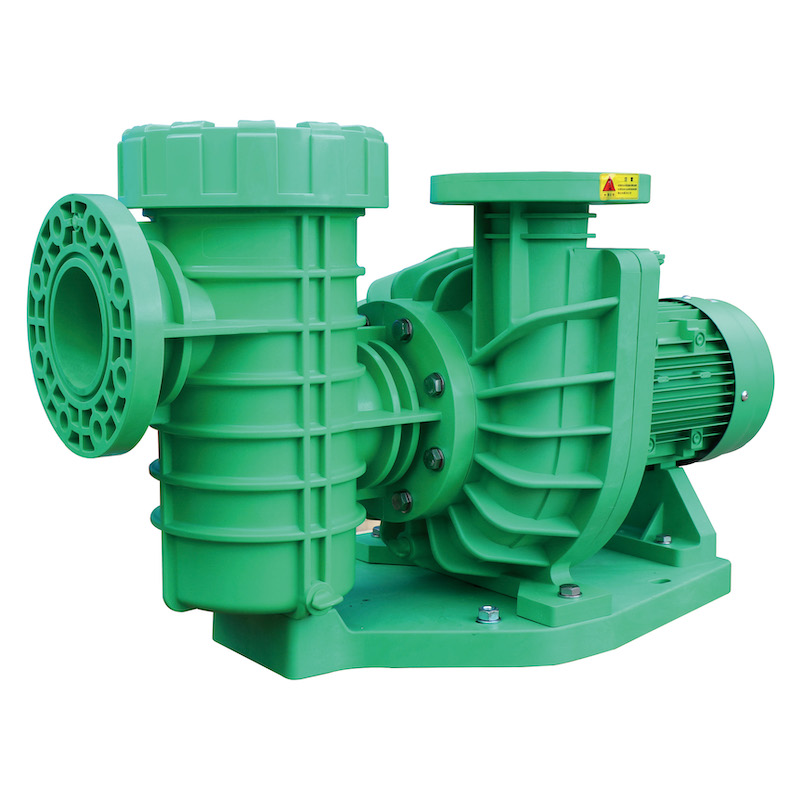
When you ask “how much for pool pump,” you should think beyond the purchase price and consider daily electricity usage. A single‑speed pool pump running many hours a day at full speed can be one of the biggest power draws in a home, while modern variable‑speed pool pump models can cut energy use by running longer hours at much lower RPM.
Electricity rates vary widely between regions, but in many areas, the cost to run a large single‑speed pool pump on peak‑time power can be significant during the hottest months. Reducing runtime, improving filtration efficiency, and switching to a more efficient pool pump are all effective ways to lower the total cost of pool ownership. A well‑planned pool pump schedule combined with an efficient pump can save hundreds of dollars per year in some markets.
Real‑world data shows that a variable‑speed pool pump running at about half speed can use a few hundred watts per hour, compared with roughly 2,000 watts or more at full speed for a similar traditional pump. In one example, running a variable‑speed pool pump most of the day at low speed and a few hours at higher speed can cost under 1 USD per day in electricity, while running a single‑speed pump at full power for 12 hours a day could cost several times more at the same energy rate.
Because power usage is proportional to the cube of the speed in many pumping applications, even a modest reduction in RPM can greatly cut energy use for a pool pump. That is why many pool professionals recommend running a variable‑speed pool pump at the lowest speed that still provides reliable filtration and skimming. Over a long season, these savings add up and directly affect how you think about “how much for pool pump” in total cost terms.
A side‑by‑side video could show energy monitors for a single‑speed and a variable‑speed pool pump, with live kWh usage and cost per day displayed as the speed changes.
Although a variable‑speed pool pump often costs more upfront, the lower energy consumption can allow many homeowners to recover the extra purchase price within about two years, especially in regions with higher electricity costs. Over the life of the pool pump, the energy savings can easily exceed the price difference between a basic single‑speed pool pump and an efficient variable‑speed pool pump, making it a smart long‑term investment.
In addition to lower energy bills, a variable‑speed pool pump often runs more quietly and puts less stress on the plumbing system because of smoother flow. This can reduce wear on filters, heaters, and other components, potentially lowering maintenance costs. As a result, the overall ownership experience is usually better with a well‑programmed variable‑speed pool pump, even though the purchase price is higher.
The brand you choose can significantly affect how much you pay for a pool pump, because some manufacturers position their products as budget options while others focus on premium performance. Well‑known brands tend to offer extensive product lines, better after‑sales service, and longer warranties, and this can increase the price of each pool pump compared with unbranded imports.
The materials used in the wet end and motor components also influence durability and cost. Corrosion‑resistant plastics, stainless steel hardware, and UV‑stable housings are important for outdoor pool pump installations that will see sun, rain, and chlorinated water. Higher‑grade materials may cost more initially but can extend service life and reduce the risk of failures in harsh environments.
Higher‑end pool pump models may include digital control panels, built‑in timers, automation compatibility, ultra‑quiet housings, corrosion‑resistant materials, and integrated diagnostics for easier maintenance. These added features can push a variable‑speed pool pump into the 1,200 to 2,500 USD range, especially for larger horsepower or specialty models.
Other advanced features found on some premium pool pump lines include freeze protection, smart‑home connectivity, and integration with mobile apps, making it easy to adjust pump speed remotely. For commercial or high‑end residential pools, these capabilities help operators fine‑tune energy use, monitor performance, and respond quickly to any alerts or abnormal conditions.
Here, you can embed close‑up images of control panels and internal components of a premium variable‑speed pool pump, plus a short tutorial video walking through the menu settings.
Sometimes the key question is not just “how much for pool pump” but whether it is better to repair an existing pool pump or to replace it altogether. Replacing just the pool pump motor usually costs between about 65 and 650 USD, while other pool pump repairs like seals, bearings, or capacitors might range from 50 to 300 USD, depending on parts and labor.
For relatively new pool pump units that have suffered a minor fault, repair can be a cost‑effective option. However, older pumps may suffer from multiple issues such as worn bearings, corroded housings, and outdated motors. In those cases, repeated repairs can quickly add up and still leave you with a noisy, inefficient pool pump that uses more energy than a modern replacement.
If a pool pump is very old, noisy, or inefficient, replacing it with a new variable‑speed pool pump may make more sense than repeated repairs that only keep an inefficient motor running. When repair costs approach half the price of a new energy‑efficient pool pump, many professionals recommend full replacement to capture better performance and lower future utility bills.
Another reason to consider replacement is compliance with newer energy regulations, because many regions now restrict or discourage the installation of traditional single‑speed pool pump models. By upgrading to a compliant, efficient variable‑speed pool pump, owners can avoid future regulatory issues and position their pool for years of reliable, economical operation.
A before‑and‑after video can illustrate noise differences between a worn single‑speed pool pump and a new variable‑speed model, helping visitors understand why replacement can be attractive.
For brand owners, wholesalers, and manufacturers, the economics of “how much for pool pump” look different because volume purchases allow more aggressive pricing and custom configurations. By partnering directly with a specialized factory that produces pool pump and filtration equipment, OEM customers can specify motor types, housing materials, voltage, labels, and packaging to match their market needs while controlling pool pump cost per unit.
When planning OEM projects, buyers typically balance several key points: unit price, expected energy performance, service life, local regulatory requirements, and after‑sales support capability. By coordinating pool pump design with matching sand filters, cartridge filters, DE filters, and LED lighting, you can create full system packages that increase value for distributors and installers without significantly raising the total pool pump cost per project.
OEM customers can also request customized branding, color schemes, and packaging so that each pool pump line fits neatly into their product portfolio. This is especially attractive for companies that want to launch or expand their own pool pump brand without investing in their own manufacturing facilities. When working with a professional factory using intelligent production lines, you can scale from small test orders to large shipments while maintaining stable quality and delivery times.
You can embed a factory tour video here showing automated machining, motor assembly, and performance testing for pool pump production lines to build trust for OEM clients.
Choosing the right pool pump requires matching pump type and size to your circulation needs, local power prices, and project budget. Even if variable‑speed pool pump models cost more at the start, they may be the most economical choice when you consider lifetime energy and maintenance costs.
It is also important to think about noise level, available space on the equipment pad, and compatibility with existing filters and accessories. A pool pump that is too powerful can cause hydraulic noise and unnecessary stress on the filter, while a pump that is too weak can lead to cloudy water and algae problems. Balancing performance, efficiency, and price is the key to making a smart choice.
First, calculate your pool volume and target turnover rate so you know the required flow rate and the approximate horsepower your pool pump should deliver. Next, compare single‑speed, dual‑speed, and variable‑speed pool pump options at that size, including not just purchase price but estimated annual electricity cost based on how many hours the pump will run in your climate.
Then, look at warranty terms and the availability of local service support, because a slightly more expensive pool pump with strong backing can be more valuable than a cheaper unit with limited support. Finally, for large orders or long‑term projects, consider working directly with a manufacturer that can offer OEM pool pump solutions, allowing you to control features, branding, and pricing.
A helpful table graphic or interactive video could show how the total five‑year cost of different pool pump options compares when you change local electricity prices and runtime hours.
Below is a simple reference table summarizing typical 2026 cost ranges for different pool pump types, including the pump only and typical installed price.
| Pool pump type | Typical unit cost (USD) | Typical installed cost (USD) |
|---|---|---|
| Single‑speed pool pump | 200 – 600 | 300 – 900 |
| Dual‑speed pool pump | 250 – 700 | 400 – 1,000 |
| Variable‑speed pool pump | 400 – 1,600+ | 800 – 2,000+ |
| Low‑head feature pool pump | 200 – 600 | 300 – 1,000 |
| Medium‑head pool pump | 500 – 800 | 600 – 1,200 |
| High‑head submersible pool pump | 700 – 1,600 | 800 – 2,000 |
| Solar‑driven pool pump system* | 700 – 1,800+ | 1,100 – 2,700+ |
You can turn this table into a dynamic on‑page chart that lets users filter by pool size and see suggested pool pump types and budget brackets instantly.
In 2026, “how much for pool pump” usually means budgeting about 200 to 1,200 USD for the pump itself and 300 to 1,600 USD for a typical residential replacement, with higher figures for complex or high‑end systems. Single‑speed pool pump models offer the lowest starting price, but variable‑speed pool pump designs often deliver the best long‑term value because they dramatically reduce electricity use and can pay back their higher purchase price within a few seasons of operation.
By looking at pool size, required flow rate, energy costs, and any OEM branding needs, you can choose a pool pump that fits both your budget and your performance goals. For brands, wholesalers, and manufacturers, working directly with a professional factory that produces pool pump, sand filters, DE filters, cartridge filters, LED lighting, and accessories makes it easier to design complete filtration solutions that are efficient, durable, and cost‑competitive in global markets.
Contact us to get more information!
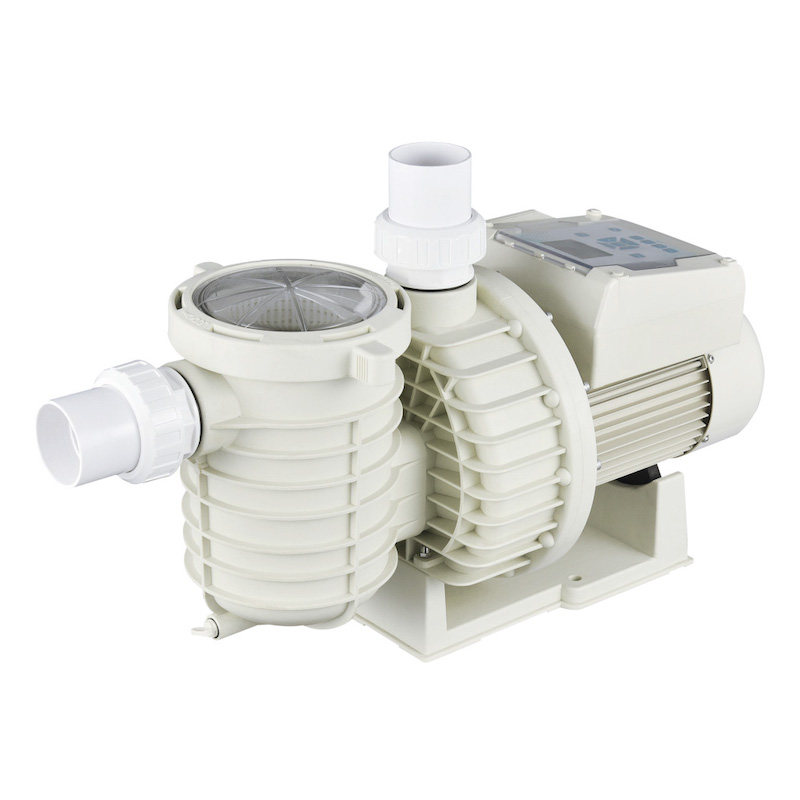
A basic residential pool pump usually costs between 200 and 600 USD for a standard single‑speed unit, depending on brand, horsepower, and materials. When you include professional installation, the total cost for a basic single‑speed pool pump replacement typically falls between 300 and 900 USD.
Variable‑speed pool pump models use advanced motors and electronic controls, which increase manufacturing cost but allow precise speed adjustment and much lower energy use. Because they can reduce electricity consumption so significantly, many variable‑speed pool pump installations recover their higher purchase price within about two years, especially in regions with moderate to high power rates.
A well‑sized and properly installed pool pump often lasts 7 to 12 years, depending on usage hours, water chemistry, and maintenance practices. Regular cleaning of baskets and filters, maintaining proper water balance, and fixing leaks early can extend the life of a pool pump motor and seals.
Fixing small issues like seals, capacitors, or bearings can be cheaper in the short term, with many pool pump repairs costing around 50 to 300 USD. However, if the motor is failing or the pool pump is very old and inefficient, replacement with a modern energy‑saving pool pump is often more economical over the long run.
To estimate total cost, first choose the right size and type of pool pump for your pool volume, then add local pricing for the pump plus typical labor charges. It is also wise to estimate annual electricity use for each pool pump option, because running cost can quickly outweigh small differences in purchase price.
1. https://homeguide.com/costs/pool-pump-cost
2. https://www.homewyse.com/services/cost_to_replace_pool_pump.html
3. https://www.angi.com/articles/pool-pump-cost.htm
4. https://www.waterlinecontrols.com/how-much-does-it-cost-to-replace-a-pool-pump/
5. https://www.eztestpools.com/variable-speed-pumps/
6. https://fibropool.com/collections/single-speed-pool-pumps
7. https://www.homeadvisor.com/cost/swimming-pools-hot-tubs-and-saunas/install-replace-pool-pump/
8. https://guide.pge.com/products/pool_pumps
9. https://www.reddit.com/r/pools/comments/1cmuwx7/are_variable_speed_pumps_worth_the_extra_cost_if/


