
Views: 222 Author: Tina Publish Time: 2026-01-30 Origin: Site


Content Menu
● Safety basics before adding DE
● How much diatomaceous earth to add
>> Read the label on your DE pool filter
>> Full clean vs. backwash recharge
● Step‑by‑step: how to add DE to a pool filter
>> 1. Prepare the system and backwash (if needed)
>> 2. Calculate the DE amount for this pool filter cycle
>> 3. Mix the DE with water (optional but recommended)
>> 4. Turn on the pump and add DE through the skimmer
>> 5. Confirm coating and check pressure
● Ongoing maintenance after adding DE
● Common mistakes when adding DE to a pool filter
● When you can add DE to a sand pool filter
● Branding and OEM opportunities around DE pool filters
● Advanced troubleshooting for DE pool filters
● Seasonal start‑up and winterizing considerations
● FAQ about adding DE to a pool filter
>> 1. How often should I add DE to my pool filter?
>> 2. What happens if I add too much DE to my pool filter?
>> 3. Can I run my DE pool filter without DE?
>> 4. How do I know if my pool filter has the right amount of DE?
>> 5. Is there a difference between pool‑grade DE and other DE?
Adding diatomaceous earth to a pool filter is a precise task: you must know your DE pool filter size, backwash or clean correctly, and then dose the right amount of DE through the skimmer while the pump is running. When done properly, the DE layer on your pool filter grids or fingers traps ultra‑fine particles, keeps water sparkling, and protects the pool filter from damage.
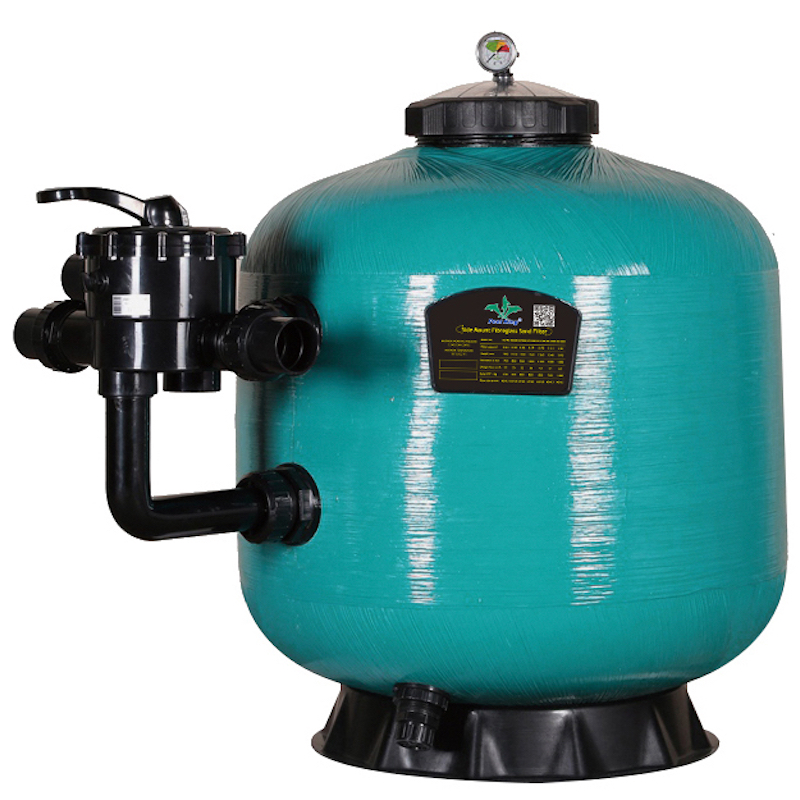
A DE pool filter uses a fabric grid assembly coated with diatomaceous earth powder to trap dirt down to very small particle sizes, often in the low micron range. The pool pump pushes water through the pool filter tank, where the DE coating on the grids acts like a very fine, porous cake that captures suspended contaminants before water returns to the pool.
Compared with a typical sand pool filter, a DE pool filter captures finer particles and can deliver clearer water but needs more frequent attention to backwashing and recharging with fresh DE. Inside the pool filter you will usually see a set of 8 or more grids or vertical “fingers” around a central manifold, all of which must be evenly coated with DE for optimal performance. Because the DE layer is doing the main filtration work, adding the correct amount of diatomaceous earth to your pool filter after each deep clean or backwash is essential to water clarity and energy efficiency.
Before adding DE powder to any pool filter, safety should be your first priority. Pool‑grade diatomaceous earth is specially processed and can be irritating if inhaled, so always protect yourself and handle the pool filter system carefully.
Key safety points for working around a DE pool filter include:
- Turn off power at the breaker before changing pool filter valve positions.
- Release pressure from the pool filter tank via the air‑relief valve before opening or servicing.
- Wear a dust mask or respirator and eye protection when handling dry DE powder.
- Use only pool‑grade DE, not agricultural or household DE products.
- Dispose of DE backwash waste according to local rules to avoid environmental problems.
A short safety video showing how to shut off the pump, open the air‑relief valve, and confirm the pressure gauge reads zero before touching the pool filter clamp or lid can help new owners avoid serious accidents. Another good clip is a close‑up of a technician wearing PPE while mixing DE with water and adding it through the skimmer, highlighting correct handling of the pool filter media.
Every DE pool filter has a nameplate or label that lists the filter area in square feet; this number drives how much DE your pool filter needs after a complete clean. Look for markings like “36 sq ft,” “48 sq ft,” “60 sq ft,” or “72 sq ft” on the pool filter tank or in the manual.
A common rule of thumb is that after a full tear‑down and cleaning, you add about 1 pound of DE powder for every 10 square feet of DE pool filter area. That means a 60‑square‑foot DE pool filter would take around 6 pounds of DE after a complete clean, while a 48‑square‑foot pool filter would use about 4.8 pounds. These are general guidelines, so you should always compare with the manufacturer's dosing chart for your specific pool filter model.
You do not always add the full DE amount when you recharge the pool filter after a simple backwash. Backwashing a DE pool filter reverses water flow and flushes out dirty DE and debris, but usually around 20–30 percent of the DE remains on the grids.
For that reason, many technical guides recommend that after a normal backwash you add about 80 percent of the full DE dose for your pool filter, because some DE is still coating the grids. For example, if your 60‑square‑foot DE pool filter normally takes 6 pounds after a full clean, you might add around 4.8 pounds after a routine backwash, monitoring the pressure gauge and returns for any signs of under‑ or over‑charging.
A helpful table or graphic on your website can show typical DE quantities for common pool filter sizes, plus the reduced “backwash recharge” amounts, making it easier for distributors and service technicians to choose the correct dose.
Most of the time you add diatomaceous earth to a pool filter either after backwashing or after a complete internal cleaning. Before you touch the pool filter controls, turn the pump off at the breaker and confirm the pressure gauge has dropped to zero.
If your DE pool filter pressure is 8–10 psi above clean‑starting pressure, you should backwash first to restore flow. To backwash a multiport‑valve DE pool filter:
- Set the multiport valve to “Backwash” with the pump off.
- Attach and position the backwash hose to discharge water safely.
- Turn the pump on and run backwash until the sight glass or hose water runs clear, usually 1–3 minutes.
- Turn the pump off, switch the valve to “Rinse,” run briefly to settle the DE and water paths, then switch back to “Filter.”
A short backwash tutorial video—showing the multiport positions, cloudy waste water turning clear, and resetting the valve to “Filter”—helps customers understand what happens inside the pool filter before you add new DE.
Once the pool filter is backwashed or fully cleaned and the valve is back on “Filter,” use the pool filter label and DE dosing rules to calculate how much DE to add. Decide whether this is a full clean (100 percent of recommended DE for the pool filter area) or a simple backwash recharge (often about 80 percent).
Many pool owners use a dedicated DE scoop, where one level scoop equals about 0.5 pound of DE, making it easier to count scoops instead of handling a scale next to the pool filter. A simple visual chart in your manual or on your OEM pool filter packaging that converts pounds to scoops by pool filter size will support distributors and service partners.
Although you can pour dry DE into a skimmer, many experts suggest premixing DE with pool water in a bucket to form a slurry before adding it to the pool filter system. Premixing helps reduce airborne dust, coats the pool filter grids more evenly, and lowers the risk of clumps.
A common method is to fill a clean bucket with pool water and slowly stir in the measured DE until it forms a thin, milky suspension. You can record a short video demonstrating how to add DE to the bucket, stir to the right consistency, and carry it safely to the skimmer closest to the pool filter pump.
With the pool filter valve on “Filter” and the air‑relief valve open briefly to purge air, turn on the pool pump and confirm water is circulating normally. Choose the skimmer closest to the pool filter pump, remove any baskets or attachments that might trap DE, and ensure good flow into that skimmer.
Slowly pour the DE slurry into the skimmer while the pump is running, allowing it to be drawn into the pool filter without overwhelming the system. Many guides suggest adding the DE over 1–2 minutes, watching the skimmer create a small “cyclone” vortex as it pulls the mixture toward the pool filter. If you add dry DE, sprinkle it gently into the skimmer instead of dumping it, which helps prevent clumps and air pockets inside the pool filter.
A clear how‑to video that focuses on the skimmer, the DE slurry, and the pressure gauge as the DE reaches the pool filter gives customers a very intuitive understanding of how the process works.
As the DE reaches the pool filter tank, it coats the clean grids or fingers and forms a uniform filtering layer on the fabric surfaces. You should see the pool filter pressure gauge rise slightly from the “no DE” baseline and then stabilize at a normal clean‑start pressure specific to your pool filter.
After 1–3 minutes, walk around the pool and check that the return jets are strong and that there is no DE blowing back into the pool, which would indicate a problem with the pool filter's internal components or too much DE. If the pressure climbs too high very quickly or the returns feel weak right after adding DE, shut the pump off and investigate the pool filter for issues such as clogged grids, mis‑seated manifold, or over‑dosing.
A short “after” video showing the stable pressure reading, strong returns, and clear water helps complete the story of a correctly charged DE pool filter.
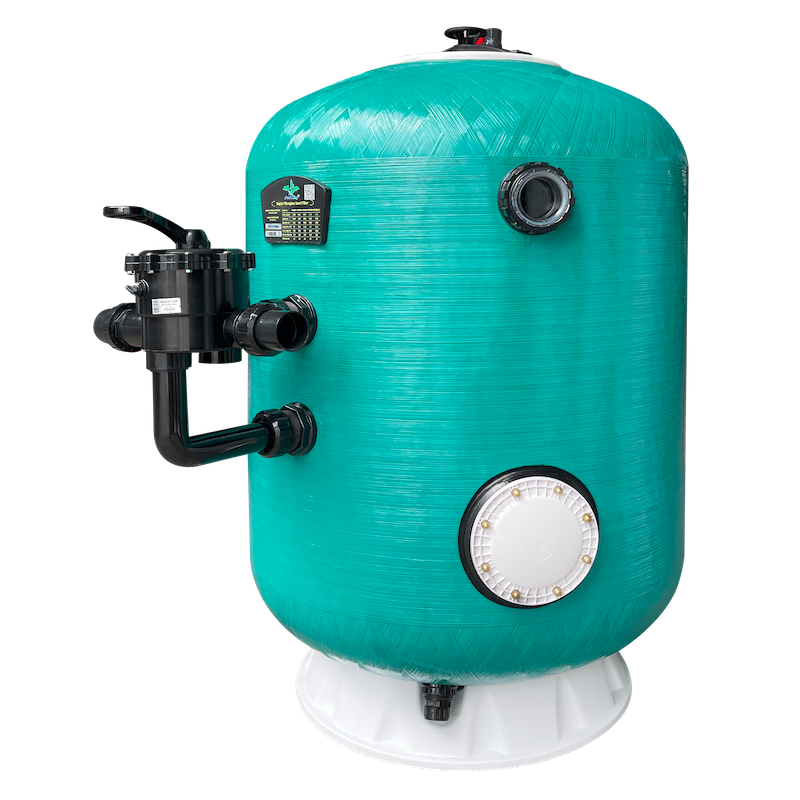
After the first correct DE charge, your goal is to keep the pool filter operating in a normal pressure range and avoid over‑ or under‑coating the grids. For most DE pool filter systems, you will backwash when the pressure is about 8–10 psi above the clean starting value, then add about 80 percent of the original DE dose and monitor performance.
In heavy‑use or algae conditions, the DE layer in the pool filter becomes saturated more quickly, so you may need more frequent backwashing or even a full tear‑down cleaning where you open the pool filter tank and rinse each grid. When you perform a deep internal clean and remove all old DE, you will return to the full recommended DE dosage for your pool filter size to build a fresh filter cake.
Teaching your customers to log their clean‑start pressure, backwash dates, and DE quantities for each pool filter helps them see trends and avoid guesswork. For OEM pool filter brands, including a printed maintenance log sheet with each DE pool filter can differentiate your product in professional distribution channels.
Typical errors when adding diatomaceous earth to a pool filter can reduce performance or even damage the system. Understanding these mistakes lets you create training materials and product labels that support your OEM partners and end users.
Frequent problems include:
- Adding DE without first backwashing or cleaning a heavily loaded pool filter, causing rapid pressure spikes.
- Guessing the DE dose instead of using the pool filter label and a consistent scoop or scale.
- Pouring DE too fast into the skimmer, leading to clumps and uneven coating inside the pool filter.
- Using non‑pool‑grade DE, which may not be safe or effective in a pool filter application.
- Failing to reset the multiport valve to “Filter,” so DE is lost to waste during startup.
Short troubleshooting videos for your DE pool filter products can show the difference between a properly dosed pool filter (stable pressure, clear returns) and a mis‑dosed one (cloudy water, DE returning to pool, constant high pressure), helping dealers answer questions quickly.
Some pool professionals also add a very small amount of DE to a sand pool filter to improve fine‑particle capture, even though the main media is sand. In this case, you do not coat internal grids but instead allow a light DE layer to settle on top of the sand bed inside the pool filter, tightening the filtration slightly.
The method is usually to start the pump, note the current pool filter pressure, then mix a small amount of DE with water and pour it into the skimmer while watching the pressure gauge. You add DE in small increments until the pool filter pressure rises by about 1 psi, which indicates that enough DE has settled on the sand surface to improve filtration without over‑restricting flow.
Because this technique is more advanced, your OEM documentation should clearly distinguish between DE pool filter models (which rely on a full DE coating over grids) and sand pool filter models that might optionally accept a light DE enhancement. Clear labeling on your pool filter tanks and manuals reduces confusion for end users who might otherwise assume every pool filter uses the same DE dosing rules.
If your factory produces DE pool filters, sand filters, and cartridge filters, the way you explain DE handling can become part of your OEM brand value. Many foreign distributors and private‑label brands appreciate clear English guides, on‑tank labeling, and QR codes linking to short videos that show exactly how to add DE to each pool filter model you manufacture.
By standardizing your DE pool filter designs, pumps, and LED accessories and pairing them with simple dosing charts, you make it easier for service companies to recommend your complete pool filter systems. This approach strengthens their confidence in stocking your pool filter line and can reduce support calls related to incorrect DE handling.
As pool systems age or operate under demanding conditions, a DE pool filter may show symptoms that simple backwashing and DE recharging cannot solve. Advanced troubleshooting methods help technicians decide when to repair or replace components in the pool filter system.
If a pool filter is blowing DE back into the pool, you should inspect internal DE grids for tears, holes, or broken stitching, then check the manifold and standpipe connections for cracks or misalignment. Multiport valve problems or worn spider gaskets can also allow DE to bypass the normal filtration path and return to the pool, even if you added the right amount of DE to the pool filter. After any major repair, you should reassemble the pool filter, perform a complete internal clean, and then add a full, carefully measured DE charge to re‑establish a stable starting point for future maintenance.
Another advanced problem is chronic high pressure shortly after adding DE, even when the pool water looks clean. This can indicate partially blocked return lines, scale buildup inside the pool filter, or undersized piping and equipment for the pool volume. In such cases, you may need to flush lines, chemically clean grids, or discuss upsizing the pool filter and pump combination with the owner. For OEM brands, providing clear troubleshooting trees and replacement‑parts diagrams for each DE pool filter model supports partners in solving these issues quickly and safely.
At the beginning of the swimming season, many owners open their pool and reactivate their DE pool filter after months of downtime. During start‑up, it is wise to fully open the pool filter tank, inspect grids, clean out any residual DE, and start with a fresh, correctly measured charge of diatomaceous earth. This ensures the pool filter has maximum surface area available for the heavy cleaning workload of spring opening.
Before winterizing in cold climates, you usually backwash the DE pool filter, drain water from the tank and plumbing, and follow local standards for DE waste disposal. Some professionals prefer to remove the grids, rinse away remaining DE, and leave the pool filter tank open or loosely assembled to prevent trapped moisture and freeze damage. On your OEM documentation and websites, a dedicated seasonal checklist for each pool filter type—sand, DE, and cartridge—helps international customers adapt your products to different climates and regulations.
Adding diatomaceous earth to a pool filter is not complicated, but it demands accurate dosing, safe handling, and careful observation of your pool filter's pressure and water clarity. By reading the pool filter label for area, backwashing at the right time, mixing and adding the correct DE amount through the skimmer, and watching the pressure gauge, you ensure the DE layer on your pool filter grids works efficiently and delivers crystal‑clear water for your customers.
Contact us to get more information!
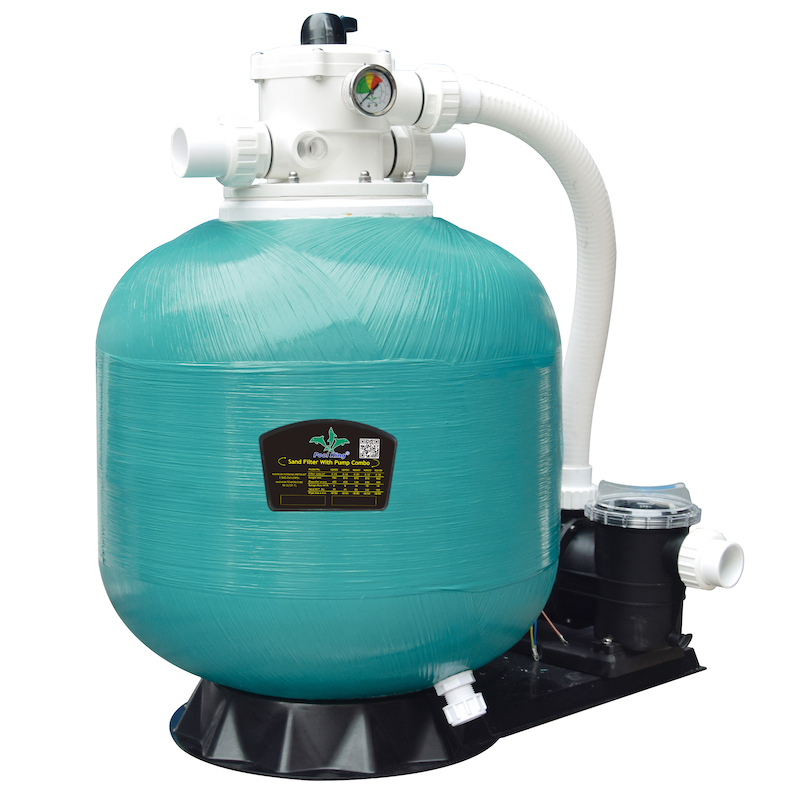
You add DE to a DE pool filter whenever you perform a full internal cleaning or backwash that removes a significant portion of the existing DE from the grids. In practice, that means you typically recharge the pool filter with DE after each backwash and use a full dose only after a complete tear‑down clean.
If you add too much DE to a pool filter, the DE layer can become too thick, causing high pressure, weak return flow, and sometimes DE blowing back into the pool through damaged grids or laterals. Over‑dosing the pool filter may force you to backwash again or open the filter tank to correct the issue and restore normal performance.
Running a DE pool filter with no DE coating means water passes directly through the bare grids, which are not designed to capture fine particles. Without DE, the pool filter will not clean the water properly, and debris can both escape back to the pool and damage the grid fabric over time.
When a DE pool filter has the correct DE charge, pressure will sit at a stable “clean” level and water returning to the pool will be strong and clear. If the pool filter pressure rises quickly or you see DE or cloudy water coming from the returns, it may signal incorrect DE amount, internal damage, or other problems that need inspection.
Yes, pool‑grade DE is processed specifically for use in pool filters and has different properties from horticultural or food‑grade DE. Only pool‑grade DE should be used in a pool filter system, and you should always follow the manufacturer's instructions and local regulations for safe handling and disposal.
1. https://www.poolsupplyunlimited.com/how-to-add-de-powder-to-your-pool/blog/57
2. https://www.inyopools.com/HowToPage/how-to-add-de-filter-powder.aspx
3. https://jmpools.com/2019/12/19/how-to-backwash-recharge-your-de-filter/
4. https://poolie.com/blog/cleaning/de-pool-filter/
5. https://www.swimmingpool.com/maintenance/pump&filter/how-to-backwash-de-pool-filter/


