
Views: 222 Author: Tina Publish Time: 2026-01-30 Origin: Site


Content Menu
● Why Your Intex Pool Filter Matters
>> DE (Diatomaceous Earth) Pool Filters
● General Rule: How Often to Change an Intex Pool Filter
● Factors That Affect How Often You Change the Filter
>> 2. Environment and Debris Load
>> 4. Chemical Balance and Algae Risk
● Specific Schedules for Different Intex Filters
>> Cartridge Pool Filter Change Frequency
>> Sand Pool Filter Maintenance and Sand Change
● How to Tell Your Intex Pool Filter Needs Changing
>> Changes in Flow and Pressure
>> Condition of the Filter Element
● How to Clean an Intex Cartridge Pool Filter Correctly
● How to Maintain a Sand Pool Filter
● Best Practices to Extend Pool Filter Life
● Choosing the Right Replacement Intex Pool Filter
● Example Seasonal Maintenance Plan for an Intex Pool Filter
● FAQ About Intex Pool Filter Maintenance
>> 1. How often should I replace my Intex cartridge pool filter?
>> 2. Can I just keep cleaning my cartridge pool filter instead of replacing it?
>> 3. How do I know if my sand pool filter needs new sand?
>> 4. Does running the pump longer mean I have to change the pool filter more often?
>> 5. What is the simplest way to extend the life of my Intex pool filter?
Keeping an Intex pool clean, clear, and safe starts with one core component: the pool filter. The pool filter is the heart of your circulation system, trapping debris, sunscreen, dust, and fine particles before they build up and turn your water cloudy. If you don't know how often to change an Intex pool filter, even perfect chemical balance won't keep the water looking good for long. In this guide, you will learn when to replace different Intex pool filters, how to clean them correctly, and how to make them last longer while keeping crystal-clear water all season.

The pool filter continuously removes dirt, leaves, insects, body oils, and tiny particles that would otherwise stay in the water. When the pool filter is clean and correctly sized, it:
- Improves water clarity and sparkle.
- Reduces the risk of algae growth.
- Helps chlorine and other chemicals work more efficiently.
- Protects your pool pump from unnecessary strain.
If the pool filter is dirty or worn out, the pump has to work harder, circulation slows down, and the water becomes cloudy or green much faster. That is why a regular schedule for cleaning and changing your Intex pool filter is essential for any above-ground pool owner.
Intex offers several filtration options for above-ground pools. Each pool filter type has its own maintenance and replacement schedule.
Cartridge pool filters are the most common filters sold with standard Intex sets. Inside the filter housing sits a pleated paper or polyester cartridge that traps debris as water flows through it. These are often labeled as Type A, B, H, etc., depending on the size and model.
Key characteristics of cartridge pool filters:
- Easy to install and replace.
- Can be rinsed and reused several times.
- Provide fine filtration, ideal for small and medium Intex pools.
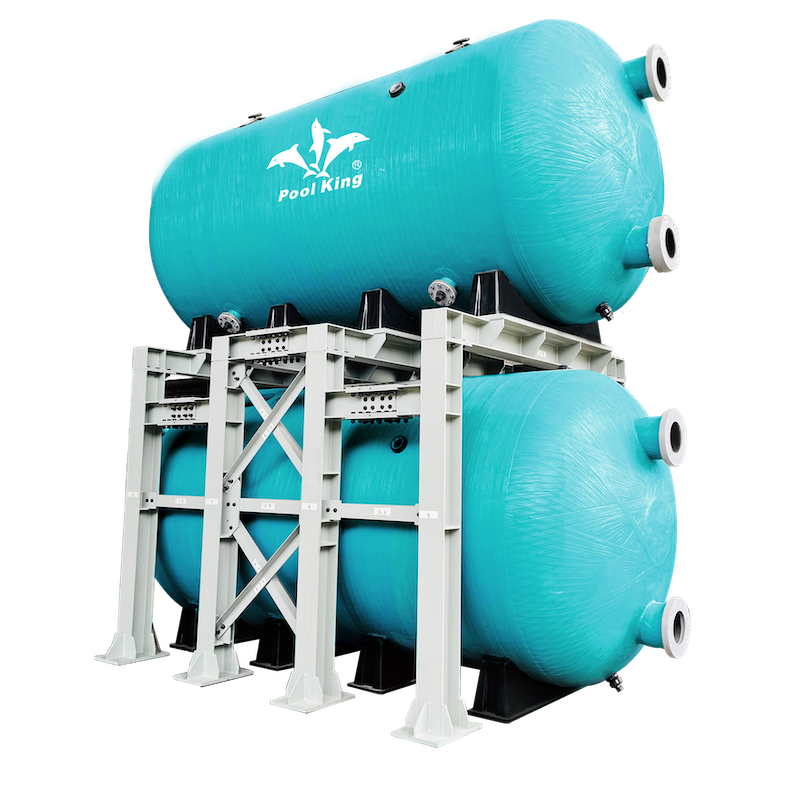
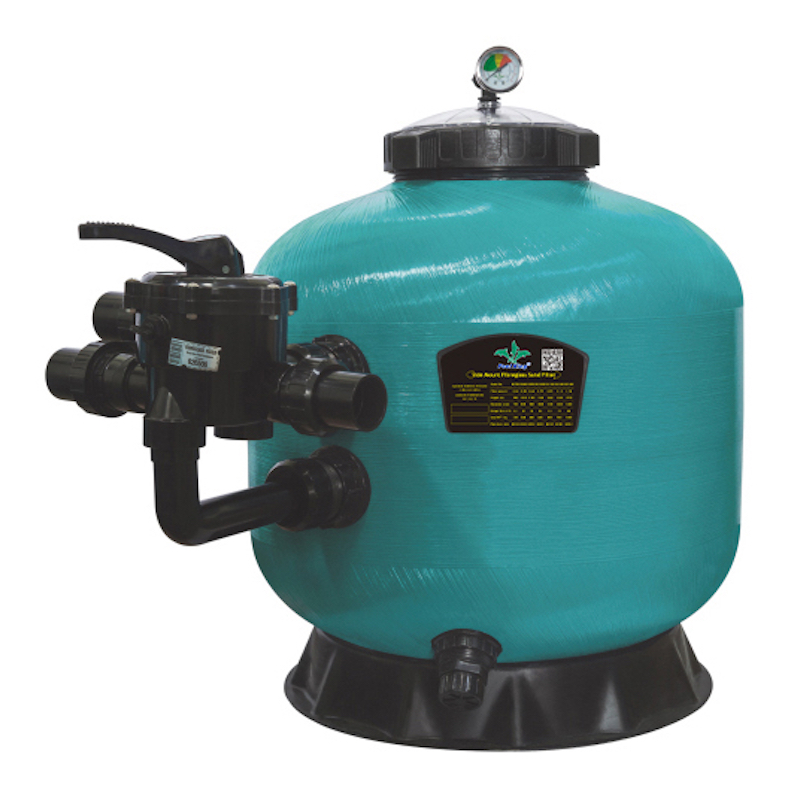
Sand pool filters use a tank filled with filter sand (usually silica sand or a special pool filter media). Water flows through the sand bed, and particles are trapped between the grains. For larger Intex pools or users who want less frequent maintenance, sand filters are a popular upgrade.
Main features of sand pool filters:
- Require backwashing instead of frequent cartridge changes.
- Sand typically lasts several years before replacement.
- More forgiving when the pool sees heavy use or a lot of debris.
Some advanced above-ground systems use DE pool filters. These filters coat internal grids with diatomaceous earth powder, which provides extremely fine filtration.
Highlights of DE pool filters:
- Capture the smallest particles of all three types.
- Require periodic backwashing and recharging with DE powder.
- Best suited for users comfortable with more involved maintenance routines.
The exact schedule depends on the type of pool filter and how heavily the pool is used, but you can follow these general guidelines:
- Cartridge pool filter: replace every 2–3 weeks during peak season, more often if the pool is heavily used.
- Sand pool filter: replace the sand every 3–5 years, but backwash whenever the pressure rises or flow drops.
- DE pool filter: replace the DE powder after each full backwash and clean the internal grids at least once a season.
For most Intex owners using a cartridge pool filter pump, the most important habit is checking the cartridge at least once a week and not waiting until the water turns cloudy. Many users find that a fresh cartridge at the start of the season, followed by regular changes every couple of weeks, keeps the water consistently clean.
Not every pool runs under the same conditions, so your real-world schedule may differ from the basic rules. Several factors influence how often you should change an Intex pool filter:
The more swimmers in the pool, the harder your pool filter has to work. Heavy use introduces more:
- Body oils, sweat, and cosmetics.
- Dirt and dust from skin and hair.
- Organic contaminants (like leaves and grass carried in on feet).
Family pools used every day in summer usually need more frequent cartridge changes than pools that are used once a week.
If your Intex pool is set up near trees, flower beds, or dusty roads, your pool filter will collect more leaves, pollen, and fine dust. Open countryside, construction nearby, and windy areas all increase the amount of debris your pool filter must trap.
Pools installed under a cover or in sheltered yard corners tend to keep the pool filter cleaner for longer.
How long you run the pump each day also affects the life of the pool filter. Longer run times circulate more water, which improves clarity but also loads the filter faster. Many Intex owners run their pump 8–12 hours per day in summer. Shorter run times may reduce filter wear slightly but can hurt overall water quality if circulation is insufficient.
Poor water chemistry forces the pool filter to work overtime. If chlorine, pH, and alkalinity are not in the right range, algae and biofilm can start forming on pool surfaces and the filter media. Once algae starts growing inside a cartridge, it quickly clogs the pleats and reduces flow, forcing more frequent replacements.
Keeping the pool water balanced is one of the easiest ways to extend the life of every pool filter in your system.
For Intex cartridge pool filter systems:
- Check the cartridge every 1–2 weeks.
- Rinse the cartridge with a hose as soon as the outside looks dirty or water flow slows.
- Replace the cartridge when:
- The pleats stay stained and brown after cleaning.
- The cartridge material feels soft, torn, or crushed.
- Pressure and flow problems return quickly after rinsing.
Most users find that replacing the pool filter cartridge every 2–3 weeks during the busiest swimming months gives the best balance between cost and water clarity. In very clean environments or lightly used pools, a cartridge may last longer with regular rinsing. In high-use, hot, or dusty conditions, weekly replacement may be more realistic.
For Intex sand pool filters:
- Backwash whenever the pressure gauge rises about 8–10 PSI above the starting (clean) pressure.
- Backwash after big storms, heavy pool use, or visible cloudiness.
- Rinse after backwashing to resettle the sand bed.
The filter sand itself usually lasts 3–5 years, depending on water quality and how well you maintain your pool. When backwashing becomes frequent, water never looks truly clear, or you see sand returning to the pool, it may be time to change the sand and inspect internal parts.
For DE pool filters:
- Backwash according to the manufacturer's instructions when pressure rises.
- Add fresh DE powder after each full backwash.
- Disassemble and clean the internal grids at least once a season, or more often in very demanding conditions.
Because DE filtration is extremely fine, it can clog faster in pools that are not well-balanced chemically. A consistent cleaning and recharging routine keeps this type of pool filter working at peak efficiency.
Instead of relying only on a calendar, watch for clear signs that your pool filter is no longer doing its job well.
- The water becomes dull or slightly cloudy even though chemicals test normal.
- You see fine particles floating that never seem to disappear.
- Algae spots start appearing on walls or the pool floor.
- The return jets feel weak compared to normal.
- The pressure gauge on sand or DE pool filters shows a higher reading than usual.
- The skimmer or surface movement looks sluggish, indicating poor circulation.
- Cartridge pleats are dark, stiff, or slimy after cleaning.
- Tears, holes, or deformed areas appear in the cartridge.
- Sand in a sand pool filter becomes clumpy, greasy, or channels form where water bypasses the media.
- DE grids show cracks, tears, or coating that will not rinse off.
If any of these symptoms appear, it is a strong indication that the pool filter needs deep cleaning or replacement.
Regular cleaning of a cartridge pool filter extends its life and keeps your pump running efficiently. Here is a simple process:
1. Turn off the pump and unplug it for safety.
2. Close any valves or clamp the hoses if your system allows it.
3. Open the filter housing and carefully remove the cartridge.
4. Use a garden hose with a spray nozzle to rinse between the pleats from top to bottom.
5. Rotate the cartridge as you spray, making sure all sides are clean.
6. For heavily soiled filters, soak the cartridge in a dedicated filter cleaning solution or a mild detergent solution for several hours, then rinse thoroughly.
7. Inspect the cartridge for tears or worn areas.
8. Reinstall the cartridge and close the housing securely before restarting the pump.
Avoid using high-pressure washers directly on the pleats, as this can damage the filter media. Also avoid harsh household cleaners that may leave residues harmful to swimmers or pool surfaces.
Sand pool filters require a different approach:
1. Turn off the pump.
2. Set the multiport valve to “Backwash.”
3. Turn on the pump and run until the sight glass or waste water runs clear.
4. Turn off the pump and set the valve to “Rinse.”
5. Run in “Rinse” mode for 20–30 seconds.
6. Turn off the pump, set the valve back to “Filter,” and restart the system.
Backwashing removes trapped debris from the sand bed and restores flow. If you find yourself backwashing very frequently or your water still looks dirty after proper backwashing and chemical treatment, it may be time to replace the sand or inspect the internal laterals.
A well-maintained Intex pool system can reduce the cost and frequency of filter replacement. Here are practical tips to get more life out of every pool filter:
- Use a pool cover when the pool is not in use to keep out leaves, insects, and dust.
- Ask swimmers to shower or rinse quickly before entering the pool to reduce oils, lotions, and cosmetics.
- Vacuum the pool floor regularly so the filter does not have to handle all the heavy debris.
- Skim the surface daily to remove large debris before it sinks.
- Keep chlorine, pH, alkalinity, and stabilizer levels within recommended ranges to prevent algae and scale.
- Run the pump for enough hours each day to circulate all the water at least once (often around 8–12 hours in summer).
- Choose the correct size of pool filter for your pool volume; undersized filters clog faster and struggle to maintain clear water.
These simple habits reduce the workload on your pool filter and extend its useful life while improving overall water quality.
When it is time to replace the pool filter cartridge or upgrade your system, choosing the right product is crucial.
Consider the following:
- Compatibility: Match the cartridge type (such as Type A, B, or H) to your specific Intex pump model.
- Filtration Area: Larger cartridges offer more surface area, which can improve flow and lengthen time between cleanings.
- Genuine vs. aftermarket: Genuine Intex pool filter cartridges are designed for the system, but many high-quality aftermarket options also perform well when correctly sized.
- Upgrading to sand or larger cartridge filters: For bigger above-ground pools or demanding conditions, upgrading from a small cartridge pump to a sand filter system or a larger-capacity pool filter can dramatically improve performance.
When marketing your own sand filter tanks and complete filtration systems, you can emphasize that many users outgrow the small basic filter that comes with an Intex pool and benefit from switching to a more robust pool filter solution.
To make day-to-day maintenance easier, you can follow a practical seasonal routine for your pool filter:
- Opening the pool:
- Install a new cartridge or fully clean the sand/DE system.
- Run the pump continuously for 24 hours after balancing chemicals.
- Peak summer (busy swimming months):
- Check and rinse cartridge filters weekly.
- Replace cartridges every 2–3 weeks or as needed.
- Backwash sand filters whenever pressure rises significantly.
- After storms or heavy use:
- Shock the pool.
- Vacuum and skim thoroughly.
- Clean or backwash the pool filter to remove the extra debris load.
- Closing or long-term shutdown:
- Clean and fully dry cartridges before storage.
- Drain and protect sand or DE systems according to the manufacturer's guidance.
This kind of schedule gives pool owners clear expectations and shows how an Intex pool filter fits into a complete water care strategy.
An Intex pool filter plays a central role in keeping above-ground pools clear, comfortable, and inviting. Cartridge filters usually need to be replaced every few weeks during the swimming season, while sand and DE systems depend on regular backwashing and periodic media replacement. Instead of waiting for water problems, smart pool owners monitor flow, clarity, and pressure and treat the pool filter as essential equipment, not an afterthought. By cleaning and changing the pool filter on a consistent schedule, using a cover, balancing chemicals, and running the pump enough hours each day, you can enjoy sparkling water all season and protect your pump and pool structure from unnecessary stress.
Contact us to get more information!
In most cases, you should replace your Intex cartridge pool filter every 2–3 weeks during peak swimming season. Heavy use, hot weather, or dusty environments may require more frequent changes, while light use or very clean conditions sometimes allow longer intervals. Always inspect the cartridge and let water clarity and flow guide your final decision.
You can clean a cartridge pool filter many times by rinsing it with a garden hose and occasionally soaking it in a filter cleaner. However, every cleaning slowly wears the fibers, and eventually the cartridge will not filter as well even if it looks clean. When the water stays cloudy, flow is weak, or the material looks damaged after cleaning, it is time to install a new pool filter cartridge.
If you notice that backwashing does not restore normal pressure and water clarity, or if you find sand returning to the pool, the sand bed may be worn or channeled. In that case, replacing the sand and inspecting internal parts is recommended. As a general guideline, most sand pool filters need new sand every 3–5 years, but heavily used systems may need it sooner.
Running the pump longer moves more water through the pool filter, which loads it with more debris. That can increase how often you need to clean or change it. However, proper circulation is essential for clear water, so you should not reduce run time too much just to save the filter. The best approach is to size the pump and pool filter correctly and then adjust cleaning and replacement frequency based on actual conditions.
The easiest way to extend pool filter life is to keep debris out of the water and reduce the workload on the filtration system. Use a cover when the pool is not in use, skim and vacuum regularly, ask swimmers to rinse off before entering, and maintain correct chemical balance. When less dirt and algae reach the pool filter, it stays cleaner longer and needs fewer replacements.
1. https://www.walmart.com/ip/Intex-Swimming-Pool-Easy-Set-Filter-Cartridge-Replacement-Type-H/45997092
2. https://intexcorp.com/spa-water-maintenance/
3. https://www.reddit.com/r/AboveGroundPools/comments/14vfv1p/does_anyone_know_if_there_a_limit_to_how_many/
4. https://www.poolking.co/a-news-how-often-should-you-change-your-intex-pool-filter.html
5. https://www.youtube.com/watch?v=QWr8pB-PXis
6. https://iopool.com/blogs/pool-advices/tips-intex-above-ground-pool
7. https://www.pool.shop/blog/how-to-maintain-an-intex-swimming-pool/
8. https://intheswim.com/blog/pool-filter-cartridges-when-to-clean-and-when-to-replace.html
9. https://www.swimuniversity.com/intex-pools/
10. https://intexcorp.com/products/above-ground-pools/krystal-clear-filtration-sanitation/filter-cartridges/type-b-filter-cartridge/
11. https://intexcorp.com/products/above-ground-pools/krystal-clear-filtration-sanitation/filter-cartridges/type-a-filter-cartridge/
12. https://www.reddit.com/r/pools/comments/1dqt8la/intex_pool_hack_to_help_change_filter_cartridge/


