
Views: 222 Author: Tina Publish Time: 2026-01-31 Origin: Site


Content Menu
● Why Cleaning Under a Confer Pool Ladder Matters
● Tools and Supplies You Will Need
● Step 1: Prepare the Pool and Area Around the Ladder
● Step 2: Safely Remove or Loosen the Confer Pool Ladder
● Step 3: Clean the Area Under the Pool Ladder in the Pool
● Step 4: Clean the Underside of the Confer Pool Ladder
● Step 5: Treat Stubborn Algae and Stains on the Pool Ladder
● Step 6: Dry, Inspect, and Reinstall the Pool Ladder
● Ongoing Maintenance Tips to Prevent Algae Under the Ladder
● FAQ
>> 1. How often should I clean under my pool ladder?
>> 2. Can I clean under a pool ladder without removing it?
>> 3. What is the safest cleaner for a plastic Confer pool ladder?
>> 4. Why does algae keep coming back under my pool ladder?
>> 5. Do I need to remove the ballast weights when cleaning my pool ladder?
Keeping the area under your Confer pool ladder clean is essential for safety, water quality, and the professional look of your pool. Algae, debris, and slime love to hide under a pool ladder where circulation is weak, so a regular cleaning routine is the best way to keep your pool ladder and the space beneath it fresh and clear.
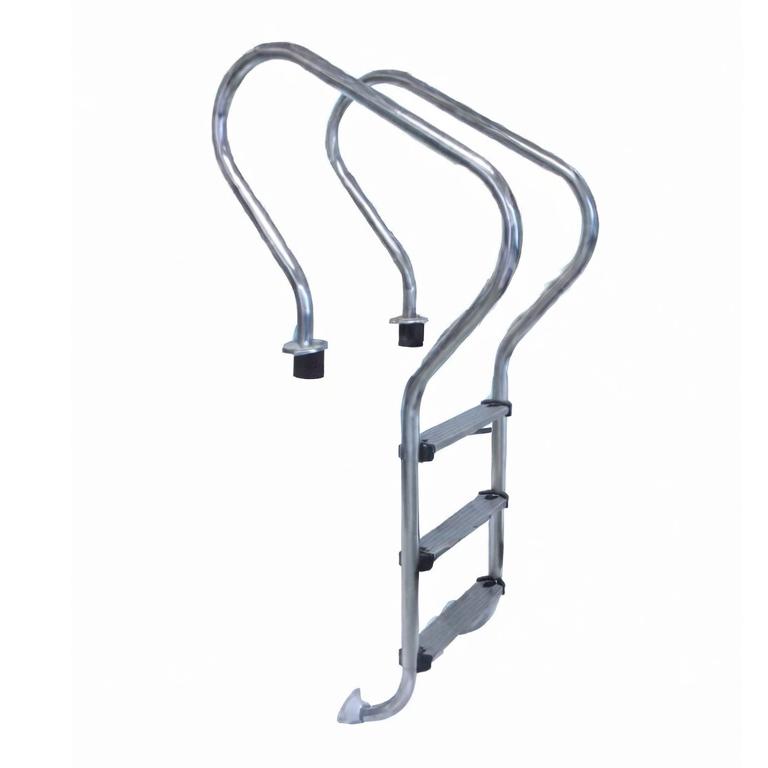
A Confer pool ladder creates shaded, low‑circulation zones where algae and dirt build up quickly. If you do not clean under the pool ladder, that hidden algae can spread across your pool walls and floor, turning into a full‑scale algae problem.
Regularly cleaning under the pool ladder also:
- Reduces slippery biofilm and slime on pool ladder steps, making entry safer.
- Keeps water clearer and reduces chlorine demand by removing organic debris.
- Extends the service life of the Confer pool ladder by preventing staining and surface damage.
Before you start, gather all tools so you can remove the Confer pool ladder, clean under it, and reinstall it safely.
- Soft‑bristled pool brush or nylon brush (safe for resin and plastic).
- Long‑handled pool brush for reaching under the pool ladder while it is still in the water.
- Garden hose with adjustable spray nozzle or high‑pressure setting.
- Bucket for mixing cleaning solutions.
- Mild detergent or pool‑safe step cleaner for general dirt.
- White vinegar, baking soda, or dilute bleach solution (for example, 1:10 bleach to water) for algae and stains.
- Rubber gloves and safety goggles when handling chemicals.
- Plastic putty knife or small brush to get into tight crevices around the pool ladder base.
Extra optional tools:
- Manual vacuum head and hose for cleaning loosened debris.
- Non‑abrasive cleaning pads for stubborn marks on the pool ladder.
Preparation makes cleaning under the pool ladder faster and safer.
1. Balance pool water
Make sure chlorine and pH are within normal ranges (for example, chlorine 1–3 ppm, pH 7.4–7.6) so algae will not bounce back quickly after you clean under the pool ladder.
2. Remove loose debris
Use a skimmer net to remove leaves and dirt near the pool ladder so they do not get trapped under it again. Clear the surface and the area around the steps.
3. Turn off pump if you are pulling the ladder
If you plan to remove the Confer pool ladder completely, shut off the pump and any automatic cleaner to avoid entanglement or damage while you work.
4. Clear the deck
Move chairs, toys, and other items away from the pool ladder so you have enough space to lift and handle it safely.
To truly clean under a pool ladder, it is best to pull it out of the water or at least lift it enough to access the underside.
1. Check manufacturer instructions
Confer's ladder manuals explain how to detach the pool ladder from the deck or top rail and how to handle ballast weights in the legs. Always follow their safety guidance when removing any pool ladder.
2. Release deck mounts or rails
- Undo mounting bolts or clamps that hold the pool ladder to the deck or top seat.
- For A‑frame models, unlock or lift the outside section first if your model has locking treads.
3. Manage ballast
Many Confer pool ladders use water or sand in the legs to keep the pool ladder from floating. If your ladder is heavy, drain some water or remove weight bags to make lifting safer.
4. Lift the pool ladder carefully
With two people if needed, lift the Confer pool ladder straight up and away from the pool wall to avoid scraping the liner. Lay it on a clean surface close to a hose, such as a deck or a tarp.
5. Protect your liner
As you pull the pool ladder out, make sure no rough edges or bolts drag along the vinyl liner. Work slowly and keep the base of the pool ladder slightly away from the wall.
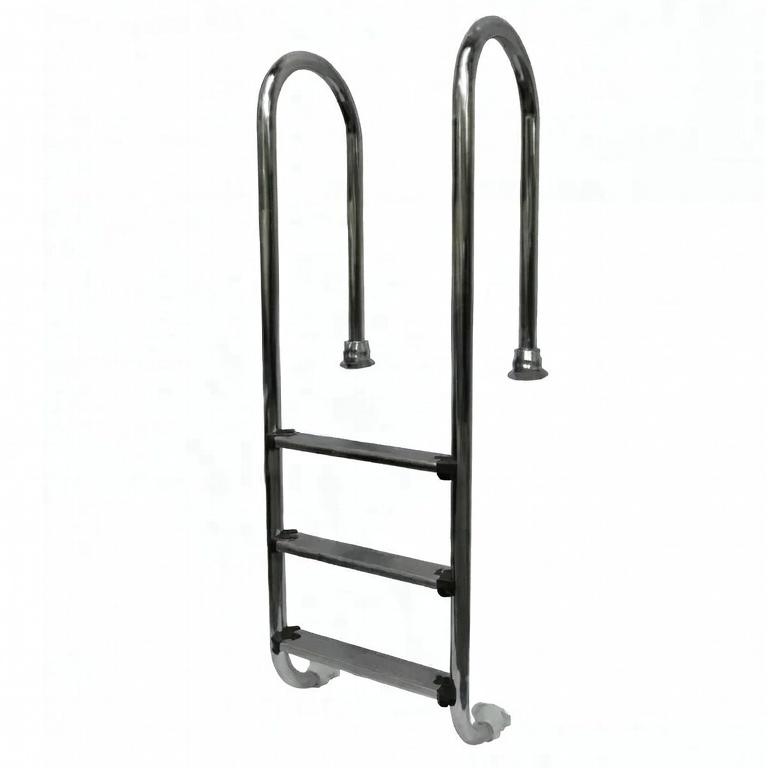
Once the pool ladder is out, you can focus on the spot it was covering.
1. Blast algae and debris with a hose or return jet
Direct a high‑pressure stream of water at the wall and floor where the pool ladder stood to push out hidden debris. Many owners use a hose nozzle to “blow out” gunk that was trapped under steps.
2. Brush the exposed wall and floor
Use your long‑handled pool brush to scrub the wall and floor thoroughly, especially any discolored patches where algae took hold. Work in overlapping strokes to make sure every part where the pool ladder sat is brushed.
3. Vacuum loosened debris
After brushing, vacuum the floor carefully so you remove the debris instead of letting it settle back near the pool ladder area. If your system allows, vacuum to waste when there is heavy algae.
4. Shock if there was heavy algae
If you had a lot of green or yellow growth under the pool ladder, it is smart to shock the pool so spores in that area are fully killed. Always follow label directions and keep swimmers out until chlorine returns to safe levels.
Now clean the pool ladder itself, especially the underside and inner cavities where algae loves to hide.
1. Rinse off loose dirt
Spray the entire pool ladder with a garden hose, paying extra attention to the underside of each tread and inside any hollow sections.
2. Apply cleaner
- For light dirt: Use mild detergent and water to wash all surfaces of the pool ladder.
- For algae and stains: Use a dilute bleach solution (for example, 1 part bleach to 10 parts water) or a 1:1 vinegar solution as a spray or wipe.
3. Scrub all hidden areas
- Scrub the underside of every step of the pool ladder with a soft brush.
- Clean gaps where the ladder meets the side rails, bolt areas, and any textured surfaces that trap algae.
- Use a small brush or plastic scraper for tight corners around the pool ladder frame.
4. Flush hollow sections
If the pool ladder has hollow steps or legs, flush them with a strong water jet to remove trapped algae and debris. This is crucial for keeping the pool ladder from becoming a hidden algae reservoir.
5. Rinse thoroughly
After you scrub, rinse the pool ladder completely so no strong chemicals drip back into the pool water. Pay attention to crevices where solution can collect.
If the underside of your pool ladder had black, dark green, or yellow patches, they may need extra treatment.
1. Use stronger spot treatments
- Apply a thicker bleach solution or chlorine‑based cleaner directly to stubborn algae spots on the pool ladder (always test in a small, hidden area first).
- For a gentler option, use baking soda paste or hydrogen peroxide on the spots and scrub after letting it sit for a few minutes.
2. Soak components if needed
Extremely dirty treads, ballast rocks, or removable panels from under pool steps can be soaked in a bleach solution to clear stubborn algae. Rinse thoroughly and let them dry before reassembly.
3. Avoid damaging abrasives
Do not use metal brushes on plastic or resin parts of the pool ladder, because they can scratch and create places where algae will grow faster next time. Stick to nylon brushes or non‑abrasive pads.
4. Check for discoloration
If stains remain after cleaning, decide whether they are cosmetic or signs of damage. Older pool ladder parts with severe staining or chalking may be better replaced than aggressively scrubbed.
After cleaning under the pool ladder and the ladder itself, make sure everything is safe before you put it back.
1. Dry and inspect the ladder
Let the pool ladder air‑dry or towel‑dry so you can see cracks or damage clearly. Check for structural issues, loose bolts, broken treads, and sharp edges that could injure swimmers.
2. Refill ballast safely
Follow the Confer pool ladder manual to refill legs with sand or water so the ladder will not float. Make sure both sides of the pool ladder are evenly weighted to avoid leaning or rocking.
3. Reposition the ladder
Place the pool ladder back into the pool and settle it gently against the wall. Make sure steps sit flat on the floor and that there is no sharp contact with the liner.
4. Re‑secure to deck or top rail
Use the original mounting blocks and hardware to bolt the pool ladder firmly to the deck, keeping it flush and stable for safe entry. Tighten all fasteners and test for any side‑to‑side movement.
5. Restart circulation and vacuum
Turn the pump back on and vacuum any remaining debris you loosened during cleaning so it is removed from the pool. Check that the return jets are not blowing directly at the base of the pool ladder in a way that could cause shifting.
Preventive care keeps algae from coming back under the pool ladder.
- Brush around and under the pool ladder weekly using a long‑handled brush to prevent algae film from forming.
- Run the pump long enough each day, especially in hot weather, to improve circulation around the ladder area.
- Shock the pool after heavy bather loads or visible algae near the pool ladder to kill spores early.
- Remove the pool ladder at the end of the season and store it dry to avoid winter algae buildup.
- Consider using an appropriate algaecide as a preventive step if your ladder area tends to grow algae frequently.
Additional professional tips:
- Adjust return jets so one of them gently pushes water past or under the pool ladder.
- Keep sunscreen and body oils under control by encouraging quick showers before swimming to reduce slippery buildup on the pool ladder.
- Inspect hardware every few weeks so any rusted bolts or loose parts on the pool ladder can be replaced before they cause problems.
Cleaning under a Confer pool ladder is not just about appearances; it directly affects safety, comfort, and water quality. By removing the pool ladder, blasting and brushing the area below, thoroughly cleaning the underside and inner cavities, and then reinstalling the pool ladder securely, you stop hidden algae from spreading and keep your pool access safe for every swimmer. Combine this deep clean with regular brushing, proper circulation, and balanced water, and the space under your pool ladder will stay clear, bright, and professional‑looking all season long.
Contact us to get more information!
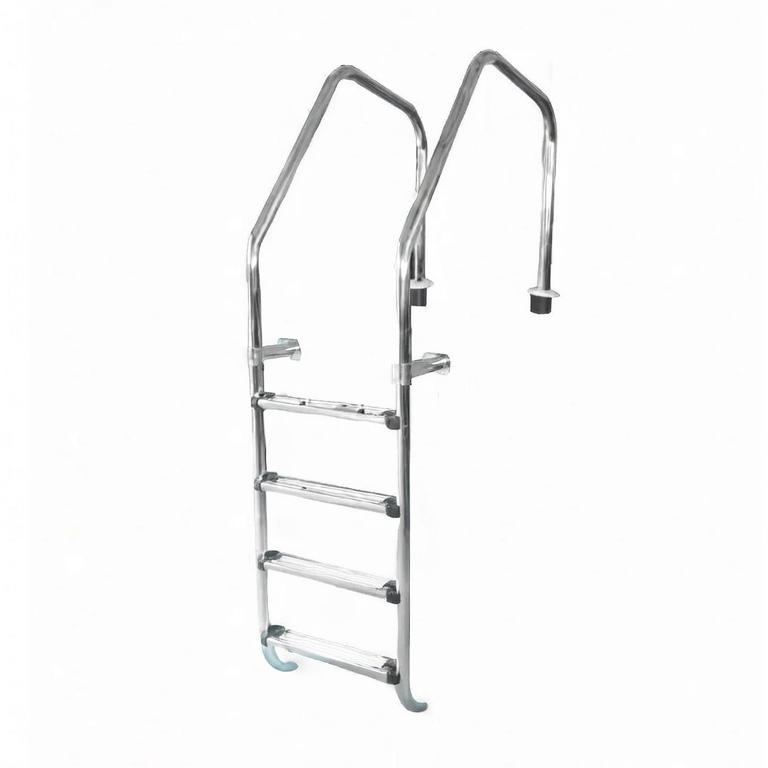
You should plan a full clean under your pool ladder at least once or twice per season, and more often if you see algae forming or your pool sits in the shade. In addition, brushing around the pool ladder weekly helps prevent buildup between deep cleans and keeps the steps from getting slippery.
You can use a long‑handled brush and a strong hose nozzle or return jet to push debris out from under a pool ladder without removing it. However, removing the pool ladder gives better access and is strongly recommended when algae is already visible or stubborn, or if you have not cleaned under the ladder for a long time.
For routine cleaning, mild detergent and water are safe for plastic and resin pool ladder surfaces. For algae and stains, you can use dilute bleach or vinegar solutions in recommended ratios, and always rinse the pool ladder thoroughly afterward so you do not damage the material or upset your pool chemistry.
Algae returns under a pool ladder when circulation is poor, chlorine is low, or the underside and inner cavities are not fully cleaned. Balancing water, brushing regularly, running your pump long enough each day, and occasionally shocking the pool all help keep the area under the pool ladder algae‑free between deep cleans.
If your ladder uses removable ballast weights or rocks, taking them out makes it easier to deep‑clean and soak them if they are covered in algae. For models with integrated sand or water ballast in the legs, follow the Confer pool ladder manual for safe draining and refilling procedures so the ladder stays stable after you reinstall it.
1. https://www.poolkingfilter.com/how-to-clean-algae-off-pool-ladder.html
2. https://www.mavaquadoc.com/blogs/pool-maintenance-blog/how-do-i-clean-algae-from-pool-steps
3. https://www.bluesquaremfg.com/blog/how-to-clean-swimming-pool-steps-a-step-by-step-guide-for-pool-owners-and-pool-cleaning-companies
4. https://www.royalswimmingpools.com/NE1201manual.pdf
5. https://www.eztestpools.com/blog/5-steps-to-remove-algae-from-your-pool-quickly/
6. http://www.poolforum.com/pf2/showthread.php/5024-Algae-under-pool-steps
7. https://www.cloroxpool.com/blog/2020/03/02/how-to-clean-a-green-pool/


