
Views: 222 Author: Tina Publish Time: 2026-02-01 Origin: Site


Content Menu
● Why You Should Hide Your Pool Filter and Pump
● Key Safety and Performance Rules Before You Hide Equipment
● Strategy 1: Use Decorative Screens and Compact Fences
>> Best Screen Materials for Pool Filter Areas
>> Practical Tips for Screen Installations
● Strategy 2: Build a Small Pool Filter Enclosure or Shed
>> Designing a Functional Pool Filter Shed
>> Adding Noise Reduction in a Pool Filter Enclosure
● Strategy 3: Hide Your Pool Filter with Landscaping
>> Best Plants Around Pool Filter and Pump Pads
>> Layout Tips When Using Plants to Hide Pool Filters
● Strategy 4: Use Benches, Boxes, and Multi‑Purpose Furniture
>> Storage Benches Near Pool Filters
>> Custom Pool Filter Boxes and Faux Rocks
● Strategy 5: Vertical Solutions for Tight Spaces
>> Vertical Gardens and Raised Planters
>> Privacy Panels and Sail Shades
● Planning Your Layout: Step‑by‑Step
>> Step 1: Measure Your Pool Filter Area
>> Step 2: Identify Key Viewpoints
>> Step 3: Choose Your Main Hiding Strategy
>> Step 4: Check Codes and Clearances
>> Step 5: Finalize Finishes and Details
● Maintenance Tips for Hidden Pool Filters
● Extra Ideas to Enhance Your Pool Filter Area
● FAQ
>> 1. How much space do I need around my pool filter and pump?
>> 2. Can I completely close in my pool filter and pump?
>> 3. What plants are best to hide a pool filter area?
>> 4. How can I reduce noise from my pool pump while hiding it?
>> 5. Is a fake rock cover safe to use over a pool filter?
Hiding your pool filter and pump is about more than looks; it also affects safety, noise, ventilation, and long‑term maintenance. A well‑designed solution can turn a noisy, cluttered pad into a clean, resort‑style feature that blends seamlessly into your backyard.

A visible pool filter and pump pad can make an otherwise beautiful backyard look unfinished and mechanical. Concealing this area improves aesthetics, reduces noise, and helps protect equipment from direct sun and weather.
A hidden pool filter zone gives your pool deck a more luxurious, high‑end appearance. Well‑planned covers or enclosures can noticeably cut pool pump noise when you combine solid structures with sound‑absorbing materials. Shade and partial protection from rain and UV may also extend the life of your pool filter housing, pump lids, o‑rings, and PVC fittings.
Before you hide your pool filter and pump, you must respect some basic rules to avoid overheating, leaks, or code violations.
- Leave generous clearance
Keep at least 2–3 feet of clear space around the pool filter and pump so air can circulate and technicians can work comfortably.
- Protect ventilation
Any pool filter enclosure, box, or shed must include ventilation gaps, grilles, or louvered panels to prevent pump motors from overheating.
- Preserve access points
Design doors or removable panels so the entire pool filter tank, multiport valve, and pump can be removed without dismantling the structure.
- Respect local rules
Check property‑line setbacks, fence height limits, and noise or visual‑screening requirements before building fences or pool filter sheds.
- Keep surroundings clean
Avoid planting messy, thorny, or aggressive‑root plants directly against the pool filter pad, where debris and roots can cause blockages or damage.
Decorative screens and low fences are among the easiest ways to hide a pool filter and pump without major construction. They are ideal when your pool filter pad is in a visible corner or along a fence line.
- Vinyl privacy panels
Vinyl privacy walls are light, weather‑resistant, and simple to install. They hide the pool filter and pump from most viewing angles and withstand moisture, chlorine, and UV.
- Lattice or slatted wood screens
Wood screens add warmth and a natural feel while allowing air to pass through around the pool filter and pump motor. You can paint or stain them to match the deck or house.
- Metal privacy panels
Powder‑coated aluminum or steel panels offer a modern look and can be installed in an L‑shape around the pool filter zone. Many styles include angled slats that hide equipment but keep it ventilated.
- Use L‑ or U‑shaped layouts
Place two or three panels in an L or U shape around the pool filter and pump, leaving the back open for airflow and service access.
- Add planters in front
Combine screens with large pots or planter boxes to soften the look and blend the pool filter area into the landscape.
- Create movable sections
Install hinged panels or removable posts so sections can swing open or lift out when you need to replace the pool filter tank or re‑plumb valves.
- Match existing design
Choose colors and finishes that tie into existing fences, railings, or siding so the pool filter screen looks intentional instead of improvised.
A dedicated equipment shed can completely hide the pool filter and pump while providing serious protection from weather and debris. This approach works especially well when your pool filter pad sits in a side yard or corner with enough room for a compact structure.
- Choose durable materials
Use treated wood, composite boards, or metal panels that can withstand moisture and occasional splashes around the pool filter and pump.
- Plan for ventilation
Incorporate louvered doors, vent grilles, or a partially open back so the pump motor and pool filter tank stay cool. Vent openings should be positioned to avoid direct rain but still allow airflow.
- Make access easy
Install wide double doors or removable side panels so a technician can remove the entire pool filter, pump, or heater without cutting the shed apart.
- Coordinate style
Paint or clad the shed to match your home, deck, or fence so the pool filter enclosure looks like a deliberate design feature rather than a patch.
If you want the shed to act as a quiet box for the pool pump, you can upgrade it for sound control.
- Build with dense walls and roof
Use dense panels such as plywood or composite on all sides and the top of the enclosure. Heavy materials block more sound from the pump near the pool filter.
- Seal gaps
Use exterior‑grade caulk or acoustic sealant on joints and seams. Even small gaps can leak a surprising amount of noise.
- Add sound‑absorbing panels
Line the inside of the enclosure with outdoor‑rated acoustic panels or foam to absorb sound reflections. This combination of mass and absorption helps keep the pool pump and pool filter area much quieter.
- Protect ventilation paths
Where you must leave openings for ventilation, use baffle designs or indirect paths so air can flow but noise has a harder route out.
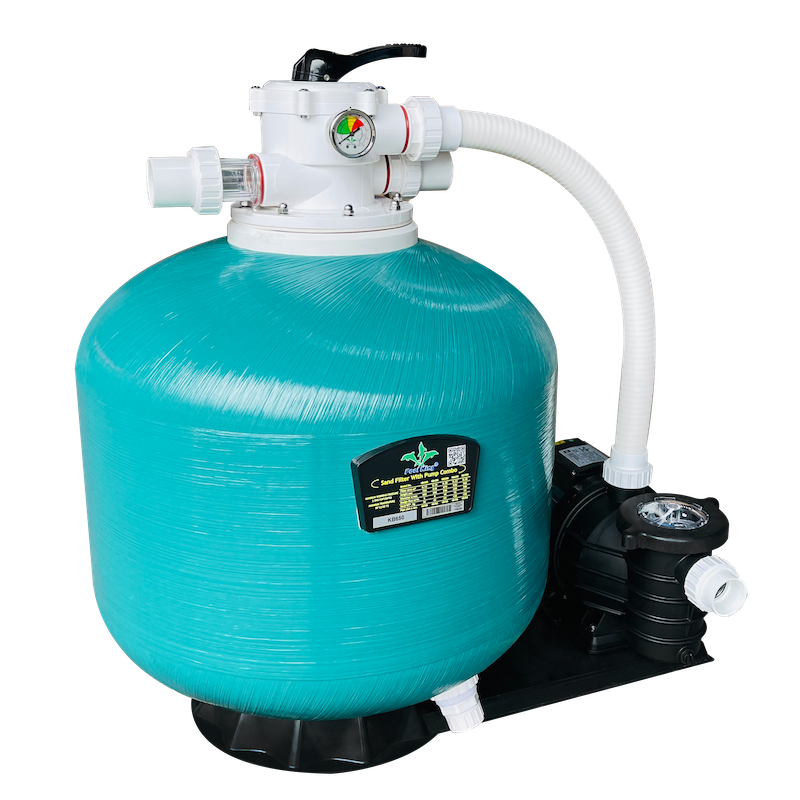
Landscaping is one of the most attractive and natural ways to hide a pool filter and pump area. The right plants soften harsh lines and can block both the view and some of the sound.
- Ornamental grasses
Varieties such as fountain grass, maiden grass, and similar tall grasses can quickly grow into an airy screen that hides the pool filter without feeling heavy.
- Evergreen shrubs
Boxwood, holly, and other compact evergreens can create a year‑round green wall around the pool filter and pump pad.
- Native plants
Local species adapted to your climate handle heat, wind, and occasional splashes better, making them ideal near the pool filter zone.
- Allow service corridors
Keep at least a narrow path behind or beside plantings, enabling technicians to reach the pool filter and pump for inspections and repairs.
- Avoid messy debris
Skip varieties that drop large leaves, seed pods, or fruit near the pool filter pad. Excess debris can clog drains and add to your cleaning workload.
- Watch root systems
Avoid plants with aggressive root systems near pool filter plumbing that could shift or damage pipes over time.
- Mix heights and textures
Combine tall grasses, mid‑height shrubs, and groundcovers to create a layered bed that hides the pool filter while still looking dynamic and intentional.
Multi‑purpose furniture is a clever way to hide a pool filter visually while adding useful seating or storage around the pool.
Storage benches work best when the pool filter and pump are low or when you just need to disguise part of the equipment.
- Position strategically
Place the bench so it blocks direct views of the pool filter and pump from the main seating or entry areas, while leaving the opposite side open for access.
- Allow airflow
Choose benches with slatted bases or sides, or cut ventilation openings so air can move freely around the pool filter and pump.
- Separate chemicals and equipment
If you use the bench for storage, keep pool chemicals in sealed containers and avoid blocking access to valves or service ports on the pool filter.
Custom boxes and fake rocks are popular options when you want your pool filter to disappear into the landscape.
- Slatted wood covers
A simple slatted wood box that slides over the pool filter and pump is easy to build, airy, and can be lifted off entirely for maintenance.
- Faux rock covers
Lightweight “boulder” covers are molded to look like natural stone and sized to fit over pool filter tanks and small pumps, blending into rock or planting beds.
- Modular combinations
Combine a low wall, bench, and planters to create a multi‑layered structure that hides a larger pool filter system in stages.
In narrow side yards or compact urban lots, vertical solutions can hide your pool filter and pump efficiently without taking up much ground space.
- Tall planter boxes
Use tall, narrow planters to form a green wall that screens the pool filter area. This works especially well along property lines.
- Living walls
Modular vertical garden panels can turn an exposed wall behind the pool filter into a lush feature while blocking views of equipment.
- Hardy, heat‑tolerant plants
Choose plants that can handle reflected heat and occasional dry periods near the pool filter and pump.
- Slim privacy panels
Thin slatted or perforated metal panels can stand just in front of the pool filter pad, taking up minimal space while hiding equipment.
- Shade sails above
A shade sail overhead can draw the eye upward and reduce the visual impact of the pool filter and pump below. It also provides some extra shade for nearby seating.
- Structural stability
Use robust posts and hardware so tall panels or sails remain secure in wind and weather.
A little planning goes a long way when deciding how to hide your pool filter and pump.
Measure the height, width, and depth of the pool filter tank, pump, heater, and any control panels. Note room for unions, valves, and clearances needed to remove the pool filter lid or cartridges.
Walk through your yard and note how the pool filter and pump look from:
- Main seating and dining areas
- House windows and doors
- Entry gates and walkways
Prioritize blocking the most prominent angles while keeping at least one side accessible for service.
Decide which approach fits your space and budget:
- Decorative screens or low fences
- Pool filter shed or equipment room
- Landscaping and berms
- Benches, boxes, and faux rocks
- Vertical panels and planters
You can often combine two or three methods for the most seamless result.
Confirm local rules regarding:
- Fence and screen height limits
- Required clearances around pool filter and pump equipment
- Property‑line setbacks
- Noise or enclosure regulations
Adjust your design so it complies with any local standards.
Once the structure is planned, refine the look:
- Paint or stain screens and sheds to match existing features
- Add plants, mulch, and small hardscape elements around the pool filter area
- Include discreet path lighting or step lights so the equipment zone remains safe to access after dark
A hidden pool filter should still be easy to maintain. Good design helps you keep the system clean, efficient, and safe.
- Keep access paths clear
Avoid storing heavy items directly in front of the pool filter and pump or blocking doors and panels with furniture.
- Plan for filter cleaning
Make sure there is enough room to remove cartridges, open sand filter lids, or backwash without flooding nearby structures.
- Inspect regularly
Check the interior of any pool filter shed or box for signs of moisture buildup, mold, or corrosion and correct ventilation or drainage problems quickly.
- Maintain landscaping
Trim back plants that grow too close to the pool filter and pump, and clear fallen leaves or mulch from around the pad.
To take your pool filter and pump zone from hidden to truly polished, consider adding a few extra touches.
- Integrated lighting
Low‑voltage lights under benches or along screens make the space usable at night and enhance safety during maintenance.
- Coordinated materials
Using the same wood, composite, or metal finishes around the pool filter as on decks and fences helps everything feel cohesive.
- Matching hardware
Select hinges, handles, and latches that match other outdoor fixtures, making the pool filter enclosure look more like built‑in cabinetry.
- Small storage upgrades
Add hooks, shelves, or small cabinets near the pool filter area for leaf nets, test kits, and brushes so pool tools are organized but out of sight.
Hiding your pool filter and pump is a balance of design, safety, and performance. With the right mix of decorative screens, compact sheds, smart landscaping, and multi‑purpose furniture, you can fully conceal your pool filter area without sacrificing access, ventilation, or serviceability. Careful measuring, respect for clearances, and good material choices ensure your pool filter and pump run smoothly, stay quiet, and remain easy to maintain. When everything is thought through, your pool filter and pump will disappear into a clean, stylish backyard that looks as good as it functions.
Contact us to get more information!
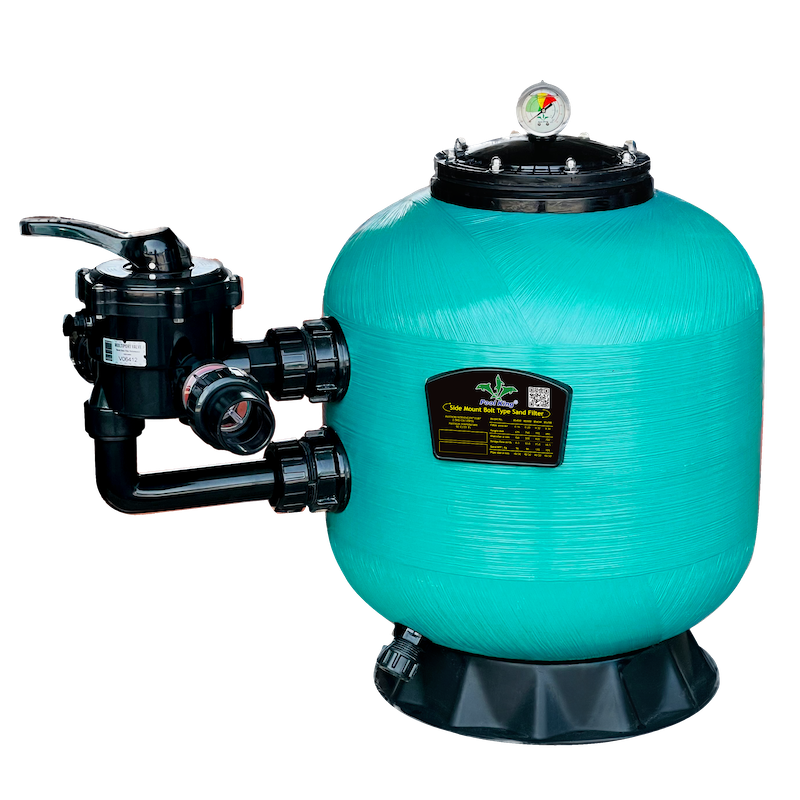
Most homeowners should leave at least 2–3 feet of clear space around the pool filter and pump on all accessible sides. This clearance allows safe airflow, comfortable access for cleaning and repairs, and enough room to remove or replace the pool filter tank and pump.
You can enclose your pool filter and pump in a shed or box, but you must provide adequate ventilation and easy access. Include vents, grilles, or gaps for airflow, and design wide doors or removable panels so equipment can be inspected, serviced, or replaced without cutting into the structure.
Ornamental grasses, compact evergreen shrubs, and climate‑appropriate native plants work very well around a pool filter pad. Choose plants that stay relatively tidy and avoid large, messy leaf drop or invasive roots that could interfere with pool filter plumbing and drains.
For serious noise reduction, build a dense enclosure around the pump and pool filter area and line the inside with sound‑absorbing material. Seal cracks and seams carefully to stop sound leaks, and use baffled or indirect vents so you maintain airflow without creating direct paths for noise.
A quality fake rock cover designed specifically for pool filter and pump equipment can be safe and effective. Check that the model you choose is rated for your pool filter size, leaves space for air circulation, and allows access to valves, gauges, lids, or unions for regular maintenance.
1. https://www.cuindependent.com/diy-pool-pump-cover-ideas-for-a-neat-backyard/
2. https://www.reddit.com/r/pools/comments/1kpixjw/alright_people_show_me_how_you_hide_your_pool/
3. https://taylormade-pools.com/blog/how-to-hide-pool-equipment/
4. https://intheswim.com/blog/pool-equipment-enclosure-ideas.html
5. https://www.carltonpools.com/best-landscaping-to-hide-pool-equipment/
6. https://www.secondskinaudio.com/soundproofing/pool-pump-quiet-box/
7. https://www.homesandgardens.com/gardens/how-to-hide-pool-equipment
8. https://concretecowboypools.com/how-to-hide-pool-equipment-with-landscaping/
9. https://www.soniflex.com/en/silencing-a-pool-pump
10. https://www.youtube.com/watch?v=QSSIMOsS_oQ
11. https://majestic-pools.com/how-to-hide-pool-equipment-creative-ways-ideas/
12. https://intheswim.com/blog/hiding-pool-equipment-with-landscaping.html


