
Views: 222 Author: Tina Publish Time: 2026-01-29 Origin: Site


Content Menu
● Key principles before you hide a Pool pump
● Option 1: Use low fences or privacy screens
● Option 2: Hide a Pool pump with landscaping
● Option 3: Compact enclosures and cabinets for Pool pump equipment
● Option 4: Benches, storage boxes and multi‑use covers
● Option 5: Rock features and retaining walls around a Pool pump
● Ventilation, drainage and noise control for hidden Pool pump systems
● Safety and code considerations when hiding a Pool pump
● Design tips to integrate a hidden Pool pump with your backyard style
● Working with OEM Pool pump and filter manufacturer
● Practical step‑by‑step example: a complete Pool pump hiding project
● FAQ about hiding Pool pump equipment
>> 1. How close can I build walls or fences around a Pool pump?
>> 2. Can I put a Pool pump inside a sealed shed?
>> 3. What plants work best to hide a Pool pump?
>> 4. How do I reduce Pool pump noise when it is hidden?
>> 5. Do I need permits to build around a Pool pump?
Keeping a Pool pump and equipment pad out of sight can make your whole backyard look cleaner and more high‑end, but you must still protect airflow, safety and easy access for maintenance. With smart design, you can hide a Pool pump behind fences, landscaping, compact enclosures or benches without hurting performance or breaking local rules.
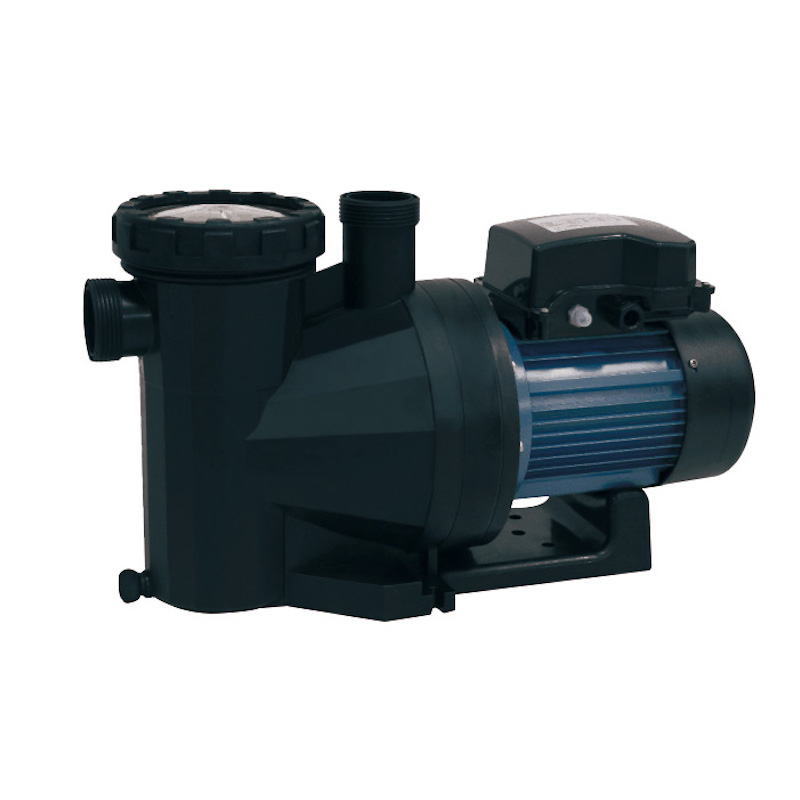
A hidden Pool pump must still move air freely around the motor and electrical parts to avoid overheating, corrosion and premature failure. You also need safe working space around the Pool pump and filter so technicians can service valves, unions and control panels without tearing out plants or structures.
- Keep at least 60–90 cm of clear space in front of the Pool pump and filter for servicing, and avoid airtight boxes or sealed sheds.
- Use open slats, louvered doors or gaps at the top and bottom of any enclosure so the Pool pump and motor can breathe and shed heat.
- Do not bury the Pool pump in soil or mulch; raise it on a solid pad above grade to protect from flooding and moisture.
- Check local rules on screening pool equipment, fence height and property line setbacks before you build around a Pool pump.
- Leave a simple, direct path so you can wheel chemicals, tools or replacement pumps in and out without lifting over obstacles.
When planning your layout, think about where you stand to operate valves, look at the pressure gauge and open the Pool pump lid. A good rule is to imagine replacing the entire Pool pump and filter in the future and ask yourself whether the current design will still let you remove large parts without demolishing screens or landscaping. If the answer is no, adjust the concept while you are still at the drawing stage.
Small, U‑shaped or L‑shaped fences are one of the simplest ways to hide a Pool pump because they block the line of sight while staying open at the back for air and sound. You can match the panel style to existing pool fencing or deck railings so the Pool pump area looks intentional instead of improvised.
- Build a 90–120 cm high vinyl or composite screen around two or three sides of the Pool pump pad, leaving the back open for ventilation and access.
- Choose solid panels to reduce noise from the Pool pump motor, or decorative slatted and metal panels to combine airflow and modern style.
- Anchor freestanding screens to posts or concrete so wind cannot topple them onto the Pool pump or pipework.
- Include a wide gate or removable panel so the Pool pump, filter tank and heater can be replaced without cutting structures apart.
Evergreen shrubs, ornamental grasses and small trees can soften the industrial look of a Pool pump while also helping to redirect noise. Landscaping works especially well when the Pool pump pad is off to one side of the yard, because you can blend it into existing garden beds and edges.
- Plant dense shrubs in a staggered row to block the view of the Pool pump from key angles like house windows, patios and walkways.
- Use tall ornamental grasses near a low equipment fence to create a layered screen that hides the Pool pump and deflects sound.
- Keep plants at least 60–90 cm away from the Pool pump and motor to avoid blocking vents, trapping leaves or inviting pests.
- Choose low‑litter, non‑spiky plants so leaves and thorns do not clog the Pool pump strainer or make service unsafe.
To keep maintenance simple, design a gravel or paver strip between the Pool pump and the plants. This reduces mud, keeps shoes clean for service work and stops roots from creeping under the pad. You can also add drip irrigation to keep plants healthy without spraying the Pool pump motor or electrical components.
A well‑designed enclosure or cabinet can turn a noisy Pool pump cluster into what looks like a neat outdoor utility box or small hut. These solutions work best when they include slatted walls, louvered doors and a raised floor so the Pool pump can ventilate and stay dry.
- Use weather‑resistant composite or treated wood with gaps between boards so the Pool pump and motor can exhaust hot air.
- Add hinged doors or lift‑up lids that open wide enough to remove the Pool pump, filter and valves for major repairs.
- Install vents at low and high points of the enclosure so cool air enters near the Pool pump base and hot air exits near the top.
- Avoid storing chemicals or flammables inside the same box as the Pool pump and heater to reduce corrosion and fire risk.
Converting the Pool pump area into usable seating or storage makes the space feel purposeful, especially on smaller decks. Many homeowners disguise a Pool pump pad as a long bench, deck box or low wall that doubles as a backrest or side table.
- Build a fixed bench with a hinged front or top so you can access the Pool pump and valves, keeping several centimetres of clearance on all sides.
- Use slatted or perforated bench fronts so the Pool pump can pull in fresh air and discharge hot air through hidden gaps.
- Place separate outdoor storage boxes nearby for toys and tools, so the Pool pump compartment is not overcrowded or blocked.
- For above‑ground pools, design a raised deck section that lifts off to reveal the Pool pump and filter, using removable panels instead of tight skirting.
Stone walls, faux rocks and retaining structures work well when the Pool pump sits against a slope or is near natural rock already. These designs can turn the Pool pump into part of a water feature or “service terrace” that blends into your landscape.
- Add a low stacked‑stone wall in front of the Pool pump pad, leaving a gap or side path so you can still roll equipment in and out.
- Use manufactured faux rocks designed with rear or side openings so the Pool pump and valves remain accessible and ventilated.
- Combine small retaining walls with a raised planter bed so taller plants help hide the Pool pump from upper‑floor windows.
- Avoid fully burying any pipe unions or Pool pump fittings in concrete or mortar, so leaks can be repaired without breaking masonry.
Here you can provide wide‑angle photos showing the Pool pump pad with and without stonework, plus short clips of contractors installing faux rock covers over equipment. This helps readers see real clearances and understand that the Pool pump is never completely sealed inside stone.
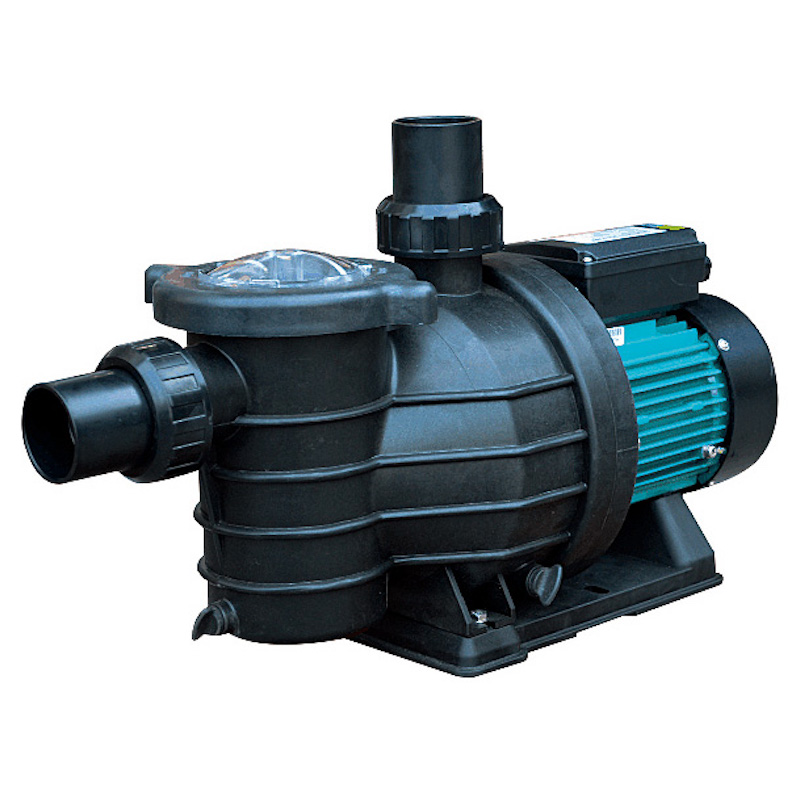
Whatever hiding strategy you choose, think carefully about airflow, water drainage and sound so your Pool pump stays reliable. Trapped heat, standing water and echoing walls can shorten the life of a Pool pump motor and make the equipment louder than before.
- Slope the equipment pad slightly away from the Pool pump and towards a drain or gravel area so water does not pool under the motor.
- Use acoustic panels, dense fences or plant sound baffles to reflect noise away from windows while leaving openings near the Pool pump vents.
- For indoor or tightly enclosed equipment spaces, work with an HVAC professional to size vents or fans so the Pool pump room stays dry and well ventilated.
- Check periodically for condensation or rust on the Pool pump motor housing, which can signal poor ventilation or chronic dampness.
In wetter climates, consider using a small roof or awning above the Pool pump to keep rain off the electrical components while leaving at least two open sides for airflow. You can add a drainage channel or French drain beside the pad to carry storm water away and protect the Pool pump from repeated flooding.
Pool safety codes often regulate how close equipment can be to property lines, windows and pool barriers, and these rules still apply when you hide a Pool pump. You must also protect wiring, bonding, gas lines and access to emergency shut‑off switches.
- Keep enclosures and fences around a Pool pump within local height and setback limits, especially in communities with strict design rules.
- Ensure all electrical connections for the Pool pump remain accessible and compliant with local electrical and bonding standards.
- Do not block the view or reach to critical valves, timers and safety switches with locked or permanent structures around the Pool pump.
- If you are unsure, consult a licensed pool contractor or inspector before framing walls or roofs around a Pool pump and heater.
If children use the area frequently, avoid designs they can climb easily. Smooth materials and limited horizontal rails make it harder for kids to reach over into the Pool pump zone, while still giving adults fast access in an emergency.
A hidden Pool pump looks best when the materials and colors match your deck, house and existing pool structures. Consistent lines and finishes make the Pool pump zone feel like it has always been part of the design instead of an afterthought.
- Match fence or enclosure colors to existing trim, railing or pergolas so the Pool pump area visually disappears.
- Repeat materials, such as composite boards or masonry, from your steps or outdoor kitchen around the Pool pump pad.
- Align the top of screens or benches with nearby handrails so the Pool pump wall reads as a continuous element.
- Layer lighting so there is task light near the Pool pump for service and softer accent light outside the screen to highlight plants or stone.
If you are renovating equipment or building a new pad, partnering with experienced OEM manufacturers makes it easier to specify compact, efficient Pool pump and filter combinations that fit under screens and inside cabinets. High‑quality Pool pump systems with proper bases, unions and control boxes reduce vibration and simplify plumbing layout, which helps any hiding structure last longer.
- Choose quiet, high‑efficiency Pool pump models so you can use lighter‑weight screening and still keep noise comfortable.
- Ask OEM partners to design a compact equipment layout with grouped valves, minimizing the footprint you need to hide around the Pool pump.
- Combine the Pool pump, sand filter and optional LED lighting controls on a tidy pad with labelled plumbing so future service is straightforward.
- When ordering OEM Pool pump packages, confirm dimensions and clearances so your builder can size fences, cabinets or benches accurately.
To bring everything together, imagine a typical backyard where the Pool pump sits on a concrete pad next to the house and is clearly visible from the patio. The owner wants to reduce noise, hide the Pool pump and add more seating, without making maintenance difficult.
1. Assess the site and equipment
The first step is to check the condition of the Pool pump, filter, valves and electrical connections, and to measure the pad and surrounding space. At this stage you confirm that there is enough room to add a low fence and bench while still leaving safe working space around the Pool pump.
2. Choose a concept and materials
The homeowner decides on a three‑sided composite fence around the Pool pump pad with a matching bench in front. Colors and textures are selected to match the deck boards and existing pool railings, so the new Pool pump screen blends into the overall design.
3. Plan ventilation and access
The design includes gaps under the fence panels, slats between boards and a removable front section of the bench. The Pool pump remains fully accessible from the service side, and the top of the bench opens easily so the pump lid can be removed for routine cleaning and basket checks.
4. Build, then install equipment and finishes
Posts are anchored in concrete, panels are installed, and then the bench frame and lid are added. Finally, the Pool pump wiring is checked, labels are added to valves, and soft‑close hinges are installed to prevent banging and vibration when the bench lid closes.
5. Add landscaping and lighting
Low shrubs and ornamental grasses are planted a short distance away from the Pool pump screen to soften the view. Discreet LED lighting is installed near the access area so service can be done safely at night, while a separate strip of accent light highlights the plants instead of the Pool pump.
The best way to hide Pool pump equipment is to combine simple structures and smart landscaping with good airflow, drainage and access. Screens, fences, shrubs, benches and rock features can all disguise a Pool pump pad while still allowing technicians to reach unions, valves and electrical components safely. By thinking about ventilation, noise, safety codes and future service before you build, you can keep your Pool pump quiet, reliable and almost invisible in everyday use.
Contact us to get more information!
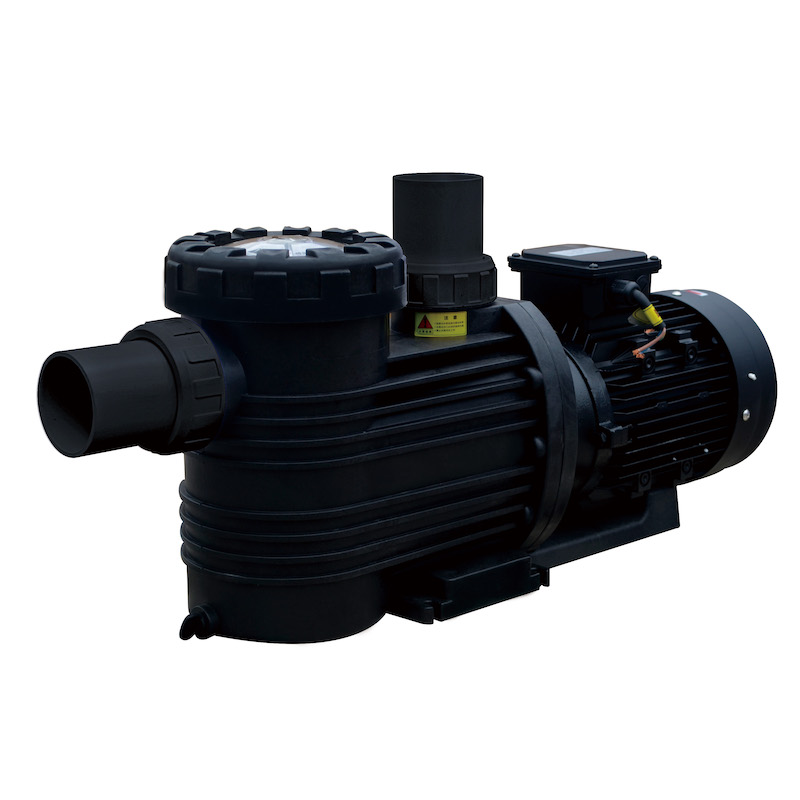
Most professionals recommend leaving at least 60–90 cm of clearance on the service side of the Pool pump and filter, and some space at the back for airflow. Solid walls or tall fences can be closer on non‑service sides as long as vents or openings allow the Pool pump motor to cool properly.
Completely sealed sheds trap heat and moisture, which can damage a Pool pump motor, electronics and metal fittings. If you use a shed, treat it like a ventilated equipment room with vents, gaps under doors and, in some cases, a small fan to keep the Pool pump space dry.
Evergreen shrubs and tall ornamental grasses that hold their foliage year‑round and do not shed heavy debris are usually best near a Pool pump. Give plants space to grow so branches do not block vents or drop leaves directly into the Pool pump strainer area.
Solid fences, masonry walls and dense shrubs can all help reflect noise away from windows while still leaving ventilation gaps near the Pool pump motor. You can also reduce vibration by placing the Pool pump on a solid, level pad with rubber isolation under the motor.
In many areas, low screens or short fences around a Pool pump are allowed without full permits, but rules vary by city and community. It is wise to check local building and pool safety codes before adding permanent structures around any Pool pump equipment.
1. https://intheswim.com/blog/pool-equipment-enclosure-ideas.html
2. https://intheswim.com/blog/hiding-pool-equipment-with-landscaping.html
3. https://concretecowboypools.com/how-to-hide-pool-equipment-with-landscaping/
4. https://foter.com/by/eliza-bush/swimming-pool-equipment-enclosures
5. https://www.talkofthevillages.com/forums/villages-florida-general-discussion-73/hide-pool-equipment-fence-landscaping-349071/
6. https://www.desert-aire.com/resources/indoor-pool-ventilation-system-requirements-tb05/
7. https://www.youtube.com/watch?v=QSSIMOsS_oQ
8. https://www.youtube.com/watch?v=kQAg49G3m_U
9. https://www.tiktok.com/@eternalharvestdecor/video/7388271673314708782


