
Views: 222 Author: Tina Publish Time: 2026-02-01 Origin: Site


Content Menu
● Understanding Your Bestway Pool Filter System
● Safety Checklist Before Changing a Bestway Pool Filter
● How to Change a Bestway Cartridge Pool Filter
>> Step 1: Shut Down the Pool Filter Pump
>> Step 2: Close Valves or Use Safety Caps
>> Step 3: Open the Pool Filter Housing
>> Step 4: Remove the Old Pool Filter Cartridge
>> Step 5: Clean or Replace the Cartridge
>> Step 6: Check and Clean the O‑Ring
>> Step 7: Reassemble the Cartridge Pool Filter
>> Step 8: Restore Water Flow and Power
● How to Change or Service a Bestway Sand Pool Filter
>> Step 1: Turn Off the Pump and Check the Valve
>> Step 2: Perform a Backwash Cycle
>> Step 4: Return to Filter Mode
>> Step 5: When and How to Replace Sand
● Using Polysphere or Filter Balls in a Bestway Pool Filter
● Bestway Pool Filter Maintenance Schedule
>> Weekly
>> Monthly
>> Seasonally
● Troubleshooting Common Bestway Pool Filter Problems
>> Cloudy Water Even When the Pump Is Running
>> Pump Seems Weak or Has Low Flow
>> Pump Loses Prime or Sucks in Air
>> Sand Coming Back into the Pool
● OEM and Private‑Label Pool Filter Solutions (For Brands and Wholesalers)
● FAQ: Bestway Pool Filter Questions
>> 1. How often should I change my Bestway pool filter cartridge?
>> 2. How do I know my Bestway pool filter needs to be replaced?
>> 3. What setting should my Bestway sand pool filter be on for normal use?
>> 4. Can I use filter balls instead of sand in my Bestway sand pool filter?
>> 5. Why does my Bestway pool filter pump lose prime or suck in air after changing the filter?
Changing a Bestway pool filter is simple once you understand your filter type (cartridge, sand, or Polysphere balls) and follow the correct shut‑off and replacement steps. This complete guide shows you how to change your Bestway pool filter safely, how long each pool filter type lasts, and how to keep your pool water sparkling clear with a smart maintenance routine.
If you are a brand owner, wholesaler, or manufacturer using OEM pool filter systems, you can also adapt these steps for your own branded pool filter pumps, sand filters, and accessories.

Before changing any Bestway pool filter, you must know which filtration system you have, because the change and cleaning method is different for each type.
The most common types include:
- Cartridge pool filter pump (common on small and medium Bestway above‑ground pools).
- Sand pool filter pump (often called a Flowclear sand filter, with a multiport valve offering several modes).
- Pool filter using Polysphere™ filtration balls instead of sand.
A typical Bestway pool filter system consists of:
- A pool filter pump body with a lid or top cover.
- A pool filter element (disposable cartridge, sand bed, or reusable filter balls).
- Inlet and outlet hoses connecting the pool wall fittings to the pool filter pump.
- A power cord and control switch.
Knowing your system helps you choose the correct pool filter replacement size, set the multiport valve correctly, and avoid damaging the pump.
All pool filter work should start with safety. You are working with water and electricity, so build a consistent routine before you touch the pump or pool filter housing.
Follow these steps every time:
- Turn off the pool filter pump using its switch or plug.
- Unplug the pump from the electrical outlet to avoid accidental restarts.
- If possible, raise the pump above the waterline to reduce the amount of water that drains out when you open the housing.
- Make sure children and pets stay away from the working area.
- Never run a sand pool filter dry (without water) and never switch valve positions while the pump is running.
Building a safe habit will protect the pump, the pool filter, and the people around the pool.
Most small Bestway pools are supplied with a basic cartridge‑style pool filter pump. Inside the plastic housing is a cylindrical pleated pool filter cartridge that traps debris as water passes through.
- Switch off the pump and unplug it from the power outlet.
- Check that water is not flowing through the hoses; if it is, prepare to close valves or use safety caps.
- Lift the pump above the water level if your setup allows, so gravity does not siphon too much water when you open the lid.
A consistent shutdown process reduces splashing and makes pool filter changes faster.
Some Bestway pools include safety caps or plugs that fit over the inlet and outlet fittings on the pool wall.
- From inside the pool, place the caps over the suction and return fittings to stop water flow.
- If your system uses shutoff valves on the hoses, close them firmly.
- If you do not have caps or valves, lifting the hoses higher than the water surface can slow the flow.
Reducing water flow makes it easier to open the pool filter housing without losing a lot of water.
- Locate the top ring, clamp, or locking nut on the cartridge pool filter housing.
- Loosen and remove the ring or nuts by hand; some models may need a simple wrench or strap tool.
- Carefully lift off the lid; be ready for a small amount of water to spill out.
- Take note of the position of the existing pool filter cartridge so the new one sits in the same way.
Avoid using sharp tools that can crack the housing or lid.
- Grip the top of the cartridge and pull it straight up out of the housing.
- Inspect the pleats for discoloration, tears, or broken bands.
- If the pool filter cartridge is dark brown, stiff, or physically damaged, plan to replace it with a new one instead of just rinsing.
In many home pools, a cartridge pool filter can be cleaned and reused multiple times, but it will eventually wear out and stop filtering properly.
You have two options: clean and reuse the existing pool filter or install a brand‑new one.
For cleaning:
- Use a garden hose and a spray nozzle to rinse the pleats from top to bottom.
- Direct the water stream between pleats to wash out debris.
- Rotate the cartridge until the water runs mostly clear.
- For heavy dirt, use a dedicated pool filter cleaner spray and rinse thoroughly.
For replacement:
- Buy the correct size and model of cartridge specified in your pump manual (for example, a Bestway Type I, II, or III pool filter cartridge depending on pump size).
- Place the new pool filter cartridge into the housing, ensuring the bottom seats properly and the top aligns with the lid or guide post.
Many owners clean cartridge pool filters weekly and replace them when they remain discolored and rough even after thorough cleaning.
- Before reinstalling the lid, inspect the O‑ring or gasket on the top of the housing.
- Wipe away dirt, sand, and hair; these contaminants allow air to be sucked into the pump.
- If the O‑ring is cracked, flattened, or stretched, replace it with a correct spare part.
- A thin layer of pool‑safe silicone lubricant on the O‑ring can improve sealing and ease of opening.
A healthy O‑ring is essential for stable pool filter pressure and for preventing sudden air leaks.
- Place the lid back onto the pool filter housing, aligning any arrows or marks.
- Refit the clamp ring or locking nut and hand‑tighten it evenly all the way around.
- Do not overtighten; the goal is a uniform seal, not crushing the plastic.
If your pump has an air release valve on top, keep it closed for now and use it after you restore water flow.
- Remove the safety caps or reopen shutoff valves at the pool wall connections.
- Lower the pump back to its normal position on the ground beside the pool.
- Open the air bleed valve on the top of the housing (if present).
- Plug in the pump and switch it on; water will start to fill the housing and force air out.
- When water flows steadily from the air bleed, close the valve.
Watch the pool filter lid and hose joints for leaks during the first few minutes of operation. A drip means the clamp may need tightening or the O‑ring may not be seated correctly.
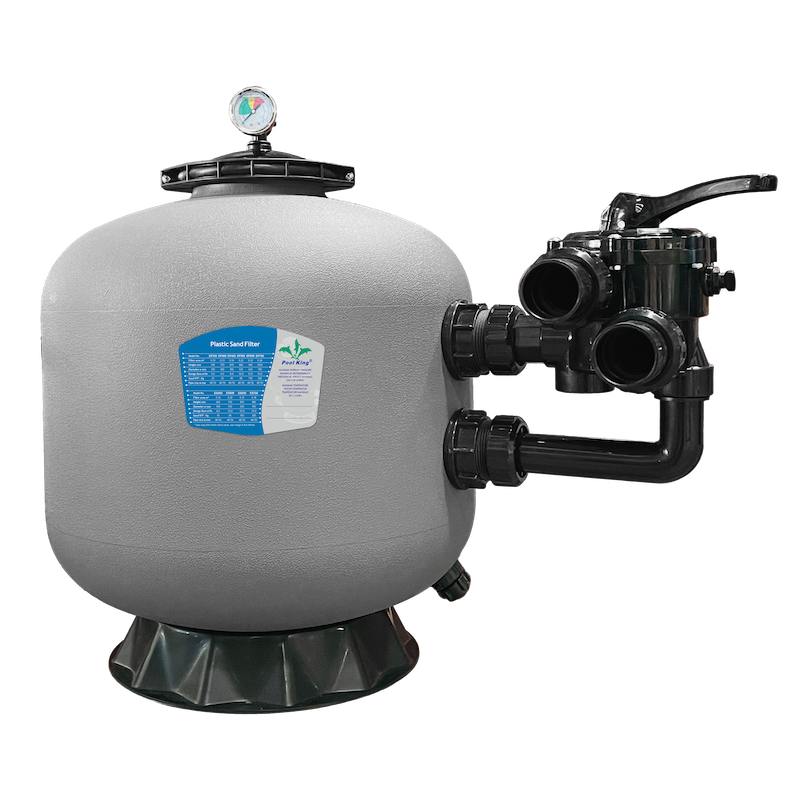
A Bestway sand pool filter system uses a tank filled with special graded sand or filter media and a multiport valve with several positions, such as Filter, Backwash, Rinse, Circulate, and Closed. Instead of frequently replacing the media, you routinely backwash and rinse the sand to remove trapped dirt.
- Switch off the pool filter pump and unplug it from the outlet.
- Confirm that the multiport handle is stable and not under pressure.
- Never move the handle while the pump is running; doing so can damage the internal gasket and cause leaks.
Safe valve handling dramatically extends the life of the sand pool filter.
Backwashing reverses the water flow through the sand bed, flushing dirt out through the waste port.
- With the pump off, press down on the multiport handle and rotate it to the Backwash position.
- Attach a backwash hose to the waste port if your system includes one, directing water away from the pool and foundations.
- Plug in the pump and turn it on.
- Let the pump run in Backwash mode for about 3–5 minutes, or until the water visible in the sight glass or at the end of the hose runs clear.
- Turn the pump off again.
Backwashing is especially important after vacuuming the pool or when your pressure gauge rises well above the clean starting pressure.
Rinsing helps resettle the sand bed and prevent dirty water from flowing back into the pool when you return to normal filtration.
- With the pump off, move the handle from Backwash to Rinse.
- Turn the pump on and run in Rinse mode for about 1 minute.
- Watch the sight glass until the water is clear and free from sand.
- Turn the pump off again before changing the valve position.
This short Rinse step is often forgotten, but it is critical to good water clarity.
- With the pump off, move the handle to Filter.
- Plug in and turn on the pump.
- Check the pressure gauge and note the normal “clean” reading for your system.
For daily operation, leave the sand pool filter in Filter mode. Backwash and rinse only when needed; over‑backwashing can waste water and reduce filtering efficiency.
While sand can last several seasons, it does not last forever. Over time, the sand grains become smooth and rounded, which reduces their ability to trap dirt.
Common signs that your sand needs replacing:
- Cloudy water even when your chemistry is balanced.
- Higher than normal pressure and poor flow, even after a thorough backwash.
- Sand or fine debris returning to the pool from the return jets.
To replace sand in a Bestway sand pool filter:
- Turn off and unplug the pump.
- Move the valve to Closed and disconnect hoses from the filter tank.
- Open the tank (top or side depending on design) and remove the old sand with a scoop or small container.
- Inspect the laterals or collector hub at the bottom of the tank for cracks or damage.
- Refill with the correct grade of pool filter sand or approved filter media (never use play sand or construction sand).
- Follow the standard Backwash and Rinse steps before returning the valve to Filter mode.
Most pool owners replace sand every 3–5 years, but heavy use, algae problems, or improper backwashing can shorten this interval.
Some Bestway sand pool filter models allow the use of Polysphere‑style filter balls instead of sand. These lightweight balls trap debris effectively and are easy to handle.
Key points when using filter balls:
- Do not use the Backwash function; balls can clump or damage internal parts if backwashed aggressively.
- For cleaning, open the tank, remove the filter balls, and hand‑wash them with clean water.
- Squeeze excess water from each ball before placing it back into the tank.
- Replace filter balls if they become heavily stained or lose their shape.
Filter balls reduce the overall weight of the pool filter and can improve flow, but they require manual cleaning instead of automated backwashing.
A simple, consistent schedule keeps your Bestway pool filter in top condition and avoids emergency repairs in the middle of summer.
- Run the pool filter pump for at least several hours every day during the swimming season.
- Skim the surface and remove large debris so it does not overload the pool filter.
- Inspect inlet and outlet strainers and remove leaves, hair, and insects.
- For cartridge pool filters, remove the cartridge and rinse it thoroughly with a hose.
- Check the pump for unusual sounds, vibration, or leaks.
- Deep clean or replace cartridge pool filters, especially during heavy use or after storms.
- Check the condition of the cartridge pleats and plastic end caps.
- For sand pool filters, perform a Backwash and Rinse cycle if the pressure gauge shows a significant increase over the clean baseline.
- For filter ball systems, inspect the media and rinse or replace as needed.
- Inspect hoses, clamps, and O‑rings for cracks or brittle spots and replace if needed.
- At the beginning of the swimming season, start with a clean pool filter, new or thoroughly cleaned media, and a fully primed pump.
- At the end of the season, clean or replace cartridges, do a final backwash on sand pool filters, and winterize the pump and filter according to your climate.
A consistent maintenance habit dramatically improves water quality, reduces chemical costs, and extends the life of your pool filter equipment.
Even with careful maintenance, you may occasionally run into issues with your Bestway pool filter. Here are some typical problems and quick checks you can perform.
- Test and balance pool chemistry (chlorine or bromine levels, pH, alkalinity).
- Check if the pool filter cartridge is clogged or the sand bed is overdue for a backwash.
- Look for bypass paths in the system, such as cracked cartridges or broken laterals in the sand pool filter.
- Clean or replace the pool filter cartridge.
- For sand pool filters, perform a backwash and rinse cycle.
- Check hoses and strainers for blockages such as leaves or toys.
- Inspect for kinked hoses or partially closed valves.
- Examine the lid O‑ring and housing for cracks or dirt that prevent a tight seal.
- Check the suction side hose connections between the pool and the pump.
- Ensure the water level in the pool is high enough to cover the skimmer or inlet.
- Check the multiport valve for damaged gaskets.
- Inspect internal laterals at the bottom of the sand tank for cracks.
- Confirm that you did a proper Rinse step after backwashing.
Solving these common pool filter issues quickly helps keep your Bestway pool inviting and safe.
If you are a brand, distributor, or pool equipment wholesaler, you may want pool filter systems that combine easy maintenance with strong performance and flexible branding.
Key OEM pool filter advantages you can highlight:
- Smart‑machine production for consistent dimensions and reliable sealing in pool filter housings.
- A full range of pool filter types: cartridge, sand, and hybrid systems that suit different market segments and pool sizes.
- Matching pool filter pumps, valves, LED lights, skimmers, and accessories to offer complete kits.
- Customized packaging, manuals, and logos for foreign brands and private‑label lines.
By combining high‑quality pool filter hardware with clear user instructions like those in this guide, you can improve customer satisfaction and reduce after‑sales issues.
Changing a Bestway pool filter is straightforward once you recognize your system type and follow a consistent procedure for shutting down, opening, cleaning or replacing the filter, and restarting the pump. Cartridge pool filters require frequent rinsing and periodic replacement, while sand pool filters rely on regular backwash and rinse cycles plus occasional media changes to maintain strong performance.
With a simple maintenance schedule—daily circulation, weekly cleaning, and monthly deep service—you can keep your pool filter running efficiently and your water crystal clear throughout the swimming season. Whether you are a homeowner or an OEM partner building a pool filter brand, mastering these basic pool filter steps will reduce problems, extend equipment life, and deliver a better swimming experience.
Contact us to get more information!
Most Bestway owners clean their pool filter cartridge at least once a week during the swimming season, and replace it when it remains discolored or stiff even after rinsing. In heavy‑use pools or in very dusty environments, you may need to clean or change the pool filter cartridge every 7–10 days to maintain strong water flow and good clarity.
A pool filter cartridge needs replacement when you see torn or frayed pleats, broken bands around the pleats, or plastic end caps that are cracked or warped. You may also notice that your water stays cloudy and your pump pressure remains high even after cleaning the cartridge, which is a strong sign that the pool filter media has reached the end of its useful life.
For everyday operation, keep the multiport valve on Filter so water is drawn from the pool, pushed through the sand bed, and returned clean to the pool. Only switch to Backwash to clean the sand, Rinse to settle the sand after backwashing, Circulate to bypass the pool filter for special treatments, or Closed when servicing the system and the pump is off.
Many modern Bestway sand pool filter models allow you to use approved filter balls in place of traditional sand, giving you lighter media and easier handling. When using filter balls, you typically clean them by hand‑washing rather than backwashing, and you should always follow the manufacturer's instructions for compatible media and cleaning procedures to avoid damaging the pool filter.
If your pump loses prime or you see air bubbles in the return jets after a pool filter change, the most likely causes are an improperly seated lid, a dirty or damaged O‑ring, or a loose fitting on the suction hose. Carefully clean and inspect the O‑ring, make sure the clamp ring is tightened evenly, and recheck all hose connections; once the air leaks are removed, the pump should hold prime and the pool filter will function normally again.
1. https://bestwayusa.com/media/pdf_files/58496E_1000GAL_Filter_Pump_2018.pdf
2. https://bestwayusa.com/media/pdf_files/58498E_P07218_Sand_Filter_2023.pdf
3. https://bestwayusa.com/blog/what-regular-maintenance-should-be-done-on-a-pool.html
4. https://bestwayusa.com/blog/how-do-i-use-a-sand-filter-pump.html
5. https://www.bestwaystore.co.uk/blogs/all/how-to-maintain-a-bestway-pool
6. https://www.1stdirectpools.com/blog/post/caring-for-your-bestway-pool-a-beginners-guide
7. https://www.youtube.com/watch?v=iK9AHmzmhAY
8. https://www.youtube.com/watch?v=DZDflsibD7o
9. https://www.youtube.com/watch?v=id-zD7fbolE
10. https://www.youtube.com/watch?v=Cw47IAdtyrg


