


Content Menu
● Core Functions of a Pool Pump
>> Heating and Additional Equipment
>> The Basic Operating Principle
>> Key Components of a Pool Pump
● How Long Should a Pool Pump Run Each Day?
>> Scheduling for Cost Savings
● Choosing the Right Pool Pump
>> Matching Pump Size to the Pool
>> Considering Local Energy Costs and Regulations
>> Routine Inspection and Cleaning
>> Handling Noise and Air Problems
>> Winterizing and Long‑Term Protection
● OEM Pool Pump and Filtration Solutions
>> 1. Do I need to run my pool pump all the time?
>> 2. What happens if I do not run my pool pump enough?
>> 3. Is a bigger pool pump always better?
>> 4. How often should I clean my pool pump basket?
>> 5. Are variable‑speed pool pumps worth the investment?
A pool pump is the heart of a swimming pool's circulation system, continuously moving water through the filter, heater, and sanitizing equipment so that the pool stays clean, clear, and safe. When you understand what a pool pump does, how it works, and how to choose the right one, you can design a more efficient and reliable pool system for both residential and commercial use.
We are a professional manufacturer of premium pool filtration systems and pool pumps in China, offering OEM solutions for international brands, wholesalers, and pool equipment producers. This article is written for pool owners, pool builders, and buyers who need a clear, practical guide to pool pump operation and selection.
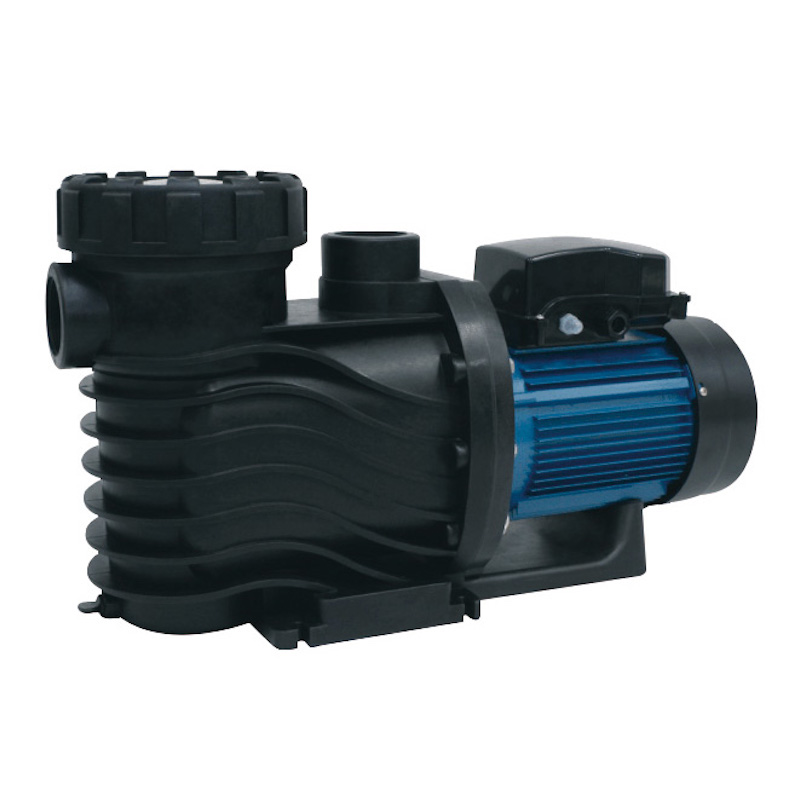
The pool pump keeps water moving so it does not become stagnant or dirty. It pulls water from the pool, pushes it through the filter and other equipment, and returns it to the pool through return jets. Without a properly selected and correctly running pool pump, chemical treatments and filters cannot do their job effectively, and water quality quickly declines.
In a complete circulation system, the pool pump works together with the pool filter (sand filter, cartridge filter, or DE filter), water pump plumbing, optional heater or heat pump, and sanitation units such as chlorinators, salt cells, or UV systems. When every part is matched and sized correctly, the pool pump ensures smooth circulation, stable pressure, and excellent water clarity.
The primary function of a pool pump is to provide steady circulation. The pool pump draws water from skimmers and main drains, passes it through the filtration and treatment system, and returns it to the pool. This circulation prevents “dead zones” in corners or along steps where algae can grow, and keeps the overall water temperature and chemistry more balanced.
As the pool pump runs, return jets create directional flow patterns on the surface and in the deeper areas of the pool. A well‑designed return pattern, supported by a properly sized pool pump, helps sweep floating debris toward the skimmers and keeps fine particles suspended long enough for the filter to capture them.
While the filter removes dirt and contaminants, the pool pump provides the pressure and flow the filter needs to work. In a sand filter system, the pool pump pushes water downward through the sand bed, trapping particles before the water rises back up and returns to the pool. In a cartridge filter or DE filter system, the pump forces water through a pleated or coated surface that captures even finer particles.
If the pool pump is too weak, the filter will not receive enough flow, and the water remains cloudy or unsafe. If the pool pump is too strong, it can cause excessive pressure, channeling in sand filters, or damage to filter elements. This is why correct matching between pool pump and filter is essential.
Every time chemicals such as chlorine, pH adjusters, algaecides, or salt are added to the pool, the pool pump is responsible for spreading them evenly. When the pool pump runs for enough hours at appropriate speed, chemicals distribute throughout the pool volume and maintain a uniform concentration.
Without sufficient pool pump circulation, you may have areas with very high chlorine and other spots with low or almost zero sanitizer. This leads to irritated skin in some areas and algae growth in others. Good circulation from a reliable pool pump prevents these problems and reduces the total amount of chemicals needed.
If the pool includes a heater, heat pump, solar heating system, or water features such as waterfalls, fountains, or spa jets, the pool pump supplies the flow that these components require. Warm water is often drawn from the pool, passed through the heating system, and then returned through dedicated return lines, all driven by the pool pump.
The same pool pump can also serve in systems with salt chlorinators, UV units, or ozone generators. In each case, the pump's job is to move enough water at the right pressure through each piece of equipment so it can perform efficiently without damage.
Before water reaches the impeller, it passes through the pool pump's strainer basket. This basket collects leaves, insects, hair, and other larger debris that would otherwise clog the impeller or block the plumbing. The clear pump lid allows a quick visual check so users know when the basket needs cleaning.
By capturing solid debris early, the pool pump basket reduces the load on the main filter and helps maintain consistent flow. Regular cleaning of this basket is one of the simplest but most important parts of pool pump maintenance.
Most modern pool pumps are centrifugal pumps. Inside the pump housing, an electric motor spins a shaft connected to an impeller. As the impeller rotates, water is drawn into the center of the impeller (the eye) and then flung outward through the vanes by centrifugal force. This action creates low pressure on the suction side and higher pressure on the discharge side.
The pressure difference makes water move continuously from the pool, through the plumbing and filter, and back again. As long as the pool pump is primed (filled with water, without air pockets) and powered, it keeps this cycle going.
The flow path through a typical in‑ground pool system looks like this:
1. Water is drawn from the pool through skimmers and, if installed, a main drain.
2. The water travels through suction pipes and enters the pool pump's inlet.
3. It first passes through the pump basket, where larger debris is trapped.
4. The impeller then accelerates the water, pushing it into the outlet side of the pump.
5. From the pump outlet, water flows into the filter, where fine particles are removed.
6. If present, the water then passes through a heater, heat pump, or solar heating system.
7. The water may also go through a chlorinator or salt cell for sanitizing.
8. Finally, the clean, treated water returns to the pool through return jets.
This loop repeats many times per day while the pool pump operates. Over time, the pool pump ensures that the entire pool volume passes through the filtration system, a process called “turnover.”
Important components of a typical pool pump include:
- Motor: The electric motor provides the rotational power that drives the impeller.
- Impeller: A round component with curved vanes that accelerates water and creates flow.
- Pump housing: The casing that directs water around the impeller and toward the outlet.
- Strainer basket and lid: The pre‑filter chamber that traps large debris and protects internal parts.
- Seals and O‑rings: Critical sealing elements that prevent leaks and stop air from entering the system.
- Drain plugs: Small openings that allow the pump housing to be drained for winterizing or storage.
When all these parts are in good condition, the pool pump runs quietly and efficiently, with steady pressure and minimal vibration.
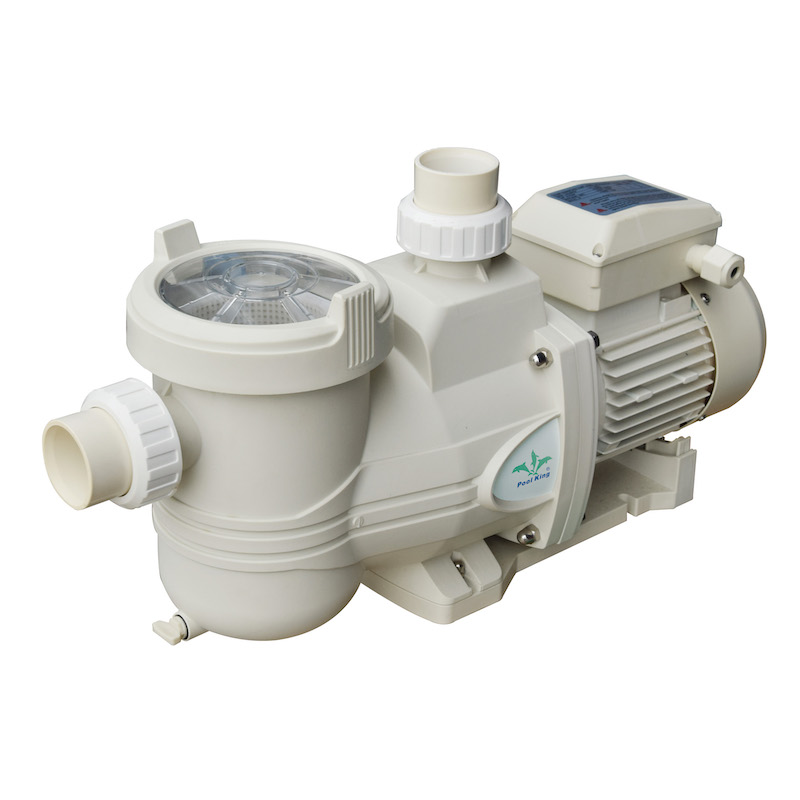
A single‑speed pool pump runs at one constant speed whenever it is turned on. It is simple, durable, and usually the least expensive option at the time of purchase. Many older pools still operate with this type of pool pump.
However, because it always runs at full speed, a single‑speed pool pump often consumes more energy than necessary for daily filtration. In regions with higher electricity prices or stricter energy regulations, many pool owners have upgraded from single‑speed pumps to more efficient models.
A two‑speed pool pump offers two operating speeds: low and high. Low speed is used for everyday filtration and circulation, while high speed is reserved for tasks that need stronger flow, such as vacuuming, running spa jets, or backwashing a sand filter.
By running primarily on low speed, a two‑speed pool pump can cut energy usage compared with a single‑speed pump. However, the control options are still limited, and the efficiency gains are smaller than those of a fully variable‑speed pool pump.
A variable‑speed pool pump uses a more advanced motor and electronics, allowing it to run at many different speeds. Owners or installers can program different speed settings for filtration, heating, water features, and cleaning cycles.
Running a variable‑speed pool pump at lower speeds for longer periods often delivers the same or better water quality while using far less electricity. This type of pool pump also tends to operate more quietly and can prolong equipment life because the motor runs cooler and experiences less stress.
The key idea behind pool pump run time is turnover. A full turnover happens when a volume of water equal to the entire pool volume passes through the filtration system one time. Many professionals recommend at least one full turnover per day for good residential pool water quality.
The number of hours your pool pump must run to achieve one turnover depends on pool size and pump flow rate. Larger pools or smaller pool pumps generally require more hours. Variable‑speed pool pumps may run longer hours at lower speeds but still use less energy than a high‑speed single‑speed pump.
For many residential pools, it is common to run the pool pump between 6 and 12 hours per day, adjusting based on water clarity, weather, and usage. In hot summer months, heavy bather load or strong sunlight may require longer run times to keep algae under control. In cooler seasons with lower use, run time can often be reduced.
A good strategy is to start with a moderate schedule, then observe the water for a week or two. If the water remains clear and balanced, you may be able to reduce run time slightly. If it turns cloudy or green, increase the pool pump's operating hours and check the filtration and chemical balance.
If possible, schedule your pool pump to run during off‑peak electricity hours to reduce operating costs. Using a built‑in timer or an external control system, you can split the total run time into several blocks throughout the day to maintain steady circulation.
When using a variable‑speed pool pump, consider running it for a longer period at a lower speed to maximize efficiency and allow the filter to work more effectively. Lower speeds usually create less friction loss in the plumbing and improve overall system performance.
The right pool pump is not always the largest or most powerful one. Oversizing a pool pump may cause excessive flow, noisy operation, and unnecessary energy consumption. Undersizing can lead to poor circulation, difficult water balancing, and extra strain on the motor as it runs for very long hours.
To choose an appropriate pool pump, you should consider pool volume, the desired turnover time, filter size and type, and plumbing resistance (including pipe length, number of fittings, and height differences). Professional pump curves and system head calculations can help determine the most efficient operating point.
In many regions, energy efficiency regulations or building codes now encourage or require the use of high‑efficiency or variable‑speed pool pumps for new installations and major renovations. Even where it is not mandatory, rising electricity prices make an efficient pool pump a smart investment.
When selecting a pool pump, check regional rebate programs or energy‑saving incentives that may reduce the initial cost of advanced models. Over the life of the pool, reduced electricity bills often offset the higher purchase price of a premium variable‑speed pool pump.
Modern pool pumps often offer extra features such as digital controls, built‑in timers, speed programming, and communication with smart pool controllers. For pool owners and facility managers who want convenient remote monitoring or integration with other pool equipment, these features can be very valuable.
If you are designing a complete system with a sand filter, pool pump, heater, and accessories, choose products that integrate smoothly and support your preferred level of automation. Our factory supplies OEM pool pumps and filtration systems that can be customized to suit different regional standards and control platforms.
Regular maintenance helps your pool pump run efficiently and last longer. At least once a week during the swimming season, check and clean the pump basket to remove leaves and debris. Also inspect the pump lid O‑ring to ensure it is clean, undamaged, and properly lubricated to maintain a good seal.
Monitoring the filter pressure gauge is another important task. As the filter traps more dirt, the pressure will rise. When the pressure increases above the normal clean level, it is time to backwash a sand or DE filter or clean a cartridge filter. Keeping the filter clean reduces the strain on the pool pump and improves overall circulation.
If the pool pump becomes noisy, starts to rattle, or loses prime (fails to stay full of water), check for air leaks on the suction side, low water level in the pool, clogged baskets, or blocked lines. Many pump problems begin with small issues such as a cracked lid, worn O‑ring, or loose fittings that allow air into the system.
Addressing these signs early can prevent more serious damage such as overheated motors or worn mechanical seals. For complex issues, it is often best to consult a professional technician or installer.
In regions with freezing temperatures, winterizing the pool pump and plumbing is essential. Before the first hard freeze, the pump and filter system should be drained, and lines should be cleared of water or filled with suitable pool antifreeze according to local practice.
Proper winterizing protects the pump housing, fittings, and internal parts from cracking. In warmer climates where pools remain open year‑round, it is still important to protect the pool pump from heavy rain, direct sunlight, and flooding through appropriate equipment pads and covers.
For international brands, wholesalers, and pool equipment manufacturers, working with a specialized factory offers significant advantages. You can integrate pool pumps, sand filters, DE filters, cartridge filters, LED lights, and accessories into a complete package under your own brand identity.
Our production lines use intelligent machinery and strict quality control to manufacture reliable pool pumps and filtration systems. We can support private labeling, customized casings, matched pump‑filter sets, and tailored performance curves to suit specific markets. With coordinated design of pool pump, filter tank, and auxiliary components, you can provide end customers with systems that are easier to install, operate, and maintain.
A pool pump is far more than a simple motor and housing. It is the central component that keeps water moving through filters, heaters, and sanitizing devices so that the pool remains clean, clear, and inviting. By providing circulation, filtration support, and chemical distribution, the pool pump protects both swimmers and equipment.
Choosing the right type of pool pump, sizing it correctly, and running it for the appropriate number of hours per day are the keys to efficient pool operation. Variable‑speed pool pumps especially help reduce energy consumption while maintaining excellent water quality. Regular maintenance tasks, such as cleaning baskets, checking seals, and monitoring filter pressure, keep the pump in good condition for many years.
Whether you manage a residential backyard pool or a commercial facility, a well‑designed circulation system built around a high‑quality pool pump is essential. For overseas brands and wholesalers, partnering with a professional OEM manufacturer of pool pumps and filtration equipment allows you to deliver complete, high‑performance solutions that meet the expectations of modern pool owners.
Contact us to get more information!
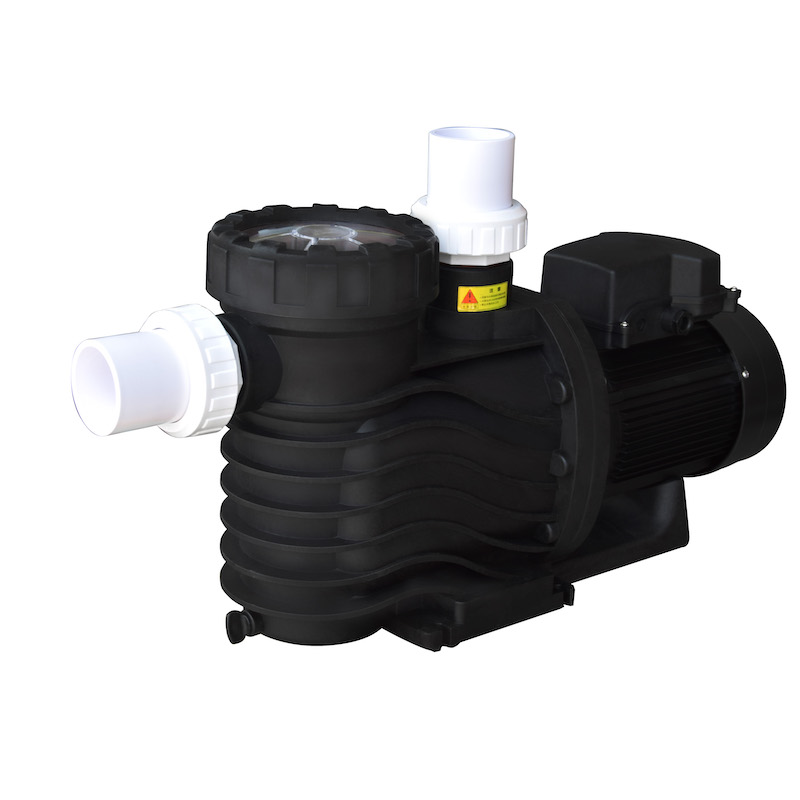
You normally do not need to run the pool pump 24 hours a day. Most pools only require enough pump run time to achieve at least one full turnover of the pool water every 24 hours. For many residential pools, this works out to roughly 6–12 hours per day, adjusted according to climate, pool size, and usage.
If your pool pump does not run long enough, water will not pass through the filter and sanitizing system often enough. Over time, this can lead to cloudy water, algae growth, and uneven chemical levels. You may find yourself adding more chemicals and spending more time correcting water problems that could have been prevented by proper circulation.
A bigger pool pump is not always better. An oversized pump can create unnecessarily high flow rates, causing noise, higher energy bills, and extra stress on filters and heaters. The best pool pump is one that matches your pool volume, plumbing layout, and filter capacity so you achieve good turnover and clear water without wasting power.
You should check and clean your pool pump basket regularly, especially during the main swimming season or when trees and plants drop a lot of leaves and debris. In many backyards, this means at least once a week. A clean basket maintains proper flow and protects the impeller and motor from blockage and damage.
Variable‑speed pool pumps usually cost more at the time of purchase, but they are designed to be much more efficient than single‑speed models. By running at lower speeds for routine filtration, they can significantly reduce electricity consumption and often pay for themselves over a few seasons. They are also quieter, more flexible in operation, and can extend the life of other pool equipment.
1. https://www.pentair.com/en-us/education-support/water-education-center/pool-and-spa-education/pool-pump-information-guide.html
2. https://www.swimuniversity.com/pool-pumps-101/
3. https://bluepoolsms.com/pool-equipment/pool-pump-guide/
4. https://mrpoolman.com.au/blogs/news/how-long-should-i-run-my-pool-pump-every-day
5. https://www.lesliespool.com/blog/benefits-of-variable-speed-pool-pumps.html
6. https://www.1stdirectpools.com/blog/post/when-run-pool-pump-ultimate-guide
7. https://poolicons.com/pool-maintenance/complete-beginners-guide-to-pool-pump-operation/
8. https://cleanenergyconnection.org/article/variable-speed-pool-pumps-really-do-save-you-money-heres-how
9. https://fronheiser.com/what-exactly-does-a-pool-pump-do/


