
Views: 222 Author: Tina Publish Time: 2026-01-29 Origin: Site


Content Menu
● What a Pool Pump Does and Why It Matters
● Safety First Before Installing a Pool Pump
● Planning the Ideal Location for Your Pool Pump
● Tools and Materials You Need
● Understanding Pool Pump Flow and Plumbing Layout
● Step‑by‑Step Guide – How to Hook Up a Swimming Pool Pump
>> Step 1 – Position and Level the Pool Pump
>> Step 2 – Dry Fit All Plumbing
>> Step 3 – Glue and Seal the Connections
>> Step 4 – Wiring the Pool Pump Correctly
>> Step 5 – Prime the Pool Pump and Start Up
● Fine‑Tuning Flow and Circulation for Better Performance
● Common Mistakes to Avoid When Hooking Up a Pool Pump
● Troubleshooting Basic Pool Pump Issues After Installation
● Simple Maintenance Tips to Protect Your Pool Pump
● How Helpful Visual Demonstrations Support Pool Pump Installation
● FAQ – How to Hook Up a Swimming Pool Pump
>> 1. How do I choose the right size pool pump?
>> 2. Can I install a pool pump myself, or do I need a professional?
>> 3. Why does my new pool pump lose prime after a few minutes?
>> 4. How close should the pool pump be to the pool?
>> 5. What valves and fittings are most useful when installing a pool pump?
Hooking up a swimming pool pump becomes much easier when you follow a clear, structured plan and understand how the whole circulation system works. This complete guide shows you how to position, connect, wire, prime, and maintain a pool pump so your pool water stays clean, safe, and inviting.
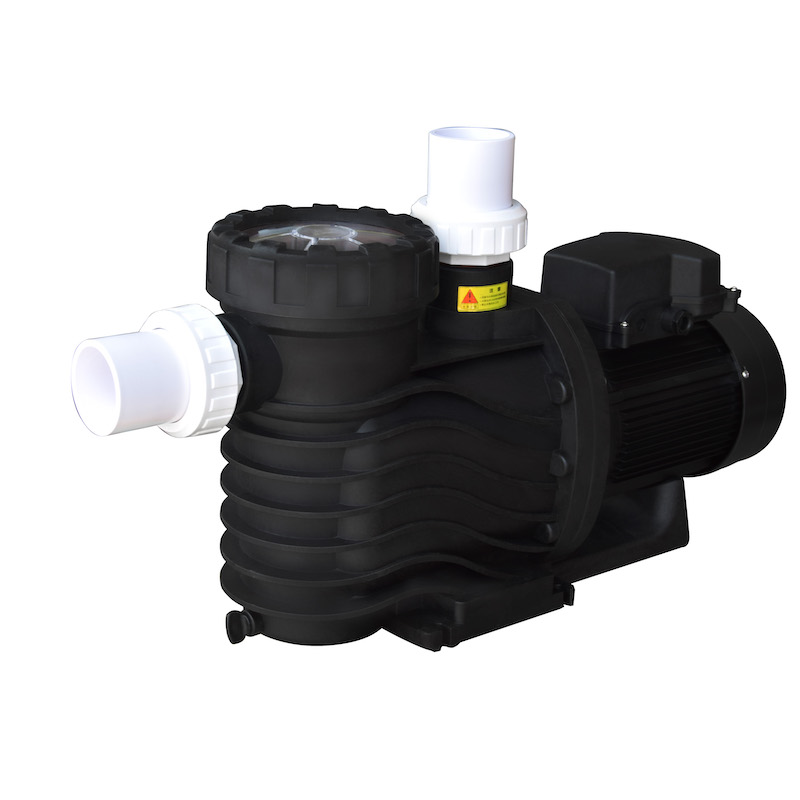
A pool pump is the heart of the circulation system, pulling water from the pool, pushing it through the filter, and sending clean water back into the pool. When the pool pump runs correctly, it keeps the water moving so debris gets trapped in the filter, chemicals distribute evenly, and algae growth is reduced.
If the pool pump is undersized, poorly installed, or not running long enough, dead zones of still water can appear in corners, steps, and shallow areas. Over time, this leads to cloudy water, staining, or the need for heavier chemical treatment. Choosing the right pool pump size and connecting it properly helps you maintain clear water with less effort and lower running cost.
A properly installed pool pump also protects other equipment such as heaters, chlorinators, and saltwater systems. Stable water flow allows these devices to work within their design range, which extends their service life and reduces the risk of breakdowns.
Before you start any physical work, think safety. You are dealing with electricity, pressurized water, and wet outdoor environments, so rushing pool pump installation is never a good idea.
Always switch off the power at the main breaker that feeds the pool equipment area, and confirm the circuit is dead using a suitable testing tool. Avoid working in wet conditions or standing water around the equipment pad when handling tools or wiring. Keep children and pets away from the workspace while you install or service the pool pump.
Local electrical codes often require that pool pump wiring be protected by suitable breakers and ground fault protection, and in many regions, certain work must be carried out or at least inspected by a licensed electrician. If you are not confident with electrical work or are unsure of your local regulations, plan from the start to let a professional handle wiring and final checks for the pool pump.
Good placement makes your pool pump quieter, more efficient, and easier to maintain. Ideally, the pool pump should sit on a solid, level base such as a concrete pad or prefabricated equipment slab. This prevents vibration from loosening fittings and helps water drain away instead of pooling under the motor.
Try to position the pool pump close to the pool and filter, so the suction line from the skimmer and main drain remains as short and straight as possible. The longer and more twisted the piping to your pool pump, the more resistance it faces, which means the pump has to work harder to move the same amount of water.
Whenever possible, keep the pool pump slightly below or near the water level. This helps with priming, especially on larger systems or with sand filters. However, avoid locations prone to flooding, heavy roof runoff, or areas where lawn irrigation sprays directly on the motor and electrical connections. Also plan enough free space around the pool pump for removing the lid, cleaning the basket, and disconnecting unions or valves during maintenance.
Gather everything before you start connecting the pool pump, so you do not end up with half‑glued pipes and missing fittings. For a standard installation, you typically need:
- Pool pump sized correctly for your pool volume and filter capacity.
- PVC or flex pipes rated for pressure, matching or exceeding the pump port size.
- Fittings such as elbows and couplers, plus valves on suction and return lines as needed.
- Union fittings for both the suction and discharge side of the pool pump to allow easy removal.
- PVC primer (if required) and PVC solvent cement for permanent joints.
- PTFE tape or thread sealant for threaded adapters and pump ports.
- A level, tape measure, marker, and PVC cutter or saw.
- Screwdrivers, pliers, and adjustable wrenches.
- Appropriate electrical supplies if you are allowed and competent to connect the wiring.
Having a complete kit lets you complete the pool pump installation in one go and reduces the risk of leaks caused by rushing or reusing old, worn fittings.
Before you cut any pipe, take time to understand how water moves through your system. A typical layout has:
- Suction lines from skimmers and main drains leading to the pool pump inlet.
- Discharge from the pool pump to the filter inlet.
- Flow from the filter outlet to heaters, chlorinators, or other equipment.
- Return lines back to the pool inlets or jets.
Most pool pumps mark the inlet and outlet clearly on the housing. Make sure all plumbing follows this direction and do not cross suction and return lines. Use as few sharp 90‑degree elbows as possible on the suction side, and consider long‑radius fittings where available to reduce resistance.
If you have multiple skimmers or a combination of skimmers and a main drain, a suction manifold with valves allows you to balance how much water each line supplies to the pool pump. This can improve skimming performance and make it easier to troubleshoot any line if problems appear later.
Planning a logical, tidy layout on the equipment pad also helps with future upgrades, such as adding a heater, salt system, or additional valves. Leave some space on the pad and avoid stacking fittings too close together, which can create weak joints or make repairs difficult.
Set the pool pump on your chosen base and check it with a level. Adjust with shims if necessary so the pump sits flat and stable. A level pool pump reduces stress on the internal components and prevents strain on the connected plumbing.
Make sure the motor vents have enough clearance for air circulation and that there is room to remove the strainer lid easily. Confirm that the pump orientation suits your piping plan, with the inlet facing the suction lines and the outlet lined up with the filter.
Dry fitting means assembling the entire plumbing system without glue, so you can test the fit and alignment. Begin with the suction side: connect the pipe from the skimmer and main drain manifold to the pool pump inlet, including valves and unions. Then move to the discharge side, connecting the pool pump outlet to the filter and onward to any heaters and return lines.
Press each joint together by hand and check that pipes are straight, supported, and not under tension. Look for sections where a slight adjustment in length, angle, or height of the pool pump would reduce stress or remove an unnecessary bend. Take notes or mark each joint so you can reassemble easily when gluing.
Once satisfied with the dry fit, disassemble small sections at a time to glue the joints permanently. Clean pipe ends and fitting sockets, then apply primer if your local code or cement type requires it. Apply a thin, even layer of PVC cement to both mating surfaces, push the pipe fully into the fitting, and give it a small twist to seat the joint firmly.
For threaded connections into the pool pump and other equipment, wrap PTFE tape in the direction of the threads, starting a couple of threads back from the end. Screw the fitting into the port by hand, then tighten with a wrench until snug, avoiding excessive force that might crack plastic housings.
Work methodically across all suction and discharge connections. Support longer runs of pipe with brackets or resting points so the weight of the plumbing does not hang entirely from the pool pump ports. Allow the recommended cure time for the PVC cement before pressurizing the system.
Wiring must match the pool pump rating and local code. Many modern pool pumps are dual‑voltage and include a wiring diagram on the motor label or inside the electrical cover. Determine whether your system uses 115 volts or 230 volts and set the internal selector or jumpers as required.
Turn off the breaker and remove the electrical cover on the pool pump motor. Route the correct gauge cable through an approved conduit and strain relief fitting into the motor housing. Connect the hot wires, neutral (if used), and ground to the appropriate terminals as indicated, ensuring all screws are tight and no bare copper is exposed outside the terminals.
Bonding is also important for pool safety. Most pool pumps have a bonding lug that must connect to the equipotential bonding grid for the overall pool structure. Once all wiring is complete, replace the cover securely. If any step of this process feels uncertain, stop and call a qualified electrician to finish or verify the work.
When all plumbing and wiring are complete and cured, you are ready to prime the pool pump and run it for the first time. Make sure the pool water level is at least halfway up the skimmer openings so the skimmer does not suck in air. Open all suction and return valves fully.
Remove the strainer lid on the pool pump and fill the housing with water from a hose or bucket until it is full. Check the lid O‑ring for dirt or damage, lubricate it lightly if recommended, then reinstall the lid securely. Confirm that the filter multiport or valve is set to the proper position, usually “filter” for normal operation.
Switch on the breaker and then the pool pump. Watch through the clear lid as air is purged and water flow becomes steady. Initially you may hear some air moving through the system and see bubbles at the pool returns, but these should clear within a few minutes. If the pool pump does not catch prime or quickly loses it, turn off the power and troubleshoot before trying again.
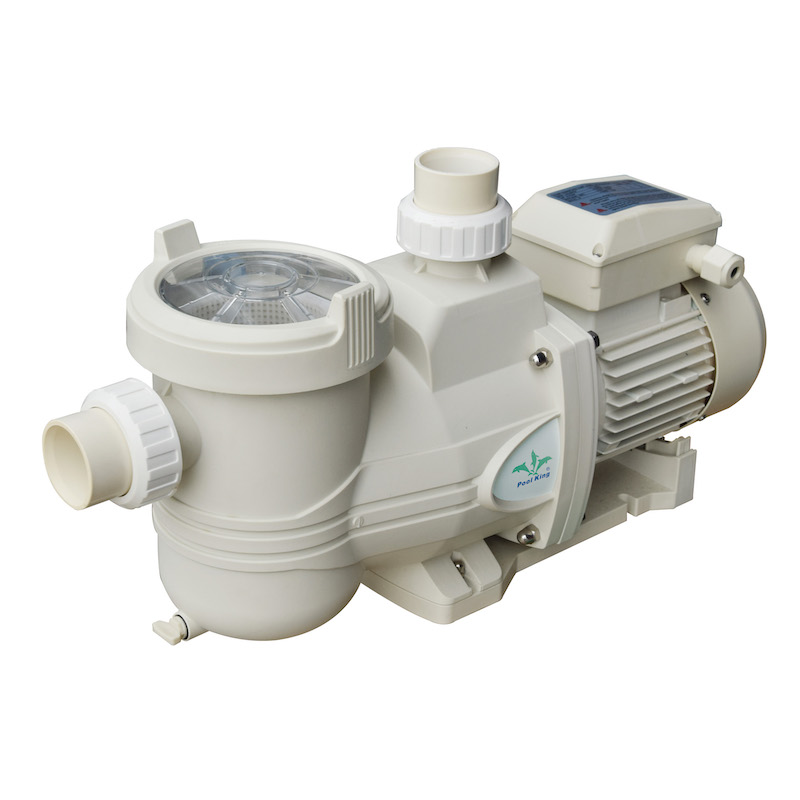
Once the pool pump is running reliably, you can fine‑tune the system to improve circulation and efficiency. Start by checking the pressure gauge on the filter. Compare the reading to the clean starting pressure recommended by the manufacturer or noted after a fresh backwash or cartridge clean. If pressure is too high, you may have restrictions or a dirty filter; if very low, there could be air leaks or partially closed valves.
Adjust suction valves so that skimmers pull enough surface debris without starving the main drain of flow. If your pool has multiple return jets, aim them to create a gentle circular pattern that pushes floating debris toward the skimmer. This supports the work your pool pump is doing and stops water from stagnating in corners or steps.
For energy savings, consider using a variable speed pool pump and programming different speeds for filtering, heating, and running water features. Lower speeds often provide adequate circulation with much less power usage, as long as the pool pump runs for a longer period each day. Track your water clarity, chemical balance, and power bills to find a good balance.
Even with good equipment, certain mistakes can reduce the performance or lifespan of your pool pump. Try to avoid:
- Oversizing or undersizing the pool pump relative to the pool and filter.
- Mounting the pool pump on unstable or uneven bases, leading to vibration and stress cracks.
- Using too many tight elbows or undersized pipe on the suction side.
- Skipping unions, making it difficult to remove the pool pump for service or winterization.
- Failing to provide proper bonding and grounding for electrical safety.
- Ignoring small leaks or air bubbles at the returns after startup.
Checking your installation against these points helps you catch problems early. Many of these issues are easy to fix during installation but become time‑consuming once the pad is crowded with additional equipment.
After hooking up a pool pump, you might still face minor issues. Here are some common symptoms and quick checks:
- Pool pump will not start: Confirm the breaker is on, the timer (if present) is correctly set, and the motor receives the proper voltage. Listen for humming or clicking that might indicate a seized motor or capacitor issue.
- Pool pump will not prime: Check that the strainer housing is full of water, the lid O‑ring is clean and intact, and water level in the pool is high enough. Inspect suction fittings, valves, and unions for air leaks, and make sure all valves are open to allow water to reach the pump.
- Low flow or weak returns: Clean baskets and filter media, verify that valves are correctly positioned, and inspect for partial blockages in skimmers or suction lines. Check for excessive restrictions or collapsed hoses on above‑ground pool setups.
- Noisy operation: Rattling may indicate loose mounting hardware or pipes, while grinding or screeching can signal internal bearing problems. Air in the system can also cause gurgling or cavitation noises, so watch for persistent bubbles at the returns.
If these steps do not solve the issue, consult a pool professional or the pool pump manufacturer's support to avoid causing further damage through repeated trial and error.
A small amount of regular care will help your pool pump last for many years. Make the following tasks part of your ongoing routine:
- Empty the pump basket regularly, especially during heavy leaf fall or after storms.
- Check around and under the pool pump for damp spots that could signal slow leaks.
- Inspect the clear lid and O‑ring for cracks, dirt, or flattening, and replace worn parts.
- Monitor filter pressure and clean or backwash the filter as recommended so the pool pump does not work against constant high resistance.
- Keep landscaping, mulch, and storage items away from the motor vents to allow proper cooling.
Consistent maintenance not only protects the pool pump but also helps maintain overall water quality and reduces chemical costs.
While written instructions are essential, visual demonstrations make the process more intuitive. Step‑by‑step videos showing real‑world pool equipment pads, plumbing layouts, and connections can clarify where each pipe should run and how fittings should look when correctly installed.
Tutorials that focus on specific tasks, such as wrapping PTFE tape, tightening threaded adapters, or priming a stubborn pool pump, give homeowners extra confidence. Longer walk‑throughs that cover the full installation process from old pump removal to final testing help set expectations and highlight common pitfalls. Combining such visual learning with a detailed written guide like this one leads to safer, cleaner, and more reliable pool pump setups.
A properly hooked‑up pool pump is the foundation of a healthy swimming pool, delivering clear, comfortable water with less work and lower long‑term costs. By planning the equipment layout, sizing the pool pump correctly, and using sound plumbing techniques, you ensure smooth water flow from the pool to the pump, through the filter and heating equipment, and back again.
Taking the time to wire the pool pump safely, prime it correctly, and check for leaks or unusual noises during the first run prevents many common problems. Once the system is stable, fine‑tuning valve positions and return jet angles gives you better circulation and more effective chemical use. With basic ongoing maintenance, your pool pump will keep the water moving, protect your investment in other equipment, and help you enjoy a clean, sparkling pool season after season.
Contact us to get more information!
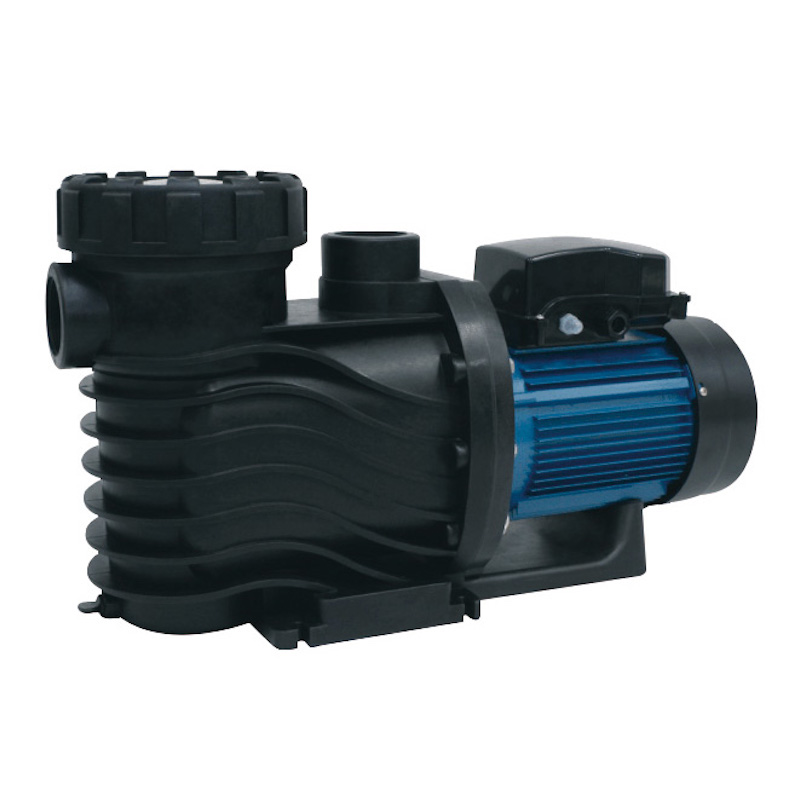
Start by calculating your pool's volume in liters or gallons and decide how quickly you want a full turnover, often around one turnover every eight hours. Use this to determine the required flow rate in liters or gallons per minute. Then compare those numbers with the flow curves and recommendations for different pool pump models and your specific filter, making sure the pump can deliver the needed flow without exceeding the filter's maximum pressure or flow rating.
Many pool owners can handle the plumbing side of installing a pool pump if they are comfortable cutting and gluing PVC and following clear instructions. However, electrical work around water involves strict safety rules and building codes. A licensed electrician can ensure the wiring, grounding, and bonding meet local requirements and manufacturer recommendations, which protects both your safety and your pool pump warranty.
When a pool pump loses prime, it usually means air is entering the suction side or water cannot reach the pump consistently. Common causes include a low pool water level, a cracked or dirty lid O‑ring, loose unions, or partially closed valves. Check that the strainer housing is fully filled before start‑up, inspect each suction fitting carefully, and make sure there are no blockages in the skimmer, main drain line, or suction cleaner hose if one is attached.
The pool pump should be close enough to keep suction lines short and fairly straight, which makes priming easier and reduces friction loss. At the same time, it needs to be in a safe, ventilated area on a stable base, ideally slightly away from living spaces to limit noise. Many installations place the equipment pad a short distance from the pool edge, in a spot that balances easy access, good drainage, and convenient routing of pipes and electrical connections.
Unions on both the inlet and outlet of the pool pump are extremely useful because they allow you to remove the pump without cutting pipe. Shut‑off valves on the suction and return lines let you isolate parts of the system for maintenance or winterization. Non‑return (check) valves may be appropriate in some layouts to help the pool pump maintain prime and to protect heaters or chlorinators from reverse flow. Using quality, pressure‑rated fittings and valves from the start will make operation smoother and maintenance easier for years.
1. https://www.youtube.com/watch?v=vtYcjDx6zEA
2. https://www.waterpump.co.uk/blog/connect-your-pool-pump-in-six-easy-steps
3. https://www.youtube.com/watch?v=5kZoI73LTfg
4. https://www.youtube.com/watch?v=6aeIa2oR-m4
5. https://poolpartstogo.com/blogs/articles/step-by-step-guide-installing-a-pool-pump-and-ensuring-proper-circulation
6. https://complianceandconsulting.com.au/pool-pump-safety-compliance-a-comprehensive-guide/
7. https://moranawaterdesign.com/connecting-a-pool-pump-mistakes-to-avoid/
8. https://www.poolsfactory.eu/en/how-to-properly-connect-a-pool-pump-practical-guide/
9. https://parkinelectric.com/essential-steps-for-safe-pool-pump-wiring-installation/
10. https://www.xtremepoolsca.com/solutions-pool-pump-installation-problems
11. https://www.youtube.com/watch?v=rxWCW3id0w8
12. https://mrpoolman.com.au/blogs/news/how-to-install-and-prime-a-pool-pump
13. https://www.spcrepairs.com/uncategorized/top-5-pool-equipment-installation-mistakes-and-how-to-avoid-them/
14. https://www.swimmingpool.com.sg/articles/maintaining-your-pool-pump-a-step-by-step-guide.html
15. https://www.poolwarehouse.com/articles/pool-plumbing-101-the-ultimate-guide-to-routing-your-pools-plumbing-and-pad/
16. https://aquaclearpoolcare.com/why-wont-my-pool-pump-prime/
17. https://www.bluescience.com/swimming-pools/posts/what-to-do-if-your-pump-will-not-prime/
18. https://intheswim.com/eguides/plumbing-schematics.html
19. https://www.poolsuppliescanada.ca/designing-and-planning-pool-plumbing.html


