


Content Menu
● Why Cleaning Your Pool Ladder Matters
● Safety Checks Before You Clean Your Pool Ladder
● Tools and Materials You Need
● Step‑by‑Step: Routine Cleaning on the Pool Ladder
>> Step 1: Rinse the Pool Ladder Thoroughly
>> Step 2: Apply Mild Cleaner to the Pool Ladder
>> Step 3: Scrub Joints and Hardware on the Pool Ladder
>> Step 4: Rinse Off Soap From the Pool Ladder
>> Step 5: Dry and Inspect the Pool Ladder
● Deep Cleaning: Removing Scale and Stains on the Pool Ladder
>> Using Vinegar for Scale on the Pool Ladder
>> Using a Scale Remover on the Pool Ladder
● Dealing With Rust and Corrosion on the Pool Ladder
>> Spot‑Treating Rust on the Pool Ladder
>> When to Replace a Rusty Pool Ladder
● Removing and Cleaning the Pool Ladder Outside the Pool
>> How to Safely Remove the Pool Ladder
>> Cleaning the Underside of the Pool Ladder
● Protecting Your Pool Ladder After Cleaning
● How Often Should You Clean Your Pool Ladder?
● Water Chemistry and Its Effect on the Pool Ladder
● Seasonal Maintenance Tips for the Pool Ladder
● When to Upgrade Your Pool Ladder
● Professional Maintenance and OEM Pool Ladder Options
● FAQ About Cleaning a Pool Ladder
>> 1. How often should I clean my pool ladder?
>> 2. Can I use household bleach on my pool ladder?
>> 3. What is the best way to remove rust from a metal pool ladder?
>> 4. Do I need to remove the pool ladder from the pool to clean it?
>> 5. How can I prevent future stains on my pool ladder?
Keeping your pool ladder clean is essential for swimmer safety, comfort, and the professional look of your pool area. A neglected pool ladder quickly becomes slippery, stained, and even corroded, which can lead to accidents and expensive replacements.
A clear cleaning routine helps every pool owner, hotel, or facility manager maintain a safe, stable pool ladder with minimal effort. In this guide, you will learn exactly how to clean, inspect, protect, and maintain a pool ladder so it stays strong and attractive season after season.

A dirty pool ladder can develop a slick film of body oils, sunscreen, and algae that makes each step unsafe for bare, wet feet. Regular cleaning of the pool ladder also controls rust, scale, and discoloration so the ladder stays strong and visually appealing for years.
- A clean pool ladder provides better grip and reduces slip risks.
- Removing deposits from the pool ladder limits metal corrosion and plastic aging.
- A shiny, well‑maintained pool ladder helps your pool look like a premium installation.
Neglecting the pool ladder is not just a cosmetic problem. Over time, dirt, scale, and rust can damage welds and joints, making the pool ladder unstable and unsafe for everyday use.
Before touching the pool ladder, confirm that your cleaning plan is safe for both people and pool surfaces. Always put safety first, especially if you will remove the pool ladder from the pool or work near deep water.
- Inspect the pool ladder for cracks, sharp edges, or loose treads.
- Check that all bolts and anchors holding the pool ladder are tight and stable.
- Turn off any nearby electrical equipment and lighting if you will be climbing in and out around the pool ladder.
- Make sure no one is using the pool while you are working on the pool ladder.
If the pool ladder is severely rusted, structurally bent, or wobbling even after tightening, plan for repair or replacement instead of just basic cleaning. Safety is more important than reusing an old pool ladder that has reached the end of its life.
Gather your tools before you start so the entire pool ladder cleaning process is smooth and efficient.
- Soft nylon brush or sponge for the pool ladder rails and steps.
- Non‑abrasive cleaner or mild dish soap for routine pool ladder washing.
- Plastic scraper or old credit card for scale on the pool ladder.
- White vinegar or a dedicated scale remover for hard water stains on the pool ladder.
- Rust remover suitable for stainless steel or metal pool ladder parts (if needed).
- Microfiber cloths for drying and polishing the pool ladder.
- Bucket, hose, and protective gloves.
- Optional: baking soda, lemon juice, stainless steel polish, or protective wax for metal parts of the pool ladder.
Having a complete kit ready makes every future pool ladder cleaning job faster and more professional.
This section covers a standard light‑to‑moderate cleaning routine that most pool owners should perform regularly during the swimming season.
Use a hose or a bucket of clean water to rinse the entire pool ladder, from top handrails to the bottom step. Focus on joints and hardware where dirt and fine grit often collect on the pool ladder.
Rinsing first removes loose dust, sand, and small debris so they do not scratch the surface of the pool ladder during scrubbing. If possible, rinse both the front and back of each step, as well as the inside faces of the pool ladder rails.
Mix mild dish soap with warm water in a bucket, then dip your soft brush or sponge into the solution and gently scrub the pool ladder. Pay attention to:
- The top of the pool ladder where hands leave sunscreen and sweat.
- The treads of the pool ladder where feet leave body oils, dirt, and small stones.
- The underside of each step on the pool ladder where algae and scale like to hide.
Avoid steel wool or aggressive scouring pads, because they can scratch the finish on the pool ladder and make future staining worse. Gentle pressure is usually enough to remove fresh dirt from the pool ladder.
Many stains begin around bolts, nuts, and anchor points on the pool ladder. Use a smaller brush, such as a toothbrush, to reach tight corners around the pool ladder brackets, escutcheon plates, and mounting flanges.
Removing dirt from these areas helps stop rust and scale from spreading along the pool ladder. Take your time on each joint, because these are the spots that most often fail first if the pool ladder is neglected.
Rinse the entire pool ladder again until no foam or cleaner remains. Any leftover detergent on the pool ladder can mix with pool chemistry and cause cloudiness or slight irritation for swimmers.
Make sure you rinse inside corners and hardware where cleaner can hide. If your pool ladder is partially above water, rinse both the dry zone and the waterline zone thoroughly.
Use microfiber cloths to dry exposed parts of the pool ladder, especially above the waterline. As you dry the pool ladder, check for small rust spots, pitting, or discoloration so you can plan a deeper cleaning if necessary.
Drying helps prevent water spots and slows down corrosion on metal surfaces of the pool ladder. It also gives you a closer look at the condition of welds, joints, and step surfaces.
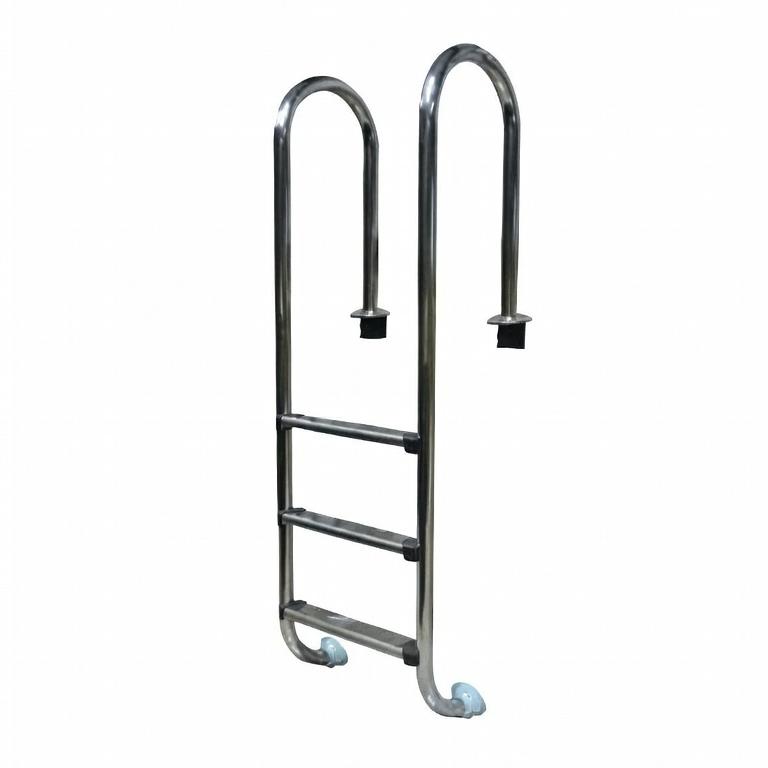
If your pool ladder shows cloudy white scale, brown stains, or rough deposits, you need a deeper cleaning routine. Scale usually appears around the waterline of the pool ladder where evaporation and mineral buildup are strongest.
- Soak a cloth in white vinegar and wrap it around the stained section of the pool ladder.
- Leave it in place for 10–20 minutes to soften the deposits on the pool ladder.
- Remove the cloth and scrub gently with a soft brush.
- Rinse the pool ladder thoroughly and feel for remaining roughness.
Repeat the process on heavy scale spots until the pool ladder surface feels smooth. Vinegar is mild yet effective, making it a good first choice for many pool ladder stains.
For stubborn mineral deposits, choose a pool‑safe scale remover designed for metal and plastics. Follow the manufacturer's directions carefully:
- Test the product on a small, hidden area of the pool ladder first.
- Apply with gloves and ensure good ventilation if the pool ladder is indoors.
- Do not let heavy chemicals sit too long on delicate plastic areas of the pool ladder.
This deeper treatment keeps the pool ladder looking new and prevents rough spots that can irritate bare skin.
Metal pool ladders, especially stainless steel or coated steel, can eventually show orange or brown rust spots. Addressing these early is critical for safety.
- Dry the affected section of the pool ladder completely.
- Apply a stainless‑safe rust remover or a paste made from baking soda and water.
- Gently rub the spot with a soft cloth or nylon pad until the stain fades.
- Rinse and dry the pool ladder again and inspect for any remaining rust.
Avoid harsh grinding or heavy sanding because that can damage the protective surface of the pool ladder and lead to more rapid corrosion. If you use a commercial rust remover, make sure it is rated safe for pool‑grade metals and follow the instructions closely.
If you see deep pitting, flaking metal, cracks at welds, or rust that returns quickly even after treatment, the pool ladder may no longer be structurally safe. In that case, replacing the old pool ladder with a modern, corrosion‑resistant design is a safer long‑term solution than repeated repairs.
Upgrading to a higher‑grade stainless steel or resin pool ladder can also reduce future maintenance and provide a more professional look for your pool.
Sometimes the best way to clean a pool ladder is to remove it completely from the pool so you can reach every surface, including the parts that sit below the waterline.
- Turn off any circulation equipment that may create strong currents near the pool ladder.
- Make sure no one is swimming while you remove the pool ladder.
- Loosen the anchor bolts or clamps holding the pool ladder to the deck.
- With another person helping, lift the pool ladder straight up and out of the sockets to avoid bending the rails.
- Place the pool ladder on a soft surface like grass, cardboard, or towels to avoid scratching.
Once removed, you can follow the same cleaning steps, plus extra attention to the lower portions of the pool ladder that are usually under water.
With the ladder out, you can:
- Scrub the underside of each pool ladder step where algae and debris gather.
- Inspect rubber feet or bumpers on the bottom of the pool ladder for wear or cracking.
- Clean and replace any worn caps or protective pieces that keep the pool liner safe from the pool ladder.
- Check each side of the pool ladder rails for hidden stains and rust lines.
After cleaning, rinse and dry thoroughly before reinstalling the pool ladder into the anchors.
Good protection means your pool ladder will stay cleaner longer and resist corrosion and fading.
- Apply a stainless steel polish or protective coating made for pool equipment to metal parts of the pool ladder.
- On plastic or resin pool ladder components, use a UV‑resistant protectant that does not make the surface slippery.
- For saltwater pools, rinse the exposed parts of the pool ladder with fresh water after heavy use whenever possible.
- Avoid leaving chlorine tablets or strong chemicals resting near the pool ladder where fumes or splashes can attack the metal.
These quick post‑cleaning steps help your pool ladder remain an attractive and safe part of your pool system.
The ideal frequency depends on pool usage, climate, and water chemistry, but most pool owners follow this schedule for their pool ladder:
- Light cleaning of the pool ladder (quick scrub and rinse): every 1–2 weeks during the season.
- Deeper scale and stain removal on the pool ladder: every 1–3 months.
- Full inspection of the pool ladder including hardware and anchors: at least once at the start and once at the end of the season.
Heavier commercial or hotel pools may need even more frequent pool ladder maintenance. If your region has high mineral content in water or very warm temperatures, plan for more frequent inspections of the pool ladder to catch early problems.
Balanced water chemistry is as important as physical cleaning for the pool ladder. Poor water balance speeds up corrosion, scale, and discoloration on the pool ladder.
- High pH and high calcium hardness cause white scale on the pool ladder.
- Low pH or aggressive water can corrode metal surfaces on the pool ladder.
- High chlorine levels and salt can accelerate surface damage to the pool ladder over time.
Test and balance your pool regularly to protect both the pool water and the pool ladder. Stable water conditions mean fewer harsh cleaning sessions and a longer life for the pool ladder and other metal accessories.
Different seasons bring different challenges for your pool ladder, especially in outdoor installations.
- Early season: Inspect the pool ladder for winter damage, tighten hardware, and perform a full cleaning before swimmers arrive.
- Mid‑season: Schedule regular light cleanings of the pool ladder and quick hardware checks, especially after pool parties or storms.
- End of season: Deep clean the pool ladder, remove it if needed, dry it completely, and store or protect it from ice and harsh weather.
These seasonal routines keep your pool ladder in excellent condition year after year. Good seasonal planning also makes spring opening faster and easier because the pool ladder is already in good shape.
No amount of cleaning can fix a truly unsafe or outdated pool ladder. Consider upgrading the pool ladder when:
- The ladder is heavily corroded, wobbly, or visibly bent.
- Non‑slip treads on the pool ladder are worn smooth or cracked.
- The pool ladder design no longer meets local safety standards or customer expectations.
- You are upgrading other pool equipment and want a more modern style or material for the pool ladder.
Replacing with a modern, ergonomic, and corrosion‑resistant pool ladder improves both safety and the overall value of the pool. New ladders often offer better grip, gentler step design, and improved compatibility with saltwater or advanced filtration systems.
If you manage a commercial pool or want premium care for your residential installation, professional service can help keep your pool ladder in top condition.
- Many pool service companies offer regular inspection and cleaning of the pool ladder as part of maintenance packages.
- Professionals can spot early signs of structural damage on the pool ladder that a typical owner might miss.
- OEM suppliers and manufacturers can provide replacement pool ladder parts, upgraded models, or custom solutions that match your exact pool design.
Working with experienced manufacturers and OEM partners ensures that every pool ladder you use meets performance, safety, and durability expectations for demanding environments.
A clean, well‑maintained pool ladder is one of the simplest ways to keep your swimming environment safe, comfortable, and visually impressive. By combining regular light cleaning, periodic deep treatment, proper water balance, and thoughtful inspection, you extend the life of the pool ladder and protect your investment in the entire pool system. Whether you manage a residential backyard or a busy commercial facility, building a clear routine for pool ladder care ensures every swimmer steps in and out of the water with confidence.
Contact us to get more information!
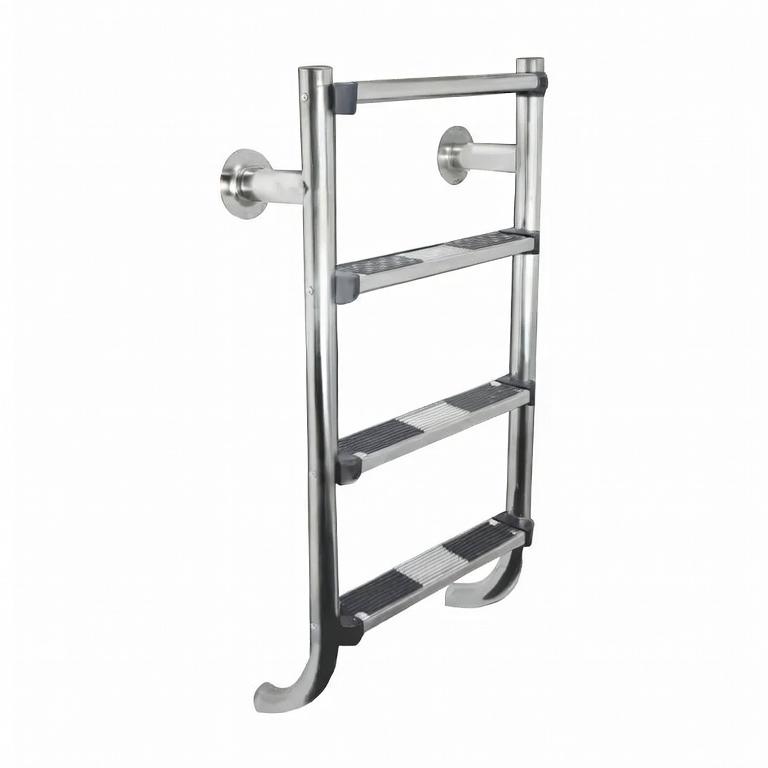
For most pools, you should give the pool ladder a light cleaning every 1–2 weeks during the swimming season. Heavy‑use or commercial pools may need the pool ladder cleaned even more often to control slippery buildup. A deeper cleaning with scale and stain treatment on the pool ladder is typically necessary every 1–3 months, depending on water chemistry and local conditions.
You can use a small amount of diluted bleach to disinfect the pool ladder, but it is not always necessary and should never be used in a strong concentration. Always rinse the pool ladder thoroughly afterward to avoid damaging metal finishes or nearby pool surfaces. For regular cleaning of the pool ladder, mild soap and specialized pool cleaners are usually safer and more than sufficient.
For small rust spots on a metal pool ladder, use a stainless‑safe rust remover or a mild paste of baking soda and water applied with a soft cloth. Rub gently and rinse well so you do not scratch the surface of the pool ladder. If rust is deep, widespread, or keeps coming back, it may be safer to replace the pool ladder instead of trying to repair heavily damaged metal.
You can perform basic cleaning while the pool ladder is installed, but removing the pool ladder allows a more thorough job. Once the ladder is out, you can access the underside of steps, rubber feet, and hidden joints that rarely get attention. Many pool owners remove the pool ladder once or twice each season for a complete deep cleaning and inspection.
The best way to prevent stains on the pool ladder is to keep water chemistry well balanced and follow a regular cleaning schedule. Rinse above‑water sections of the pool ladder with fresh water after heavy use, especially in saltwater pools. Applying a suitable protective polish or coating to metal surfaces on the pool ladder also helps resist staining and corrosion over time.


