


Content Menu
● What Does a Pool Filter Actually Do?
● General Rule: How Often to Run a Pool Filter Per Day
● Understanding Pool Turnover Time and Filter Runtime
● Daily Pool Filter Runtime by Season and Pool Condition
>> Normal season, moderate use
>> Rule of thumb based on temperature
● Sand, Cartridge, and DE Pool Filters: Runtime Differences
>> DE (Diatomaceous Earth) pool filter
● Best Time of Day to Run Your Pool Filter
>> Daytime vs night‑time operation
>> Splitting runtime into multiple cycles
● Signs You Need to Run the Pool Filter More
● How to Optimize Pool Filter Runtime and Save Energy
>> Benefit of variable‑speed pumps with your pool filter
● Maintenance Practices to Support Efficient Pool Filter Operation
● Sample Daily Schedules for Different Pool Filter Systems
● OEM Pool Filter Solutions for Global Brands and Wholesalers
● FAQ: How Often Run Pool Filter
>> 1. How many hours a day should I run my pool filter?
>> 2. Is it better to run the pool filter at night or during the day?
>> 3. Can I run my pool filter too much?
>> 4. Do different pool filters (sand, cartridge, DE) need different runtimes?
>> 5. How do I know if I am not running my pool filter long enough?
>> 6. How often should I backwash or clean my pool filter?
>> 7. Does a variable‑speed pump change how long I should run my pool filter?
Running your pool filter for the right number of hours each day is one of the most important steps to keep your water clear, safe, and inviting. This complete guide explains exactly how often to run a pool filter, how to adjust runtime in different seasons, and how sand, cartridge, and DE pool filters compare so you can balance water quality and energy costs with confidence.
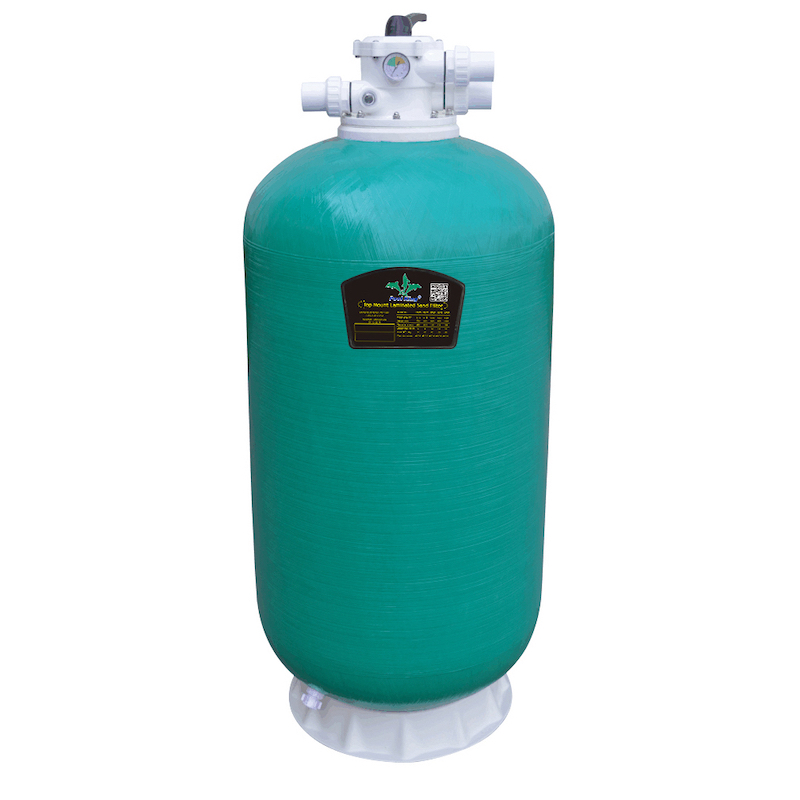
A pool filter is the heart of your circulation system. It removes dirt, leaves, dust, sunscreen, body oils, dead algae, and other fine particles from pool water so your sanitizers (like chlorine or salt systems) can work efficiently. Without consistent pool filter circulation, debris builds up, sanitizer becomes less effective, and algae can quickly appear, especially in warm or sunny conditions.
Your pool filtration system is usually made up of three main components:
- The pump, which pulls water from the pool and pushes it through the pool filter.
- The pool filter itself (sand filter, cartridge filter, or DE filter) that traps debris and fine particles.
- The plumbing and accessories, including valves, heaters, chlorinators, and return jets that move filtered water back into the pool.
If you stop running your pool filter for several days during the swimming season, you will typically see cloudy water, a dull or greenish tint on the walls and floor, and increased chemical consumption. Regular circulation through the pool filter keeps your water continuously polished and much easier to manage.
There is no single number that fits every pool, but most residential pools need enough pool filter runtime each day to circulate all the water at least once. Many experts now recommend closer to 1.5–2 turnovers per day for consistently clear water, especially in warm climates or with heavy bather loads.
Common daily pool filter runtime guidelines include:
- Average backyard pool: about 8–12 hours per day.
- Warm, sunny climates or very heavy use: 10–14 hours per day.
- Cooler weather or low use: typically 6–8 hours per day.
These values assume that your pump and pool filter are properly sized for your pool volume. If your pool filter system is undersized, it may need longer runtime to achieve the same clarity. On the other hand, a powerful, well‑matched system can often maintain perfect water with a shorter daily schedule, as long as turnover targets are reached.
Turnover time is the number of hours it takes for your pump and pool filter to move a volume of water equal to your entire pool capacity. Once you know your turnover time, you can calculate how long to run your pool filter each day.
Basic idea:
- Pool volume (liters or gallons) ÷ Pump flow rate (liters or gallons per hour) = hours required for one turnover.
- Daily pool filter runtime = desired turnovers per day × time for one turnover.
For example, if a pool has a volume that requires 8.3 hours of circulation for one full turnover, running the pool filter for 8.3 hours would be the minimum for one complete pass through the filter. Many professionals prefer 1.5–2 turnovers per day, so the same pool might run its pool filter 12–16 hours per day in hot weather or in a heavily used backyard.
Even if you do not calculate exact turnover, using 8–12 hours as a starting point for the pool filter in normal conditions, then fine‑tuning based on clarity and test results, works very well for most pool owners.
For a typical residential pool in a moderate climate, running the pool filter 8–10 hours per day is often enough to maintain crystal‑clear water. This schedule usually provides at least one full turnover and often approaches two turnovers, depending on your pump and filter capacity.
During the hottest months, especially when the pool is in direct sun or used by many swimmers, you may need to run the pool filter 10–14 hours per day. Warmer water and more organic contaminants (like sweat and sunscreen) increase the demand on both your sanitizer and your pool filter. Running the pool filter longer helps prevent algae growth and keeps the water from turning cloudy during peak season.
In cooler seasons or when the pool is covered and used very little, you can often reduce pool filter runtime to 6–8 hours per day while still ensuring at least one full turnover. Just remember that even in cooler weather, stagnant water will become problematic over time, so the pool filter should never be turned off completely for long periods when the pool is full.
Some pool professionals use a simple rule of thumb: run the pool filter about one hour for every 10 degrees of air temperature (in Fahrenheit). For example, on an 80°F day, aim for around 8 hours of pool filter operation. This is not a strict formula but a useful starting point, especially for new pool owners.
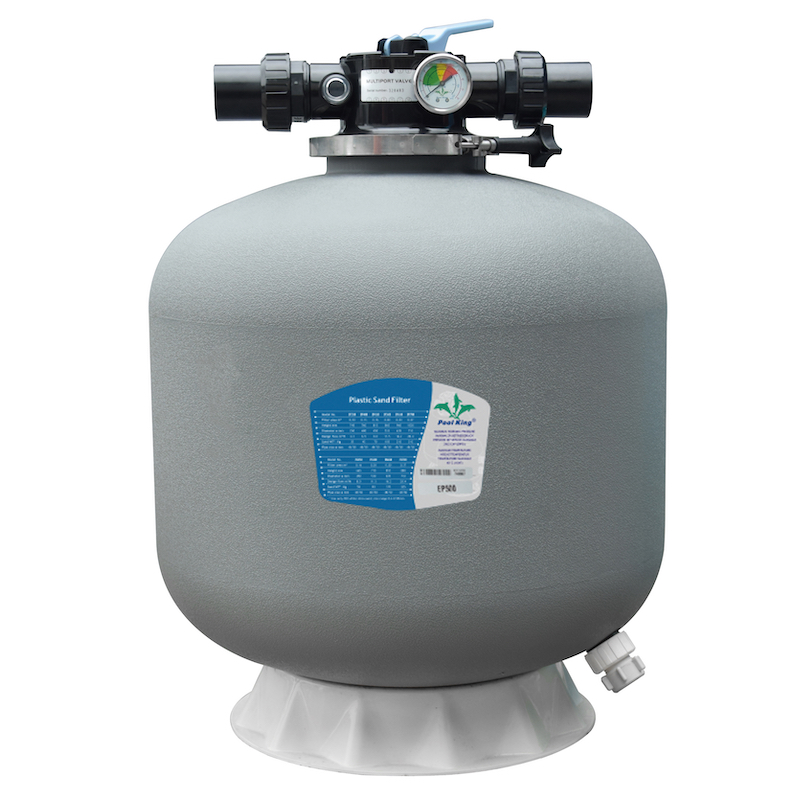
Not all pool filters work the same way. Different filter media capture different particle sizes and may require different daily runtimes to achieve the same water clarity.
A sand pool filter is one of the most common options for both residential and commercial pools. Water flows through a tank filled with sand, where particles are trapped between the sand grains. A typical sand pool filter can capture particles down to roughly 20–40 microns.
Because sand filters capture larger particles than cartridge or DE filters, they sometimes need slightly longer runtime to achieve the same “polished” look in the water. Many owners run sand pool filters around 10–12 hours per day in normal conditions, and longer in very hot weather or when the pool is used intensively.
Sand filters need regular backwashing to remove trapped debris and restore good flow. As a rough guide, backwashing is often required every 1–2 weeks during the season, depending on the debris load, and the sand itself is usually replaced every few years when performance drops.
A cartridge pool filter uses pleated cartridges made of fabric or synthetic material to capture debris. Cartridge filters typically trap finer particles than sand, often in the 10–20 micron range, which gives the water a clearer, more polished appearance.
Because a cartridge pool filter is more efficient at trapping fine particles, many pools can achieve excellent clarity with slightly shorter runtime compared with sand systems, assuming the filter is properly sized and the cartridges are clean. Common daily runtimes for cartridge pool filters are around 8–10 hours per day for normal residential use.
Instead of backwashing, cartridge pool filters require you to remove the cartridges periodically and rinse them with a hose or cleaning solution. Depending on usage and local conditions, this might be every few weeks to every couple of months. Over time, cartridges wear out and need replacement to maintain proper filtration and pressure.
A DE pool filter uses grids coated in diatomaceous earth powder. This fine, naturally occurring powder can filter water down to very small particle sizes, often in the 2–5 micron range. As a result, DE pool filters provide some of the clearest water possible in residential systems.
Because of their high filtration efficiency, DE pool filters can sometimes deliver excellent water quality with shorter runtime than sand filters. For many pools, 6–8 hours per day of DE pool filter operation in normal conditions is enough, though this depends on pool size, bather load, and climate.
DE pool filters also require regular maintenance. As pressure rises on the gauge, the filter must be backwashed and then recharged with fresh DE powder. Owners must handle DE powder carefully and dispose of it properly according to local regulations.
You can run your pool filter at any time of day, as long as you achieve your target daily hours. However, there are some practical advantages to different schedules:
- Daytime pool filter operation helps distribute chlorine and other chemicals while the sun is shining and algae growth is most active. Continuous circulation under these conditions can reduce the risk of blooms and cloudy water.
- Night‑time pool filter operation can save money in areas with off‑peak electricity pricing. Running the pool filter at night also reduces noise around the pool during busy daytime hours.
Many pool owners choose a hybrid approach, running the pool filter during the hottest or sunniest part of the day and then adding a few hours at night to reach their turnover target. As long as the total daily pool filter runtime is sufficient, you can customize the schedule to your comfort and energy‑cost pattern.
It is not necessary to run the pool filter in one continuous block. You can divide the runtime into two or three periods throughout the day. For example, you might run the pool filter for 5 hours in the morning and 5 hours in the late afternoon or evening. This strategy keeps water moving regularly and can help maintain more stable water chemistry.
If your pool filter schedule is too short, your pool will usually send you clear warning signs. Look for these common indicators:
- Cloudy or milky water, especially noticeable in the deep end.
- Fine dust or dirt particles settling on the floor or steps even after you vacuum.
- Algae spots or slimy patches developing on walls, behind ladders, or in corners.
- Sudden spikes in chlorine demand, where sanitizer levels drop faster than normal.
- Strong odors or irritation, which can signal poor circulation and inadequate filtration.
When you notice these issues, the first step is to check that the pool filter is clean and operating correctly. Backwash a sand or DE filter, or rinse the cartridges in a cartridge filter. Then increase daily pool filter runtime by 2–4 hours and monitor water quality over the next several days. In many cases, this simple adjustment is enough to restore sparkling clarity.
To find the most efficient pool filter schedule for your pool:
1. Start with a baseline.
For most pools, begin with 8–10 hours per day of pool filter operation in moderate weather.
2. Observe your water.
Over the next week, watch the pool closely. If the water remains perfectly clear, and chemical readings are stable, you may have room to reduce runtime.
3. Reduce gradually.
Try cutting pool filter runtime by 1–2 hours per day and continue monitoring clarity and test results. If the water stays clear, you have found a more efficient schedule.
4. Increase when needed.
If water becomes dull, hazy, or shows algae spots, increase runtime again and verify that the pool filter is clean and in good condition.
This experimental method lets you use your specific environment and pool behaviour to fine‑tune the ideal pool filter schedule instead of relying on a single fixed number.
Variable‑speed pumps pair perfectly with any pool filter type because they can run for longer at low speeds while using much less energy than a single‑speed pump. Low‑speed circulation often improves filtration efficiency as water moves more slowly through the pool filter, giving the media more time to capture fine particles.
In practice, that might mean you run your pool filter 14–18 hours per day on a low‑RPM setting instead of 8–10 hours at high speed. You still achieve (or even exceed) your turnover target, but with lower electricity costs and quieter operation.
Even the best runtime strategy cannot overcome poor maintenance. To get the most from your pool filter, you should follow basic care procedures throughout the season.
Key maintenance habits include:
- Checking the pressure gauge at least once a week and cleaning or backwashing the pool filter when pressure rises about 8–10 psi above the “clean” baseline.
- Backwashing sand filters on a regular basis, often every 1–2 weeks, or as soon as pressure indicates the filter is dirty.
- Rinsing cartridge filter elements when they look visibly dirty or after a pressure rise, and replacing them when the pleats are worn or damaged.
- Backwashing DE filters when required and recharging them with the recommended amount of fresh DE powder.
- Skimming the surface and brushing the walls and floor so that loosened debris can be captured more easily by the pool filter.
- Keeping baskets (skimmer and pump) free of leaves and debris to maintain good flow to the pool filter.
A clean, well‑maintained pool filter with adequate runtime will typically use fewer chemicals and provide much better water clarity than an overworked, neglected filter running 24 hours a day.
Below are some example daily schedules that pool owners might use. These are not strict rules but practical models you can adjust according to your pool size, climate, and filter type.
- Sand pool filter (single‑speed pump):
10–12 hours total per day, such as 6 hours in the late morning and early afternoon, plus 4–6 hours in the evening.
- Cartridge pool filter (single‑speed pump):
8–10 hours total per day, such as 4 hours in the morning and 4–6 hours late afternoon or early night.
- DE pool filter (single‑speed pump):
6–8 hours total per day, such as 3 hours around midday and 3–5 hours in the evening.
- Any pool filter with a variable‑speed pump:
14–18 hours or even longer at low RPM, timed to achieve at least 1.5–2 turnovers per day while taking advantage of off‑peak power rates.
You can also adjust these schedules for weather changes. For example, during a heat wave, you might temporarily extend runtime by a couple of hours until temperatures drop again.
For overseas brand owners, wholesalers, and pool equipment manufacturers, working with a specialized OEM pool filter supplier in China can be the fastest way to expand your product line. A professional factory using intelligent production equipment can deliver high‑quality pool filters and complementary products under your own brand.
Typical OEM pool filter offerings include:
- Sand pool filters in multiple sizes for residential and commercial use.
- Cartridge pool filters with replaceable elements tailored to different markets.
- DE pool filters designed for premium, high‑clarity installations.
- Matching pool pumps, multiport valves, and filter accessories for complete systems.
- Supporting equipment such as LED pool lights and other pool hardware.
An experienced OEM manufacturer can customize pool filter housings, capacities, connection sizes, and appearances to match your target customers. This allows you to launch a full range of pool filter solutions without investing in your own factory. For many international partners, OEM pool filter programs provide stable quality, competitive pricing, and long‑term technical support for both standard and innovative filtration designs.
Running a pool filter the right number of hours each day is essential for clean, safe, and beautiful pool water. Most residential pools need at least one full turnover daily, which generally means 8–12 hours of pool filter runtime in moderate conditions and up to 10–14 hours during very hot or high‑use periods. By understanding pool turnover, recognizing the differences between sand, cartridge, and DE pool filters, and adjusting runtime according to season and bather load, you can keep your water consistently clear while controlling energy costs.
Equally important, a good pool filter schedule must be supported by proper maintenance. Cleaning or backwashing the filter at the right time, keeping baskets and surfaces free of debris, and using a well‑sized pump will significantly boost filtration performance. Whether you are a homeowner managing a single backyard pool or a professional buyer building an OEM pool filter product line, combining correct runtime with quality equipment is the most reliable way to achieve long‑term pool perfection.
Contact us to get more information!
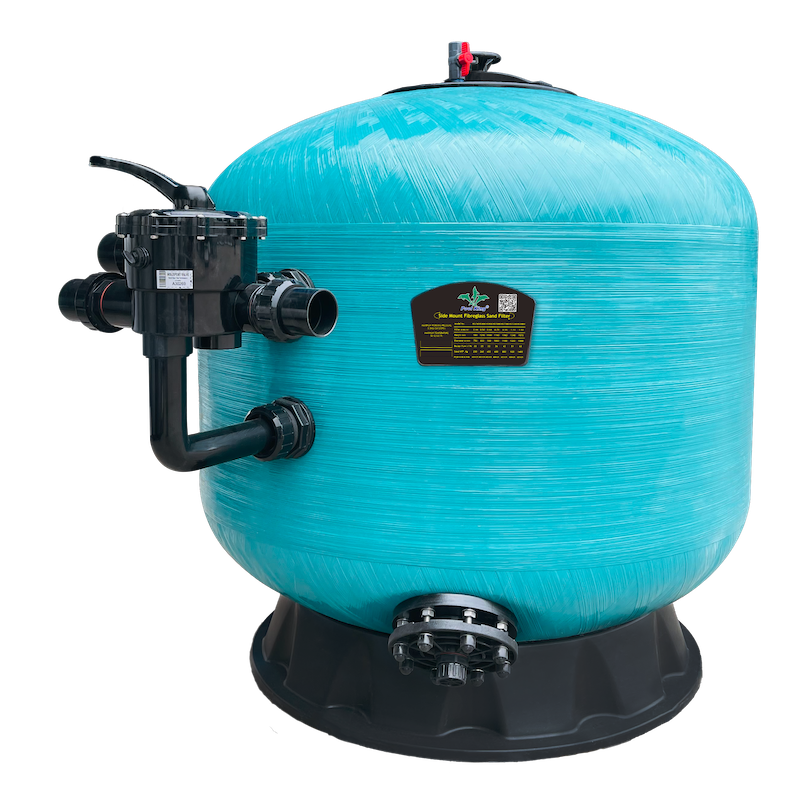
Most residential pools should run the pool filter between 8 and 12 hours per day. This is usually enough to circulate the full pool volume at least once and often up to two times. In very hot climates or during periods of heavy use, many pool owners run their pool filters 10–14 hours per day to keep the water perfectly clear.
You can successfully run a pool filter either at night or during the day, as long as total runtime is sufficient. Daytime operation helps circulate chemicals while sunlight is strongest and algae growth is most active, which can improve sanitation. Night‑time operation may offer lower energy costs if your local utility uses off‑peak pricing, and many owners choose a combination of both to balance clarity and cost.
It is possible to run your pool filter more than necessary, which mainly affects your energy bill rather than water quality. After you achieve proper turnover and clear water, additional runtime brings only small improvements. Instead of running the pool filter 24/7, focus on finding the lowest daily runtime that still keeps your water clean, then maintain that schedule consistently.
Yes, different pool filter types have different filtration efficiencies and typical runtimes. Sand filters, which trap larger particles, often run about 10–12 hours per day to maintain excellent clarity. Cartridge filters, which capture finer particles, can often keep water sparkling with 8–10 hours per day. DE filters, which provide the finest filtration, may require only 6–8 hours per day in normal conditions, assuming proper sizing and clean media.
If you are not running the pool filter long enough, you will usually notice early warning signs like cloudy or hazy water, fine debris that does not disappear, or small algae spots forming on walls and in corners. You may also see sanitizer levels dropping faster than normal even when you add the correct amount of chemicals. When this happens, clean the pool filter, increase runtime by a few hours per day, and monitor the pool closely for several days to confirm that clarity improves.
Backwash sand and DE pool filters whenever the pressure gauge reads about 8–10 psi above the clean starting pressure, or when flow seems noticeably reduced. For cartridge pool filters, remove and rinse the cartridges when the pressure rises or when they appear visibly dirty. In all cases, regular cleaning keeps your pool filter working efficiently and allows you to achieve good results with fewer daily runtime hours.
A variable‑speed pump does not change how many turnovers you need, but it lets you reach those turnovers more efficiently. You will often run your pool filter for longer at a lower speed, such as 14–18 hours per day at low RPM, instead of 8–10 hours at full speed. This approach can provide better filtration, quieter operation, and lower energy costs while still delivering the same or better water clarity.
1. https://southshorepoolsupply.com/tracys-tips-how-often-should-a-pool-filter-run/
2. https://www.reddit.com/r/pools/comments/pbcz27/how_long_should_i_run_my_pool_pump_each_day_i/
3. https://lesliespool.com/blog/how-to-calculate-pool-pump-run-time.html
4. https://www.riverbendsandler.com/help-advice/pool-school-how-often-should-a-pool-pump-run-in-the-summer/
5. https://www.zodiac-poolcare.com/solutions/tips-for-my-pool/pool-maintenance/pool-filtration-time
6. https://www.swimuniversity.com/run-pool-pump/
7. https://lotuspools.com/blog/pool-turnover-rate/
8. https://www.pvcfittingsonline.com/blogs/resource-center/how-often-should-i-run-my-pool-pump
9. https://truebluepoolslex.com/pool-filter-guide-sand-vs-de-vs-cartridge/
10. https://intheswim.com/blog/best-pool-filter-type-de-sand-or-cartridge.html
11. https://clearcomfort.com/why-is-swimming-pool-circulation-important/
12. https://www.poolwarehouse.com/articles/whats-the-difference-between-sand-filters-cartridge-filters-and-de-filters/
13. https://www.1stopfilter.com/blogs/academy/unlocking-pool-perfection-the-lifespan-and-unique-traits-of-cartridge-sand-and-de-filters


