


Content Menu
● Why Winterizing Your Pool Pump Is Important
● Essential Tools and Materials for Winterizing
● Preparatory Steps Before Winterizing
● How to Winterize Your Sand Filter and Pool Pump (Step-by-Step)
>> Step 1: Turn Off and Disconnect Power
>> Step 2: Backwash and Clean Your Sand Filter
>> Step 3: Drain Water from Filter and Pump
>> Step 4: Blow Out Plumbing Lines
>> Step 5: Disconnect and Store Hoses and Accessories
>> Step 6: Add Pool-Safe Antifreeze (If Needed)
>> Step 7: Apply Winter Covers
● Tips for Winterizing Different Filter Types
● Additional Winterizing Tips for Pool Components
>> Pool Lights
>> Saltwater Chlorinators and Automatic Dispensers
● Frequently Asked Questions (FAQs)
>> 1. How often should I winterize my pool pump?
>> 2. Is it necessary to remove the sand from the sand filter?
>> 3. Can I use automotive antifreeze in my pool plumbing?
>> 4. What if I live in a warm climate without freezing winters?
>> 5. How do I store pool equipment during winter?
Proper winterization of your pool pump and filtration system is essential to protect your investment, avoid damage during freezing weather, and ensure a smooth start to the next season. As a professional manufacturer of top-grade sand filter systems, pool pumps, LED lights, and accessories, the goal is to share expert knowledge on winterizing pool equipment for overseas brands, wholesalers, and manufacturers who rely on OEM services.
This guide covers detailed steps to winterize your pool pump, sand filter (including sand filters, DE filters, cartridge filters), water pumps, and essential accessories. Along the way, it includes pointers on preparing your pool system for winter with effective maintenance and storage tips.
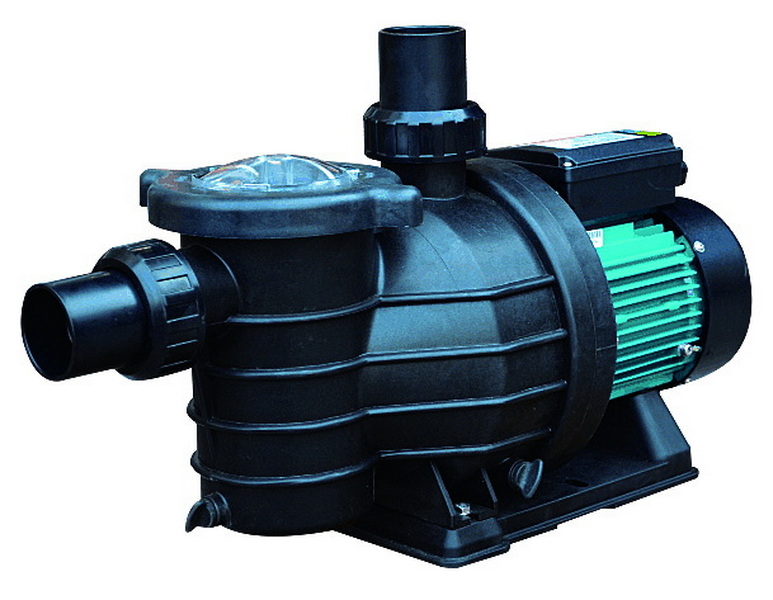
Winterizing your pool pump prevents water from freezing inside your pump and filter system. If water freezes, it can expand and crack the pump housing or damage seals and internal components, leading to costly repairs or replacement.
Freezing temperatures cause:
- Cracks in pump body and filter tanks
- Damage to seals and o-rings
- Corrosion from trapped moisture
- Damage to hoses and plumbing connections
Winterization ensures all water is removed, and the system is stored safely during cold months, extending the life and performance of your pool equipment.
To successfully winterize your pool pump and filter, gather the following supplies:
- Shop-vac or wet/dry vacuum
- Pipe wrench and pliers
- Pool winterizing kit (antifreeze, algaecide, sealants)
- Drain plugs or winterizing plugs
- Towels and soft cloths
- Secure storage container or shed area
- Silicone-based lubricant for seals
Before winterizing the pump and filtration system, clean the entire pool. Use a pool vacuum to sweep the bottom and walls, and a skimmer net to remove floating debris. A clean pool minimizes leftover contaminants that might cause problems during the off-season and simplifies the reopening process.
Lowering the water level helps prevent freezing damage to the skimmer and other pool parts. For pools with a mesh cover, lower the water level about 12 inches below the skimmer; for solid covers, lower it 6 inches below the skimmer.
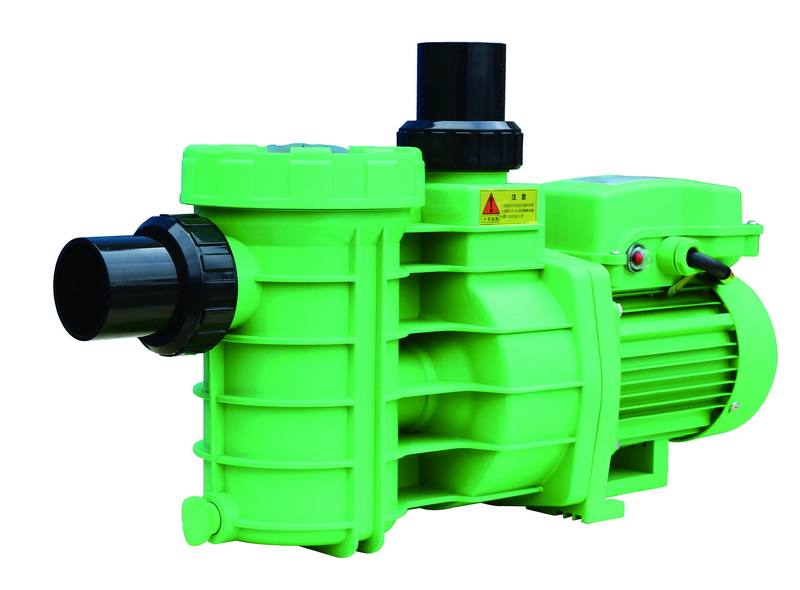
- Turn off the power supply to the pool pump and filter system at the breaker or control panel.
- For automated systems, set to service or off mode to ensure power is completely off.
- Perform a full backwash cycle to flush out trapped debris inside the sand filter tank.
- Follow with a rinse cycle to settle the sand bed properly.
- Place the multiport valve in the “winterize” or “drain” position to facilitate drainage.
- Remove drain plugs from the bottom of the filter tank and pump housing to allow water to escape fully.
- Clear debris from the pump basket and remove the pump lid to allow air circulation.
- Use a shop-vac or air blower to blow out water from plumbing lines including skimmer, return, suction, and main drain lines.
- Block or plug off the lines with winterizing plugs or Gizzmos to prevent water from re-entering.
- Disconnect hoses from the pump and filter system.
- Coil and store hoses, drain plugs, pressure gauges, and other removable parts indoors in a dry, temperature-controlled area.
- Lubricate O-rings and seals with silicone lubricant before storage.
- In colder regions where freezing is severe, pour pool-safe antifreeze into plumbing lines to prevent residual water from freezing.
- Do not use automotive antifreeze or other toxic substances.
- Cover pumps, filters, and exposed pipes with breathable, insulated covers to protect from debris and freeze damage.
- Use foam insulation on exposed valves and fittings.
| Filter Type | Key Winterizing Notes |
|---|---|
| Sand Filter | Leave sand inside; backwash then fully drain water before storage. |
| DE Filter | Backwash and remove DE powder; drain water completely. |
| Cartridge Filter | Remove and clean cartridges thoroughly; store indoors. |
- Not fully draining water, causing freezing damage.
- Using automotive antifreeze instead of pool-safe antifreeze.
- Storing equipment outdoors without protection.
- Forgetting to clean or lubricate seals before storage.
- Leaving hose connections or valves open, allowing water ingress.
- Remove and store the skimmer basket and floating weir.
- Insert foam rope or winterizing plugs in the skimmer openings to prevent ice damage.
- For above ground pools, disconnect hoses from skimmer and return wall fittings.
- For inground or onground pool lights that can be removed, lower them below the freeze line after securing in a bag.
- Remove and store above ground lights indoors; close openings with rubber plugs.
- Disconnect power and electrode plugs.
- Remove cartridges and rinse units thoroughly.
- Drain water completely to prevent freeze damage.
Winterizing your pool pump and filtration system is a crucial step to protect the equipment from freeze damage and costly repairs. Following systematic cleaning, draining, plumbing blowout, and proper storage ensures the longevity and optimal performance of your pool system. With your use of professional-quality sand filters, pumps, and accessories, winterization becomes more efficient, safeguarding your investment through the cold season and enabling a smooth, trouble-free pool opening in warmer months.
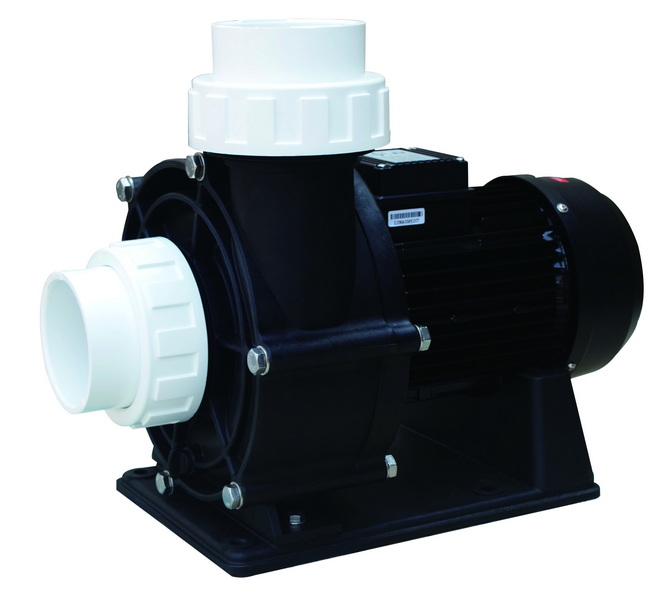
Winterize your pool pump annually before freezing temperatures arrive to prevent damage.
No, just backwash and fully drain water. The sand should remain inside the filter tank.
No. Only pool-safe antifreeze designed for pool systems is safe and recommended.
Winterizing may not be necessary, but regular cleaning and maintenance are still advised.
Store pumps, filters, hoses, and accessories indoors in a dry, temperature-controlled place, and use protective covers and lubricate seals.
[1](https://www.pioneerfamilypools.ca/wp-content/uploads/resources/pdfs/Pool-Winterizing-Instructions.pdf)
[2](https://www.pvcfittingsonline.com/blogs/resource-center/the-proper-steps-to-winterizing-your-pool-filtration-system-to-prevent-damage)
[3](https://www.youtube.com/watch?v=mc5GLp-lJy8)
[4](https://europool.pl/en/2024/08/30/how-to-winterize-your-pool-practical-tips/)
[5](https://www.pulliam.com/wp-content/uploads/2023/02/Pulliam-Pools-How-to-Winterize-your-Pool-Equipment-Step-by-Step.pdf)
[6](https://www.swimuniversity.com/close-inground-pool/)
[7](https://www.apiwater.com/blog/preparing-your-pool-for-winter-a-step-by-step-guide)
[8](https://www.armandhammer.com/en/articles/steps-for-closing-and-winterizing-a-pool)
[9](https://bremnerpool.com/6-steps-to-winterize-your-pool/)
[10](https://www.youtube.com/watch?v=h-E98s-KtjM)


