
Views: 222 Author: Tina Publish Time: 2025-08-05 Origin: Site


Content Menu
● Understanding Pool Pump Fittings
>> Types of Pool Pump Fittings
● Why Do Pool Pump Fittings Get Stuck?
>> 1. Preparation and Inspection
>> 5. Lubrication and Solvent Use
>> 6. Careful Application of Heat
>> 7. Cutting the Fitting (Last Resort)
● Pro Tips for Stressed or Confined Spaces
● How to Prevent Future Stuck Fittings
● Frequently Asked Questions (FAQs)
>> 1. What is the safest way to loosen a stuck pool pump fitting?
>> 2. Can I use WD-40 or other oils on pool equipment?
>> 3. How often should I lubricate my pump fittings?
>> 4. What if none of these methods work?
>> 5. How do I prevent my fittings from getting stuck again?
Maintaining pool equipment is critical to ensuring clean, safe, and enjoyable swimming conditions. Pool owners and technicians worldwide face a persistent challenge: loosening stuck, overtightened, or seized pool pump fittings. Whether you service commercial pools or tend your backyard oasis, knowing how to deal with stubborn unions and threaded PVC connections will save you from unexpected repair costs and system downtime.
This definitive guide blends technical tips, visuals, and practical advice to teach you reliable ways to loosen pool pump fittings. It covers not just the “how,” but also the “why” behind stuck fittings while offering preventive strategies. Harness this knowledge for smooth pool maintenance and fewer headaches year-round.
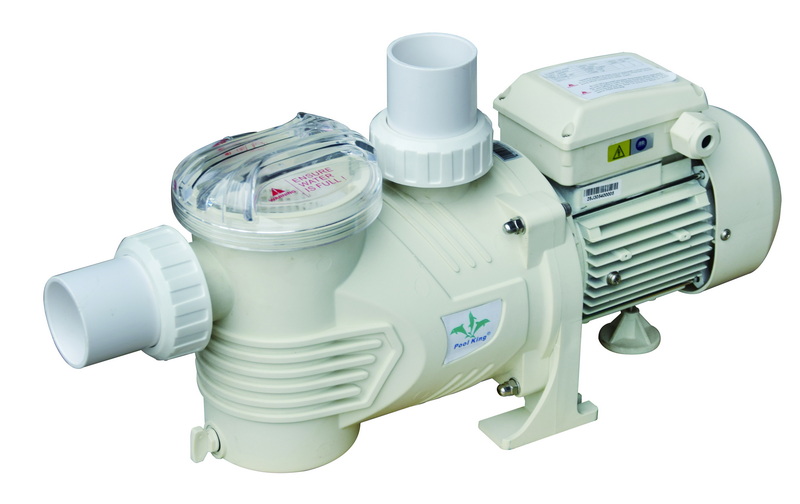
Pool pump maintenance is one of the most overlooked aspects of pool ownership. While the water's clarity may get all the attention, the unseen heroes—the fittings, pumps, and pipes—require just as much care. At some point, all pool owners face the task of opening a stuck union or unscrewing an immovable fitting. Handling this challenge efficiently means knowing not only which tools to use, but also understanding the chemistry and physics behind why connections seize up in the first place.
This article, packed with practical instructions, visuals, and curated video recommendations, will guide both beginners and experienced pool owners.
1. Union Fittings.
Unions are specialty fittings designed to allow quick disconnection of pipes from the pump, making maintenance and replacement far easier than with glued connections.
2. Threaded Fittings.
These screw-in connectors are typically found where pumps and filters meet. They offer a watertight seal that can, unfortunately, become extremely stubborn to unfasten over time.
3. Slip Fittings.
These fittings require glue or solvent cement. They're rarely meant to be separated after installation but are included here for completeness since issues can arise if repairs are needed.
4. Quick-Disconnects.
Found mainly in high-end or commercial installations, these allow rapid removal and replacement of equipment, minimizing downtime and labor.
It's not just brute force that causes a connection to become immovable. Several factors work in concert to “glue” your fittings together:
- Age and Sun Exposure.
UV rays break down plastics, causing warping, shrinking, and increased friction between parts. Over time, plastic may even bond at the molecular level.
- Pool Chemical Buildup.
High concentrations of chlorine, salt, or other chemicals seep into threads and cause crusty deposits or corrosion, leading to a mechanical bond.
- Overtightening.
Contrary to intuition, using a wrench or tool for final tightening often does more harm than good. Always tighten plastic parts by hand.
- Lack of Lubrication or Poor Installation.
Threads that are assembled dry, dirty, or with the wrong sealant are far more likely to seize.
- Thermal Expansion.
Daily temperature swings—especially in climates with hot days and cool nights—cause plastic to contract and expand, slowly tightening the threads even further.
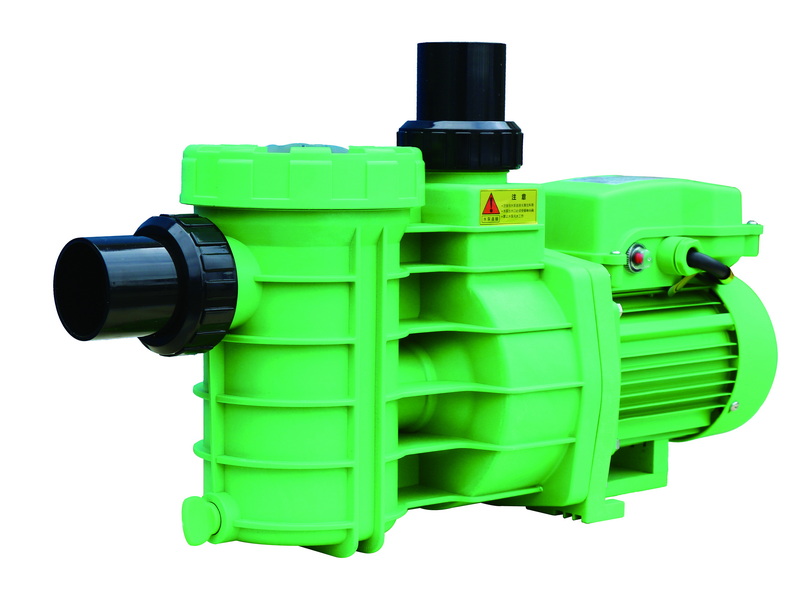
- Power Down: Always switch off the pump at the main breaker.
- Relieve Pressure: Open the filter's air relief or use a pump drain plug. This step is crucial for safety and preventing flooding.
- Clean the Fitting: Remove all visible debris and dried chemicals to reduce abrasion and contamination.
Strap Wrench Method:
- Position the strap wrench around the fitting.
- Tighten until snug, then turn counterclockwise.
- For extra leverage, use a secondary wrench on an adjacent, stationary part of the line (never the pump housing itself, which can crack).
Oil Filter Wrench:
- Especially good on large unions.
- Place around the fitting, grip, and twist.
Channel-lock Pliers:
- Use with caution; apply steady, even pressure.
- Wrap a thick towel or rag around the fitting, then twist. The added thickness increases your hand's surface area and eliminates slips.
Pour boiling water over the fitting for a minute to allow the plastic or PVC to expand. This can break the bond between the threads or fittings.
Warning: Ensure the HOT water doesn't splash on your skin or sensitive equipment.
- Apply a few drops of pool-safe silicone lubricant or WD-40 to the affected area.
- Allow several minutes for the substance to work its way through the threads.
- Retry loosening with your tool of choice.
Caution:
Use only silicone/teflon-based lubricants approved for pool equipment to avoid plastic degradation.
As a last resort, use a hair dryer on a medium setting to warm the fitting at the joint. Warm, not hot, is the goal: excessive heat damages pipes.
How-To:
- Set the dryer a few inches from the surface.
- Move slowly around the circumference.
- Test every 30 seconds for softening.
NEVER use an open flame or heat gun.
If all else fails and you must replace the fitting, use a PVC cutter or hacksaw to remove it. Cut cleanly to allow for an easy replacement.
- Clean all threads and surfaces thoroughly.
- Apply a thin layer of pool-safe lubricant during reinstallation.
- Hand-tighten only.
- Restore power, run the pump, and check for leaks at all reconnected joints.
- Use a mirror or phone camera to see hidden fittings.
- Specialized offset wrenches or short-handle tools are invaluable for tight quarters.
- If the fitting is near the ground, place a rubber mat or board underneath to gain leverage safely.
- If persistent leaks occur, consider using new O-rings and inspect for cracks in the fitting.
Regular maintenance is the best cure for stuck pool pump fittings. Follow these tips to avoid future frustration:
- Hand-Tighten Only: Avoid overtightening with tools. Always use your hand for the final snug.
- Lubricate Threads: Apply a small amount of pool-safe lubricant to the threads every time you reassemble.
- Install Unions at Key Points: Adding unions during your next equipment upgrade makes replacing parts much easier.
- Clean Regularly: Dirt and chemical crust accelerate fitting lock-up. A simple wipe-down each month does wonders.
- Shield Outdoor Equipment: Use covers or shade cloths to protect fittings from relentless UV rays.
- Mark Plumbing: Label the direction of flow and connection points for future reference—it will make disassembly quicker and safer.
Loosening pool pump fittings is a fundamental skill for any pool owner or technician, ensuring proper filtration and fewer maintenance emergencies. The process, while sometimes physically demanding, is almost always manageable with the correct approach, tools, and safety precautions. Whether by adjusting grip, using expansion and lubrication techniques, or carefully applying heat, you can free even the most stubborn connections. Remember, prevention is key: regular inspections, cleaning, and hand-tightening keep your filtration system running efficiently for years to come. If you encounter a truly immovable fitting or persistent leak, don't hesitate to consult a pool professional to avoid damaging valuable equipment.
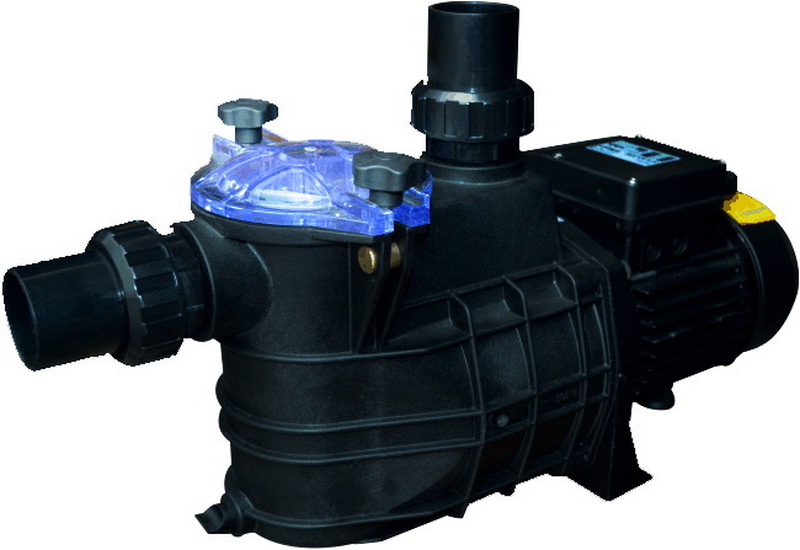
Start with a strap wrench and towel for grip, followed by hot water to expand the PVC. Use lubricants or gentle heat only as needed. Avoid excessive force to prevent breakage.
Use only lubricants labeled safe for plastics and pool use. Some petroleum products can degrade PVC over time; silicone-based lubricants are best.
Lubricate each time you open a fitting or, at a minimum, during annual pool maintenance.
If all techniques fail, carefully cut away the fitting and replace it. Install unions during the replacement to simplify future repairs.
Keep threads clean, use fresh O-rings, lubricate with silicone grease, and hand-tighten when reassembling.


