Views: 222 Author: Tina Publish Time: 2025-11-07 Origin: Site
Content Menu
● Understanding Swimming Pool Ladder Types
● Step-by-Step Ladder Installation
>> 1. Preparing for Installation
>> 2. Assembling the Ladder Body
>> 3. Installing Ladder Cups and Anchors
>> 4. Securing the Ladder to the Pool Deck
>> 5. Final Safety Check and Testing
● Tips for Maintaining Your Pool Ladder
● Troubleshooting Common Issues
>> 1. How do I know if my pool needs a specific type of ladder?
>> 2. Can I install a pool ladder without professional help?
>> 3. What if the ladder feels loose after installation?
>> 4. Are replacement parts available for worn pool ladder components?
>> 5. Can I install additional ladders or handrails for extra safety?
A swimming pool ladder is more than just an accessory; it's an essential component for pool safety. Proper installation enhances user experience while preventing accidents and premature equipment wear. This guide covers everything needed to install a pool ladder for inground and above-ground pools, including visual demonstrations and troubleshooting advice for OEM installers and end users.
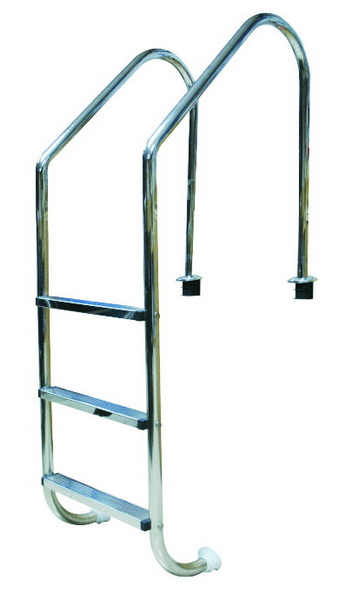
Pool ladders come in various designs, primarily differentiated by installation method and material:
- Stainless steel ladders (common in commercial and private pools)
- Resin/plastic ladders (frequently found in above-ground pools)
- Drop-in or in-deck mounted ladders
- Step-style ladders for shallow ends
The installation process varies based on ladder type, so consult your manufacturer's instructions for specific requirements.
Gather the following essential items before beginning:
- Ladder kit (rails, steps, hardware, anchors/cups)
- Drill with masonry bit
- Socket and wrench set
- Screwdriver
- Stainless steel/nylon wedge kit (if required)
- Pool-safe sealant or grout
- Measuring tape and level
- Safety gloves and goggles
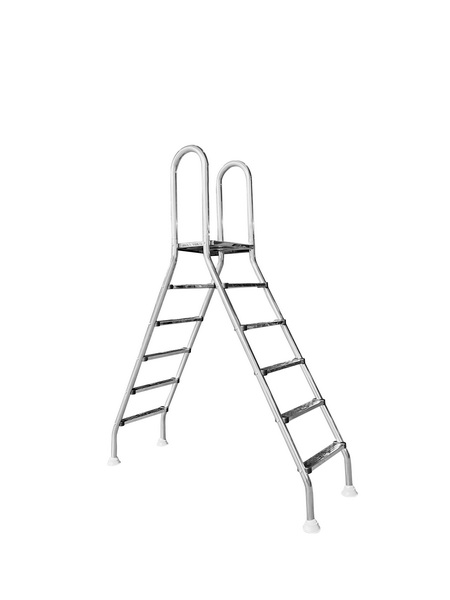
1. Read the ladder manufacturer's installation manual.
2. Clear the pool deck area, ensuring no debris or obstacles.
3. Measure ladder placement for proper spacing and accessibility.
4. Mark positions for ladder anchor/cup locations on deck.
- Attach the ladder's stringer assemblies (steps and side rails) to the handrails using the supplied M8x70 screws and washers.
- Insert the supporting joints onto the ladder's submerged portion.
- Secure stainless steel caps and anchors on the above-water section, tightening all screws completely.
- Confirm that the J-shaped legs (for above-ground ladders) point outward.
- Position anchor cups in the pre-marked deck holes; set with concrete or pool-safe grout as needed.
- Attach anchor cover rings if your pool design requires them.
- Lower the ladder rails into the anchor cups.
- Tighten the wedge kit around each rail until secure. Use a wrench for a firm fit.
- Verify that all fixings are tight and the ladder is stable.
- For in-ground ladders, ensure anchors are fully set in concrete to avoid spacing issues.[1]
- Ensure the ladder does not move or wiggle; all anchor bolts should be fully tightened.
- Test each rung and handrail by applying downward pressure.
- Confirm rails are below pool coping for in-ground units, and legs touch pool bottom for above-ground ladders.
- Rinse ladder surfaces regularly to prevent pool chemical corrosion (especially for stainless steel units).
- Inspect anchors and fixings periodically for wear or rust.
- Apply protective lubricant to hinge points if provided.
- Store removable ladder components dry during offseason.
- Loose ladder rails: Retighten wedge kit and check anchor stability.
- Rust spots: Treat stainless steel carefully and rinse after chemical exposure.
- Worn steps or handrails: Replace with manufacturer-approved parts.
- Improper spacing: Re-anchor cups and concrete, maintaining proper measurements.[1]
Proper pool ladder installation is crucial for user safety, convenience, and equipment longevity. By following these step-by-step instructions—supported by detailed diagrams and video guides—you can confidently install, secure, and maintain a swimming pool ladder for years of reliable service. Whether you're a DIY homeowner or an OEM service provider, this approach ensures best results for both domestic and commercial pool environments.
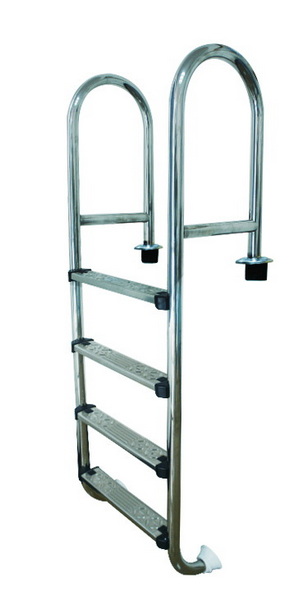
Most inground pools use stainless steel ladders with anchor cups, while above-ground pools often require resin or molded ladders compatible with your pool wall height and shape.
Yes, most pool ladders are designed for straightforward DIY installation. However, ensure that anchors are securely set and all safety checks are followed.
Check that wedge kits and anchors are fully tightened. If issues persist, you may need to reset the anchors or consult with a pool equipment professional.
Yes, most manufacturers and suppliers offer OEM replacement steps, rails, and wedge kits.
Absolutely. Multiple ladders and rails can be installed to provide safer pool access for all users, especially in commercial or public pools.
[1](https://manuals.plus/m/20af03a62b6368b0b9bfa5929cf45534502c0c78833df1f0d7511c1a05eb606a)
[2](http://www.gdwscl.com/supply/16.html)
[3](https://blog.linerworld.com/2011/01/14/swimming-pool-ladder-installation/)
[4](https://cn.aonepool.com/products/pool-sand-filter.html)
[5](https://www.youtube.com/watch?v=AcVIHFSLCTY)
[6](https://www.aquaheat.cn/mediacenter/info.aspx?itemid=2259&lcid=21)
[7](https://www.intexsales.com/b2cmnl/B2CMNLServlet?instantiate=B2cMnldownloadApp&action=pub_mnl&filnam=330IO_A0_1805_EN.pdf)
[8](http://www.zongkang-pool.com/product/28.html)
[9](https://www.youtube.com/watch?v=6lg8kCHO0m0)
[10](https://www.dslpool.com/yongchi/)
This article introduces leading Pool Filter Valve Manufacturers and Suppliers in Japan and Asia, covering valve types, key Japanese pool brands, OEM opportunities, and application segments. It explains how advanced engineering, strict quality control, and strong visual marketing help exporters win global pool projects.
This article introduces the main types of Pool Filter Valve Manufacturers and Suppliers serving Russia, including local distributors, industrial filter producers, global brands, and Chinese OEM partners. It explains key selection criteria, product ranges, and OEM opportunities for Russian pool projects.<br />
This article introduces the leading Pool Filter Valve Manufacturers and Suppliers in Australia, explains common valve types and technical features, highlights major distributors and OEM opportunities, and offers practical tips for international buyers sourcing compatible filtration valves and systems.
This article introduces Italy’s leading Pool Filter Valve Manufacturers and Suppliers, detailing their technologies, materials, OEM services, and application scenarios. It explains how Italian valves integrate with sand, DE, and cartridge filters and why global brands choose Italian partners for premium pool filtration solutions.<br />
This article introduces the Portuguese market for pool filtration equipment and highlights how local specialists, European brands, and Chinese OEM Pool Filter Valve Manufacturers and Suppliers cooperate to serve residential and commercial pools, offering multiport valves, filters, pumps, and customized OEM solutions.<br />
This article explains whether you can safely use pool filter sand in an aquarium, covering sand types, preparation, pros and cons, plant and fish compatibility, maintenance tips, and alternatives. It helps hobbyists choose and manage substrate using pool-grade filtration media.
This article explains when to backwash a pool filter using pressure readings, water clarity and flow as guides. It covers sand and DE filter schedules, backwash steps, common mistakes, troubleshooting cloudy water, and how OEM sand filter systems can simplify maintenance for global pool owners.<br />
This article explains what pool filter balls are, how they work, and why they are an increasingly popular alternative to sand in residential pool filters. It covers benefits, installation, maintenance, compatibility, and OEM opportunities for brands seeking high‑performance filtration solutions.<br />
This article explains how often to change a pool filter cartridge, covering typical 1–3 year lifespans, signs of wear, and factors like usage, climate, and maintenance. It shows how cleaning frequency, pressure readings, and water clarity guide replacement and highlights the value of OEM cartridge solutions.
This article explains how often to change a pool filter cartridge, covering typical 1–3 year lifespans, factors that affect replacement timing, and clear signs of wear. It outlines cleaning versus replacement, residential vs commercial schedules, and highlights OEM cartridge solutions for complete pool filtration systems.<br />
Learn how to remove a stuck inground pool ladder step‑by‑step, from releasing anchor wedges and dissolving mineral buildup to using safe, controlled force and seasonal maintenance. Discover tools, safety tips, and prevention methods to protect your rails, anchors, and pool deck.<br />
This guide explains how to remove a corroded pool ladder step by step, from safety prep and penetrating oil to leverage, heat and cutting as a last resort. Learn how to clean and restore stainless steel, prevent future corrosion and decide when to replace the ladder for long‑term pool safety.<br />
Reinforce a pool ladder the right way with solid base leveling, secure deck anchors, safe weighting, better traction, and corrosion control. Learn practical DIY methods, maintenance tips, and safety standards to make above‑ground and in‑ground pool ladders sturdier and safer for every swimmer.<br /> <br />
This guide explains how to put up a pool ladder safely, covering ladder types, tools, and step‑by‑step installation for above‑ground and in‑ground pools. It also details stability tips, safety checks, maintenance advice, and multimedia ideas to help users install ladders with confidence.<br /> <br />
This in-depth guide shows how to put together a Vinyl Works pool ladder step by step, from sorting parts to final safety checks. It covers tools, ballast, handrails, mounting to pool or deck, gate installation, maintenance tips, and a clear FAQ to help owners assemble with confidence.<br />
Replacing a pool pump typically costs $300–$1,600, depending on pump type, size, and labor. Learn what affects pool pump replacement cost, the benefits of variable‑speed pumps, and how OEM pool equipment solutions help brands and distributors control price and quality.<br /> <br />
Learn how to wire a pool pump safely with the right voltage, breaker, wire size, GFCI protection, grounding, and bonding. Step‑by‑step guidance, testing tips, and FAQs help homeowners, installers, and OEM buyers ensure efficient, code‑compliant pool circulation systems.<br />
Learn how to replace a swimming pool pump motor step by step, from shutting off power and disassembling the pump to installing a new motor, wiring it safely, and testing for leaks. Ideal for DIY pool owners and OEM buyers seeking reliable filtration solutions.<br />
This in‑depth guide explains how to safely remove a motor from a pool pump, from shutting off power and draining the system to disconnecting wiring, separating the motor, and inspecting seals, while also highlighting OEM pool pump and filtration solutions for global brands.<br />
This article explains whether a pool pump must run all the time, how many hours per day are recommended, and how factors like filter type, climate, and variable speed pumps affect run schedules. It also highlights how a professional Chinese OEM factory supplies complete pump and filter solutions.<br />