


Content Menu
● Understanding Pool Ladder Types
● Why Draining Your Pool Ladder Matters
● Step-by-Step Guide: Draining Pool Ladder
>> 1. Prepare Work Area and Tools
>> 2. Lower Water Level for Ladder Removal
>> 3. Inspect Ladder for Built-Up Water, Sand, or Debris
>> 4. Use Siphoning or Manual Draining Methods
>> 5. Remove the Ladder from the Pool
>> 6. Clean and Store the Ladder
● Maintenance and Manufacturer OEM Solutions
● Safety Tips When Draining Pool Ladders
● Common Problems and Troubleshooting
● Frequently Asked Questions (FAQ)
>> 1. How do I drain water from a ladder with no drain plug?
>> 2. What is the best way to drain a pool for ladder removal?
>> 3. Do I need to remove sand stabilizers before storing my ladder?
>> 4. Are there quick-drain ladder designs available from OEM manufacturers?
>> 5. How do I prevent rust on my pool ladder's hardware?
Draining a pool ladder is a crucial routine maintenance step, especially when preparing for seasonal changes, deep cleaning, or replacing key swimming pool fixtures. Ladders in above-ground and in-ground pools can accumulate water and debris, making them heavy and difficult to move. Proper draining keeps ladders lighter, reduces risks of corrosion or freeze damage, and maintains pool hygiene. In this professional guide, you'll discover detailed instructions, safety tips, OEM manufacturer solutions, and media resources to make draining and handling your pool ladder fast, safe, and easy.[1][2]
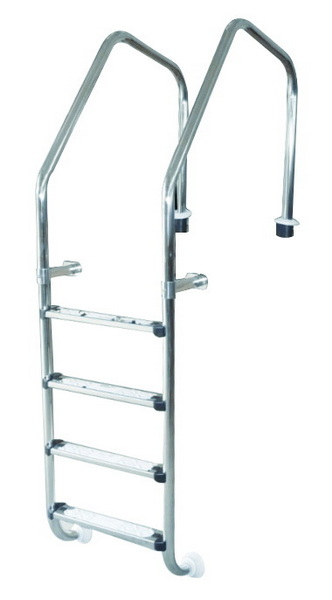
Before attempting to drain or remove your pool ladder, it's vital to identify its type:
- Above-Ground Pool Ladders: Often A-frame or deck-attached, constructed from resin, acrylic plastics, or metals. Some allow quick removal, others are semi-permanent.[1]
- In-Ground Pool Ladders: Typically stainless steel, fiberglass, or high-grade plastics, secured with bolts, brackets, or slip-in anchors at the deck.[2]
Ladder construction and mounting methods determine the draining process and tools required.
Draining prevents:
- Ladder warping, plastic cracking, or freeze damage in winter.[2][1]
- Bacterial growth or unpleasant odor inside steps.
- Excess weight from trapped water or sand, making removal unwieldy.[3]
- Corrosion of bolts, fasteners, and rails (especially in metal ladders).
- Mess and hazards during off-season storage.
Regular draining extends your pool ladder's life and keeps your pool safe for users of all ages.
Before draining, gather:
- Phillips/flathead screwdriver, adjustable wrench, hammer, pry bar
- Submersible pump or siphon hose (for major draining)
- Spray lubricant (WD-40) for tightening/removing hardware
- Cleaning brush, towels, plastic scraper
- Container for removing sand (if present in ladder bases)
Clear the pool area of toys, debris, and ensure power to pumps is switched off.[1][2]
If possible, reduce the pool water level by at least 30 cm (1 foot) below the normal mark using a submersible pump or siphon hose. This will make accessing lower hardware and draining water easier.[4][5]
- Follow local regulations for pool water disposal to avoid environmental harm.
- Ensure chlorine levels are minimized to prevent chemical runoff.[4]
Many plastic or resin ladders are filled with sand or water to improve stability but become unwieldy when full. Check if your ladder steps or base have removable caps or plugs:[3]
- Remove all caps covering fill holes.
- If the ladder retains water inside steps, tilt it upwards (toward pool) to let water drain back into pool.[6][3]
- Run a hose through the ladder, using gravity to pull water out (siphon method).[7]
- If water is trapped in inaccessible compartments, gently shake or tap the ladder while tilting.
For ladders with sand stabilizers:
- Remove sand carefully to avoid spillage into the pool, which can scratch liners.[3]
Use the following ladder removal procedure:
1. Loosen all attachment hardware: Nuts, screws, clamps with proper tools.[2][1]
2. Tilt and lift: Slide upwards, rotate base away from wall.
3. Let residual water drain: Lay ladder flat on the deck or ground. Alternate sides if water remains trapped.[6]
4. For inground ladders: Wiggle or tap base gently (using rubber mallet if necessary) to disengage bolts/anchors. Apply lubricant to rusted fasteners.[8][9]
After draining:
- Rinse ladder with fresh water, brush off algae and dirt.
- Dry thoroughly with towels.
- Lubricate metal parts to prevent rust.
- Store in shaded, dry space away from UV rays and moisture.[1][2]
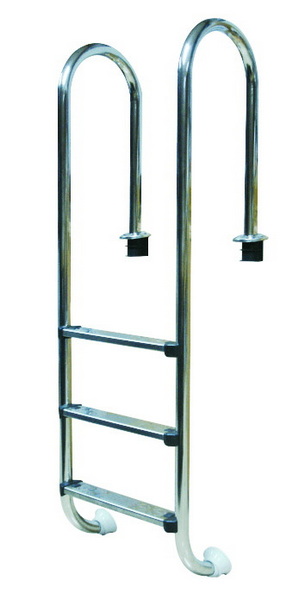
As a leading Chinese factory, our advanced filtration solutions and pool accessories are made with intelligent machines for longer lifespan and greater convenience. Pool ladder OEM/ODM options include:
- Lightweight resin or aluminum ladders for easy draining and movement
- Anti-corrosion stainless steel rail designs
- Custom designs with quick-drain caps and easy-to-clean surfaces
- Full accessory sets: sand filters, DE filters, cartridge filters, water pumps, LED lighting
For brands and wholesalers seeking private label ladders or complete pool kits with optimized draining features, contact our technical team for professional advice and fast sampling.
- Wear gloves to protect hands from sharp hardware or debris.
- Avoid lifting heavy ladders alone; get help if necessary.[2]
- Keep children and pets away from the area.
- Do not force stuck bolts - use lubricant, proper tools, or consult a professional.
- Secure pool area after ladder removal with fences or barriers.[1]
- Water won't drain: Try alternate tilting directions. Use a thin hose for hard-to-reach pockets.
- Sand leaks into pool: Remove sand outside pool. Replace sand with eco-friendly stabilizers for next use.
- Rusty bolts: Penetrating spray and gentle hammer taps help free stuck hardware.[9][8]
- Deck damage after removal: Patch holes with concrete filler to maintain safety.[2]
Draining a pool ladder is a key step in pool maintenance, seasonal closure, and hardware replacement. Proper draining protects your pool investment, ensures easier ladder removal, and enhances safety for all users. As an OEM manufacturer, we design smart pool ladders with easy-drain features, premium filtration systems, and full accessory support for international brands and wholesalers. Reach out today for custom solutions or technical help—our expert team delivers rapid sampling and advanced, reliable manufacturing.
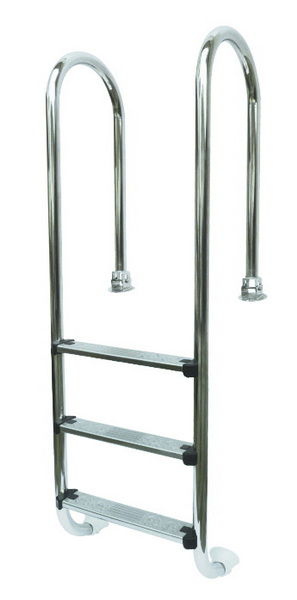
Tilt the ladder in several directions, allowing gravity to force water out through step joints or base holes. Siphoning with a garden hose may help.[7][3]
Lower the pool water with a submersible pump or hose to at least 1 foot below normal water level, making hardware and ladder easier to access.[5][4]
Yes. Remove all sand before winter; sand can damage pool liners if spilled or left in ladder steps.[3]
Yes. Modern pool ladder brands offer models with special drain caps and slotted step channels for fast draining and reduced lift weight. Contact your supplier for details.
Clean and lubricate regularly, store ladder dry and indoors, and use stainless steel hardware designed for outdoor pools.[1][2]
[1](https://blog.watsons.com/blog/remove-above-ground-pool-ladder)
[2](https://www.poolkingfilter.com/how-to-remove-inground-pool-ladder.html)
[3](https://www.reddit.com/r/pools/comments/1muzndr/whats_a_safe_and_smart_procedure_for_this_ladder/)
[4](https://pool.dreametech.com/blogs/blog/how-to-drain-a-pool-step-by-step-guide-for-beginners)
[5](https://lesliespool.com/blog/pool-draining-101-how-to-drain-a-pool.html)
[6](https://www.facebook.com/groups/637529959937311/posts/2040168213006805/)
[7](https://www.facebook.com/groups/637529959937311/posts/2566425247047763/)
[8](https://www.youtube.com/watch?v=4JtT3B246oA)
[9](https://www.youtube.com/watch?v=O09H6tW9WAk)
[10](https://www.istockphoto.com/photos/swimming-pool-draining)
[11](https://www.gettyimages.com/photos/swimming-pool-drain)
[12](https://www.shutterstock.com/search/swimming-pool-ladder)
[13](https://georgiapoolcleaning.com/how-to-clean-and-maintain-pool-ladders-and-rails/)
[14](https://www.youtube.com/watch?v=ioYl-25dDXY)
[15](https://www.propools.com/Products/Manuals/Man381_20181118147.pdf)
[16](https://www.tiktok.com/discover/how-do-i-drain-the-water-out-of-my-above-ground-pool-ladder)
[17](https://stock.adobe.com/de/images/ladder-of-dirty-swimming-pool-with-draining-water-before-cleaning-for-summertime-maintenance-concept-background/1203464353)
[18](https://www.youtube.com/watch?v=4Myn3ViypFU)
[19](https://www.facebook.com/groups/637529959937311/posts/2608349296188691/)
[20](https://www.youtube.com/watch?v=HFKoombKtPg)


