
Views: 222 Author: Tina Publish Time: 2025-09-13 Origin: Site


Content Menu
● What Is a Pool Filter Cartridge?
>> Illustration of a Pool Filter Cartridge and How Water Flows Through It
● Why Cleaning Pool Filter Cartridges Is Important
● How Often Should You Clean Pool Filter Cartridge?
>> Seasonal and Usage Considerations
>> Pressure Gauge as a Cleaning Indicator
● Step-by-Step Guide to Cleaning Your Pool Filter Cartridge
● How Often Should You Replace Pool Filter Cartridges?
● Comparing Cartridge Filters with Sand and DE Filters
● Tips for Prolonging Cartridge Life and Optimal Pool Maintenance
● Additional Cleaning and Maintenance Tips
● Environmental Factors Affecting Cleaning Frequency
● Signs You Might Need Professional Pool Filter Service
>> 1. How often should I clean my pool filter cartridge?
>> 2. Can I clean my cartridge filter with vinegar or household cleaners?
>> 3. How long does a pool filter cartridge last?
>> 4. What if my cartridge is damaged during cleaning?
>> 5. Should I remove the cartridge for winter?
Maintaining a clean and efficient pool filter cartridge is essential for keeping your swimming pool water crystal clear and healthy. This comprehensive guide covers everything you need to know about how often to clean pool filter cartridges, their maintenance, and practical tips for prolonging their lifespan. Whether you operate a backyard pool or a professional filtration system, this article will help ensure your pool stays sparkling and safe year-round.
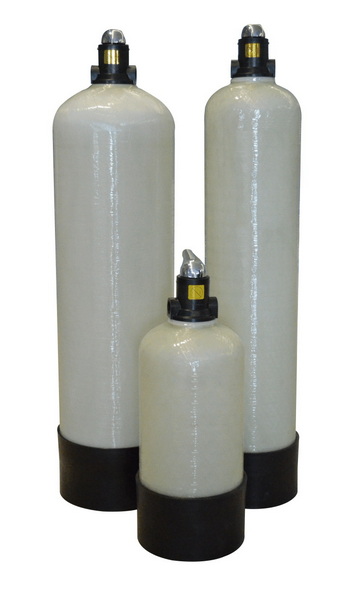
A pool filter cartridge is a critical component of a swimming pool's filtration system. It is typically made of pleated polyester fabric enclosed in a cylindrical shape that traps dirt, debris, and contaminants as water passes through it.
The cartridge works by filtering particles as small as 10-20 microns, which helps keep the pool water clean and free from fine dirt, pollen, bugs, and other contaminants. Unlike sand or DE filters, cartridge filters are more compact and require less water for cleaning but need more frequent maintenance.
Keeping the cartridge clean ensures:
- Proper water circulation by preventing clogs
- Efficient removal of dirt and debris from the pool
- Reduced strain on the pump and filtration system
- Extended lifespan of the filter cartridge
- Overall improvement in pool water quality and swimmer safety
The general recommendation is to clean your pool filter cartridge every 3 to 6 months. This timeline can vary based on:
- Pool size and usage frequency
- Local weather and environmental conditions
- Water quality and debris exposure
- High usage or hot summer months: Every 2 to 3 months, or even monthly if the pool experiences heavy debris load.
- Low usage or winter months: Cleaning can extend to every 6 months or when the pool is reopened for the season.
- Rainy weather: After heavy rains, which wash more dirt and debris into the pool, cleaning the cartridge sooner is advisable.
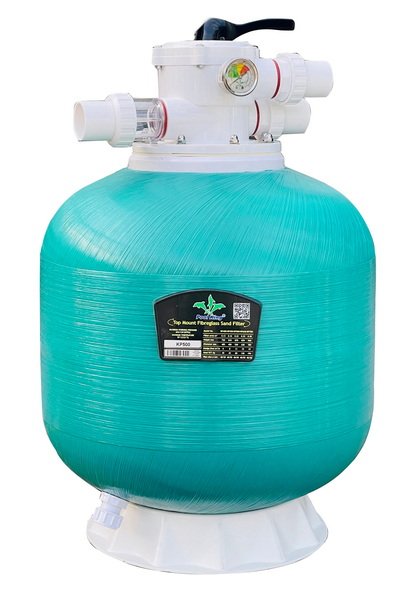
Monitoring your pool filter's pressure gauge is a practical way to know when to clean. When the pressure rises 8 to 10 PSI above normal, it signals the cartridge is clogged and needs cleaning.
1. Turn off the pool pump and all electrical equipment to ensure safety.
2. Remove the cartridge from the filter housing carefully.
3. Use a garden hose to spray water at a 45-degree angle along the pleats to dislodge debris.
4. For stubborn dirt or oils, soak the cartridge in a pool filter cleaning solution for at least 6 hours.
5. Rinse thoroughly with clean water and let the cartridge air dry completely before reinstalling.
6. Inspect for tears or damage; if present, consider replacing the cartridge.
Even with regular cleaning, cartridges need replacement approximately every 2 to 4 years, depending on usage and water conditions. Signs that replacement is necessary include:
- Filter pleats becoming damaged or torn
- Irreversible clogging despite cleaning
- Significant decrease in pool water clarity
Replacing the cartridge timely helps maintain peak filtration efficiency and prevents damage to pool pumps.
| Feature | Cartridge Filter | Sand Filter | DE Filter |
|---|---|---|---|
| Cleaning Frequency | Every 3-6 months | Every 3-5 years (backwash) | Every 1-3 years (backwash) |
| Removal of fine particles | Very effective (10-20 microns) | Less effective | Highly effective (small particles) |
| Water usage for cleaning | Low (rinse and soak) | High (backwash uses water) | High (backwash uses water) |
| Maintenance effort | Moderate | Low | Moderate |
| Cost | Moderate | Low to moderate | High |
- Use pre-filter skimmer socks to catch large debris before it reaches the cartridge.
- Regularly check and balance pool chemistry to prevent algae and scale buildup.
- Ensure the pump and filter system are correctly sized for your pool.
- Rotate between multiple cartridges if possible, allowing cleaned cartridges to dry completely before reuse.
- Store spare cartridges in a dry, clean place.
For sustained filter performance and to avoid premature wear, consider the following advanced maintenance tips:
- Monthly Flushing of Filter Housing: Occasionally flush out the filter housing by opening the drain valve to remove any trapped debris or sediment that may accumulate at the bottom. This practice can prevent clog buildup that doesn't get captured by the cartridge.
- Avoid Using Harsh Chemicals: When cleaning, avoid bleach or household detergents which may damage the filter fabric. Use only pool-specific cartridge cleaning solutions that are designed to break down oils and organic contaminants safely.
- Allow Thorough Drying: After soaking and rinsing, let the cartridge dry completely if possible for several hours or overnight. This drying helps kill bacteria and can extend the cartridge's life.
- Inspect O-Rings and Seals: During each cleaning cycle, examine the filter's O-rings and seals for signs of wear or cracking. Replacing these can help maintain a proper seal and prevent leaks which can reduce filtering effectiveness.
- Winter Storage Care: If shutting down the pool for the winter, clean the cartridge thoroughly and store it in a dry, frost-free environment. Freezing moisture inside a dirty cartridge can cause damage.
Environmental influences play a significant role in determining how often the filter cartridge requires cleaning:
- Urban or Industrial Areas: Pools located near heavy traffic, factories, or construction may accumulate more airborne pollutants and dust, necessitating frequent cleaning.
- Pollen Seasons: In spring and early summer when pollen levels are high, cartridges may clog faster.
- Tree Cover: Pools surrounded by trees will likely see more leaves, seeds, and organic waste, increasing cleaning frequency.
- Algae Growth: Poor water chemistry or sunscreen buildup can accelerate organic fouling of cartridges requiring more diligent maintenance.
Adjust cleaning schedules based on these conditions for best results.
While routine cleaning can be managed at home, certain problems may require professional attention:
- Persistent high pressure on the gauge despite cleaning efforts.
- Visible damage to filter housing or seals.
- Frequent loss of water pressure or pump cycling on/off.
- Pool water remains cloudy or has algae despite regular cleaning.
- Difficulty removing or handling cartridges due to corrosion or mechanical failures.
Professional servicing can include deep chemical cleaning, repairing or replacing worn parts, and ensuring the filtration system operates within manufacturer specifications.
Cleaning your pool filter cartridge regularly is essential for maintaining clean, clear, and healthy pool water. Depending on usage and conditions, cleaning should occur every 3 to 6 months, with increased frequency during heavy pool usage or adverse weather. Keeping an eye on pressure gauge readings helps avoid clogging and pump strain. Proper cleaning methods, timely cartridge replacement, and routine pool maintenance work hand-in-hand to ensure your pool filtration system runs smoothly and your water stays refreshing and safe for swimmers year-round. Additional care such as monthly housing flushes, careful drying, and professional servicing when necessary can greatly extend cartridge life and efficiency, making your pool maintenance routine less stressful and more effective.
Typically every 3 to 6 months, or when the pressure gauge rises 8-10 PSI above normal.
No. Use pool filter cleaning solutions recommended by manufacturers to avoid damage.
About 2 to 4 years depending on maintenance and pool usage.
Replace it immediately to prevent debris entering your pool system.
Yes, clean and dry the cartridge before storing it in a dry place through winter months.
[1](https://poolsoffun.com/your-complete-guide-to-pool-cartridge-filters/)
[2](https://www.youtube.com/watch?v=XALCzucsuoU)
[3](https://envirowaste.com.au/mastering-pool-filter-maintenance/)
[4](https://www.thepoolco.com.au/blog/pool-filter-guide)
[5](https://www.instructables.com/How-to-Clean-a-Pool-Cartridge-Filter-System/)
[6](https://hurricane-pool-filters.com/blogs/insights/pool-maintenance-101-how-to-clean-a-pool-filter-cartridge)
[7](https://www.poolwerx.com.au/blog/diy-advice/how-to-maintain-a-pool-filter/)
[8](https://www.pentair.com/en-us/education-support/water-education-center/pool-and-spa-education/cleaning-and-maintaining-your-pool-filters.html)
[9](https://spspoolcare.com/blog/understanding-pool-filters-a-comprehensive-guide/)
[10](https://pool.dreametech.com/blogs/blog/how-often-to-clean-pool-filter-complete-guide)


