
Views: 222 Author: Tina Publish Time: 2025-07-23 Origin: Site


Content Menu
● What Is a Sand Filter and Why Is Sand Important?
>> The Role of Sand in Filtration
● How Sand Filters Work: Anatomy and Operation
● How Much Sand Does Your Pool Filter Need?
>> Sizing Charts by Filter Diameter
>> Reference by Popular Models
>> Why Accurate Sand Measurement Matters
● Step-by-Step Guide: Adding and Replacing Sand in Your Pool Filter
>> Instructions with Key Points
>> Additional Tips for Sand Replacement
● Maintenance Tips for Sand Filter Longevity
>> Best Practices for Filters with LED Lighting and Accessories
● Common Problems and Troubleshooting
● Frequently Asked Questions (FAQ)
>> 1. What type of sand is required for pool filters?
>> 2. How often should I change my sand filter media?
>> 3. Can I use alternative media instead of sand?
>> 4. What happens if I add too much sand to my filter?
>> 5. Why is sand returning to my pool from the filter?
>> 6. Is backwashing necessary after adding new sand?
>> 7. How can I tell if my filter sand is clogged or “mudded”?
A crystal-clear swimming pool is the hallmark of a well-maintained backyard oasis, especially during the warm summer months. The key to achieving sparkling water lies in the filtration system—and at the heart of many of these systems is the sand filter. For both novice pool owners and seasoned pool operators, understanding exactly how much sand is required for your above ground pool filter is crucial for effective filtration, water clarity, and the longevity of your equipment. This comprehensive guide will walk you through the science of pool filter sand, sizing recommendations, real-world installation tips, common mistakes to avoid, and maintenance procedures, all illustrated with diagrams and practical video guides.
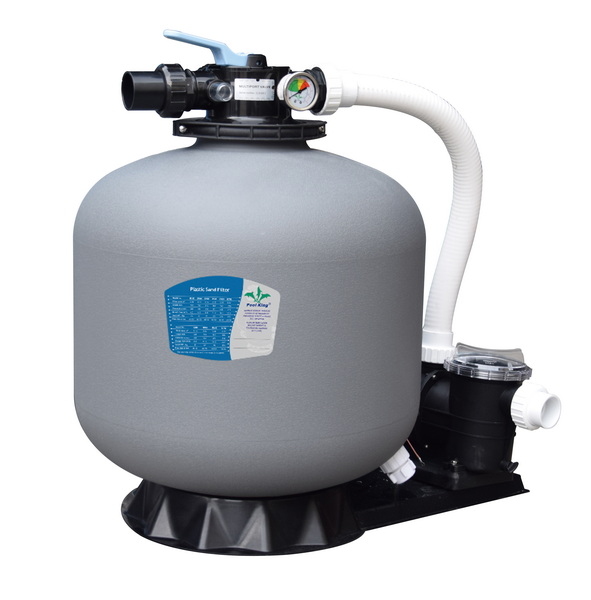
A sand filter uses specially graded silica sand as a natural filtration medium. As water flows through the sand, tiny particles of dirt and debris are trapped in the sharp edges and interstices of the grains, while clean water is returned to the pool.
- Low Maintenance: Require backwashing and sand replacement only every few years.
- Cost-Effective: Sand is affordable, and filters are durable.
- Efficient: Remove contaminants as small as 20 microns.
- Simple Operation: Sand filters require minimal technical skills to operate.
- Environmentally Friendly: Does not require frequent chemical media changes.
Understanding the important role of the sand component will help you appreciate why measuring the correct amount of sand is vital for pool system performance.
A typical above ground pool sand filter consists of:
- Tank: Holds the sand and water.
- Multi-port Valve: Directs water flow for filtration, backwashing, rinse, or waste.
- Laterals: Slotted pipes at the base that prevent sand from escaping.
- Pump: Circulates pool water through the filter.
- Water is drawn from the pool by the pump.
- It enters the filter tank and percolates through the sand bed.
- Debris is trapped by sand; clean water exits through laterals.
- Water returns to the pool.
This simple yet effective design ensures continuous purification without the need for additional chemicals, reducing maintenance costs and keeping pools safe and welcoming.
There is no universal answer to the sand quantity question, as it depends on your pool filter's model and tank diameter. However, manufacturers offer recommended guidelines based on their equipment specifications. Using the correct amount is critical—too little sand results in murky water, while overfilling can restrict water flow and damage internal parts.
- Always consult your filter's manual for exact sand requirements.
- If the manual is unavailable, use the filter tank diameter as a guide.
- The standard rule: fill two-thirds to three-quarters of the tank with filter sand.
Here is a consolidated reference for common above ground pool sand filters:
| Filter Diameter | Pounds of Sand to Add | Typical Filter Models |
|---|---|---|
| 16 inches | 100 lbs | Hayward S166T, Hydrotools 16" |
| 18 inches | 150 lbs | Hayward S180T |
| 19 inches | 150–175 lbs | AquaPro 19", Hydrotools 19" |
| 20 inches | 200 lbs | Hayward S210T |
| 22 inches | 250 lbs | |
| 23 inches | 250 lbs | Hayward S230T |
| 24 inches | 300 lbs | AquaPro 24", Hydrotools 24" |
| 25 inches | 300 lbs | |
| 27 inches | 350 lbs | |
| 30 inches | 500 lbs | |
| 36 inches | 700 lbs |
| Filter System | Sand Needed |
|---|---|
| Hayward S166T 16" | 100 lbs |
| Hayward S180T 18" | 150 lbs |
| Hayward S210T 20" | 200 lbs |
| Hayward S230T 23" | 250 lbs |
| Pentair SD40 | 150 lbs |
| AquaPro 19" | 150 lbs |
| AquaPro 24" | 300 lbs |
| Hydrotools 16" | 100 lbs |
| Hydrotools 19" | 175 lbs |
| Hydrotools 24" | 300 lbs |
If model data isn't available:
- Fill to 2/3 or 3/4 of the tank's height.
- Avoid under- or overfilling.
- Many tanks have fill level marks.
Accuracy in the amount of sand used can impact:
- Filtration Efficiency: Insufficient sand leads to poor filtering; excess sand creates backpressure.
- Water Flow: Overfilled filters reduce water flow, stressing the pump.
- Filter Longevity: Correct sand levels prevent damage to laterals and internal mechanisms.
- Energy Consumption: Proper sand quantity allows the pump to work efficiently, lowering energy costs.
Thus, the ideal sand quantity balances performance, energy use, and equipment lifespan.
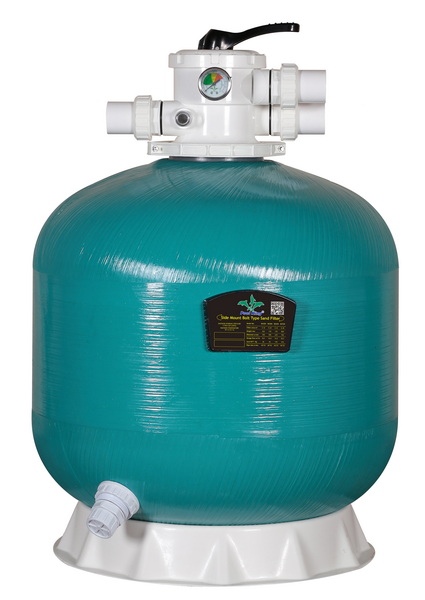
Regular replacement or addition of pool filter sand is fundamental to maintaining a clear pool. Over time, the sand grains become worn and round, losing their ability to trap contaminants effectively.
1. Turn off the Pump: Remove power supply before opening any part of the system for safety.
2. Open the Filter: Remove the multi-port valve or top cover carefully, avoiding damage to seals.
3. Protect Laterals: Cover central standpipe with a cup or tape to prevent sand from entering and clogging the system.
4. Remove Old Sand: Use a shop vacuum, a bucket, or scoop to remove old sand thoroughly. Old sand can compact and lose filtering ability.
5. Inspect Internal Parts: Look for cracked or worn laterals. Damaged parts must be replaced to avoid sand flow-through.
6. Prepare to Add New Sand: Fill the tank halfway with water. The water cushions the laterals and reduces particle impact.
7. Pour in Sand Slowly: Gradually add #20 filter grade sand ensuring even distribution to avoid channeling.
8. Restore Assembly: Remove the standpipe protector; replace valve assembly tightly to prevent leaks.
9. Backwash New Sand: Run pump on backwash setting to remove dust and fine particles from new sand—run for 3–5 minutes.
10. Resume Normal Filtration: Switch valve to "filter" and monitor system pressure for proper operation.
- Always wear a dust mask to avoid inhaling fine silica dust.
- Use clean, high-quality silica sand to prevent filter damage.
- Record the date of sand replacement to manage service intervals effectively.
Good maintenance practices prolong your sand filter's life and maintain pool water quality.
- Backwash Regularly: Every 2–4 weeks or whenever the pressure gauge reads 7–10 PSI above the clean starting pressure.
- Rinse After Backwash: Prevents sand shifting and removes remaining debris.
- Annual Inspection: Open the filter to inspect sand uniformity and laterals integrity.
- Sand Replacement Interval: Generally, every 2–4 years, sooner if filtration quality deteriorates.
- Pressure Gauge Monitoring: An unusual rise or drop in pressure can indicate filter issues.
Modern pool filters often include LED lights and accessories for convenience and monitoring:
- Check LED indicators to monitor filter status.
- Integrate compatible water pumps and accessories for system optimization.
- Utilize smart controllers for automated backwashing and diagnostics.
| Problem | Possible Cause | Solution |
|---|---|---|
| Cloudy Water | Not enough sand, old/dirty sand | Backwash or replace sand |
| High Pressure | Overfilled sand | Remove excess sand to correct level |
| Sand in Pool | Broken laterals or standpipe | Open tank and replace broken parts |
| Slow Water Flow | Sand too fine, clogged filter | Use #20 grade sand; perform backwash or replace sand |
| Pump Losing Prime | Air leak or clogged laterals | Check connections; repair leaks and clean filter |
| Filter Leaking | Damaged gasket or valve malfunctions | Replace gasket or service valve |
Determining how much sand your above ground pool filter needs is fundamental for maintaining sparkling clean pool water and extending the life of your filtration system. While manufacturer guidelines provide precise sand amounts for specific models, the general rule of thumb is to fill the filter tank two-thirds to three-quarters full with #20 silica filter sand. Proper sand quantity improves filtration efficiency, preserves pump health, and reduces energy consumption.
Following our detailed installation, maintenance, and troubleshooting steps ensures optimal filter performance. Routine backwashing and periodic sand replacement, paired with correct sand measurement, keep your pool water crystal clear season after season.
As a professional manufacturer specializing in premium sand filter tanks, water pumps, LED lighting, and accessories, our goal is to supply high-quality products and OEM services that empower you to maintain perfect pool water effortlessly.
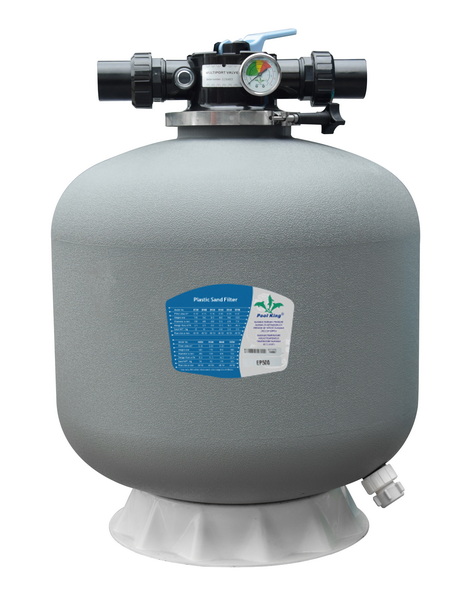
Pool filters require #20 grade silica sand. This sand is specially processed with uniform grain size and angularity for optimal filtration. Using beach sand or play sand can cause clogging or ineffective filtering.
Filters typically need sand replacement every 2–4 years. If you notice cloudiness, increased backwash frequency, or high pressure without debris, it may be time to replace the sand.
Yes, options like glass media or filter balls exist. They often clean better and last longer but ensure they are compatible with your filter system before switching.
Overfilling can restrict water flow causing increased backpressure and potential pump strain. Remove the excess sand to restore normal operation.
This usually indicates damaged or broken laterals or standpipe inside the filter tank. Open the tank, inspect, and replace any broken parts immediately.
Absolutely. New sand contains dust and finer particles that will cloud your pool water if not washed out. Backwash for 3–5 minutes after installation.
If pressure stays high after backwashing and water flow is slow, the sand may have compacted. It's often time to replace the sand media.


