
Views: 222 Author: Tina Publish Time: 2025-10-03 Origin: Site


Content Menu
● Why Should You Consider a Pool Ladder Mat?
● Risks of Not Using a Pool Ladder Mat
● Do Inground and Above Ground Pools Both Benefit?
● How to Install a Pool Ladder Mat
● Real-Life Situations Where Ladder Mats Prove Useful
● Maintenance Tips for Pool Ladder Mats
● Featured Pool Ladder Mats and Accessories
● FAQs
>> 1. Can I substitute a normal mat for a ladder mat?
>> 2. How long will my pool ladder mat last?
>> 3. Do ladder mats stop all liner damage?
>> 4. Are ladder mats available in different sizes?
>> 5. Can pool ladder mats be customized for commercial needs?
A pool ladder mat is a specially designed pad placed beneath the legs or base of a pool ladder, both inside and outside the pool. It is usually made from thick, durable, non-slip materials such as rubber or heavy-duty vinyl. The mat serves as a barrier between the ladder and the pool liner, protecting delicate surfaces from punctures, tears, and long-term damage.
Its utility goes beyond protection. A ladder mat also provides a non-slip, cushioned surface for swimmers stepping into and out of the pool. This small addition can make swimming more comfortable and significantly safer, especially for families with children or elderly swimmers.
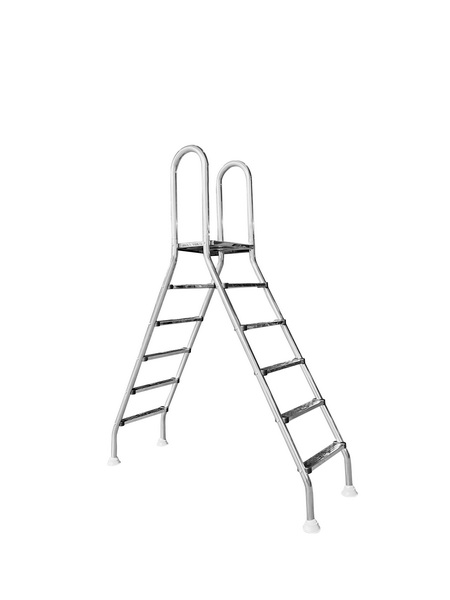
Some pool owners hesitate to invest in accessories, thinking they are optional. However, a ladder mat can actually save money and reduce risks. Here are key reasons to use one:
- Liner protection: Without a mat, metal or hard plastic ladder feet can press directly into the pool liner. Over time, this pressure can cause stretching, indentations, or punctures. Such damage often requires costly patching or complete liner replacement.
- Safety enhancement: Ladder mats are slip-resistant, providing stability for the ladder and reducing the chance of it shifting when swimmers climb in or out.
- Comfort: Swimmers stepping barefoot onto the mat will appreciate the cushioning effect, particularly against hard or hot pool bottoms.
- Extended pool life: By reducing stress and wear, mats contribute to longer-lasting pool liners and overall pool durability.
- Budget-friendly solution: Compared to the high expense of liner repairs, a mat is an affordable preventive investment.
If you decide against using a mat, you may face certain risks, including:
- Permanent liner damage: Pool ladders without mats may cause long-term indentations or holes.
- Unexpected repair costs: A new pool liner typically costs hundreds or even thousands of dollars, not including installation labor.
- Injury hazards: An unstable or slippery ladder base without mat support increases the risk of falls. For children and elderly swimmers, this can be particularly dangerous.
Thus, skipping this accessory could lead to larger expenses and greater safety issues.
Pool ladder mats are not one-size-fits-all. They come in different materials, thicknesses, and features. Understanding the options will help you choose the best one for your setup.
1. Rubber Mats
- Thick, durable, and designed for heavy use.
- Provide excellent traction.
- Tend to last for multiple seasons.
2. Vinyl Mats
- Lightweight and flexible.
- More affordable but slightly less durable.
- Easy to install and reposition.
3. Textured Anti-Slip Mats
- Feature grooves or patterned surfaces for extra grip.
- Ideal for families with children for added safety.
4. Weighted Mats
- Designed to remain in place underwater.
- Useful for deeper pools or heavy ladders.
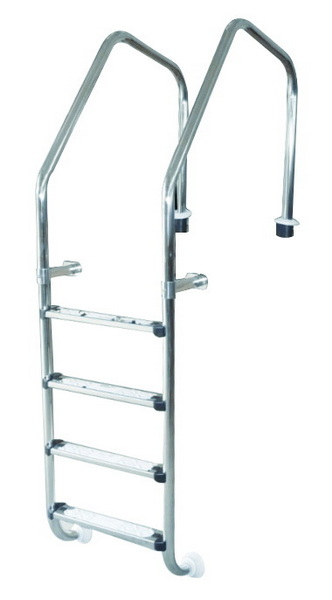
Both types of pools gain significant benefits from ladder mats.
- Above Ground Pools: Usually have vinyl liners, which are more prone to tears and scrapes. A mat is highly recommended here to prevent unavoidable damage.
- Inground Pools: Even pools with concrete or fiberglass bases benefit from ladder mats. Mats prevent ladder shifting, provide extra stability, and increase comfort at entry and exit points.
Whether your pool is temporary or permanent, mats add low-cost protection and convenience.
Thankfully, installing a ladder mat is one of the simplest pool tasks you'll ever perform.
Steps to install:
1. Remove your pool ladder if already attached.
2. Place the ladder mat flat in the desired spot.
3. Gently place your ladder legs or base directly onto the mat.
4. Check stability by applying slight pressure.
5. Ensure the mat doesn't interfere with ladder handles or steps.
- Family pools: Kids often jump on or roughhouse near ladders. A mat helps absorb extra force, preventing liner damage.
- Public pools: With constant high usage, mats increase safety and extend pool maintenance cycles.
- Saltwater pools: Ladders in saltwater pools need added protection against corrosion and shifting. Mats provide grip and stability.
- Commercial resorts: Where aesthetics and guest safety are top priorities, mats demonstrate proactive care.
To get the most life out of your ladder mat, follow these care practices:
- Rinse regularly to remove chlorine, salt, and debris.
- Inspect every season for cracks, thinning areas, or surface wear.
- Store indoors during off-seasons to prevent sun and weather damage.
- Avoid sharp metal contact that may cut the mat.
With proper care, most mats last 3–5 years or longer.
If you choose to add a ladder mat, these options are widely recommended:
- Blue Wave Premium Vinyl Mat – 9” x 30”, designed for vinyl liner protection.
- Swimline Protective Rubber Mat – Heavy-duty rubber construction, non-slip design.
- Textured Mats with Anti-Skid Grip – Best for children's safety.
- Custom OEM Mats – Manufactured in China, available for brands and wholesalers in bulk orders, with customization options for shape, thickness, and materials.
Additional complementary accessories may include:
- Ladder bumpers
- Step pads
- Weighted anchors
- Handrail sleeves for grip
While it may seem like a minor detail, a pool ladder mat plays a crucial role in preserving your pool and ensuring safety for swimmers. By protecting delicate pool liners, preventing slips, stabilizing ladders, and adding comfort, mats significantly reduce long-term maintenance costs. Both above ground and inground pools benefit from them, and installation is quick and effortless.
If you are serious about extending the lifespan of your pool and maintaining safety, placing a mat under your pool ladder is not optional—it's essential. For pool owners, brand managers, wholesalers, and anyone in the swimming pool industry, this accessory brings high value at a low cost.
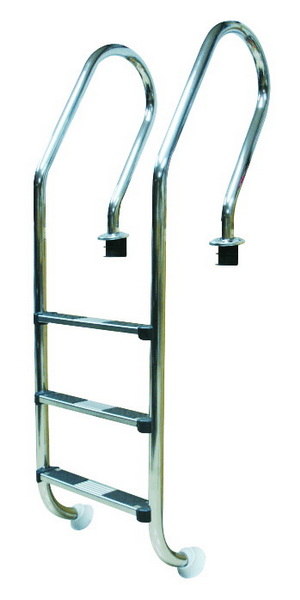
No. Standard mats are not designed for underwater conditions and may deteriorate quickly. Always choose mats made specifically for pool use.
With proper maintenance, most mats last between 3 to 5 seasons before requiring replacement.
They significantly reduce the risks but do not guarantee 100% protection if the ladder is misused.
Yes, many mats are universal, but you should always check dimensions to match your ladder size.
Yes. Manufacturers, particularly OEM suppliers in China, offer bulk customization for dimensions, materials, and branding.


