
Views: 222 Author: Tina Publish Time: 2025-11-16 Origin: Site


Content Menu
● Why Timing Matters: Day vs. Night Operation
>> Benefits of Running During Daylight Hours
>> Benefits of Running at Night
>> The Smart Approach: Split Scheduling
● How Long Should You Run Your Pool Pump?
● Choosing the Right Pool Pump and Controls
>> Pump Types
● Installation and Setup Best Practices
● Understanding Pool Pump Components
● Step-by-Step: Setting and Using Your Pool Pump Timer
● Advanced Automation and Smart Pool Management
● Maintenance Essentials: Keeping Your System at Its Best
● Troubleshooting Common Issues
● Pool Lighting and Accessories: Integrating with Pump Control
● Commercial and OEM Solutions for Pool Professionals
● Pool Pump Operation: Key Takeaways
>> 1. How can I save the most money running my pool pump?
>> 2. How do I know if my pump is sized correctly for my pool?
>> 3. What maintenance is essential for long-lasting performance?
>> 4. Can smart pool controllers really reduce labor?
>> 5. Why does my pump lose suction or get noisy?
Running your pool pump at optimal times isn't just about saving money on your energy bill—it's also the secret to cleaner, clearer, healthier pool water. Whether you're a first-time pool owner or manage multiple commercial swimming pools, mastering pool pump operation is the cornerstone of crystal-clear water and long-lasting equipment. This practical guide explores everything you need to know, from energy savings and filtration science to maintenance, automation, troubleshooting, and new technology.[1][3][9]
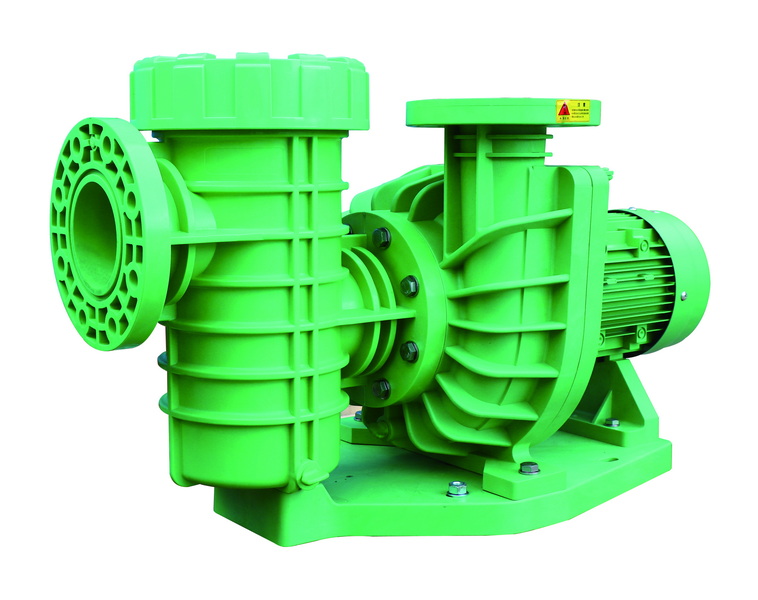
At the heart of every healthy pool is a reliable filtration system, powered by your pool pump. The pump draws pool water through skimmers and drains, pushes it through your filter (sand, DE, or cartridge), and returns it—clean and sanitized—back into your swimming pool.
- Sand filters use fine silica or glass media to trap debris and particles. They require backwashing to clean out accumulated dirt and maintain flow.[10]
- Diatomaceous Earth (DE) filters provide ultra-fine filtration using natural DE powder. They trap the smallest particles but need periodic cleaning and powder replacement.
- Cartridge filters use replaceable pleated cartridges for efficient, low-maintenance filtration.
Proper pump operation not only ensures each gallon of water passes through your filter, but it also keeps pool chemicals evenly distributed—vital to preventing algae and keeping water safe for swimmers.[3][9]
- Algae Control: Sunlight accelerates algae growth. Running your pump during sunny hours allows your system to filter out algae spores as they multiply, limiting outbreaks and reducing reliance on harsh chemicals.
- Chemical Distribution: Daytime operation disperses chlorine and other sanitizers when sunlight is actively degrading them, keeping water balanced.
- Debris Removal: Many contaminants enter the pool during the day (leaves, insects, sunscreen), so filtering soon after entry keeps water noticeably cleaner.[11][12][1]
- Energy Cost Savings: Many utilities offer lower nighttime rates, reducing the cost of operation, especially for large systems or in regions with high daytime electricity prices.
- Cooler Equipment: Pumps may run more efficiently in cooler ambient temperatures after dark, potentially extending their lifespan and reducing thermal stress.
For most pool owners and commercial operators, the ideal solution is to split daily pump operation between peak algae/contaminant hours (late morning to mid-afternoon) and labor- or cost-saving hours (overnight), maximizing cleanliness and economy:
- Typical schedule example: 10am–2pm and 1am–5am.
- Use programmable timers or smart controllers for precision and convenience.
The optimal daily run time depends on several factors:
- Pool volume: Larger pools require longer circulation times for a full water turnover.
- Usage frequency: Pools used daily, or those heavily exposed to organic debris, need longer filtration cycles.
- Filter type and condition: Efficient, clean filters require less pump time than clogged or undersized systems.
- Climate: Hot, sunny climates accelerate algae and bacteria growth, increasing pump time needs.
General rule: Run your pump enough to turn over the entire pool volume once per day—typically 8 to 12 hours. Adjust this baseline up or down depending on unique conditions and water clarity.[8][1]
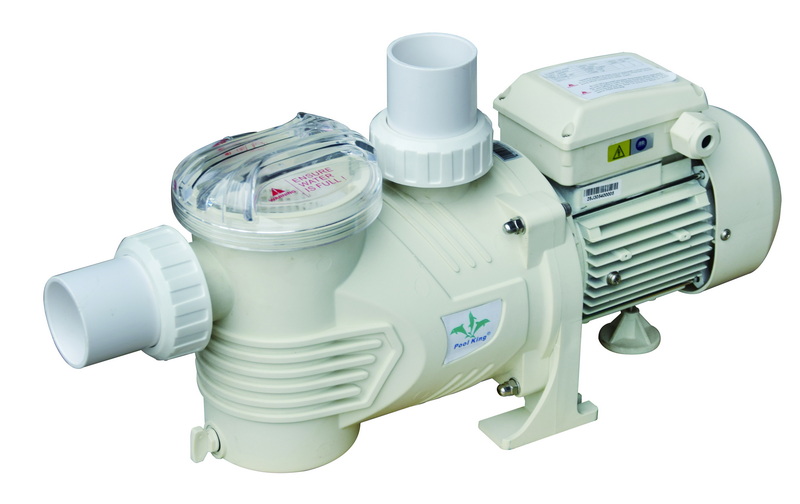
- Single-speed pumps: Traditional, run at one speed, often least energy efficient but lower up-front cost.
- Two-speed pumps: Allow a low-speed (energy-saving) setting for circulation and a high-speed setting for cleaning or backwashing.
- Variable-speed pumps (VSPs): Most energy efficient, offer customizable speeds and programming, often required by energy codes for new installations.[2]
An undersized or poor-quality pump will struggle to keep water clear, burning out sooner and leading to higher energy bills. Oversized pumps waste electricity and can damage plumbing or filters. Always size your pump and filter together, based on pool volume and dynamic head (resistance in your plumbing).[7]
- Install pool pumps and filter systems on a stable, level pad close to the pool for best performance and easier maintenance.
- For above waterline installations, use a self-priming pump to prevent airlocks.
- Ensure all plumbing connections are tight and free of leaks to maintain suction and system efficiency.[5][7]
Your pool pump consists of several key parts that require regular oversight:
- Motor: Drives the impeller and must stay dry; watch for noise or overheating.
- Impeller: Moves water; check for clogs or cracks during maintenance.
- Strainer basket: Captures leaves and debris before they reach the impeller.
- Lid and O-rings: Ensure a tight seal to prevent air entry and loss of prime.[3][5]
1. Calculate turnover needs: Find your pool's volume (in gallons/liters) and ensure pump run time achieves at least one complete turnover each day.
2. Set timer for split operation: Program at least four hours during daylight and four at night, tweaking as needed for water clarity or utility rates.
3. Review and adjust: Change run times seasonally or after heavy usage, storms, or chemical treatments for best water quality.[1]
Modern automation systems let you:
- Schedule pump run times with the push of a button via smartphone app or poolside panel.
- Integrate lighting, heating, and sanitation systems for seamless operation.
- Get notifications about system errors, leaks, or low flow.
Investment in smart controllers not only boosts efficiency, it helps prevent overlooked maintenance and mitigates costly system failures.
- Check water level and top off as necessary to keep skimmers working.
- Empty skimmer and pump baskets of leaves and debris.
- Listen for unusual pump noises or observe vibrations.
- Clean or backwash your filter according to manufacturer recommendations.
- Inspect all hoses, O-rings, and connections for leaks or wear. Lubricate seals with silicone as needed.
- Clean pump impeller and remove potential obstructions.
- Rinse and inspect strainer baskets, replacing if cracked or damaged.[5][3]
- Remove winter covers and reconnect equipment.
- Prime pump with water before starting.
- Test pump for proper suction and pressure; resolve any leaks before full operation.[6][3]
1. Turn off pump power.
2. Remove strainer lid and basket; clear debris by hand and rinse with hose.
3. Access impeller if needed (consult manual); use brush to remove buildup.
4. Flush with water, avoiding electrical connections.
5. Reassemble, ensure seals are tight, and restart system.
- Pump won't prime or loses prime: Check for air leaks, low water level, or clogged baskets/impeller.
- Low pressure: May indicate dirty filter, clogged impeller, or suction-side leaks.
- Noisy operation: Can result from failing bearings, debris in pump, or misalignment.
- Pump won't start: Look for tripped breakers, timer errors, or electrical faults (call licensed technician as needed).
LED pool lights not only boost safety and ambiance for night swimming, they can be programmed alongside your pump for synchronized operation. Key benefits:
- Enhanced visibility for evening maintenance.
- Color-changing effects for parties or relaxation.
- Energy-efficient, durable, and compatible with automation systems.
Smart accessories, such as robotic cleaners, can also be integrated to run during scheduled pump cycles for hands-off cleaning.
If you operate as a distributor, OEM, or commercial pool manager, advanced filtration solutions deliver:
- Heavy-duty sand, cartridge, and DE systems for any pool size.
- Integration-ready controls—compatible with BMS or third-party automation.
- Optional high-flow LED lighting, energy-efficient water pumps, and tailored accessory bundles.
- Responsive after-sales support and custom branding for global markets.
- Run your pool pump during both sunlight and off-peak hours for best cleaning and efficiency.
- Match pump and filter size to pool volume and flow needs.
- Automate for convenience and maximum energy savings.
- Maintain your system regularly to minimize breakdowns and extend lifespan.
Running your pool pump at the right times—balancing algae control, chemical distribution, and energy savings—is crucial for crystal clear water and a safe, healthy swimming environment. Split your pump schedule between midday and night hours for the best results. Regularly maintain your pump, invest in smart controls, and select quality equipment sized to your pool for maximum reliability and long-term savings. Whether you're a home pool owner or a large-scale facility manager, strategic pump operation and regular upkeep keep swimming pools sparkling, efficient, and enjoyable all season.
Use a programmable timer to shift as much run-time as possible into local utility off-peak hours, and invest in a variable-speed pump to maximize energy savings without compromising water quality.[2]
Your pump should achieve at least one full turnover of your entire pool volume in 8–12 hours. Undersized pumps won't keep water clear; oversized pumps waste energy and shorten equipment life.[9][7]
Empty skimmer and pump baskets daily, clean or backwash filters monthly, inspect and lubricate seals, and check the impeller for blockages. Annually, schedule professional inspection of all components.[3][5]
Yes—automation systems handle scheduling, alert you to issues, and often allow remote monitoring, cutting down manual adjustments and catching problems before they cause downtime or damage.
Most problems arise from clogged baskets/impellers, low water levels (air entering the system), worn seals, or improper installation. If troubleshooting doesn't resolve it, seek professional service.[7][5][3]
[1](https://poolicons.com/pool-maintenance/complete-beginners-guide-to-pool-pump-operation/)
[2](https://www.swimuniversity.com/variable-speed-pool-pumps/)
[3](https://lesliespool.com/blog/the-ultimate-pool-pump-maintenance-guide.html)
[4](https://www.capitolpool.com/service/operating-instructions)
[5](https://poolpartstogo.com/blogs/articles/installation-and-maintenance-tips-for-pool-pump)
[6](https://www.youtube.com/watch?v=SPOzgmXgTlk)
[7](https://blog.royalswimmingpools.com/blog/what-horse-power-pump-should-i-get-for-my-pool)
[8](https://bpspools.com/complete-pool-pump-guide/)
[9](https://www.pentair.com/en-us/education-support/water-education-center/pool-and-spa-education/pool-pump-information-guide.html)
[10](https://www.aquaheat.cn/mediacenter/info.aspx?itemid=2259&lcid=21)
[11](https://www.homestratosphere.com/best-time-to-run-pool-pump/)
[12](https://www.aaronpoolsandspas.com/pool-pumps-the-best-time-to-run-your-pump/)


