
Views: 222 Author: Tina Publish Time: 2025-10-16 Origin: Site


Content Menu
● What makes a sand ideal for pool filters?
● Common types of pool filter media
● How to choose the best sand for your pool filter
>> Maintenance and replacement
● Frequently asked questions (FAQs)
>> 1) What is the best sand for pool filter?
>> 2) Can I use play sand in a pool filter?
>> 3) How often should I backwash a sand filter?
>> 4) Is glass media better than sand for a pool filter?
>> 5) How long does sand last in a pool filter?
An in-depth guide to selecting the right sand for pool filtration, tailored for OEM manufacturers, wholesalers, and brands looking to optimize sand filter performance. This article covers how sand filters work, what makes pool filter sand effective, and practical guidance for choosing, installing, and maintaining the ideal sand grade for various pool types.
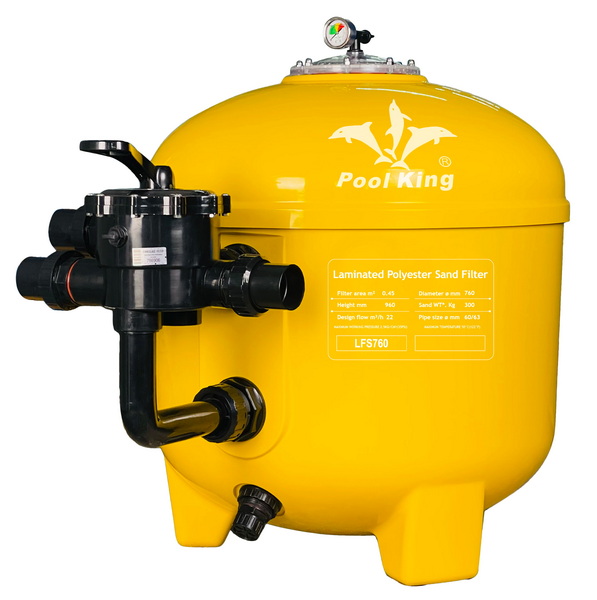
Sand filters are a cornerstone of many swimming pool filtration systems. The choice of sand directly affects filtration efficiency, backwashing frequency, and overall maintenance costs. In this guide, we will:
- Explain how sand filtration works and what characteristics matter (grain size, shape, texture, and alkalinity).
- Compare common sand options (silica sand, filter sand, and alternative media).
- Provide practical selection criteria for different pool environments and usage patterns.
- Outline installation and maintenance best practices.
- Include a set of frequently asked questions and concise answers.
If you are an OEM supplier, use this framework to help your clients select the right media for their pools and to communicate clear specifications in product datasheets.
A sand filter uses a bed of sand to capture dirt and debris as water passes through. The clarified water exits via the outlet, while dirty water is backwashed to remove trapped particles. Three key parameters influence performance:
- Grain size distribution: A well-graded mix supports effective particle capture while allowing water to pass through with minimal pressure loss.
- Grain shape and hardness: Spherical or sub-angular grains resist fracturing and maintain porosity over time.
- Bed depth and compaction: A properly built bed ensures consistent filtration and predictable backwash cycles.
The filtering action depends on the sand's ability to trap particles while maintaining a stable channel network for water to flow. Over time, fines can clog the bed, increasing head loss unless backwashed.
When evaluating sand for pool filtration, consider:
- Grain size range: The typical effective range for pool filters is coarse to fine silica sand, commonly around 0.45–0.85 mm in diameter. The exact specification depends on the filter design and manufacturer guidance. A well-graded mixture helps improve filtration efficiency and reduces channeling.
- Sphericity and hardness: Spherical grains resist fracturing under flow and backwashing; harder grains resist attrition in the filter bed.
- Purity and chemistry: Silica-based sand with minimal impurities reduces fines generation and chemical compatibility issues with pool treatments.
- Size distribution (Cumulative Fraction): A blend with a good balance between larger grains and smaller fines tends to deliver both filtration efficiency and reasonable backwash characteristics.
- Non-erosive performance: The media should resist breakdown that could produce fines and cloud the pool water.
Professional pool technicians often consult the filter manufacturer's media spec to ensure compatibility with the system's backwash rate and flow.
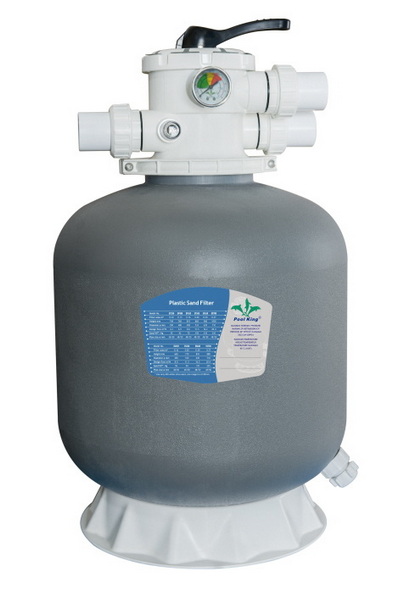
While silica sand is the most common, several other media can be used depending on the system:
- Silica sand (filter sand): The standard choice for many traditional sand filters.
- Diatomaceous earth (DE) for DE filters: Not a sand media, but often mentioned in conjunction with DE filter systems due to its high filtration efficiency.
- Zeolite and alternative media: Some modern filters use engineered media alternatives with different filtration characteristics.
- Glass media: Crushed recycled glass as a sand replacement with generally better filtration efficiency and longer life under certain conditions.
For most residential pools, silica sand remains the go-to due to cost, availability, and proven performance. OEMs should verify compatibility with the filter head, backwash valve, and flow rates when recommending a media.
Selecting the “best sand” involves matching media characteristics to your pool size, usage, and maintenance philosophy. Consider these steps:
1) Check manufacturer recommendations: Always start with the filter's manual for the recommended sand grade and backwash settings.
2) Evaluate the grain size distribution: Prefer a well-graded sand with a broad but controlled size range to maximize filtration while maintaining adequate water flow.
3) Inspect grain shape and hardness: Spherical, hard grains resist crushing and generate fewer fines.
4) Assess purity and moisture content: Dry, clean sand reduces dust and initial cloudiness after installation.
5) Consider long-term costs: A media with longer life or better backwash efficiency can reduce replacement frequency and water waste.
- Rinse the new media thoroughly before final loading to remove dust.
- Fill the tank with water to a level specified by the manufacturer before adding sand.
- Use the correct sand depth as per the filter model to prevent channeling.
- After loading, run a backwash cycle and recheck water clarity.
- Backwash as needed to restore flow and clarity. The frequency depends on pool usage, debris load, and water chemistry.
- Over time, the sand bed will compact and require replacement. Typical lifetimes range from 3 to 7 years for residential systems, depending on usage and maintenance.
- Rinse and replace any channeling-prone media promptly to maintain filtration efficiency.
Choosing the right sand for a pool filter is a balance of media characteristics, manufacturer guidance, and real-world usage. For most residential pools, a well-graded silica sand in the 0.45–0.85 mm range provides reliable filtration, predictable backwashing, and cost efficiency. OEMs can use these guidelines to help clients select media that aligns with their filter designs, ensuring smooth operation and customer satisfaction.
- The best sand is a well-graded silica sand with a typical grain size range around 0.45–0.85 mm, selected according to the filter manufacturer's guidance. This balance of size, shape, and purity supports good filtration while preserving water flow and backwash efficiency.
- No. Play sand often has broad impurities, varied grain sizes, and higher dust content that can cause cloudiness and sediment in the pool.
- Backwash frequency depends on pressure rise and use, but a common rule is to backwash when the pressure increases by 8–10 psi above the clean-filter level, or when water flow noticeably drops.
- Glass media can offer improved filtration efficiency and longer life in some systems, but it depends on the filter design and local water chemistry. Always confirm compatibility with the filter manufacturer.
- A typical sand bed lasts 3–7 years in residential systems, depending on usage, water chemistry, and maintenance practices.


