
Views: 222 Author: Tina Publish Time: 2025-12-26 Origin: Site


Content Menu
● What a Sand Pool Filter Does
● Main Settings on a Sand Filter
>> Filter
>> Backwash
>> Rinse
>> Closed
● How to Start and Run a Sand Filter (Daily Use)
>> Step 1: Check Water Level and Valves
>> Step 3: Set the Valve to Filter
>> Step 4: Turn On the Pump and Bleed Air
>> Step 5: Record Clean Starting Pressure
● How to Backwash a Sand Pool Filter
>> Backwash Procedure (Step by Step)
● Basic Troubleshooting: Pressure and Flow
>> High Pressure (PSI Too High)
>> Low Pressure or Weak Return Flow
● Seasonal Tips for Sand Filter Operation
● OEM Sand Filter and Pool Equipment Support
● FAQs About Using a Sand Pool Filter
>> 1. How many hours per day should a sand filter run?
>> 2. How do I know when to backwash my sand filter?
>> 3. How often should the sand be replaced?
>> 4. Can I add chemicals directly through the sand filter?
>> 5. Is a sand filter better than a cartridge or DE filter?
>> 6. What PSI is normal for my sand filter?
A sand pool filter pushes water from the pool through a tank filled with specially graded filter sand that traps dirt, oils, and debris before sending the clean water back to the pool. Most modern systems use a multiport valve with several modes such as Filter, Backwash, Rinse, Waste, Recirculate/Circulate, and Closed.[3][4][1]
- Normal operating pressure for many sand filters is typically within about 10–20 psi, but each system has its own “normal” range based on pump size, plumbing, and filter design.[5][6]
- The pressure gauge and multiport valve are the two most important controls for everyday operation.[6][1]
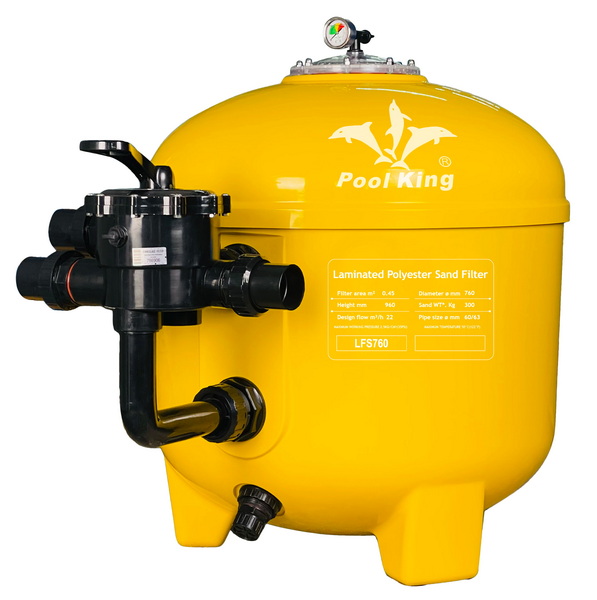
Most sand pool filters share the same multiport valve positions, even if brands and models differ slightly.[4][3]
Filter is the everyday setting for normal circulation and cleaning. Water flows from the pool, through the pump, down through the sand, and back into the pool.[2][1][4]
- Use this mode 90–99% of the time when the pool is open.[3]
- Run time depends on pool size, climate, and bather load, but many pools run 8–12 hours per day in season.[5]
Backwash reverses the flow through the sand to flush out trapped dirt and debris to waste.[2][1]
- Use Backwash when filter pressure is about 3–8 psi higher than the clean starting pressure, or when water becomes cloudy and flow is weak.[8][7]
- Backwashing too often wastes water and can disturb the sand bed more than necessary.[9]
Rinse resets and compacts the sand bed after backwashing so loose sand and dust do not blow back into the pool.[1][2]
- Run Rinse for 15–30 seconds immediately after each backwash and before returning to Filter.[4][2]
- Rinse also helps clear cloudy water from the filter line itself.
Waste sends water directly out of the pool without passing through the sand.[3][4]
- Use Waste for vacuuming heavy debris or lowering the pool water level.[4]
- Never run Waste with pool water below the skimmer openings to avoid sucking air into the system.[3]
Recirculate (or Circulate) bypasses the sand and sends water from the pump straight back to the pool.[4][3]
- Useful when adding certain chemicals that should not pass through the sand or when troubleshooting a suspected sand problem.[6]
- This mode does not filter, so use it only temporarily.[3]
Closed stops water flow between the pool and filter.[10][3]
- Use this only when the pump is off; never run the pump with the valve on Closed.[10]
- Sometimes used when servicing the pump basket or plumbing to limit drainage.
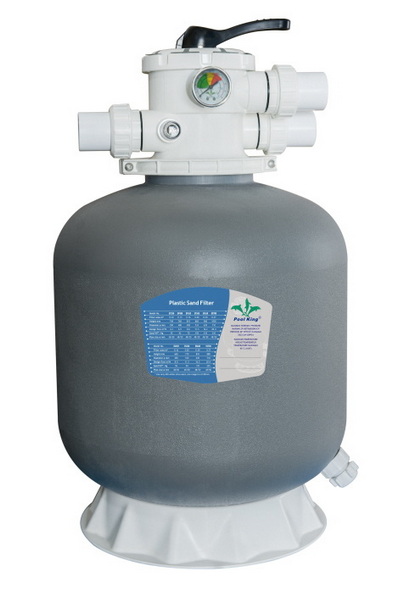
This section covers basic daily operation once the system is installed and filled with the correct sand grade as specified by the manufacturer.[12][3]
- Ensure pool water is high enough to cover the skimmer openings and suction inlets before starting the pump.[3]
- Open all suction and return valves to allow full circulation, unless the system design requires partial closure for skimmers or vacuum lines.[13]
- Remove the pump lid, fill the pump strainer basket housing with water, check the O‑ring, and close the lid securely.[14][13]
- Make sure pump and filter drain plugs are tightened and all unions are snug to prevent air leaks.[14]
- Turn the pump off before turning the multiport valve handle to Filter.[10]
- Press down on the handle, rotate it clockwise (one direction only), and lock it firmly into the Filter notch.[15][10]
- Switch on the pump and watch for strong, steady water returning to the pool.[1]
- If your filter has a manual air relief valve on top, open it until water flows steadily and then close it to remove trapped air in the tank.[16][1]
- Once the system is running smoothly and the filter is freshly cleaned, note the pressure reading on the gauge; this is your clean baseline.[8][6]
- Many systems will read somewhere around 10–15 psi at clean, but follow the actual reading on your specific installation.[17][5]
Backwashing is one of the most important maintenance tasks to keep a sand filter efficient and prevent high pressure or cloudy water.[2][4]
- Backwash whenever pressure rises about 8–10 psi above the clean baseline, or roughly 3–5 psi above on some residential systems, depending on the manufacturer's instructions.[7][8]
- Also consider backwashing after vacuuming heavy debris, after storms, or when flow noticeably decreases.[9][2]
1. Turn off the pump and ensure it comes to a complete stop.[2][10]
2. Press down the multiport handle and rotate it to the Backwash position; never move the handle with the pump running.[15][10]
3. Attach or confirm your waste/backwash hose is secure and routed to a suitable drain or safe discharge area.[11]
4. Turn the pump on and let it run in Backwash for about 2–3 minutes, or until the sight glass/waste water runs clear.[11][2]
5. Turn the pump off again before changing the valve position.[18][10]
1. With the pump off, set the valve to Rinse.[2][4]
2. Turn the pump on for 15–30 seconds to resettle the sand and flush fine particles to waste, then turn it off again.[11][2]
3. Set the valve back to Filter, ensure the handle locks, and restart the pump to resume normal operation.[4][2]
Understanding pressure helps diagnose many common sand filter issues quickly.[8][6]
- Common causes: dirty or clogged sand, overfilled skimmer/pump baskets, blocked return lines, or water features adding back‑pressure.[8]
- Solutions: backwash and rinse the filter, clean baskets, check for partially closed valves, and inspect return fittings for obstructions.[5][8]
If pressure spikes again soon after backwashing, the sand may be heavily contaminated or channeled and could need deep cleaning or replacement.[8][4]
- Causes can include low pool water level, suction leaks, clogged pump or skimmer baskets, blocked impeller, or a worn/broken gauge.[8]
- Solutions: restore proper water level, clear all baskets, check for air bubbles in the pump lid, inspect suction-side fittings, and replace any faulty pressure gauge.[5][8]
Good seasonal habits make your sand filter more reliable and extend equipment life.[7][6]
- At the start of the season, fully inspect the multiport valve, O‑rings, laterals (if accessible), pressure gauge, and pump for leaks or cracks.[13][14]
- Before closing or winterizing, clean the filter thoroughly, backwash, rinse, and set the valve to Winter or Closed as recommended by the manufacturer.[1][10]
For above‑ground pools, ensure the filter base is level and protected from flooding to prevent shifting or air leaks in the system.[12][14]
For commercial operators, pool builders, and brand owners, partnering with a dedicated sand filter manufacturer can streamline product sourcing and private label projects.
- A specialized factory can supply sand filters, DE filters, cartridge filters, pumps, LED lights, and accessories with customized branding, packaging, and technical documentation for different markets.
- Consistent OEM production with intelligent machinery supports stable quality, repeatable performance data, and long‑term spare parts availability for distributors and wholesalers.
Using a sand pool filter correctly means understanding the main valve settings, monitoring pressure, and following a simple routine of filtering, backwashing, rinsing, and inspection. Proper operation not only keeps water clear but also protects your pump, saves chemicals, and extends the lifespan of the entire circulation system for both residential and commercial pools.[1][8]
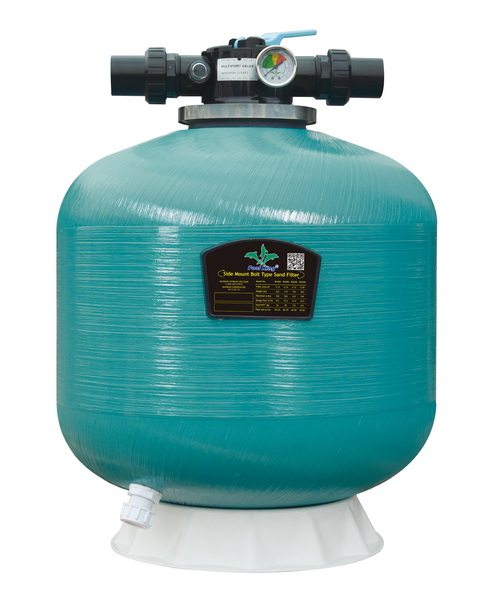
Most pools need enough circulation to turn over all the water at least once per day, which often translates to 8–12 hours of filtration daily during the swimming season. Variable‑speed pumps may run longer at lower rpm to save energy while maintaining the same overall turnover.[6][5][8]
Backwash when the pressure gauge reads about 8–10 psi above your clean starting pressure, or when you see reduced return flow and cloudier water. Some manufacturers advise backwashing at a smaller 3–5 psi increase, so check the specific manual for your model.[7][5][8]
Many residential pools can use the same sand for 3–5 years, depending on bather load, water chemistry, and maintenance practices. If backwashing no longer restores normal pressure and flow, or if channels form in the sand bed, a full sand change or deep cleaning is recommended.[7][4][1][8]
Most sanitizers and basic balancing chemicals are added directly to the pool water, not poured into the skimmer or filter tank. Some specialty treatments may recommend Recirculate mode to bypass the sand, so always follow the chemical manufacturer's instructions.[6][3]
Sand filters are generally the easiest to operate and backwash, with low maintenance and robust construction. Cartridge and DE filters can trap finer particles and polish the water more, but they require different cleaning routines and more frequent manual servicing.[5][6][7]
There is no single “correct” PSI number; normal can be anywhere from roughly 10 psi up to around 25 psi depending on the system. The best practice is to record your own clean baseline after a thorough backwash and treat increases above that baseline as your backwash trigger.[6][5][8]
[1](https://www.youtube.com/watch?v=VmXdio44FTY)
[2](https://www.hornsbypoolcare.com.au/how-to-backwash-a-pool-sand-filter)
[3](https://bestwayusa.com/blog/how-do-i-use-a-sand-filter-pump.html)
[4](https://mrpoolman.com.au/blogs/news/how-to-backwash-a-pool-sand-filter)
[5](https://intheswim.com/blog/pool-filter-pressure-problems.html)
[6](https://www.swimuniversity.com/pool-filter-pressure-gauge/)
[7](https://mrpoolman.com.au/blogs/news/all-about-pool-sand-filters)
[8](https://www.youtube.com/watch?v=ugakowLwFR4)
[9](https://www.youtube.com/watch?v=r8soaqt1Pn0)
[10](https://www.youtube.com/watch?v=HfY71R1U4_Q)
[11](https://www.youtube.com/watch?v=HmYlGuX5o1k)
[12](https://www.youtube.com/watch?v=S0-KKPjz9i8)
[13](https://www.youtube.com/watch?v=1q-es_ECuSk)
[14](https://www.youtube.com/watch?v=YY3KHg-KLYw)
[15](https://www.youtube.com/watch?v=HIALA3UZbUg)
[16](https://www.youtube.com/watch?v=TqSPuekohqQ)
[17](https://www.reddit.com/r/pools/comments/13lfddg/what_should_the_psi_reading_be_on_a_sand_filter/)
[18](https://www.youtube.com/watch?v=nIukd5sbNFw)
[19](https://www.youtube.com/watch?v=69atemJSmZw)
[20](https://www.reddit.com/r/pools/comments/1d9ogxh/first_sand_filter_what_do_you_wish_youd_known/)


