
Views: 222 Author: Tina Publish Time: 2025-12-29 Origin: Site


Content Menu
● What Kind of Sand Do You Need?
● Buying Sand at Big-Box and Hardware Stores
● Buying Sand from Pool Stores and Online Pool Retailers
● Alternative Filter Media: Zeolite and Glass
● How Much Sand Do You Need and How Often to Replace?
● Online Marketplaces and Regional Availability
● OEM and Bulk Purchasing for Brands and Wholesalers
>> 1. Can I use play sand or masonry sand in my pool filter?
>> 2. How often should pool filter sand be replaced?
>> 3. How do I know how much sand to buy?
>> 4. Is zeolite or glass media better than regular sand?
>> 5. Where can I buy pool filter sand locally?
Where to purchase sand for a pool filter depends mainly on whether you prefer convenience (online), price (local hardware and building supply), or professional advice (pool stores).[1][2]
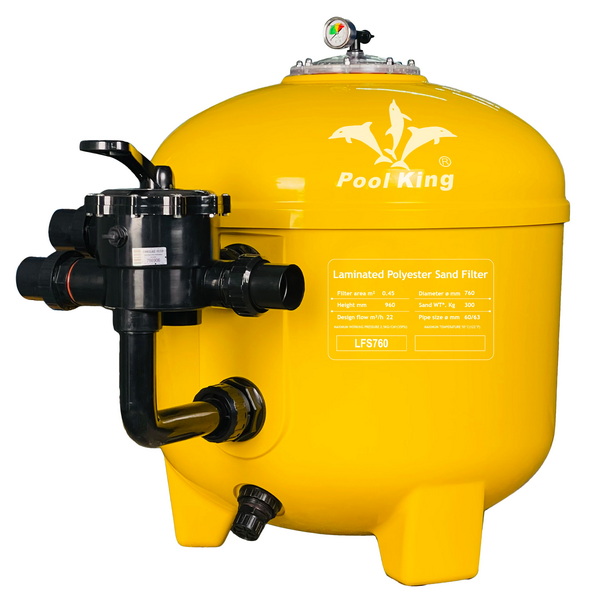
Before choosing where to buy, it is crucial to confirm what sand your filter actually requires.[3][2]
- Most sand pool filters use #20 silica sand with grain size around 0.45–0.55 mm, often labeled “pool filter sand” or “20 grade.”[2][4][3]
- This sand is pure silica, specially washed and screened so it does not cloud the water and can trap particles around 20 microns.[5][3][2]
- Regular masonry sand or play sand is not suitable because the grain size and shape are not controlled and can damage the filter or leak into the pool.[4][5]
Recommended step: Always check your filter manual for required sand type, mesh size, and total pounds before shopping.[6][4]
Many pool owners buy filter sand from big-box chains and local hardware outlets because they are easy to access and usually cheaper.[7][1]
- National chains such as Lowe's and The Home Depot sell 50 lb bags of pool filter sand specifically graded for pool use.[1][7]
- These bags typically highlight “pool filter sand,” “20 grade,” and “for all major sand filter brands,” with 0.45–0.55 mm grain size.[8][7][1]
- Hardware stores often stock brands like Quikrete or similar, marketed as premium angular sand for pool filtration.[7][4]
Pros:
- Competitive pricing and frequent promotions.[1][7]
- Easy local pickup and fewer shipping restrictions for heavy 50 lb bags.[9][1]
Cons:
- Limited technical support compared with a dedicated pool shop.[10][1]
- Quality and purity can vary by brand, so reading labels is essential.[2][8]
Pool specialty stores and pool-focused e‑commerce sites offer sands and alternative filter media designed specifically for pools.[11][9][10]
- Many pool retailers sell high-performance quartz pool filter sand that is washed, dried, and graded with a low uniformity coefficient for consistent filtration.[11][9]
- Some sands are certified under NSF/ANSI 61 and tested to AWWA and ASTM standards, providing drinking‑water–grade purity and reliable performance.[11][2]
- Online pool shops also carry alternative media like zeolite and glass, which can filter smaller particles and may last longer than standard silica.[3][10]
Pros:
- Expert advice on the best media for your pool size, bather load, and water chemistry.[12][10]
- Access to upgraded media (zeolite or glass) with finer filtration and longer service life.[10][3][2]
Cons:
- Higher per‑bag cost than general hardware or building suppliers.[13][10]
- Shipping charges or restrictions for heavy 50 lb bags, sometimes requiring local pickup.[9][12]
More pool owners are upgrading from basic silica to zeolite or glass media for better water clarity and longer replacement cycles.[3][2]
- Zeolite is a volcanic mineral with a honeycomb structure that captures finer particles (down to a few microns) and can remove ammonia via ion exchange.[2][10]
- Glass media, made from recycled glass, is lighter than sand, less abrasive, and can last up to 7–12 years with proper maintenance.[3][2]
- Both options can reduce backwash frequency because they resist clumping and channeling better than some traditional sands.[10][2][3]
Where to buy:
- Most pool specialty retailers and some online hardware platforms stock zeolite and glass media in 40–50 lb bags for standard sand filters.[10][3]
- Product pages usually state sand filter compatibility, required quantity, and recommended backwash procedures.[12][3]
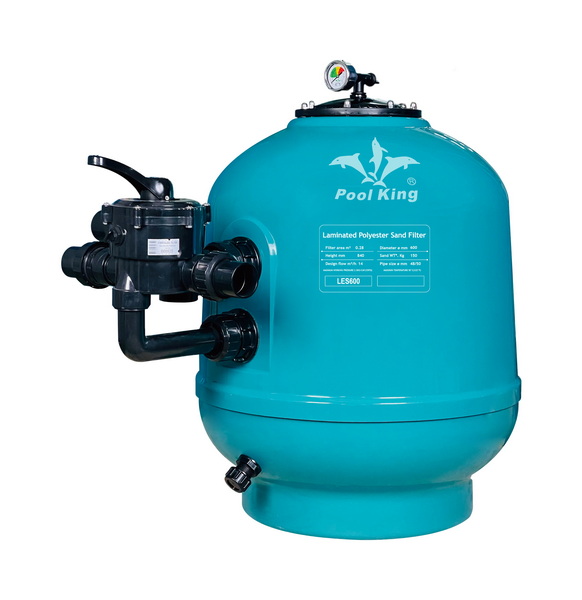
Knowing how much sand to buy helps avoid multiple trips or leftover bags you will not use quickly.[4][6]
- Most pool filters specify a total sand weight in the owner's manual, and many common residential filters use between 100 and 350 lb of sand.[6][4]
- Pool filter sand is commonly sold in 50 lb bags, so you can divide the required total by 50 to calculate bag count.[9][6]
- With proper maintenance, silica sand typically lasts 3–5 years, while some sources note up to about 7 years in lightly used systems.[5][12][3]
Signs it is time to replace include:
- Shorter time between backwashes and persistent high pressure.[4][12]
- Cloudy water even after proper chemistry and backwashing.[12][4]
In many regions, generic e‑commerce platforms and local classifieds are also popular sources of pool filter sand.[13][1]
- Online marketplaces often list multiple brands of #20 silica sand with full technical specs, customer reviews, and shipping options.[14][1]
- Some retailers offer online-only prices or discounts that differ from their physical store pricing.[11][9]
- Local pickup options at regional pool stores or warehouse outlets can reduce freight costs for heavy orders.[9][12]
Caution:
- Verify that any product is explicitly labeled “pool filter sand” or equivalent, with stated grain size and purity; avoid unlabeled construction or landscaping sand.[2][4]
- Consider seller ratings and return policies, especially when buying large quantities or unfamiliar brands.[14][13]
For pool equipment brands, wholesalers, and professional installers, bulk purchasing and OEM cooperation can dramatically reduce costs and secure consistent quality.
- Working directly with a specialized filtration equipment factory allows you to source matched sand filters, pumps, and accessories designed as a system.
- OEM partners can support private labeling, customized packaging, and tailored filter media recommendations for different markets.
- Bulk shipment programs help pool chains, regional distributors, and builders secure container‑level quantities of filters, sand, and spare parts at stable prices.
Choosing where to purchase sand for your pool filter begins with understanding the exact media your filter needs, especially grain size and purity requirements. Big‑box stores and hardware chains offer affordable #20 silica pool filter sand with convenient local pickup, while pool specialty retailers and online pool shops provide high‑grade silica, zeolite, and glass media with professional guidance. For homeowners, verifying “pool filter sand” labeling and matching the total pounds to your filter's manual is normally enough to keep water clear for 3–5 years between changes. For brands, wholesalers, and professional installers, partnering with an experienced OEM filtration factory enables consistent quality, systematic solutions, and bulk supply of sand filters, pumps, and accessories for global markets.[7][6][1][4][12][11][3][2][10]
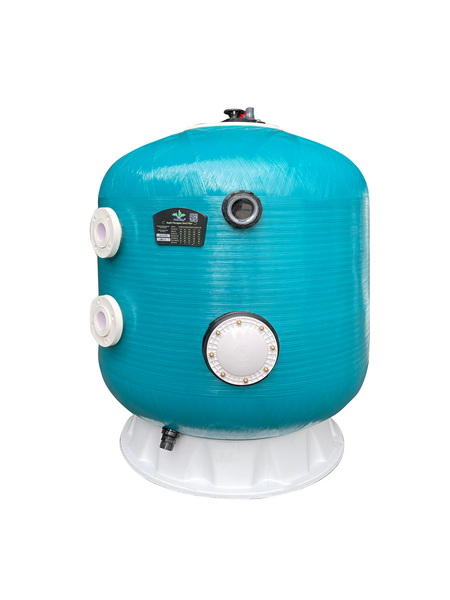
No, you should not use play sand or masonry sand in a pool filter because those sands are not graded to the precise 0.45–0.55 mm range required for safe filtration. Using the wrong sand can cause poor filtration, clogging, or sand returning to the pool through the returns. Always choose sand specifically labeled as pool filter sand or approved alternative media.[5][4][2]
Most sources recommend replacing silica pool filter sand about every 3–5 years under normal residential use. Smaller above‑ground filters and heavily used pools may need sand changes more often, especially if you see rising pressure, cloudy water, or more frequent backwashing. Alternative media like glass can last longer, sometimes 7–12 years, with proper care.[4][12][3][2]
Check the label or manual for your specific filter model to find the required sand weight, usually listed in pounds or kilograms. Divide that number by the size of the bags available (often 50 lb) to calculate how many bags you need, rounding up if necessary. Overfilling the filter can harm performance, so follow the manufacturer's fill level guidelines.[6][9][4]
Zeolite and glass media often provide finer filtration and may reduce backwash frequency compared with standard silica sand. Zeolite's porous structure captures very small particles and helps control ammonia, while glass media offers long service life and resists clumping. However, they cost more up front, so the best choice depends on your budget and water‑quality expectations.[8][3][2][10]
You can usually buy pool filter sand at big‑box home centers, hardware stores, pool specialty shops, and regional pool chains. Many of these outlets list inventory and store availability online, and some offer online ordering with in‑store or curbside pickup for heavy 50 lb bags. If you need premium or alternative media, pool specialty retailers and online pool equipment websites are often the best sources.[7][1][12][11][9][3][10]
[1](https://www.lowes.com/pl/pools/pool-maintenance/sand/4294610237-4294726092)
[2](https://beatbot.com/blogs/pool-cleaning-kits/different-types-of-sand-for-pool-filters-and-how-to-choose-the-right-one)
[3](https://blogs.aiper.com/us/best-pool-filter-sand/)
[4](https://intheswim.com/blog/pool-filter-sand.html)
[5](https://mrpoolman.com.au/blogs/news/the-definite-sand-filter-media-guide)
[6](https://www.thepoolfactory.com/blogs/equipment/how-much-sand-to-use-with-your-sand-filter-system)
[7](https://www.homedepot.com/p/Quikrete-50-lb-Pool-Filter-Sand-115350/202314677)
[8](https://hyclor.com.au/best-sand-for-pool-filter/)
[9](https://www.watsons.com/pool-filter-sand-50lb-bag-12801)
[10](https://lesliespool.com/blog/pool-filter-media-types-a-comparison-guide.html)
[11](https://www.supremespapool.com/products/filter-sand-50lb-bag)
[12](https://www.doheny.com/help/pool-filter-sand)
[13](https://www.reddit.com/r/pools/comments/1j6q7vi/filter_sand_differences/)
[14](https://www.walmart.com/ip/U-S-Silica-SILURIAN-20-Grade-Optimal-Filtration-Angular-Pool-Filter-Sand/6427413857)
[15](https://www.homedepot.com/p/Pavestone-50-lb-Pool-Filter-Sand-54201/100555293)
[16](https://www.acehardware.com/departments/outdoor-living/swimming-pools-spa-and-supplies/swimming-pool-equipment/83029)
[17](https://www.reddit.com/r/pools/comments/1cn7867/filter_sand_replacement_am_i_just_lucky_or_is_the/)
[18](https://www.consolidatedagg.com/different-types-of-filter-sands/)
[19](https://www.facebook.com/groups/637529959937311/posts/2595038224186465/)
[20](https://www.facebook.com/groups/637529959937311/posts/2677588622598091/)


