
Views: 222 Author: Tina Publish Time: 2025-12-29 Origin: Site


Content Menu
● What Does “Bleeding Air” Mean?
● Signs There Is Air in the Filter
● Safety Precautions Before Bleeding Air
● How to Bleed Air from a Pool Filter (Step‑by‑Step)
>> Step 2: Locate the Air Relief Valve
>> Step 3: Start the Pump with Valve Closed
>> Step 4: Slowly Open the Air Relief Valve
>> Step 5: Close the Valve When Water Flows Steadily
>> Step 6: Confirm Pressure and Flow
● Extra Steps for Different Filter Types
● Why Bleeding Air Matters for Safety and Performance
● Common Causes of Air in Pool Filters
● How to Prevent Air Buildup in the Future
● OEM‑Ready Pool Filters with Efficient Air Relief
● FAQs About Bleeding Air from Pool Filters
>> 1. How often should I bleed air from my pool filter?
>> 2. Is it dangerous to run a pool filter with trapped air?
>> 3. What if my filter does not have an air relief valve?
>> 4. Why does air keep coming back after I bleed the filter?
>> 5. Can a bad pressure gauge or air relief valve affect bleeding?
Keeping air out of your pool filter is essential for strong circulation, clear water, and safe operating pressure. This guide explains how to bleed air from a pool filter step by step, plus how to prevent air from getting into your system again.[1][2][3][4]
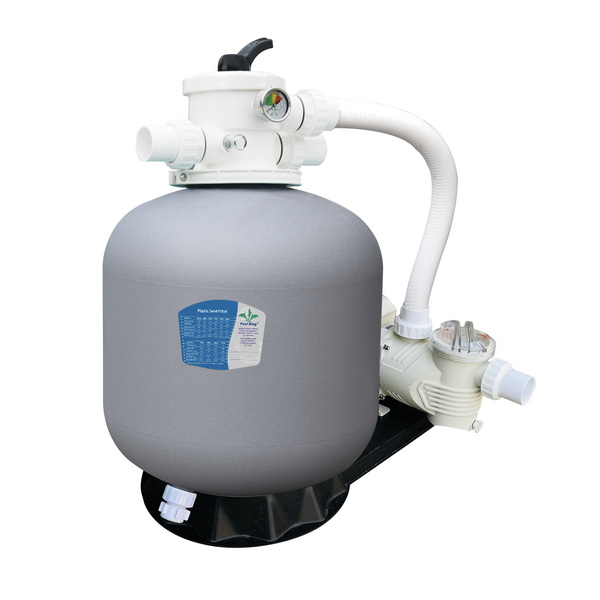
Bleeding air means releasing trapped air from the filter tank through a dedicated air relief (bleeder) valve or vent. Removing this air restores full water flow inside the tank and reduces dangerous pressure spikes.[2][4][1]
- Most modern sand, cartridge, and DE filters have an air relief valve on top of the tank near the pressure gauge.[4][1][2]
- When air collects inside, it compresses and competes with water, cutting filter efficiency and potentially stressing lids, clamps, and seals.[5][2]
Air in your pool filter and plumbing usually shows itself through several easy‑to‑see symptoms.[3][6]
- Continuous bubbles or “spitting” at the pool returns, even after the pump has been running for several minutes.[7][3]
- Partially empty or very turbulent pump basket, often with the water level dropping and swirling while the pump runs.[8][3]
- Noisy operation and fluctuating or unusually high pressure gauge readings with reduced return flow.[2][4]
- Filter tank not completely full of water when opened, sometimes half air and half water.[5]
Tip: A few bubbles during startup are normal; constant bubbles are a sign of a problem.[3][7]
Working around a pressurized filter requires care because trapped air and high pressure can cause parts to fail suddenly.[4][2]
- Always turn off the pump at the control panel and, if possible, at the breaker before opening or adjusting anything.[9][2]
- Stand to the side of the tank, not directly over the lid or clamp band, when releasing air.[2]
- Never loosen filter clamps or lids while the system is pressurized or before the air is fully bled off.[4][2]
- Keep children and pets away from the equipment pad while you are working.[10]
Note: A working pressure gauge and air relief valve are critical safety devices and should be replaced if damaged.[11][2][4]
The basic bleeding process is similar for sand, cartridge, and DE filters, though details vary slightly.[1][2]
Shut off power to the pump so water flow stops and pressure can drop.[2][4]
- Use the timer/control panel and then confirm the pump motor has stopped.[2]
- For extra safety, switch off the pool breaker if you plan to open equipment later.[2]
On most filters, the air relief valve is on the very top of the tank near the pressure gauge.[1][2]
- Sand filters: Some models rely on internal venting or a bleed screw near the top or on the multiport head.[12][5]
- Cartridge and DE filters: Commonly have a clear knob or lever-style bleeder next to the gauge.[10][2]
If your filter does not have a visible bleeder, air may escape automatically through an internal air strainer or return line.[12][5]
Turn the pump back on while keeping the air relief valve initially closed.[1][2]
- Allow the pump to prime and begin circulating water, watching the pump basket as it fills.[13][2]
- Confirm there is a stable column of water in the basket (no major cavitation) before you open the valve.[13][3]
Turn the valve knob or lever counter‑clockwise or to the “open” position slowly.[1][2]
- You should hear a hissing sound as trapped air escapes from the filter.[10][1]
- Keep the valve open until the hissing stops and a solid, steady stream of water flows from the bleeder.[4][1]
Important: Open the valve gradually; opening it too fast can cause splashing or sudden pressure changes.[1][2]
Once water starts spraying or flowing continuously, close the bleeder firmly.[4][1]
- Turn the knob or lever back to the “closed” position until snug, without overtightening.[9][1]
- Check for leaks around the valve body and O‑ring; dripping can indicate a worn seal.[9][2]
At this point, the filter tank should be full of water with minimal trapped air.[1][2]
Look at the pressure gauge and pool returns to verify that bleeding was successful.[4][2]
- The gauge should stabilize at the normal “clean” operating pressure for your system, typically recorded after a fresh backwash or clean.[2][4]
- Pool returns should have strong, steady flow with little or no air bubbles after a minute of operation.[7][3]
If pressure remains unstable or bubbles continue, there may still be air in the system or an underlying suction leak.[6][8][3]
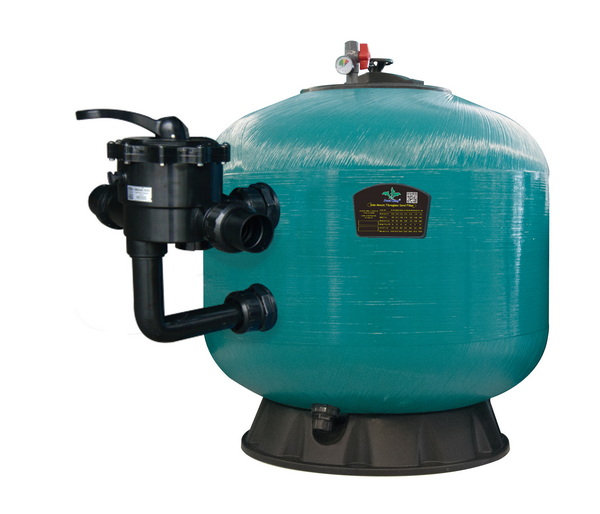
Different filter designs can slightly change how you bleed air and manage pressure.[12][2]
- Sand filters: Many top‑mount sand filters naturally vent air through the multiport and return line when running, but some still include a manual bleeder at the top of the tank.[5][12]
- Cartridge filters: Usually have a prominent bleeder valve on top; you may need to open it after each cleaning, or whenever the pump loses prime.[10][2]
- DE filters: Also rely on a top‑mounted bleeder and can trap significant air after backwashing and re‑charging with DE powder.[5][2]
Tip: Always re‑check pressure and bleed air again after major maintenance such as backwashing, opening the pump lid, or cleaning cartridges.[4][2]
Removing air from your pool filter is about more than comfort—it's a key part of safe and efficient operation.[2][4]
- Trapped air increases internal pressure and can stress lids, clamps, and tanks, potentially leading to failures or blow‑outs in extreme cases.[4][2]
- Air pockets reduce the active filtration area, meaning dirty water bypasses parts of the media, which leads to cloudy water and more chemical use.[3][5][2]
Regularly bleeding air extends the life of your filter, pump, O‑rings, and seals by keeping operating conditions within normal limits.[2][4]
If you constantly need to bleed air, there is usually a source of air entering on the suction side of the system.[8][6][3]
- Low pool water level causing the skimmer to suck air, especially when the pump turns on or when people swim.[7][3]
- Damaged or dry pump lid O‑ring, cracked pump lid, or loose pump cover allowing air to be drawn in.[8][3]
- Loose unions, fittings, or valves on the suction line between the skimmer/main drain and the pump.[6][8]
- Vacuum hose leaks or a cracked vacuum line that pulls air while cleaning the pool.[3][2]
- Improper priming after maintenance, leaving significant air in the pump basket and filter.[13][2]
Identifying and fixing these problems will minimize how often you need to bleed air.[6][8][3]
A few simple habits will greatly reduce air problems in your pool filtration system.[3][2]
- Keep the pool water level between halfway and three‑quarters up the skimmer opening so the skimmer does not gulp air.[7][3]
- Regularly inspect and lubricate pump lid O‑rings, replacing them if they are flattened, cracked, or overstretched.[8][3]
- Tighten suction‑side unions and check for drips or wet spots when the pump is off, which can reveal hidden leaks.[6][8]
- Prime the pump properly by filling the pump basket with water before startup after any maintenance.[13][2]
- Bleed the filter briefly every time you restart after backwashing or cleaning to remove residual air.[1][4]
Combined, these steps keep your system running smoothly with fewer interruptions and better water clarity.[3][4]
For brands, wholesalers, and manufacturers looking for reliable pool filtration systems, choosing filters with well‑designed air relief and pressure monitoring features is essential.[2][4]
- Modern sand, cartridge, and DE filters designed for export markets can integrate large, easy‑grip bleeder valves and clear pressure gauges for faster servicing.[11][4][2]
- High‑precision tanks, quality O‑rings, and durable lids reduce the risk of air leaks and pressure failures over years of operation.[3][2]
Partnering with a dedicated OEM factory allows custom branding, packaging, and technical documentation focused on user‑friendly bleeding and maintenance procedures.[1][2]
Bleeding air from a pool filter is a basic yet critical maintenance task that protects your equipment and keeps water clean. By shutting off the pump, locating and opening the bleeder valve, waiting for a steady stream of water, and then confirming normal pressure and flow, you can quickly eliminate trapped air in any modern pool filter system. Combine this process with good prevention habits—proper water level, sound suction plumbing, well‑maintained O‑rings, and correct priming—to minimize future air issues and extend the life of your filtration equipment.[13][10][6][3][1][4][2]
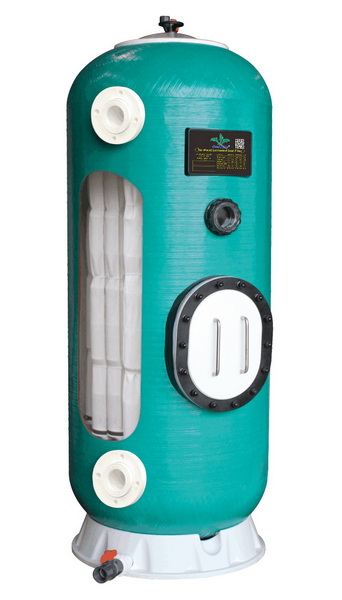
Most homeowners should bleed air whenever the pump has been off for a while, after opening the pump lid, or after backwashing or cleaning the filter. If you see continuous bubbles at the returns or hear a lot of air in the system at startup, bleeding should be done immediately.[7][3][1][2]
Yes, running with a large air pocket can raise internal pressure beyond normal limits and stress the filter tank, lid, and clamp system. In extreme cases, severe over‑pressure combined with mechanical defects has been linked to lid failures, which is why regular bleeding and proper maintenance are so important.[4][2]
Some sand filters are designed so trapped air naturally bleeds out through the multiport valve and return line instead of a dedicated bleeder. If you cannot find any valve at the top of the tank, consult the manufacturer's manual or label to confirm the venting method and follow the recommended priming procedure.[12][5][2]
Persistent air after bleeding almost always indicates an ongoing suction‑side leak or low water level. Check the pool water level, pump lid O‑ring, suction fittings, valves, and any vacuum hoses for cracks, loose connections, or signs of draw‑in when the pump is running.[8][6][3]
Yes, a clogged or damaged air relief valve may not release air properly, and a failed gauge makes it hard to verify safe operating pressure. Replace worn or leaking bleeder assemblies and faulty gauges promptly so you can bleed air accurately and monitor the system.[11][9][2][4]
[1](https://www.dreampoolsspas.com/post/how-to-get-air-out-of-inground-pool-lines)
[2](https://diy.inyopools.com/article/use-pool-filter-pressure-gauge-air-relief/)
[3](https://www.eztestpools.com/blog/common-causes-of-air-in-your-pools-pump-filter-system/)
[4](https://www.poolsupplies.com/blog/post/pool-pressure-gauge-and-air-relief-valve)
[5](https://www.reddit.com/r/pools/comments/10m1w2o/air_relief_strainer_what_is_it_good_for/)
[6](https://www.flowpoolcare.com/posts/why-is-my-pool-pump-sucking-air)
[7](https://www.youtube.com/watch?v=HBetPWU-wJg)
[8](https://www.reddit.com/r/pools/comments/17h8mgz/still_getting_air_in_pool_filter/)
[9](https://www.youtube.com/watch?v=mMSM6tV1XdM)
[10](https://www.youtube.com/watch?v=531Gmocmngs)
[11](https://www.youtube.com/watch?v=FKgs7XepQlE)
[12](https://www.youtube.com/watch?v=A_6VhauVJMg)
[13](https://www.maygopool.com/n1882584/How-to-Get-Air-Out-of-a-Pool-Pump-8-Step-Guide.htm)
[14](https://www.youtube.com/watch?v=RJdJpPWxsQA)
[15](https://www.youtube.com/watch?v=VUMJdNyQM5o)
[16](https://www.reddit.com/r/pools/comments/13hhgp7/is_it_possible_my_pool_filter_doesnt_have_an_air/)
[17](https://www.facebook.com/groups/637529959937311/posts/2612503949106559/)
[18](https://www.facebook.com/groups/637529959937311/posts/2579666339056987/)
[19](https://aquapoolsupply.com/pages/search-results-page?q=air+relief+valve)
[20](https://www.inyopools.com/HowToPage/how_to_identify_and_correct_air_leaks.aspx?CommentPage=6)


