
Views: 222 Author: Tina Publish Time: 2025-12-28 Origin: Site


Content Menu
● How to Disassemble a Pool Pump (Step‑by‑Step DIY Guide)
● Safety Precautions Before Disassembly
● Tools and Materials You Will Need
● Step‑by‑Step: How to Disassemble a Pool Pump
>> Step 1 – Shut Down and Isolate the Pump
>> Step 2 – Disconnect Plumbing and Electrical
>> Step 3 – Separate the Pump Housing (Wet End)
>> Step 4 – Remove the Diffuser and Inspect the O‑rings
>> Step 5 – Remove the Impeller
>> Step 6 – Access the Seal Plate and Shaft Seal
>> Step 7 – Detach the Motor (If Needed) and Inspect Bearings
● Cleaning, Inspection, and Reassembly Tips
● When to Call a Professional (and Upgrade Options)
● Related Questions and Answers (FAQ)
>> Q1: How often should a pool pump be disassembled for deep cleaning?
>> Q2: What are signs that my pool pump shaft seal needs replacement?
>> Q3: Can I disassemble a pool pump without cutting the plumbing?
>> Q4: Why does my pump make a loud grinding noise after startup?
>> Q5: Is petroleum jelly safe for lubricating pump O‑rings?
>> Q6: Do I need any special certification to disassemble my own pool pump?
How to disassemble a pool pump safely mainly involves five stages: shut off and lock out the power, disconnect the plumbing, open the wet end, remove the impeller and diffuser, then separate the motor and seal plate for inspection or repair. With the right tools, labels, and photos along the way, most DIY users can take apart a residential pool pump without damaging key parts like the housing, shaft seal, and O‑rings.[1][2][3][4]
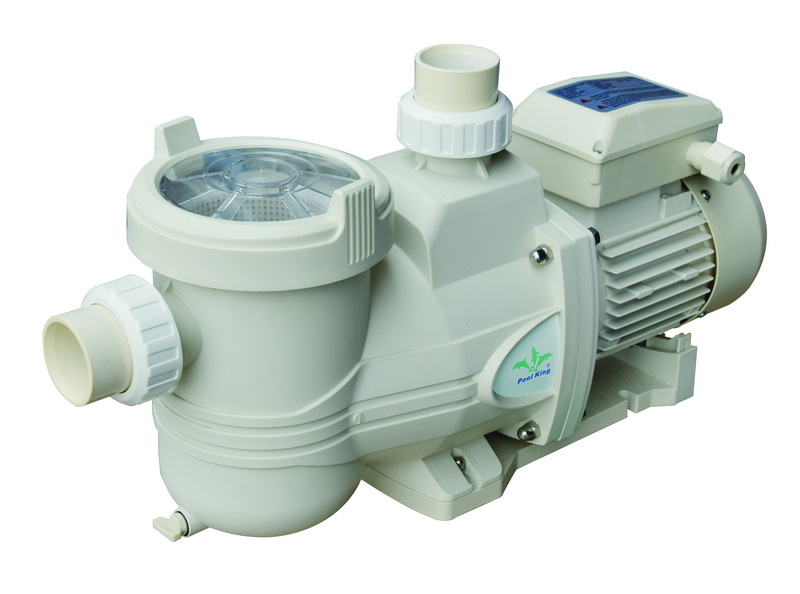
Disassembling a pool pump helps you deep‑clean the internals, replace worn seals, and extend the life of your filtration system. The process below is written for typical single‑speed and variable‑speed inground or above‑ground pool pumps and applies to common brands such as Hayward, Pentair, Jandy, and other similar designs.[5][4][6][7]
- Turn off power at the breaker and verify the pump will not start by flipping the timer or controller on and confirming the motor stays off. For extra safety, lock out or tag out the breaker so no one restores power while you are working.[8][3][5]
- Close suction and return valves if installed to prevent water from flooding the equipment pad when lines are opened. If your system has no valves, plug skimmers and returns in the pool before starting work.[3][9]
- Wear safety glasses and gloves when handling tools, rusty bolts, or chemicals, and keep the work area dry to minimize slip and shock risks.[2][8]
- Hand tools: Phillips and flat‑head screwdrivers, socket set, box wrenches, and a strap wrench for stubborn impellers.[1][2]
- Maintenance supplies: Non‑petroleum silicone‑based lubricant for O‑rings, cleaning brushes, rags, and optionally penetrating oil for corroded bolts.[6][1]
- Replacement parts (optional but recommended): Pump lid O‑ring, housing gasket, diffuser gasket, and a new shaft seal if you notice leaks or wear.[4][7]
- Turn off power at the main breaker and the pool sub‑panel, not just at the timer, to ensure the motor is completely de‑energized. Confirm with a non‑contact voltage tester if available.[9][5]
- Close any suction and return valves; then remove the pump lid and drain plugs on the pump housing to relieve pressure and drain remaining water.[6][3]
- Loosen unions on the suction and discharge lines or carefully cut PVC where necessary, marking each pipe with tape so you know which end reconnects where. Support hanging pipes to avoid stress on fittings.[8][9]
- Remove the electrical cover on the motor and record a video of the wire connections; then disconnect line, neutral, and ground with insulated tools, noting voltage (115 V or 230 V) per the motor label.[10][9]
- Using a screwdriver or socket, remove the bolts or clamp band that hold the pump housing (volute) to the motor and seal plate assembly. Loosen bolts in a crosswise pattern to avoid uneven stress on plastic components.[2][8]
- Gently pull the housing straight off; if it sticks, tap around the seam with a rubber mallet instead of prying hard with metal tools to avoid cracking the housing.[1][2]
- Lift off the plastic diffuser (also called impeller shroud) that covers the impeller; it may be held by screws, tabs, or simply friction. Keep track of any alignment tabs or arrows that will matter during reassembly.[4][2]
- Remove the diffuser O‑ring and the large housing gasket, inspecting them for cracks, flattening, or chemical damage; replace worn seals to prevent suction leaks.[6][4]
- At the rear of the motor, remove the fan shroud if present to access the motor shaft; hold the shaft steady with an appropriate wrench on the flat sides.[1][2]
- Unscrew the impeller from the shaft, typically by turning it counter‑clockwise; some models have a small reverse‑threaded impeller lock screw inside that must be removed first.[7][1]
- After removing the impeller, slide off any spacers and inspect the seal plate attached to the motor; this plate holds the stationary ceramic half of the shaft seal.[7][4]
- Gently pry out the ceramic ring from the seal plate with a flat‑head screwdriver or press it out from the back using a suitable socket or small pipe, taking care not to gouge the plastic.[7][1]
- If you are rebuilding or replacing the motor, remove long through‑bolts that run from the rear of the motor into the seal plate and separate the motor from the plate.[8][2]
- Check the motor shaft for play, rust, and grinding; noisy or seized bearings may require professional bearing replacement or a new motor.[10][2]
- Clean debris from the impeller vanes, diffuser passages, and housing interior with a soft brush and water, avoiding harsh chemicals that attack plastics.[3][2]
- Lightly coat O‑rings and gaskets with silicone‑based lubricant before reassembly to ensure a tight seal and make the next service easier.[6][4]
- Reverse the disassembly order for reassembly: install new shaft seal, remount impeller, reinstall diffuser and O‑rings, reattach housing, reconnect plumbing and wiring, then prime and test run the pump.[8][7]
- Contact a licensed pool technician or electrician if you see burnt wiring, cannot identify the supply voltage, or suspect internal motor winding damage.[9][10]
- If your pump is older than five to seven years or has repeated seal failures, consider upgrading to a modern variable‑speed pump for higher efficiency and quieter operation.[9][5]
Disassembling a pool pump is a manageable DIY project when approached methodically, with power secured, plumbing isolated, and each part documented in photos and videos during removal. By carefully handling components like the diffuser, impeller, and shaft seal, and replacing worn O‑rings and gaskets during reassembly, you extend pump life, improve filtration performance, and reduce the risk of surprise breakdowns in peak swimming season.[3][6][4][2]
A1: For most residential pools, a full disassembly and internal cleaning every one to two years is sufficient, assuming the pump basket is cleaned weekly and water chemistry is maintained.[5][9]
A2: Common signs are water leaking between the motor and pump housing, rust on the motor mounting area, and white scale or corrosion around the seal plate.[4][7]
A3: Yes, if your system uses unions on both suction and return lines, you can simply loosen the unions and remove the pump without cutting pipes.[9][8]
A4: Loud grinding may indicate seized or failing motor bearings, internal debris in the impeller, or misalignment between the motor and pump housing, all of which require disassembly to inspect.[10][2]
A5: No, petroleum‑based products can swell and damage rubber; always use a pool‑safe silicone‑based lubricant on O‑rings and gaskets.[6][4]
A6: In most residential settings you can service your own pump, but local electrical codes may require a licensed electrician for wiring changes, especially on high‑voltage circuits.[9][10]
[1](https://diy.inyopools.com/article/disassembling-pool-pump-tips-tricks/)
[2](https://www.instructables.com/Restoring-Seized-Pool-Water-Pump-with-Pictures/)
[3](https://naplespool.com/cleaning-a-pool-pump/)
[4](https://intheswim.com/blog/pool-pump-parts-explained.html)
[5](https://poolpartstogo.com/blogs/articles/installation-and-maintenance-tips-for-pool-pump)
[6](https://intheswim.com/blog/pool-pump-maintenance-101.html)
[7](https://www.youtube.com/watch?v=Moy34mj_7To)
[8](https://poolie.com/blog/repair/pool-pump-motor-repair/)
[9](https://poolie.com/blog/maintenance/pool-pump/)
[10](https://www.youtube.com/watch?v=J7BVkIp4l_Q)
[11](https://www.youtube.com/watch?v=ucM9UyJFl-c)
[12](https://www.youtube.com/watch?v=cr15hM-qqQU)
[13](https://www.poolsupplies.com/product/impeller-seal-replacement-for-silent-flow-inground-pump)
[14](https://www.youtube.com/watch?v=LG78A1NmLqo)
[15](https://www.youtube.com/watch?v=zkmn8rnjYpI)
[16](https://www.youtube.com/watch?v=UwVBWVPpaw8)
[17](https://www.youtube.com/watch?v=cr15hM-qqQU&feature=emb_imp_woyt)
[18](https://www.youtube.com/watch?v=OWZJsIR_0CQ)
[19](https://benchmarkpoolsupply.com/collections/pump-parts)
[20](https://www.reddit.com/r/swimmingpools/comments/4eefpz/how_to_rebuild_pool_pump_motor/)


