
Views: 222 Author: Tina Publish Time: 2025-12-29 Origin: Site


Content Menu
● What backwashing actually does
● When to backwash your DE filter
● Safety precautions before you start
● Tools and materials you will need
● Step‑by‑step: how to backwash a DE pool filter
>> 1. Turn off the pump and relieve pressure
>> 2. Attach and position the backwash hose
>> 3. Set the valve to “Backwash”
>> 4. Turn on the pump and begin backwashing
>> 5. Rinse (multiport valves only)
>> 6. Repeat backwash cycles if needed
>> 7. Return valve to “Filter” and restart
>> 8. Add fresh DE powder through the skimmer
● How often to deep clean DE grids
● Quick checklist before and after backwashing
● FAQs about DE filter backwashing
>> 1. How often should I backwash my DE pool filter?
>> 2. Do I need to add DE after every backwash?
>> 3. Is DE powder dangerous to handle?
>> 4. Why is DE leaking back into my pool after backwashing?
>> 5. Can I use cellulose instead of DE powder?
>> 6. What if backwashing doesn't lower the filter pressure?
How to backwash a DE pool filter correctly keeps your pool water clear, protects your equipment, and extends the life of your filter.[1][2]
Diatomaceous earth (DE) filters trap very fine particles, so they clog faster than sand filters and need regular backwashing to stay efficient. Most residential DE pool filters need backwashing roughly once a month in the swimming season or whenever the pressure rises 8–10 psi above the clean starting pressure.[4][5][6]
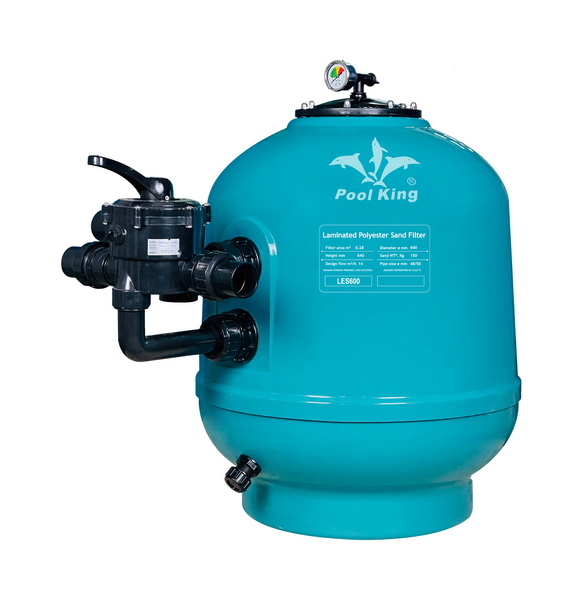
Backwashing reverses the water flow through the DE filter to flush out dirty DE powder and trapped debris to waste.[2][1]
- During normal filtration, water flows from the outside of the grids inwards, building a thin “DE cake” that catches dirt.[7][8]
- During backwash, the flow reverses, breaking the dirty cake off the grids and sending it out the waste or backwash line.[1][2]
After backwashing, the filter must be recharged with fresh DE powder to restore full filtration performance.[9][5][2]
You should not backwash on a fixed calendar only; use pressure and water clarity as your guide.[5][4]
- Backwash when the filter pressure is about 8–10 psi higher than the clean starting pressure noted after a fresh DE recharge.[4][5]
- For most backyard pools, this ends up being about every 3–6 weeks, or about once a month in normal use.[6][5][4]
Also backwash if:
- Water is cloudy even though chemistry is balanced.[10][4]
- Return jets feel weak and circulation is noticeably reduced.[10]
Working on a DE filter involves electricity, pressurized water, and a fine powder, so basic safety matters.[8][7]
- Always shut off power to the pump at the timer or breaker before moving any valves.[11][2]
- Wear a dust mask and gloves when handling dry DE to avoid inhalation and skin irritation.[12]
Never move a multiport or push–pull backwash valve while the pump is running, as this can damage the valve and plumbing.[11]
Gather everything before you start to make the process smooth and clean.[2][9]
- Backwash hose long enough to reach a proper discharge area.[13][2]
- Fresh DE powder (or approved alternative media such as cellulose fiber, if you prefer).[14][5]
- Measuring scoop or container to match the manufacturer's recommended DE dose.[3][2]
- Protective gear: mask, safety glasses, and gloves when handling DE.[12]
DE filters can use either a multiport valve or a push–pull (slide) valve; the basic sequence is similar for both.[9][2][3]
- Switch the pump off at the control panel and, if possible, at the breaker.[2][11]
- Open the air relief valve on top of the filter tank until you no longer hear air and water hissing out, so the system depressurizes.[3]
Never loosen filter clamps or open the tank during a simple backwash; this is only for a full teardown cleaning.[16]
- If your system uses a hose, attach it securely to the waste port on the backwash valve with a clamp.[13][2]
- Lay the hose out to a drainage area where chlorinated water and DE are allowed and will not damage plants or storm drains.[5][10]
- For a multiport valve, press down the handle, turn it to “Backwash,” then release it so it locks.[9][11][1]
- For a push–pull valve, pull or push the handle according to the printed instructions to engage backwash mode.[3]
Make sure the handle is fully seated; partial positions can cause internal leakage and poor backwash flow.[7]
- Turn the pump back on and immediately check the backwash hose.[1][2]
- At first, the water will appear cloudy and gray/white as dirty DE and debris flush out.[9][2]
Run the pump in backwash mode for about 1–2 minutes or until the sight glass or hose water looks clear.[11][1][9]
Most multiport valves have a “Rinse” setting that helps resettle the filter media and keeps dirt from returning to the pool.[1][9]
- Turn the pump off.[1]
- Rotate the valve to “Rinse,” then restart the pump and run for about 20–30 seconds.[9][1]
If the manufacturer recommends a three‑cycle backwash (backwash–rinse repeated several times), follow those directions to improve cleaning.[17][1]
For heavily loaded filters or after major contamination (algae, storms), perform multiple short backwash cycles.[2][1]
- Alternate between “Backwash” for 30–60 seconds and “Rinse” for 20–30 seconds two or three times.[17][1]
- Stop once the water remains clear quickly each cycle.[9][2]
- Turn off the pump and set the valve firmly back to “Filter.”[3][9][1]
- Close the air relief once a solid stream of water (no air) comes out after restarting the pump.[3]
Let the system run in filter mode for a minute or two to stabilize the flow.[11]
Backwashing removes most of the DE coating from the grids, so the filter must be recharged.[5][2]
- Check the manufacturer's label for the required DE amount (often listed per filter size in square feet).[3]
- In a bucket, mix the measured DE with pool water into a thin slurry to reduce dust, then slowly pour it into the skimmer while the pump runs.[13][2]
The slurry is drawn to the filter and recoats the grids, forming a new, even DE cake.[7][5][2]
Avoiding a few frequent errors will keep your DE filter efficient and safe.[10][7]
- Adding too much DE: Overcharging can cause excessive pressure and “caking,” leading to poor flow and potential damage.[8][7]
- Not adding enough DE: Undercharging reduces filtration quality and can let debris and DE escape back into the pool.[8][7]
Other mistakes include:
- Moving the valve with the pump running, which can damage the multiport seal and internal components.[10][11]
- Allowing DE to discharge into storm drains or sensitive landscaping without following local disposal rules.[5][10]
Backwashing is regular maintenance, but DE grids also need periodic deep cleaning.[16][5]
- Plan to disassemble the filter and hose‑clean the grids once or twice a year, or after heavy algae blooms.[16][5]
- During this service, inspect grids, manifold, and o‑rings for tears or cracks that can cause DE to leak back into the pool.[8][3]
Use this short checklist every time you backwash your DE filter.[5][2][1]
Before:
- Pump off and pressure relieved at the filter.[2][3]
- Backwash hose connected and directed to a safe discharge point.[5][2]
After:
- Valve returned to “Filter,” no leaks at unions or valve.[1][3]
- Fresh DE added through the skimmer in the correct amount.[5][2]
Backwashing a DE pool filter is a straightforward but essential task that keeps your water clear and your system running efficiently. By following a consistent routine—watching the pressure gauge, using proper valve steps, and always recharging with the correct amount of DE—you protect your equipment, save energy, and maintain a sparkling, safe pool.[6][4][9][5][1]
Most DE filters need backwashing about once a month during the swimming season, or whenever the filter pressure rises 8–10 psi above the clean starting pressure.[6][4][5]
Yes, you must add new DE powder after each backwash because the process removes much of the existing DE coating from the grids, leaving them unprotected and less effective.[2][5][13]
Dry DE dust can irritate lungs and skin, so it is best to wear a mask, gloves, and avoid breathing the powder; once mixed with water inside the filter, it is much less of an inhalation risk.[12]
DE returning to the pool often indicates torn grids, a damaged manifold, or incorrect assembly of internal parts, and these components should be inspected and replaced if needed.[8][3]
Some owners choose cellulose fiber as an alternative media in DE filters because it can filter very finely and avoids the health concerns associated with silica‑based DE, but the old DE must be removed first.[14]
If pressure remains high even after a thorough backwash and DE recharge, the grids may be heavily clogged, the valve may be faulty, or there may be internal damage, calling for a full teardown cleaning and inspection.[7][10][16]
[1](https://www.swimmingpool.com/maintenance/pump&filter/how-to-backwash-de-pool-filter/)
[2](https://bigbecks.com/how-to-backwash-an-above-ground-de-diatomaceous-earth-filter-a-step-by-step-guide/)
[3](https://www.inyopools.com/HowToPage/how-to-backwash-a-hayward-de-filter.aspx?CommentPage=1)
[4](https://www.carltonpools.com/how-often-should-you-clean-your-pool-filter/)
[5](https://pool.dreametech.com/blogs/blog/how-often-to-clean-pool-filter-complete-guide)
[6](https://centraljerseypools.com/how-often-to-backwash-a-de-filter/)
[7](https://alphawest.com/troubleshooting-backwash-problems-for-optimal-filter-performance/)
[8](https://romanellipools.com/blogs/why-is-de-leaking-back-into-your-pool-and-how-to-fix-it/)
[9](https://blog.royalswimmingpools.com/how-to-backwash-pool-filter-guide)
[10](https://bndpools.com/blog/top-pool-filter-mistakes/)
[11](https://www.riverpoolsandspas.com/blog/how-to-backwash-a-pool-filter)
[12](https://www.youtube.com/watch?v=qPEaFAF5ado)
[13](https://www.youtube.com/watch?v=dQf9WrSYS9I)
[14](https://www.reddit.com/r/pools/comments/vff842/reduced_risk_with_de_filters_backwash_tank_or/)
[15](https://www.youtube.com/watch?v=l6nM9MUHR2s)
[16](https://www.youtube.com/watch?v=M9jmD7Jsv04)
[17](https://www.reddit.com/r/pools/comments/ux1v3b/any_tipstricks_for_a_de_filter_new_pool_owner/)
[18](https://www.youtube.com/watch?v=2lQX2xtG7FE)
[19](https://www.reddit.com/r/pools/comments/16xwrd4/how_often_should_the_pool_filter_be_cleaned_do/)
[20](https://www.facebook.com/groups/273395260599363/posts/1080715189867362/)


