
Views: 222 Author: Tina Publish Time: 2025-12-29 Origin: Site


Content Menu
● Understanding your Hayward filter
● How to change a Hayward sand filter
>> Step 1: Shut down and drain
>> Step 2: Remove valve and old sand
>> Step 3: Inspect laterals and standpipe
>> Step 4: Add new sand correctly
>> Step 5: Reassemble and backwash
● How to change a Hayward cartridge filter
>> Step 1: Depressurize and open
>> Step 2: Remove and inspect cartridge
>> Step 3: Clean housing and install new cartridge
>> Step 4: Reassemble and restart
● How to change Hayward DE filter grids
>> Step 1: Shut down, drain, and open
>> Step 2: Remove grid assembly
>> Step 3: Replace grids or assembly
>> Step 4: Reassemble tank and recharge with DE
● Priming, leak checks, and performance tips
● When to replace instead of repair
● FAQ: Hayward pool filter replacement
>> 1. How often should I change sand in a Hayward sand filter?
>> 2. How do I know my Hayward cartridge filter needs a new cartridge?
>> 3. How often should I replace DE grids?
>> 4. Can I mix different types of filter media in a Hayward sand filter?
>> 5. Do I need to turn off power at the breaker to change a Hayward filter?
>> 6. Why does my filter leak after I reassemble it?
How to change a Hayward pool filter safely and correctly depends on the filter type (sand, cartridge, or DE), but the core steps are: shut off power, relieve pressure, open the tank, swap media or elements, reassemble, and restart while checking for leaks. This guide walks through all three main Hayward filter types and embeds image/video suggestions you can follow visually.[1][2][3][4]
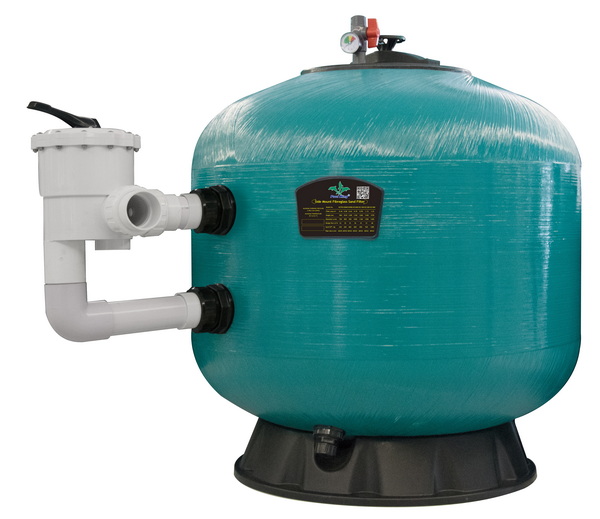
Before changing a Hayward pool filter, you must confirm whether you have a sand, cartridge, or DE (diatomaceous earth) model.[4]
- Sand filters use a tank filled with special pool‑grade silica sand that traps debris as water flows through it.[3]
- Cartridge filters use a pleated polyester cartridge inside a canister that you remove and replace when worn.[5]
- DE filters use grids or fingers coated with DE powder; you periodically clean or replace the grids and recharge with fresh DE.[6][4]
Safe replacement starts with isolating the system and relieving pressure so no high‑pressure water or air can escape unexpectedly.[7][3]
- Switch off power at the pool pump and, ideally, at the circuit breaker to prevent accidental startup.[8][3]
- Close valves to and from the filter if installed, open the manual air relief valve, and allow pressure on the gauge to drop to zero.[3][7]
- Basic tools: screwdrivers, small bucket or shop vac (for sand), socket/wrench set (for clamps), silicone‑safe lube for O‑rings, and PPE like safety glasses and gloves.[6][3]
Hayward sand filters such as Pro Series models (e.g., S210S, S244S) use pool filter sand that typically needs replacement every 3–5 years or when channels and clumping reduce performance.[9][10][3]
- Turn off the pump and ensure the air relief valve is open so the system is fully depressurized.[3]
- Set the multiport valve to “Closed” or “Winter” if available, then remove the drain plug at the bottom of the tank to drain water.[9][3]
- On top‑mount models, disconnect the plumbing unions or cut the lines (if no unions) and lift off the multiport valve assembly.[10][9]
- Use a shop vac or small container to remove sand; for newer Hayward tanks you can sometimes remove an internal standpipe plug to dump sand faster.[9][3]
- When sand is low, gently brush or hose away remaining sand and inspect the laterals for cracks that can let sand back into the pool.[11][3]
- Replace damaged laterals or the standpipe and make sure all laterals are fully unfolded and seated evenly before adding new sand.[11]
- Cover the top of the standpipe opening with tape or a plastic cap to prevent sand from falling inside, which could block flow.[10][3]
- Fill the tank halfway with water to cushion the laterals, then slowly pour in the specified weight of #20 silica filter sand from the manual or label.[3]
- Reinstall the multiport valve with a clean, lubricated O‑ring; tighten the clamp or unions evenly to avoid leaks.[10][3]
- Set the valve to “Backwash,” start the pump, and run 3–5 minutes to level and rinse the new sand, then rinse and finally set to “Filter.”[9][3]
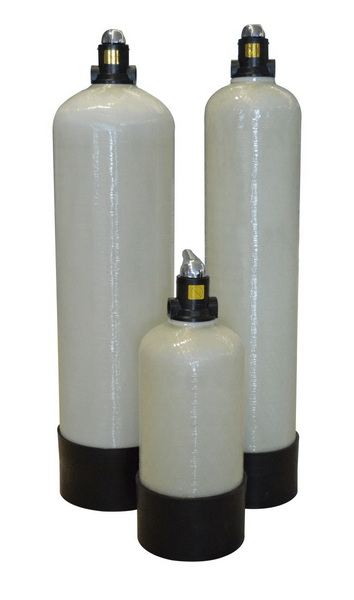
Hayward cartridge filters have a clamp‑on lid and one or more pleated cartridges that are straightforward to swap and clean.[12][5]
- Turn off the pump and verify the pressure gauge reads zero after opening the manual air relief valve.[7]
- Loosen the clamp band or knobs around the canister lid and remove the top; some models use a single locking knob, others a full metal clamp.[5][12]
- Lift the old cartridge straight up, letting water drain back into the tank.[5]
- Check the pleats for tears or crushed areas and verify the replacement part number matches the original or the filter label.[5]
- Hose out debris from the bottom of the canister and wipe sealing surfaces clean to protect O‑ring contact areas.[7]
- Insert the new cartridge, aligning the bottom and top so it seats fully in the guide surfaces.[5]
- Inspect the tank O‑ring, clean, and lubricate with silicone‑based lube; replace if cracked to avoid leaks.[7][5]
- Reinstall the lid, tighten the clamp evenly, close the air relief, and restart the pump, then bleed air slowly until a steady stream of water appears and the gauge stabilizes.[7]
DE filters like Hayward Pro‑Grid use internal grids that may need replacement when torn or after many cleanings, along with a fresh DE charge afterward.[13][6]
- Turn off power, set valves to isolate the filter, and open the manual air relief until pressure is zero.[13][7]
- Remove the drain plug at the bottom so water and DE slurry can escape, then loosen the tank clamp to remove the top half of the filter body.[6][13]
- Carefully lift the complete grid assembly straight up off the manifold pipe to avoid damaging the standpipe seal.[6]
- Hose off DE from the grids in a suitable area, capturing waste according to local regulations, and inspect for tears or broken frames.[14][6]
- Either replace individual damaged grids (usually eight per assembly) or swap in a pre‑assembled complete grid pack for faster service.[15][6]
- Reassemble the manifold and grids, ensuring each grid's notch and standpipe alignment match the manufacturer's diagrams.[13][6]
- Reinstall the grid assembly into the bottom tank, clean and lubricate the clamp O‑ring, then tighten the clamp evenly to factory spec.[13][6]
- Start the pump and, with it running, add the specified amount of DE slowly through the skimmer, using the filter label's DE capacity as reference.[4][14]
Once your new media or elements are installed, correct startup and monitoring help protect both equipment and water quality.[4][3]
- After any filter service, record the “clean” starting pressure on the gauge and schedule cleaning or backwashing when pressure rises 8–10 psi above this baseline.[4]
- Inspect for drips around drain plugs, clamps, unions, and multiport valve joints; retighten slightly if needed, but never over‑tighten plastic fittings.[10][3]
Some situations justify installing a new filter rather than only changing media or internal elements.[2][8]
- Cracked tanks, deformed filter bodies, or corroded clamps often mean the unit is at end‑of‑life and may be unsafe at pressure.[13]
- Upgrading from DE to cartridge or larger‑capacity filters can reduce maintenance and improve circulation, especially when you have added features like spas or water features.[8]
Changing a Hayward pool filter safely involves identifying your filter type, fully shutting down and depressurizing the system, and following the specific steps for sand, cartridge, or DE elements. With proper replacement, careful reassembly, and regular pressure‑based maintenance, your filtration system will keep water clear, extend equipment life, and reduce the need for costly service calls.[8][4][3]
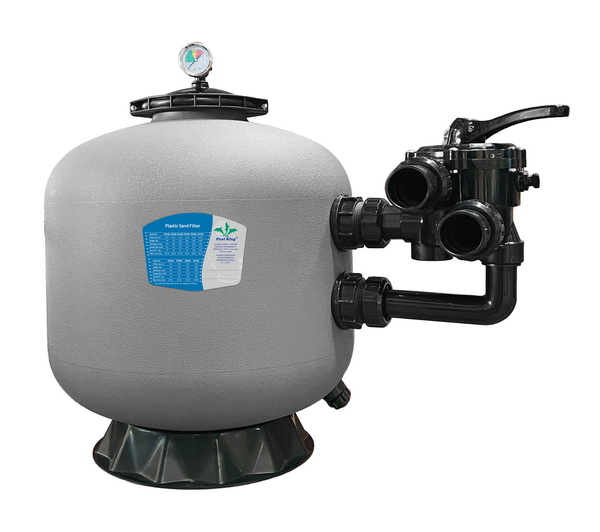
Most pools need sand replacement every 3–5 years, or sooner if you see persistent cloudy water, channeled sand, or sand returning to the pool despite proper backwashing.[3][10]
Replace cartridges when the pleats stay dirty after deep cleaning, the fabric tears, or the filter reaches cleaning pressure too quickly after washing.[12][5]
DE grids commonly last 5–10 years but should be replaced sooner if you see DE powder in the pool, tears in the fabric, or broken grid frames.[14][6]
You should only use the manufacturer‑specified filter sand or approved alternatives; mixing random media can cause poor filtration, channeling, and potential damage.[10][3]
Yes, switching off at both the pump timer and breaker is strongly recommended to prevent accidental startup while the system is open and depressurized.[3][7]
Leaks usually come from dirty or damaged O‑rings, uneven clamp tightening, or misaligned lids; cleaning, lubricating, and correctly re‑seating seals typically fixes the problem.[5][13]
[1](https://www.youtube.com/watch?v=gCLvQOPup5U)
[2](https://www.youtube.com/watch?v=aC205KKsT_4)
[3](https://hayward.com/media/akeneo_connector/asset_files/I/S/ISHCF230_En_90ac.pdf)
[4](https://hayward.com/knowledge-base/how-do-i-add-de-and-how-often-do-i-need-to-change-my-de/)
[5](https://www.youtube.com/watch?v=3BS8xf8gpBE)
[6](https://www.youtube.com/watch?v=1_fZCYF0akw)
[7](https://hayward.com/media/akeneo_connector/asset_files/I/S/ISDE2423EF_RevE_de8a.pdf)
[8](https://www.youtube.com/watch?v=U3Q1j2Wg0d0)
[9](https://www.youtube.com/watch?v=VEFCocjeq3I)
[10](https://www.royalswimmingpools.com/ProSeries-S244S.pdf)
[11](https://www.youtube.com/watch?v=ZNH9JLufzUM)
[12](https://www.facebook.com/clearwaterspoolandspaservice/videos/how-to-replace-cartridge-filters-on-your-pool-equipment-haywardpoolproducts-swim/2845542702374597/)
[13](https://www.pooltek.com/wp-content/uploads/2017/02/Filter-HaywardProGridDE.pdf)
[14](https://www.calpool.com/wp-content/uploads/2025/01/DEP-DE-Filter-Manual.pdf)
[15](https://www.inyopools.com/HowToPage/how-to-replace-hayward-de-filter-grids.aspx?CommentPage=1)
[16](https://www.facebook.com/groups/637529959937311/posts/2251902798500011/)
[17](https://www.youtube.com/watch?v=EahuwqqkVX8)
[18](https://www.reddit.com/r/pools/comments/16jo7fa/how_easy_to_replace_a_filter_on_my_own/)
[19](https://www.facebook.com/groups/637529959937311/posts/2665966990426921/)
[20](https://www.youtube.com/watch?v=C70OeMKv8AY)


