


Content Menu
● Understanding Your Pool Filter
● Safety Rules Before Operation
● Daily Operation: Normal Filtration
>> Set the System for Normal Filtering
>> How Long to Run the Filter Each Day
● Using a Sand Filter: Step‑by‑Step
>> How to Backwash a Sand Filter
>> Other Multiport Settings You May Use
● Operating a Cartridge Filter
>> How to Clean Cartridge Filters Safely
>> Backwashing and Recharging DE
● Routine Maintenance and Troubleshooting
>> 1. How many hours per day should I run my pool filter?
>> 2. When should I backwash a sand or DE filter?
>> 3. How often should I replace the sand in my pool filter?
>> 4. Do cartridge filters need backwashing?
>> 5. Is it safe to change the multiport valve position while the pump is running?
>> 6. What does the “Waste” setting on my multiport valve do?
>> 7. Why does my filter pressure keep climbing quickly after cleaning?
How to operate a pool filter correctly comes down to three things: understanding your filter type, using the right valve settings, and following a safe daily–weekly routine. When you master these basics, your water stays clear, your equipment lasts longer, and your maintenance becomes much easier.[1][2][3][4]
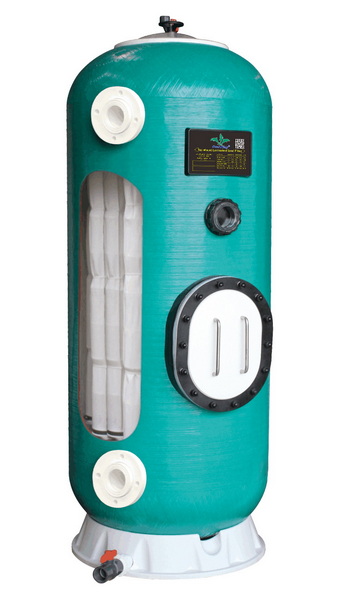
Operating a pool filter starts with knowing which type you have: sand, cartridge, or DE (diatomaceous earth). Each filter uses different media and has slightly different cleaning and operating procedures.[2][1]
- Sand filters use a bed of graded sand to trap debris as water flows through from top to bottom. They are popular because they are low‑maintenance and only need periodic backwashing plus a sand change every 5–8 years.[1][2]
- Cartridge filters use pleated cartridges that you remove and hose off when the pressure rises. They capture finer particles than sand and do not require backwashing, which saves water.[4][1]
- DE filters use fabric grids coated with diatomaceous earth powder to achieve the finest filtration of the three. They require backwashing and then re‑adding DE powder through the skimmer after cleaning.[2][1]
Knowing every component you touch during operation helps prevent damage and accidents.[3][4]
- Pool pump: This draws water from skimmers and main drains, pushes it through the filter, and returns it to the pool. Always switch the pump off before changing valve settings or opening any filter lid.[4][2]
- Multiport valve (on sand/DE filters) directs water flow to “Filter”, “Backwash”, “Rinse”, “Waste”, “Recirculate”, “Closed” and sometimes “Winter”. Most of the time, it should stay in the Filter position for normal circulation.[5][6][3]
- Pressure gauge shows the internal pressure of the filter tank and tells you when it is time to backwash or clean. Your “clean” starting pressure is usually around 6–12 psi on many residential systems, and a rise of about 8–10 psi above that indicates cleaning is needed.[7][1][4]
Pool filters operate under pressure, so safe operation is essential.[8][4]
- Always shut off the pump and any automatic controls before moving the valve handle or opening the filter. Relieve pressure with the air relief valve and check that the gauge drops to zero before loosening clamps or lids.[2][4]
- Never run the system with the multiport valve in the Closed position, because this can damage the pump, valve, and plumbing. Do not exceed the maximum working pressure stated on the filter label, often around 50 psi for many cartridge housings.[9][3][4]
- Keep hair, clothing, and jewelry away from suction inlets, and ensure anti‑entrapment covers are in place and intact. Install or maintain safety devices such as vacuum release systems where required by code.[10]
During the swimming season, the filter runs most days to keep water clear.[1][2]
1. Ensure water level is at mid‑skimmer so the skimmer can pull water without sucking air.[2]
2. Open all necessary valves (skimmers, main drain, return lines) and make sure the pump strainer basket is full of water and free of debris.[11]
3. For sand/DE filters, set the multiport to Filter, making sure the handle is pressed down fully before turning, then released and locked in place.[6][5]
4. Turn the pump on at the breaker or control panel and verify that water is returning to the pool through return jets.[2]
5. Check the pressure gauge and note the clean operating pressure for future reference.[7][1]
The goal is to turn over the entire pool volume at least once per day, and often 1.5–2 times in hot or high‑use conditions.[1][2]
- Many residential pools run the filter 8–12 hours per day in summer, splitting run time into peak and off‑peak periods.[1]
- Using a timer or variable‑speed pump schedule helps reduce energy use while maintaining circulation and filtration.[11]
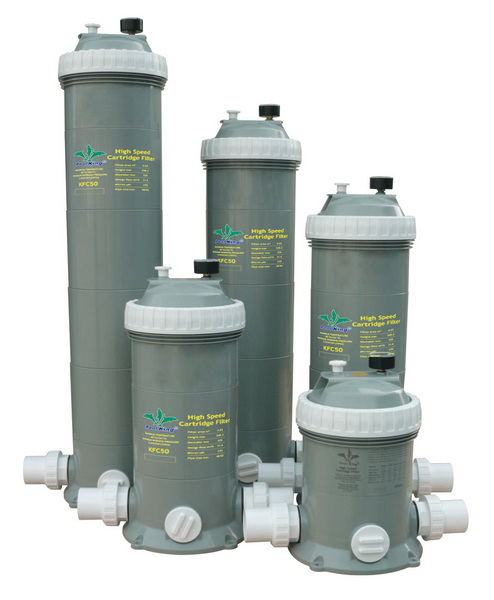
Sand filters are very common and relatively easy for homeowners and operators to use.[12][1]
During normal operation, your multiport valve should be on Filter.[5][6]
- Water is drawn from the pool, passes through the valve into the top of the sand bed, flows downward as debris is trapped, then exits through the laterals and standpipe back to the pool.[5][1]
- Keep the handle in Filter more than 80% of the season; avoid unnecessary switching that can wear the seal and cause leaks.[9]
When the pressure is 8–10 psi above clean pressure or the flow is noticeably reduced, backwashing is needed.[13][1]
1. Turn the pump off at the breaker or switch.[12][2]
2. Attach and roll out the backwash hose to a proper drain area and comply with local discharge regulations.[13][2]
3. Push the multiport handle down and turn to Backwash, then release it so it locks.[3][12]
4. Turn the pump on and run until the sight glass or discharge water runs clear, typically 2–3 minutes.[13][2]
5. Turn the pump off again and move the valve to Rinse.[13][2]
6. Turn the pump on for about 20–30 seconds to resettle the sand bed and flush remaining debris to waste.[13][2]
7. Turn the pump off, set the valve back to Filter, then restart the pump for normal operation.[2][13]
8. Top up the pool water level and rebalance chemicals if necessary.[13][2]
- Waste: Bypasses the filter completely to send water straight out of the waste line, useful for vacuuming very dirty pools or lowering water level after storms.[3][9]
- Recirculate: Circulates water without passing through the filter media, typically used for mixing chemicals when you do not want them trapped in the filter.[6][9]
- Winter: Used during off‑season closing in cold climates to prevent water from being trapped and freezing inside the valve.[9][3]
Cartridge filters do not require a multiport valve, so operation is simple: run in filter mode, then periodically open and clean the cartridges.[4][1]
- Water flows from the pump into the cartridge housing, through the pleated cartridges, and back to the pool.[1]
- The pressure gauge on the tank will show a clean reading when the cartridges are freshly cleaned, and a rise of about 8–10 psi signals that it is time to service them.[4][1]
1. Turn off the pump and any automatic controls, then open the air relief valve to relieve pressure.[4]
2. Once the gauge reads zero and no air or water is escaping, release the clamp or lock ring and carefully remove the lid.[4]
3. Remove the cartridges and inspect them for tears or collapsed pleats, replacing any damaged elements.[1]
4. Use a garden hose with a spray nozzle to wash debris from top to bottom, separating pleats with your fingers for a thorough clean.[1]
5. Reinstall cartridges, ensure the tank o‑ring is clean and lubricated, then replace the lid and clamp according to the manufacturer's instructions.[4]
6. Close the air relief, restore power, and restart the pump, then bleed trapped air until water flows steadily out of the relief valve.[4]
DE filters combine elements of both sand and cartridge operation: they use a grid assembly and are cleaned by backwashing and re‑charging with DE powder.[2][1]
- Water enters the tank and passes through DE‑coated fabric grids that trap very fine debris before returning to the pool.[1]
- Because they filter so finely, DE filters may require more frequent pressure monitoring and backwashing compared with sand.[2]
1. Turn off the pump and set the multiport or push‑pull valve to Backwash.[2]
2. Turn the pump on and run until the discharged water runs clear, usually 2–3 minutes.[13][2]
3. Turn the pump off, set the valve to Rinse if you have a multiport, then run for about 20–30 seconds.[5][2]
4. Return the valve to Filter, restart the pump, and then slowly add the manufacturer‑specified amount of DE powder through the skimmer closest to the pump.[2]
5. Allow the system to circulate so that powder coats the grids evenly and recheck pressure to establish the new clean reading.[2]
Good daily and weekly habits make operating your pool filter much easier.[14][1]
- Clean pump and skimmer baskets regularly to prevent clogs and suction issues. Check the pump lid o‑ring and hair strainer basket, cleaning any debris that could restrict flow.[14][11]
- Avoid running the pump with low water level or blocked inlets to prevent cavitation and pump damage. Always confirm inlet and outlet valves are open before starting the pump.[11][14]
Common symptoms and quick checks:
- High pressure and weak return flow often indicate a dirty filter needing backwash or cleaning.[13][1]
- Low pressure and weak flow may point to a suction side blockage, air leak, or pump priming issue, so check water level, baskets, and pump lid seal.[14][11]
Operating a pool filter safely and effectively means understanding your filter type, respecting pressure and safety limits, and following proper steps for filtering and cleaning. By using the correct multiport settings, watching the pressure gauge, and maintaining the pump and baskets, you keep water clear while protecting your equipment investment. Adding clear photos and operation videos to your procedures also helps staff and homeowners learn faster and avoid common mistakes.[15][16][5][4][1][2]
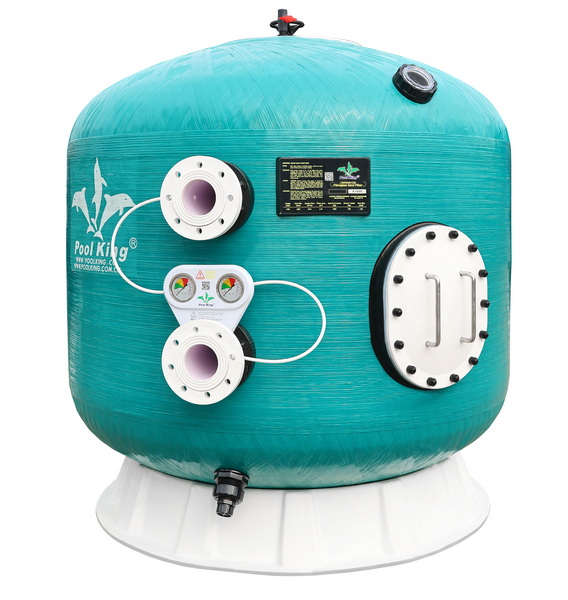
Most residential pools run the filter 8–12 hours per day in the main swimming season, long enough to turn the entire pool volume over at least once.[1][2]
Backwash when the pressure rises about 8–10 psi above the clean starting pressure or when you notice reduced water flow at the returns.[13][1]
Filter sand typically lasts 5–8 years before it becomes rounded and less effective, but heavy bather loads or poor water balance may shorten this interval.[2]
No, cartridge filters do not have a backwash valve; you clean them by turning off the system, opening the tank, and hosing off the cartridges when the pressure rises.[4][1]
No, always turn the pump off before moving the handle to avoid damaging internal parts and causing water hammer or seal failure.[3][2]
The Waste setting bypasses the filter media and sends water directly out of the waste line, which is useful for vacuuming very dirty pools or lowering water levels quickly.[9][3]
Rapid pressure increases may mean undersized filtration, algae or fine debris load, or a problem with media like channeled sand or worn DE grids that need inspection.[1][2]
[1](https://intheswim.com/blog/beginners-guide-to-swimming-pool-filters.html)
[2](https://www.freshwatersystems.com/blogs/blog/how-does-a-pool-filter-work)
[3](https://www.inyopools.com/HowToPage/how_a_multiport_valve_operates.aspx?CommentPage=1)
[4](https://www.thepoolfactory.com/blogs/pool-care/how-to-operate-a-cartridge-filter-system)
[5](https://intheswim.com/blog/multiport-valve-settings-demystified.html)
[6](https://lesliespool.com/blog/how-to-use-a-multiport-valve.html)
[7](https://www.thepoolfactory.com/blogs/pool-care/operating-your-sand-filter)
[8](https://www.pentair.com/en-us/pool-spa/education-support/professional-support/pool-and-spa-education/4-safety-tips-for-servicing-pool-filters.html)
[9](https://www.youtube.com/watch?v=Bm-htvR-JCE)
[10](https://www.aquaticcreationsohio.com/post/avoiding-pool-pump-accidents-common-risks-and-how-to-prevent-them)
[11](https://www.aquagem.com/news/swimming-pool-circulation-pump-requirements-and-precautions)
[12](https://bestwayusa.com/blog/how-do-i-use-a-sand-filter-pump.html)
[13](https://blog.royalswimmingpools.com/how-to-backwash-pool-filter-guide)
[14](https://sodramar.com.br/en/blog/dicas-de-limpeza-blog/5-principais-cuidados-com-filtro-e-motobomba-para-piscina/)
[15](https://www.youtube.com/watch?v=VmXdio44FTY)
[16](https://www.youtube.com/watch?v=HfY71R1U4_Q)
[17](https://www.youtube.com/watch?v=eGPf4WGQQpw)
[18](https://www.reddit.com/r/pools/comments/1d9ogxh/first_sand_filter_what_do_you_wish_youd_known/)
[19](https://www.youtube.com/watch?v=vVMCrOTb3QQ)
[20](https://www.browningpools.com/blog/multiport-valve-101)


