
Views: 222 Author: Tina Publish Time: 2025-12-28 Origin: Site


Content Menu
● What “Not Priming” Really Means
● Common Causes: Pump Not Priming
● Step‑by‑Step: How to Prime a Pool Pump
● How to Check for Suction‑Side Air Leaks
● Water Level, Skimmer, and Valves
● Filter, Baskets, and Impeller Problems
● Pump Design, Installation, and OEM Quality
● When to Stop and Call a Professional
● Related Questions and Answers (FAQ)
>> 1. Why does my pool pump lose prime overnight?
>> 2. How long should it take for my pool pump to prime?
>> 3. Can running a pump dry damage it?
>> 4. Do variable‑speed pumps prime differently from single‑speed pumps?
>> 5. Should I upgrade my pump or filter if I have frequent priming problems?
>> 6. How often should I lubricate or replace the pump lid O‑ring?
A pool pump that will not prime usually has one or more of these issues: air leaks on the suction side, low pool water level, clogged baskets or impeller, or a dry pump that was not filled with water before starting. Fixing priming problems quickly is essential, because a pump running dry can overheat, damage seals, and shorten motor life.[1][2][3][4]
As a professional Chinese manufacturer of premium sand filters, DE filters, cartridge filters, pool pumps, LED pool lights, and accessories, using intelligent machinery and offering OEM services for global brands and wholesalers, this guide is designed for foreign pool professionals and serious DIY owners who need clear, technical but easy-to-follow troubleshooting content.
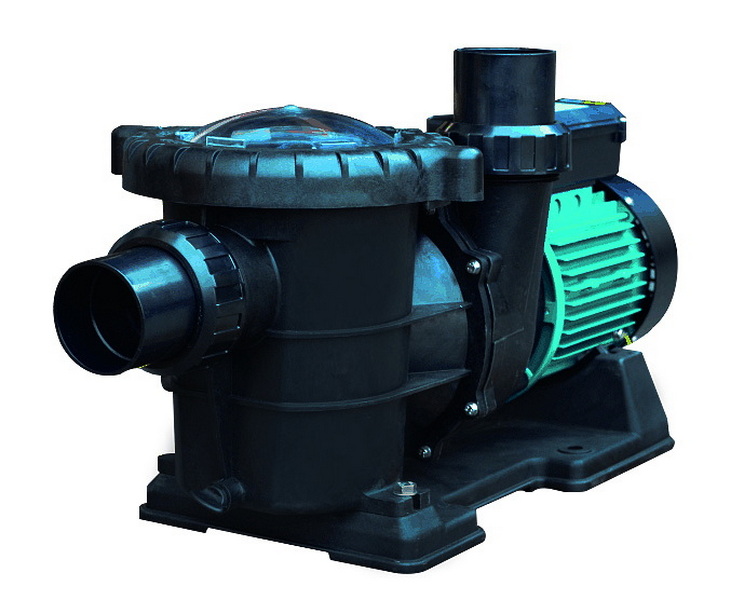
When a pump is primed, the housing and suction pipes are full of water so the impeller can create stable suction and push water through the filter and back to the pool.[5][6]
- A pump that is not primed may:
- Run loudly with a hollow or grinding sound and very little water in the clear lid.
- Show little or no flow at the return jets and unstable or low pressure at the filter gauge.[4][7]
A pump can also “half-prime,” where the basket is only partially full of water and large air pockets remain under the pump lid.[8][9]
Most priming problems come from the suction side – the plumbing between the skimmer/main drain and the pump – or from a dry or obstructed pump basket.[2][7]
- Typical causes include:
- Low pool water level, allowing air to be sucked into the skimmer.[3][8]
- Air leaks at the pump lid O-ring, unions, valves, or suction fittings.[10][8]
- Clogged skimmer or pump baskets, or a blocked impeller.[6][2]
- Closed or incorrectly positioned valves that starve the pump of water.[11][7]
- A stuck skimmer weir door blocking flow into the skimmer throat.[12][3]
If these issues repeat, the real problem is usually not just “losing prime” but a persistent air leak or flow restriction that must be corrected.[4][12]
The basic priming method is similar across most residential pool pumps and filtration systems.[5][6]
- Standard priming steps:
1. Turn off power at the breaker and confirm the pump cannot start accidentally.[13][5]
2. Set the multiport valve to “Recirculate” or bypass the filter (if available) so water can flow easily back to the pool.[6][5]
3. Open the pump lid, remove the basket, and clear out leaves, hair, or debris.[13][6]
4. Inspect and lubricate the lid O-ring with a pool‑safe lubricant, replacing it if cracked, flat, or brittle.[10][5]
5. Reinstall the basket, then fill the pump housing completely with a garden hose or bucket until the basket area is full of water.[5][6]
6. Quickly put the lid back on, tightening it evenly to ensure a good seal.[14][13]
7. Open any suction and return valves fully, then turn the pump on and open the filter's air relief valve until a steady stream of water comes out.[13][5]
8. Once the pump basket fills with water and the pressure gauge stabilizes at a normal level, close the air relief and let the system run to purge remaining air.[3][5]
Sometimes the pump needs to be shut off and re‑primed a second or third time if the lines were very full of air or the system was just opened for the season.[7][14]
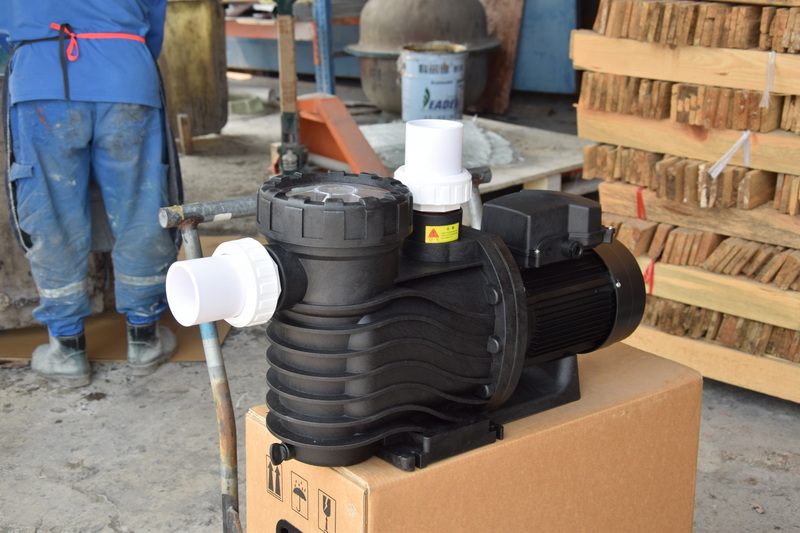
Suction‑side air leaks are among the most frequent reasons a pump will not prime or will lose prime after starting.[2][4]
- Key leak indicators:
- Persistent air bubbles visible under the pump lid while the pump is running.[8][4]
- A stream of bubbles returning to the pool from the return jets, especially long after start‑up.[16][8]
- Low or fluctuating filter pressure, despite clean baskets and filter media.[3][4]
- Simple leak‑finding techniques:
- With the pump running, run a garden hose slowly over the pump lid, suction unions, and suction valves; if the air bubble under the lid shrinks and the basket fills, that spot is probably leaking air.[7][16]
- Use a damp cloth or soapy water on suspect joints and listen for changes in pump sound or see if bubbles reduce briefly.[10][4]
- Inspect the lid O‑ring and union gaskets for cracks, flattened areas, or missing segments, then replace them with matching parts and apply a thin layer of pool lubricant.[8][10]
If leaks persist or appear to be underground between the pool and equipment pad, most owners should work with a professional technician or leak detection service.[7][4]
Even a perfectly sealed pump will struggle to prime if there is not enough water or if the flow path is blocked.[14][3]
- Water level and skimmer:
- Keep the pool water level at roughly the middle of the skimmer opening so the skimmer does not draw air or vortex water down to the suction line.[8][3]
- Make sure the skimmer weir door is moving freely and not stuck closed or partially blocking the skimmer throat.[12][3]
- Valves and positions:
- Confirm that suction valves (for skimmer and main drain) are open and not inadvertently closed during maintenance.[11][7]
- If there are multiple suction lines, try priming first from the skimmer only, then slowly opening the main drain valve once a solid prime is established.[14][13]
Correct valve settings and proper water level keep an otherwise healthy pump and filter system operating reliably.[3][7]
Priming is much easier when water can flow freely into and through the pump and filter.[2][3]
- Baskets and debris:
- Empty skimmer and pump baskets frequently to prevent leaves and debris from starving the pump of water.[2][6]
- Look through the pump lid while the pump is off; if debris is visible in the impeller eye, the impeller may need cleaning.[15][2]
- Filter condition:
- High filter pressure due to a dirty sand, cartridge, or DE filter can reduce flow and make priming harder.[6][3]
- After backwashing a sand or DE filter or cleaning cartridges, note the “clean” pressure as a baseline for future troubleshooting.[14][3]
A well‑sized sand, cartridge, or DE filter matched with a properly selected pump from a reliable OEM manufacturer ensures stable prime and efficient circulation over the long term.
Pump design and installation quality also influence how easily a system will prime and stay primed.[2][3]
- Hydraulic design:
- Short, direct suction plumbing runs with minimal elbows and properly sized pipe diameters help maintain strong suction and easier priming.[14][2]
- Pumps installed below or close to the pool water level usually prime more easily than pumps installed significantly higher than the water surface.[7][2]
- OEM equipment benefits:
- Premium OEM pumps and sand, cartridge, or DE filters are engineered with robust lids, high‑quality O‑rings, and efficient wet ends that resist air leaks and cavitation.
- For foreign brands, wholesalers, and pool builders, partnering with an OEM factory that uses intelligent production equipment helps ensure consistent tolerances, quiet operation, and reliable priming performance in the field.
Correctly matching pump and filter specifications to pool size and pipeline layout reduces startup problems and after‑sales complaints for international partners.
Some priming issues are beyond typical DIY skills and should be handled by qualified technicians.[4][7]
- Stop DIY attempts and call for service if:
- The pump motor makes loud grinding, screeching, or electrical burning smells.
- The pump housing becomes extremely hot or the pump shuts off repeatedly, indicating possible motor or thermal overload issues.[12][4]
- There are suspected underground suction leaks or severe plumbing damage around the equipment pad.[4][7]
A professional may pressure‑test lines, replace seals, or recommend upgrading to a modern, more efficient pump and matched filter set from a reputable OEM manufacturer.
A pool pump that will not prime is almost always telling you there is air in the system, not enough incoming water, or a blockage in baskets, valves, pipes, or the impeller. By checking pool water level, skimmer and pump baskets, lid O‑rings, suction‑side fittings, and filter condition, most pool owners can resolve basic priming issues and protect their equipment from damage.[3][7][2][4]
For international brands, wholesalers, and pool builders, specifying high‑quality pumps, sand filters, DE filters, cartridge filters, LED lighting, and accessories from a professional Chinese OEM factory helps ensure that end users experience easier priming, quieter operation, and more reliable daily filtration.
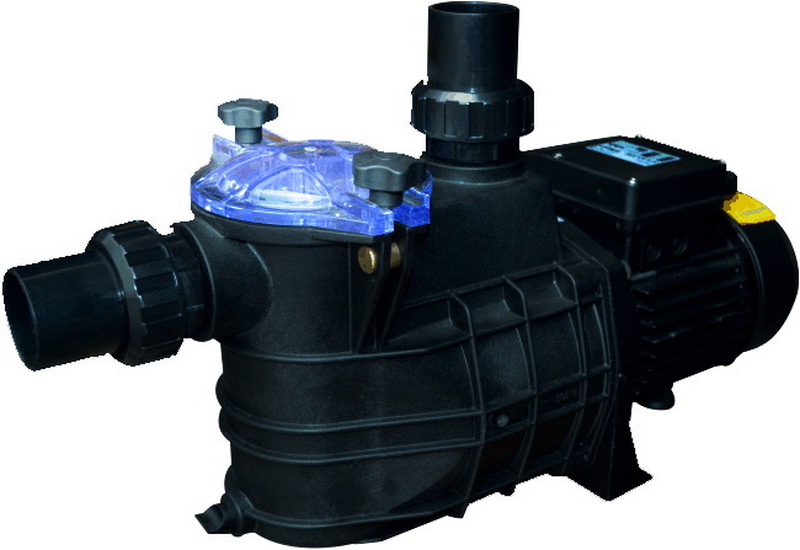
A pump that loses prime overnight often has a slow suction‑side air leak at the pump lid O‑ring, unions, or valves, or a pressure‑side leak that lets water drain back to the pool when the system stops. Check and replace worn O‑rings and tighten fittings, then prime the pump again and monitor the basket for air bubbles.[8][7][3][4]
Most residential pumps should fully prime within a few minutes if the plumbing is tight, the pump basket is full of water, and valves are correctly open. If the pump is still mostly full of air after several priming attempts, there is likely an air leak or blockage somewhere on the suction side.[5][6][2][4]
Yes, a pump running dry can overheat, warp plastic components, damage mechanical seals, and in some cases burn out the motor, especially if it runs dry for a long period. Always shut off power immediately if the pump is clearly not moving water and re‑prime before restarting.[1][13][5][6]
Many variable‑speed pumps have a built‑in priming routine that briefly runs at a higher speed to establish flow, then drops to the programmed operating speed. However, they still need proper water level, sealed lids, and clean baskets, just like single‑speed pumps, to prime successfully.[13][6][2][3]
If you have confirmed that plumbing and seals are in good condition but the system still struggles to prime, the pump may be undersized, mismatched to the filter, or too high above the pool water level. Upgrading to an appropriately sized, energy‑efficient pump and matching sand, DE, or cartridge filter from a trusted OEM source can significantly improve priming reliability and water clarity.[2][14]
In typical residential use, the pump lid O‑ring should be lubricated with pool‑safe lubricant every time the lid is opened and replaced whenever it becomes cracked, flattened, or no longer forms a reliable seal. Proper O‑ring care is one of the simplest and cheapest ways to prevent priming issues and extend equipment life.[10][5][8][4]
[1](https://www.youtube.com/watch?v=9JVApTiCQIg)
[2](https://www.inyopools.com/HowToPage/how_to_determine_why_a_pool_pump_won_t_prime.aspx?CommentPage=1)
[3](https://lesliespool.com/blog/how-to-prime-a-pool-pump.html)
[4](https://diy.inyopools.com/article/test-suction-side-air-leaks/)
[5](https://www.aquaticcouncil.com/news/how-to-prime-a-pool-pump/)
[6](https://www.swimuniversity.com/prime-pool-pump/)
[7](https://www.bluescience.com/swimming-pools/posts/what-to-do-if-your-pump-will-not-prime/)
[8](https://www.poolzoom.com/suction-side-air-leaks.html)
[9](https://www.youtube.com/watch?v=pkrVtTOyVYQ)
[10](https://www.funcenterpools.com/en/help/pool-pumps/how-do-i-troubleshoot-air-leaks-in-my-pool-pump-system)
[11](https://www.youtube.com/watch?v=6VlN98spIpM)
[12](https://www.youtube.com/watch?v=iUuEDeWW-oA)
[13](https://www.youtube.com/watch?v=Fer5zc8TE-Q)
[14](https://www.poolzonegc.com.au/post/how-to-prime-a-pool-pump)
[15](https://www.youtube.com/watch?v=UgXzHO16jxc)
[16](https://www.reddit.com/r/pools/comments/ymh351/air_in_system_suctionside_leak_when_i_kill_the/)
[17](https://www.reddit.com/r/pools/comments/15lr0qf/pump_not_priming/)
[18](https://www.youtube.com/watch?v=hlz48dkxwAc)
[19](https://www.youtube.com/watch?v=SiEOIxYpJ5g)
[20](https://www.reddit.com/r/pools/comments/q0h37y/pump_never_fully_primes_will_stay_like_this/)


