
Views: 222 Author: Tina Publish Time: 2025-12-01 Origin: Site


Content Menu
● Step 1: Shut off power and drain the pump
● Step 3: Separate motor from pump housing
● Step 4: Remove the impeller and seal plate
● Step 5: Replace the mechanical shaft seal
● Step 6: Mount the new motor and re‑install impeller
● Step 7: Reassemble pump housing
● Step 9: Prime, test, and check for leaks
● Extra tips from a manufacturer's view
● FAQs About Replacing a Pool Pump Motor
>> 1: How do I know my pool pump motor needs to be replaced?
>> 2: Can I upgrade to a variable‑speed motor on an existing pump?
>> 3: Is it safe to wire a pool pump motor myself?
>> 4: Do I have to replace the mechanical seal when changing the motor?
>> 5: How long should a new pool pump motor last?
>> 6: What motor specs must match when ordering OEM replacements?
Replacing a swimming pool pump motor is a practical DIY project that can save significant money if done safely and correctly. It also gives you a great opportunity to upgrade to a more efficient motor and extend the life of your entire filtration system.[1][2]
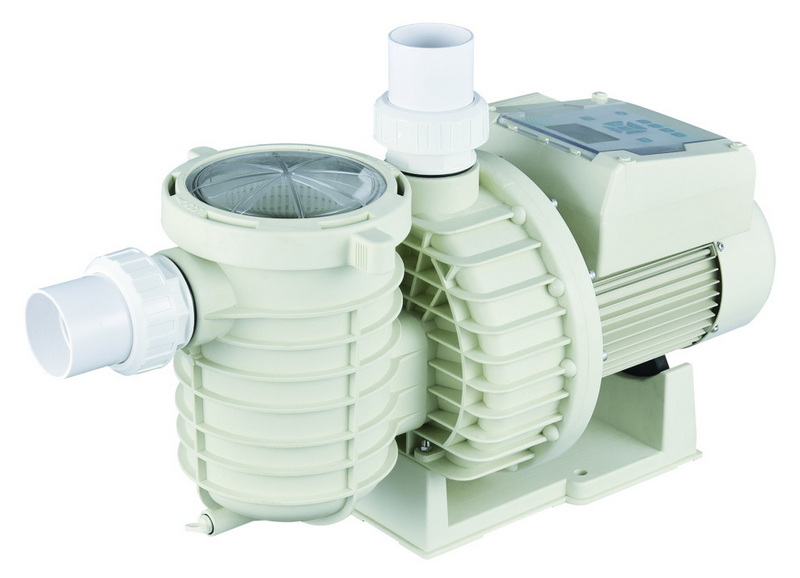
Before touching any part of the pump or motor, switch off the power at the circuit breaker and lock it out or clearly tag it so nobody can accidentally turn it back on. Use a non‑contact voltage tester or multimeter to confirm the motor is completely de‑energized before you start working.[3][4]
Wear safety glasses, insulated gloves, and non‑slip shoes to protect against electrical shock, sharp edges, and pool chemicals. Keep the pump's user manual with you during the job so you can match parts and wiring exactly to the manufacturer's instructions.[4]
Basic tools you will typically need include a set of open‑end wrenches, socket set (commonly 7/16", 9/16"), screwdrivers, strap wrench for the impeller, pliers, and a non‑contact voltage tester. Having a clean workbench, towels, and a small container for bolts makes reassembly much simpler and prevents losing small parts.[1][3]
Common replacement materials include the new pool pump motor, a correct replacement mechanical shaft seal, O‑rings or a “go‑kit” for your pump model, Teflon tape, and suitable electrical connectors approved for outdoor use. Always verify the new motor's horsepower, voltage, frame size, and service factor match your existing pump wet end so everything fits correctly.[5][3]
Go to the electrical panel and switch off the breaker feeding the pool pump, then verify zero voltage at the motor terminals or power whip. Many guides recommend confirming with a meter and not relying only on the breaker handle position for safety.[3][4]
Next, close any suction and return valves (if installed) and open the pump's drain plugs so water can leave the housing. Removing the pump lid to break the vacuum and letting the water drain down will make the unit lighter and easier to handle.[7][4]
Remove the rear cover or wiring compartment cover on the existing motor to expose the electrical connections. Carefully take a clear photo of the wiring and label each conductor (line, neutral, ground) with tape so you can duplicate the connections later.[3]
Loosen the conduit fitting or strain relief where the electrical whip enters the motor and gently pull the wires free after confirming power is off. If your system uses 230 V instead of 115 V, you will usually see two hot wires and a ground; these must match the new motor's voltage configuration and local electrical codes.[6][4]
Depending on the pump brand, either loosen the large band clamp or remove several bolts (often four to eight) that hold the seal plate and motor assembly to the main pump housing. Gently pull the motor and seal plate straight back from the housing so the diffuser and impeller come out as one assembly.[1][3]
Place the motor assembly on a clean bench and remove the diffuser, which may be held by clips or small screws. This exposes the impeller and the mechanical shaft seal area, which are critical to inspect and replace.[7][3]
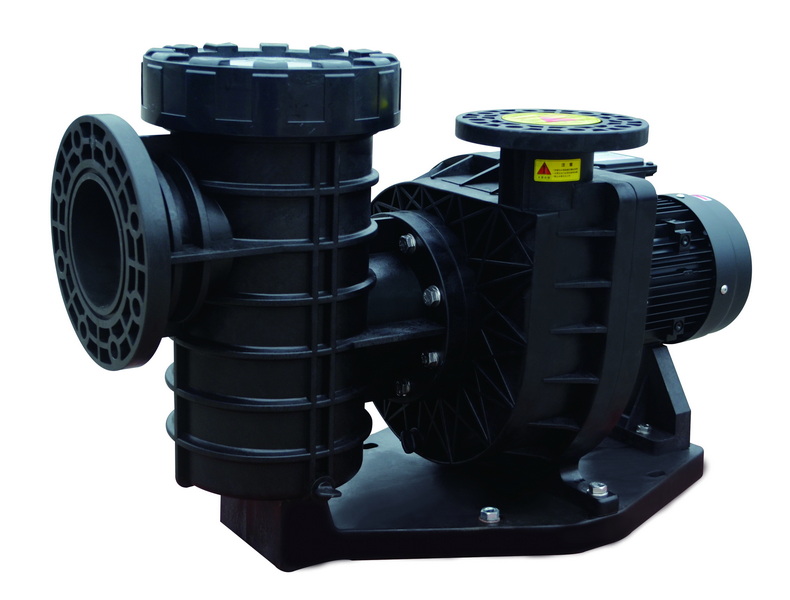
Hold the back of the motor shaft with the correct‑size wrench (commonly 7/16" or 9/16") to prevent it from spinning. Then unscrew the impeller by hand or with a strap wrench; be aware that some pumps have a small reverse‑thread locking screw in the center of the impeller that must be removed first.[3]
After the impeller is off, remove the bolts that secure the seal plate to the motor face and slide the seal plate away. Take note of any spacers, washers, or alignment tabs so they can be re‑installed exactly in the same orientation.[8][1]
Carefully remove both halves of the old mechanical shaft seal: one piece is pressed into the seal plate and the other is mounted on the impeller. Use a non‑metallic tool or your gloved fingers to avoid scratching the sealing surfaces in the plastic parts.[9][3]
Install the new ceramic and carbon seal components from the correct seal kit for your pump model, following the orientation shown in the parts diagram. Manufacturers stress that you should not touch the polished white ceramic or black graphite faces with bare fingers to avoid contamination and leaks.[3]
Place the seal plate onto the new motor, aligning any tabs or locating bosses, and secure it using the appropriate bolts tightened evenly in a criss‑cross pattern. Check that the motor face and seal plate sit flat with no gaps, which could indicate trapped debris or misalignment.[1][3]
Hold the rear of the new motor shaft with the wrench again and thread the impeller onto the shaft until it is snug; reinstall any reverse‑thread locking screw if your model uses one. Refit the diffuser over the impeller, ensuring it sits in the correct orientation so water channels line up with the housing.[8][3]
Bring the rebuilt motor, seal plate, diffuser, and impeller assembly back to the main pump housing and slide it straight into place. Ensure the housing O‑ring is clean, properly seated, and lightly lubricated with a pool‑safe lubricant before closing the housing.[7][3]
Install the clamp or bolts and tighten them evenly all around the housing to create a uniform seal without warping the plastic. Reinstall the pump lid O‑ring (clean and lubricated) and close the lid securely to prepare for priming later.[1][3]
Open the wiring compartment on the new motor and confirm that its internal selector or jumpers are set for the incoming voltage (115 V or 230 V) that your circuit provides. Using wire nuts or terminals specified by the motor manufacturer, reconnect the hot(s), neutral (if applicable), and ground exactly as they were on the previous motor.[6]
Make sure the wire size matches the motor's amperage and the run length so the conductors will not overheat during operation. Tighten the strain relief or conduit fitting so the cable is protected from pulling and water ingress, then reinstall the motor's wiring cover securely.[10][4]
Open all suction and return valves and fill the pump strainer basket with water to prime the pump before starting. Replace the lid, making sure the O‑ring is seated correctly, then close the air relief valve on the filter if your system has one.[4][3]
Turn the breaker back on and briefly start the pump, watching to see that the pump primes, water flows steadily, and no leaks appear around the pump housing, lid, or plumbing unions. Let it run for several minutes while checking for unusual noise, vibration, or overheating, which could indicate misalignment or internal binding.[2][3]
Choosing a high‑efficiency or variable‑speed replacement motor can significantly reduce energy consumption, especially for large pools that run the pump many hours per day. Matching the motor frame size and horsepower correctly to your existing wet end avoids hydraulic mismatches and mechanical stress.[11][5]
As a professional filtration equipment manufacturer, your factory can also provide complete replacement pump sets (motor, wet end, unions, and accessories) that are pre‑matched and tested before shipping. Bundling this article with links to your sand filters, cartridge filters, LED lights, and control accessories helps foreign OEM customers understand that you offer integrated system solutions, not just single components.
Replacing a swimming pool pump motor follows a clear sequence: shut off power, disassemble the pump, replace the shaft seal, mount the new motor, re‑wire, and test under safe conditions. With proper tools and attention to safety, many pool owners and professional buyers can handle this task themselves while upgrading to more efficient OEM‑grade motors from reliable factories like yours.[3][1]
For overseas brands, wholesalers, and manufacturers looking for stable OEM supply of pool pumps, sand filters, cartridge filters, DE filters, LED lights, and full filtration solutions, your Chinese factory can customize designs, performance curves, and packaging to match target markets. Embedding this guide in your product pages with clear calls‑to‑action such as “Contact us for OEM pump and motor solutions” will help convert technical readers into long‑term customers.
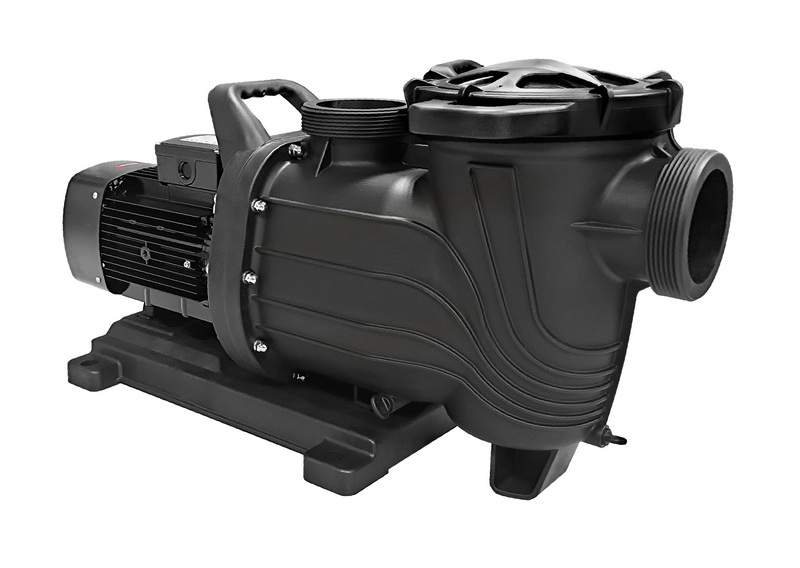
Common signs include loud grinding or screeching noises, motor overheating, frequent tripping of the breaker, and visible corrosion or water leaking into the motor area. If the motor hums but will not start even after capacitor checks and bearing inspection, replacement is often more economical than repair.[2][7]
In many cases, yes—variable‑speed replacement motors are designed to fit common pump wet ends as long as the frame size, flange type, and total horsepower match. Upgrading to variable speed can dramatically reduce electricity costs by allowing longer, low‑speed filtration cycles instead of always running at full speed.[12][11]
Electrical codes generally allow homeowners to perform their own work, but local rules vary, and you must follow national and local electrical codes strictly. If you are unsure about voltage, breaker size, bonding, or grounding, hiring a licensed electrician or having one inspect your work is strongly recommended.[13][6]
Yes, most professional guides recommend always installing a new mechanical shaft seal whenever the motor is replaced or the pump is disassembled. Reusing an old seal greatly increases the risk of leaks that can quickly damage the new motor bearings and void warranties.[9][3]
With proper sizing, ventilation, and balanced filtration system pressure, many residential pool pump motors last around 7–10 years. Regular maintenance such as keeping the pump basket clean, maintaining correct water chemistry, and ensuring the pump never runs dry will extend motor life.[2][4]
You should match horsepower (or total HP), voltage, phase, frame size, speed (single, dual, variable), and mounting style to the existing pump wet end. For OEM and private‑label orders, providing your supplier with sample pumps, performance requirements, and target certification standards (such as CE or ETL) ensures the replacement motors integrate smoothly into your product line.[5]
[1](https://www.inyopools.com/HowToPage/how_to_replace_the_motor_on_your_pool_pump.aspx?CommentPage=1)
[2](https://sqone.com/blogs/news/pool-pump-maintenance-guide)
[3](https://lesliespool.com/blog/how-to-replace-a-pool-pump-motor.html)
[4](https://www.lowes.com/n/how-to/how-to-replace-a-pool-pump)
[5](https://www.aquamagazine.com/service/inline-equipment/article/15296040/pump-motor-installation-tips)
[6](https://www.inyopools.com/HowToPage/how_to_wire_a_pool_pump.aspx?CommentPage=9)
[7](https://poolie.com/blog/repair/pool-pump-motor-repair/)
[8](https://www.youtube.com/watch?v=1fL3wYkUsOE)
[9](https://www.youtube.com/watch?v=Fdlik2fca2w)
[10](https://parkinelectric.com/essential-steps-for-safe-pool-pump-wiring-installation/)
[11](https://www.youtube.com/watch?v=N3Vs9mpzFlY)
[12](https://www.youtube.com/watch?v=V_VCfTknOqY)
[13](https://www.thisoldhouse.com/pools/21016222/how-to-wire-an-above-ground-pool-pump)
[14](https://www.youtube.com/watch?v=J7BVkIp4l_Q)
[15](https://www.youtube.com/watch?v=JifZC6tmFWA)
[16](https://www.youtube.com/watch?v=Qdnrjn32X_g)
[17](https://www.homedepot.com/c/ah/how-to-install-a-pool-pump/9ba683603be9fa5395fab901f237ca39)
[18](https://www.reddit.com/r/pools/comments/1gls95b/pool_pump_broke_is_it_safe_to_use_the_pool_with/)
[19](https://www.facebook.com/groups/637529959937311/posts/2733432173680402/)
[20](https://www.reddit.com/r/AskElectricians/comments/1j7eqx4/best_practices_for_wiring_a_220v_pool_pump_in_a/)


