
Views: 222 Author: Tina Publish Time: 2025-12-31 Origin: Site


Content Menu
● What Should Pool Filter Pressure Be?
● Typical Pressure Ranges by Filter Type
● How to Find Your Pool's Correct Filter Pressure
>> Step‑by‑Step to Establish Clean Pressure
>> When to Clean Based on Pressure
● Causes of High Pool Filter Pressure
>> Common Reasons for High Pressure
● Causes of Low Pool Filter Pressure
>> Common Reasons for Low Pressure
● Best Practices for Monitoring Pool Filter Pressure
>> How Often to Check the Gauge
>> When to Replace the Pressure Gauge
● Why Correct Filter Pressure Matters for OEM‑Grade Systems
● FAQs About Pool Filter Pressure
>> 1. Is 30 psi too high for a pool filter?
>> 2. What should pool filter pressure be when the pump is off?
>> 3. Why does my pool filter pressure keep rising quickly?
>> 4. Can I run my pool pump with low filter pressure?
>> 5. Do variable‑speed pumps change what my filter pressure should be?
>> 6. How often should I replace the sand, DE grids, or cartridges?
For most residential pools, a normal clean filter pressure is usually somewhere between 10–20 psi, but every system has its own “normal” number. The correct approach is to establish your pool's clean starting pressure after a thorough filter cleaning and then maintain it, cleaning the filter again when the pressure rises about 5–10 psi above that baseline.[1][2][3][4]
Pool filter pressure is the force that pushes water through the filter tank and back into the pool, measured in pounds per square inch (psi). It is read on the pressure gauge located on top or on the side of the filter—usually marked from 0 to 60 psi on residential equipment.[5][4]
Most pool filter systems operate in a typical range of 5–15 psi or 10–20 psi when clean, though some setups can run higher, especially with powerful pumps or restrictive plumbing. Because every pool has different pipe lengths, fittings, and equipment, the only reliable “correct” pressure is the clean operational pressure of that specific system.[3][4][1]
- To find your system's normal pressure, fully clean or backwash the filter, empty all baskets, restore water level, and then run the pump until it is fully primed; the steady reading is your clean baseline.[1][5]
- When the pressure rises 5–10 psi above this baseline (for example, from 10 psi to 17–20 psi), it is time to clean or backwash the filter again.[2][1]
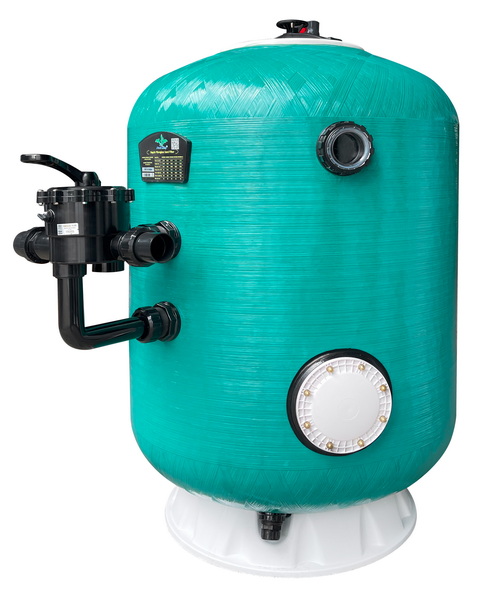
While the true “correct” pressure depends on your individual system, different filter types often fall into characteristic ranges.[4][2]
Sand filters commonly operate around 10–15 psi when clean on many residential pools. Some low-resistance systems may run closer to 5–10 psi, while larger or more complex plumbing can push clean pressure higher.[2][3][1]
- When pressure rises 7–10 psi above clean pressure, it generally indicates the sand bed is loading with debris and a backwash is due.[6][2]
- For high‑rate sand filters with inlet and outlet gauges, a pressure differential of about 18–20 psi usually signals it is time to backwash.[6]
Diatomaceous earth (DE) filters typically run in a similar or slightly higher range than sand filters, often 10–20 psi when clean, depending on pump size and plumbing. Because DE filters capture very fine particles, the pressure can rise more quickly if the pool is dirty or unbalanced.[7][3][4]
- Clean or recharge the DE filter when the pressure climbs about 8–10 psi above the clean starting number.[7][4]
- Extremely rapid pressure increases may indicate heavy algae, clogged grids, or a chemical issue rather than normal dirt loading.[7]
Cartridge filters often have a wider “normal” band, with some systems starting as low as 10 psi, while others have a clean pressure around 20 psi. The key is still the difference between the clean pressure and the current reading, not the absolute number.[3][4][7]
- Clean the cartridge when the gauge reads 8–10 psi higher than the clean value; for instance, from 12 psi up to about 20–22 psi.[4][3]
- If your cartridge filter always begins around 20–25 psi and water flow is strong, that may be normal for your system rather than a sign of trouble.[4][7]
The most reliable way to know what your pool filter pressure should be is to establish a clean reference reading.[5][1]
1. Turn off the pump and power.
Ensure the system is safe before opening any equipment.[8]
2. Clean or backwash the filter thoroughly.
- Sand filter: Backwash until water in the sight glass runs clear, then rinse and return to filter mode.[2][6]
- DE filter: Backwash or disassemble according to the manual, then recharge with the specified amount of DE.[7]
- Cartridge filter: Remove the cartridges, hose them off thoroughly, and use cartridge cleaner if heavily soiled.[7]
3. Empty pump and skimmer baskets.
Remove leaves, hair, and debris from all baskets to eliminate flow restrictions.[8][1]
4. Restore proper water level.
Ensure the pool water is at mid‑skimmer height so the pump is not sucking air.[8]
5. Start the pump and bleed air.
Open the air relief valve on the filter until a steady stream of water emerges, then close it once the system is fully primed.[5]
6. Wait for the reading to stabilize, then mark it.
When the needle stops moving and the system runs smoothly, note the psi; this is your clean operating pressure.[1][5]
- Many technicians recommend writing this number directly on the filter tank with a marker or using an adjustable indicator on the gauge.[3][1]
Once you have the clean value, you can use pressure changes as a maintenance trigger.[5][3]
- For most systems, a rise of 5–10 psi above clean pressure indicates the filter is dirty and needs backwashing or cleaning.[1][2]
- For systems with both inlet and outlet gauges, a differential of around 18–20 psi across a sand filter can signal it is time to backwash.[6]
If pressure increases slowly over days or weeks, that is normal dirt loading. A rapid jump in pressure within hours may indicate unusual debris, chemical reactions causing scale, or an obstruction downstream of the filter.[8][3][7]
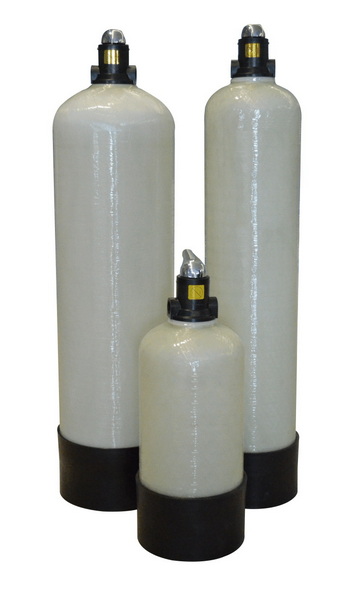
High filter pressure is generally defined as a reading that is significantly above your normal clean pressure, often more than 10 psi higher. This almost always means that water flow is being restricted somewhere in the system.[3][5][8][7]
- Dirty or clogged filter media
This is the single most common cause: dirt‑loaded sand, DE‑coated grids, or clogged cartridges restrict flow and raise pressure.[4][7]
- Obstruction after the pump (downstream)
Closed or partially closed return valves, blocked return lines, or scaled‑up salt cells can increase back‑pressure and elevate gauge readings.[8]
- Oversized pump or undersized filter
A pump that is too strong for the filter can force higher operating pressures, especially at high speeds.[4][8]
- Chemical scale and build‑up
Excess calcium or lime deposits in the filter or salt cell can restrict water passages and show up as high psi.[8]
- Backwash or clean the filter thoroughly until pressure returns close to the clean value.[2][7]
- Inspect return valves, heater, chlorinator, and any downstream equipment for blockages or partially closed valves and correct as needed.[8]
- If pressure remains high after cleaning and checks, review pump–filter sizing with a professional and consider upgrading to a larger filter or adjusting pump speed.[4][8]
Low pool filter pressure is typically a reading well below your normal clean psi, often accompanied by weak return jets or poor circulation. Instead of restriction, low pressure usually means the pump is not receiving enough water or is drawing in air.[9][7][8]
- Low water level in the pool
If the water level falls below mid‑skimmer, air enters the system, reducing pressure and flow.[8]
- Clogged skimmer or pump baskets
Packed baskets restrict water entering the pump, causing lower pressure readings.[8]
- Debris in the pump impeller
Leaves, seeds, or hair stuck in the impeller reduce pumping capacity and thus lower filter pressure.[9][7]
- Suction‑side air leak
Worn pump lid O‑rings, loose unions, or cracked suction plumbing can let air in and reduce pressure.[10][7]
- Variable‑speed pump running too slow
At very low RPM (e.g., around 1400 rpm), the gauge may show a low psi even though the system is working as designed.[7][4]
- Raise the pool water level to the center of the skimmer opening and keep it there consistently.[8]
- Clean all baskets, check and clean the impeller, and ensure valves on the suction side are fully open.[9][8]
- Inspect the pump lid O‑ring and suction fittings; lubricate or replace seals if air leaks are suspected.[10][7]
- For variable‑speed pumps, increase RPM slightly and observe whether pressure and circulation improve.[7][4]
Regular monitoring of filter pressure helps keep water clear and protects your equipment.[5][3]
- Most residential pool owners should glance at the pressure gauge every time the pump runs or at least a few times per week.[5]
- Mark “clean” and “time to clean” positions on the gauge or tank to make visual checks faster and more intuitive.[1][3]
A faulty gauge can give misleading readings and lead to poor maintenance decisions.[3][4]
- Replace the gauge if it is stuck, reading the same value when the pump is off, or if water has infiltrated the dial.[3]
- Installing a quality, glycerin‑filled gauge can improve accuracy and longevity, especially in harsh outdoor environments.[5][4]
Stable, correct filter pressure ensures efficient filtration, safe circulation, and lower energy consumption in both residential and commercial pools. For OEM buyers and professional installers, designing systems that operate within optimal pressure ranges helps minimize warranty claims, callbacks, and customer complaints.[3][4][5]
- Matching sand, DE, or cartridge filters with properly sized pumps and low‑resistance hydraulics keeps operating pressures within a comfortable range of about 10–20 psi for typical pools.[2][4][3]
- High‑precision pressure gauges and smart monitoring make it easier for end users to identify when maintenance is due, extending equipment life and protecting high‑value pool installations.[5][3]
The correct pool filter pressure is not one universal number but the stable, clean operating psi of your specific system—often in the 10–20 psi range for residential pools. Establishing this baseline after a thorough cleaning and then cleaning again when pressure rises about 5–10 psi above that mark is the most reliable way to keep your water clear and your equipment protected.[1][2][4][3][5]
High pressure almost always indicates restriction, such as a dirty filter or blockage after the pump, while low pressure points to supply issues, like low water level, suction leaks, or impeller problems. By checking the gauge regularly, keeping the filtration system clean, and using quality components, pool owners, service professionals, and OEM partners can ensure safe, efficient, and long‑lasting pool operation.[9][4][3][7][5][8]
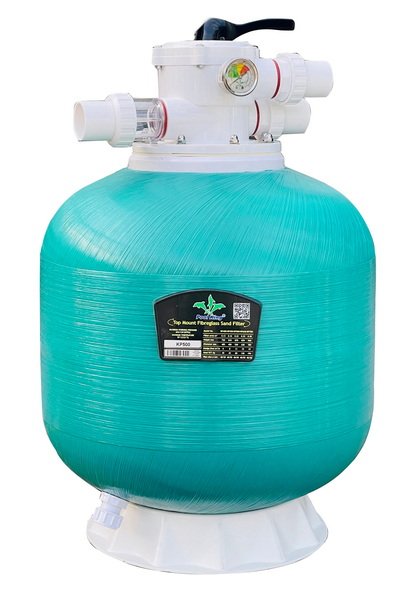
For most residential filters, 30 psi is considered too high, especially if the clean operating pressure is in the 10–20 psi range. If your gauge reads near 30 psi, shut the system down, clean or backwash the filter, and inspect for downstream obstructions or undersized filter issues.[2][3][5][8]
When the pump is off, the pressure gauge should read close to 0 psi, because there is no active flow through the filter. If the needle does not return to zero with the system off, the gauge may be faulty and should be replaced.[4][3][5]
Rapidly rising pressure, especially within hours, often indicates heavy debris load, algae, or chemical issues causing clogging, rather than normal gradual dirt accumulation. In such cases, you may need to deep‑clean or chemically clean the media and address any underlying water chemistry problem.[7][4][8]
Running with low pressure usually means the pump is starved for water or drawing air, which can damage seals and reduce filtration quality. The system should be inspected for low water level, clogged baskets, impeller blockages, or suction‑side leaks before extended operation.[10][9][7][8]
Yes. At lower RPMs, a variable‑speed pump will generate lower system pressure, so “normal” psi at a slow speed will be lower than at full speed. The key is to establish a clean baseline at each commonly used speed and use the 5–10 psi increase rule relative to that speed's starting pressure.[3][4][5][7]
Sand in a properly maintained filter may last 5–7 years, while DE grids and cartridges often need replacement when they are physically damaged, permanently fouled, or no longer clean effectively. If you notice persistent high pressure even after cleaning or unusual channeling and dirt blow‑back, it may be time to renew the media or elements.[6][2][4][7]
[1](https://www.pelicanbaypools.com/blog/why-your-pool-may-have-low-filter-pressure)
[2](https://hurricane-pool-filters.com/blogs/insights/mastering-your-pool-filter-pressure-gauge)
[3](https://intheswim.com/blog/pool-filter-pressure-problems.html)
[4](https://www.swimuniversity.com/pool-filter-pressure-gauge/)
[5](https://www.swimmingpool.com/maintenance/pump&filter/guide-to-filter-pressure-gauges/)
[6](https://www.poolspanews.com/how-to/ultimate-tech-manual/sand-filter-care-for-pools_o)
[7](https://www.youtube.com/watch?v=x3elim-k4fs)
[8](https://mrpoolman.com.au/blogs/news/diagnosing-and-fixing-pool-filter-pressure-problems)
[9](https://www.inyopools.com/HowToPage/how_to_correct_low_pressure_in_your_pool_system.aspx?CommentPage=1)
[10](https://www.facebook.com/groups/637529959937311/posts/2240803156276642/)
[11](https://www.youtube.com/watch?v=3n4zQvMOFJQ)
[12](https://www.reddit.com/r/pools/comments/13lfddg/what_should_the_psi_reading_be_on_a_sand_filter/)
[13](https://www.facebook.com/groups/637529959937311/posts/2260315490992075/)
[14](https://www.youtube.com/shorts/hIf-cnR7i4w)
[15](https://www.youtube.com/watch?v=WU6mLHNN_h4)
[16](https://www.youtube.com/watch?v=KS8QpFBdc4Q)
[17](https://www.reddit.com/r/pools/comments/1cn2i08/sand_filter_pressure_always_high/)
[18](https://www.poolstoponline.com/pool-school/filter-pressure-will-not-come-down)


