
Views: 222 Author: Tina Publish Time: 2025-12-31 Origin: Site


Content Menu
● When to Clean a DE Pool Filter
● How to Backwash a DE Pool Filter
● How to Deep-Clean DE Filter Grids
● How to Recharge with New DE Powder
● Ongoing DE Filter Maintenance Tips
● Frequently Asked Questions About DE Pool Filters
>> 1. How often should a DE pool filter be backwashed?
>> 2. How often should DE filter grids be fully cleaned?
>> 3. How do you know how much DE to add?
>> 4. Why is DE coming back into the pool?
>> 5. Is a DE filter better than a sand filter?
>> 6. Can you run a DE filter without DE powder?
Keeping a DE (diatomaceous earth) pool filter clean is essential for sparkling, healthy pool water and long equipment life. This detailed guide explains when and how to clean, backwash, and recharge your DE pool filter, with visuals and videos you can embed in your blog.[1][2]

A DE pool filter uses a fine white powder made from fossilized diatoms to coat internal grids or fingers and trap debris down to around 4 microns, much finer than sand filters. Because it filters so finely, it delivers exceptionally clear water but needs regular backwashing and periodic deep cleaning.[3][2]
- Key components of a DE filter include the tank, manifold, grids or fingers, air relief valve, drain plug, pressure gauge, and multiport or slide valve.[2][4]
- The DE powder is added through the skimmer after cleaning so that it coats the internal grids and restores filtration capacity.[5][1]
DE filters need both routine backwashing and occasional full disassembly cleaning. Cleaning frequency depends on pool usage, debris load, and water quality.[8][9][2]
- Backwash the DE filter about once a month during normal use and whenever pressure rises 8–10 psi above the clean starting pressure.[9][10]
- Deep-clean and hose down the grids at least once or twice a year, or more often for heavily used or very dirty pools.[8][9][2]
Before touching the filter or valve settings, always shut down the system and release pressure. This protects both the equipment and the person doing the maintenance.[4][8]
- Turn off the pool pump at the timer or breaker, and make sure no automated system will restart it while you work.[1][2]
- Open the air relief valve on top of the filter and, if needed, the drain plug to relieve internal pressure and lower the water level in the tank.[2][4][8]
Backwashing reverses water flow to flush dirty DE and trapped debris out through the waste line. This process restores flow and reduces pressure between full cleanings.[3][1][2]
1. Prepare the backwash hose and area
- Roll out the backwash hose to a suitable drainage area where used water and DE can safely flow.[1][3]
- If there is a ball valve on the backwash line, open it fully before starting.[3]
2. Set the multiport or valve to Backwash
- With the pump off, move the multiport handle clockwise to the “Backwash” position, or set the slide valve accordingly.[1][3]
- Only move the valve handle when the pump is completely off to avoid damage to the valve and internal parts.[3][1]
3. Backwash until the water runs clear
- Turn the pump on and run until the water from the waste line or sight glass turns from cloudy to clear, usually 30–60 seconds or a few minutes.[5][1][3]
- Turn the pump off as soon as the water is clear to avoid unnecessary water loss.[1]
4. Rinse and return to Filter
- Turn the multiport to “Rinse,” turn the pump on for about 30–60 seconds, then shut the pump off again.[3][1]
- Set the valve back to “Filter,” roll up the hose, and your valve is ready for recharged DE.[1]
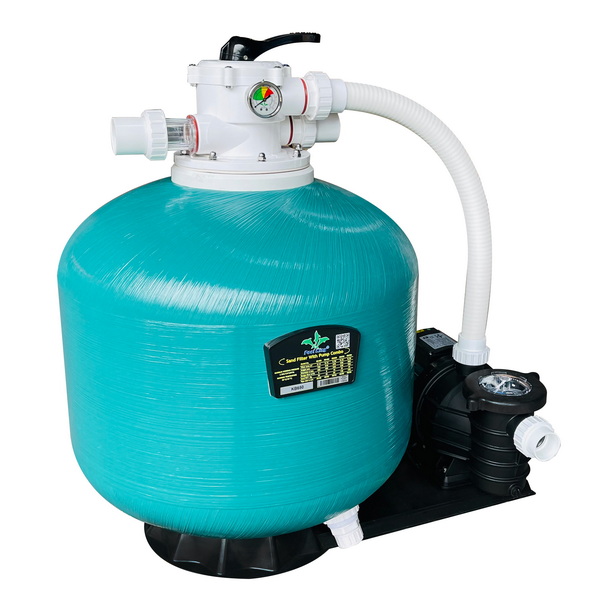
A full grid clean removes old DE and stubborn dirt that backwashing alone cannot eliminate. This process keeps water clear, prevents channeling, and helps the filter run at lower pressure.[8][2][4]
1. Drain and open the filter tank
- With the pump off and air valve open, remove the drain plug to empty the tank.[2][4]
- Release the tank clamp or bolts and carefully remove the top half of the filter to access the manifold and grids.[4][2]
2. Remove and inspect the grids
- Lift out the entire grid assembly (manifold plus grids) and separate each grid from the manifold.[2][4]
- Inspect for tears, cracks, or broken frames; damaged grids can allow DE to return to the pool and should be replaced.[14][4]
3. Rinse grids thoroughly
- Use a garden hose to rinse DE and debris from top to bottom of each grid, paying attention to seams and corners.[4][2]
- Rinse inside the empty tank to remove residual DE and dirt that settled on the bottom.[2]
4. Reassemble the filter tank
- Reinstall the clean grids into the manifold, ensuring proper alignment and spacing as per the manufacturer's layout.[4][2]
- Lubricate the tank O-ring if recommended, close the tank with clamp or bolts, and reinstall the drain plug.[2]
After any backwash or complete cleaning, you must add fresh DE powder so the filter can trap fine particles again. Running a DE filter without DE can damage the grids and drastically reduce filtration performance.[5][3][1][2]
1. Prime and restart the system
- Ensure the filter tank is closed, valves are set to “Filter,” and the drain plug is secure, then start the pump to restore flow.[2]
- Open the air relief valve to purge air, then close it once a steady stream of water appears.[2]
2. Measure the correct DE amount
- Use roughly 1 pound of DE powder per 10 square feet of filter area, following the manufacturer's exact instructions.[14][1]
- For example, a 60 sq ft filter typically needs about 6 pounds (or 6 standard DE scoops) after a full cleaning.[14]
3. Mix and add DE through the skimmer
- In a bucket, mix the measured DE with water to create a thin slurry.[3][1]
- With the pump running, slowly pour the slurry into the skimmer so the DE travels to the filter and coats the grids evenly.[1][3]
4. Check for leaks and DE return
- Watch the pool returns; if you see DE blowing back into the pool, there may be a torn grid or internal damage that needs professional inspection.[4][3]
- Note the new “clean” pressure reading on the gauge so you know when the filter needs its next backwash.[10][3]
Consistent maintenance keeps your DE filter efficient and avoids expensive repairs or cloudy water problems. A well-maintained DE system can run with lower energy use and longer equipment life.[9][2]
- Monitor the pressure gauge weekly and plan to backwash when pressure rises 8–10 psi above the clean reading.[10][9]
- Deep-clean the grids at least every 6–12 months, and more often if your pool receives heavy use, lots of leaves, or fine dust.[9][8][2]
Cleaning a DE pool filter involves three main tasks: safe shutdown and pressure relief, regular backwashing, and periodic deep cleaning of the grids followed by a proper DE recharge. By following these steps, watching your pressure gauge, and cleaning on schedule, your DE filter will deliver sparkling water, efficient circulation, and long-lasting performance season after season.[10][9][8][4][1][2]
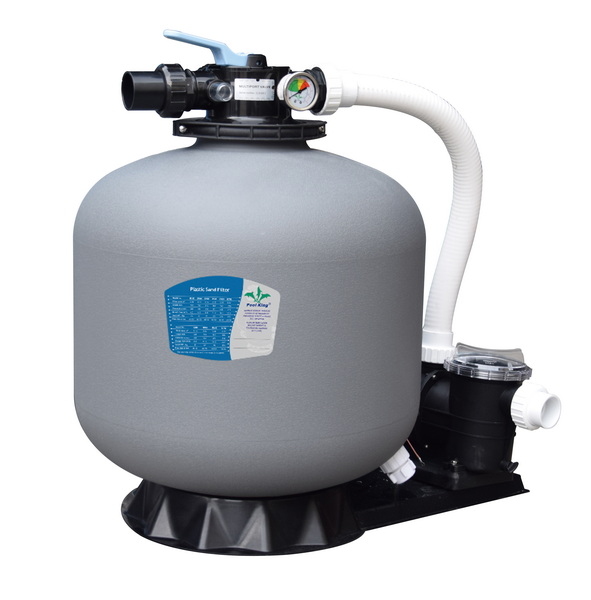
Most DE pool filters should be backwashed about once a month during normal use, or whenever the pressure rises 8–10 psi above the clean reading. Backwashing more frequently may be necessary if your pool gets unusually dirty or after an algae treatment.[9][10]
In most residential pools, the grids should be removed and thoroughly hosed off at least once or twice a year. Some service professionals recommend deep cleaning about every 6 months, especially for heavily used pools or harsh environments.[16][8][9][2]
A common rule is to add about 1 pound of DE powder per 10 square feet of filter surface area after a full cleaning. Always check the manufacturer's label on your specific filter model and never exceed the recommended dose.[14][1]
If DE is returning to the pool through the returns, there may be a torn grid, damaged manifold, or internal crack allowing powder to escape. In that case, shut the system off, inspect the grids carefully, and contact a pool professional if you cannot locate the damage.[3][4]
DE filters can trap much finer particles (around 4 microns) compared with a typical sand filter's 30–40 micron range, resulting in clearer water. However, they require more hands-on maintenance, including handling DE powder, regular backwashing, and scheduled deep cleaning.[9][3]
Running a DE filter without powder will force debris directly onto the bare grids or fingers, which can clog or damage them quickly. Always recharge with the correct amount of DE immediately after backwashing or a full cleaning cycle.[5][1][3]
[1](https://pinchapenny.com/pool-life/cleaning-de-filter)
[2](https://lesliespool.com/blog/how-to-clean-a-d-e-filter.html)
[3](https://jmpools.com/2019/12/19/how-to-backwash-recharge-your-de-filter/)
[4](https://poolie.com/blog/cleaning/de-pool-filter/)
[5](https://bigbecks.com/how-to-backwash-an-above-ground-de-diatomaceous-earth-filter-a-step-by-step-guide/)
[6](https://www.youtube.com/watch?v=BHIZYr5TCnc)
[7](https://www.youtube.com/watch?v=G5le8TN9Vwo)
[8](https://hurricane-pool-filters.com/blogs/insights/cleaning-your-de-grid-pool-filter-101)
[9](https://pool.dreametech.com/blogs/blog/how-often-to-clean-pool-filter-complete-guide)
[10](https://centraljerseypools.com/how-often-to-backwash-a-de-filter/)
[11](https://www.youtube.com/watch?v=M9jmD7Jsv04)
[12](https://www.youtube.com/watch?v=1IwHC5WyoXc)
[13](https://www.youtube.com/watch?v=rJsNCqybmk0)
[14](https://www.reddit.com/r/pools/comments/156qr79/how_do_you_know_how_much_de_to_add_after/)
[15](https://www.youtube.com/watch?v=ndVKefUcoKk)
[16](https://www.reddit.com/r/pools/comments/16xwrd4/how_often_should_the_pool_filter_be_cleaned_do/)
[17](https://www.youtube.com/watch?v=F3MdM18FWx8)
[18](https://www.swimmingpool.com/maintenance/pump&filter/how-to-backwash-de-pool-filter/)
[19](https://www.reddit.com/r/swimmingpools/comments/fs1eo4/de_filter_cleaningmaintenance/)
[20](https://www.facebook.com/groups/273395260599363/posts/1380644443207767/)


