
Views: 222 Author: Tina Publish Time: 2025-12-31 Origin: Site


Content Menu
● When to Clean Pool Filter Balls
● Preparation: Safety and Tools
● Method 1: Hose and Soak Cleaning
>> Step 1: Power Off and Isolate
>> Step 2: Open the Filter Tank and Remove Balls
>> Step 3: Rinse with a Garden Hose
>> Step 4: Soak in Cleaning Solution
>> Step 5: Final Rinse and Drain
● Method 2: Washing Machine Cleaning
>> Step 1: Bag the Filter Balls
>> Step 2: Select Gentle Settings
>> Step 3: Detergent or No Detergent?
>> Step 4: Run Extra Rinse and Check
● Drying and Reinstalling Filter Balls
● How Often to Clean and When to Replace
>> 1. How often should I clean pool filter balls?
>> 2. Can I wash pool filter balls in a washing machine?
>> 3. Do I still need to backwash if I use filter balls?
>> 4. When should I replace pool filter balls?
>> 5. Can I use flocculant with pool filter balls?
>> 6. What happens if I use regular laundry detergent?
How to clean pool filter balls correctly comes down to four steps: shut down and open the filter, remove and rinse the balls, deep‑clean them (by soaking or machine‑washing), then dry and reinstall them on a regular schedule. Done properly, this keeps water clear, protects your pump, and extends the service life of the filter balls.[1][2][3]
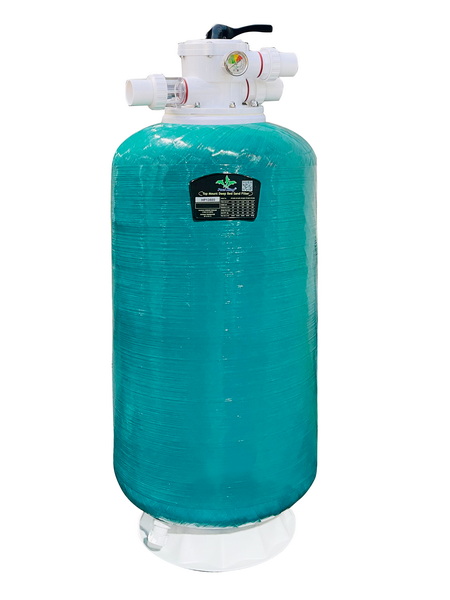
Pool filter balls are lightweight synthetic fiber spheres that replace traditional sand inside a sand filter tank. They trap fine debris, algae, and dirt while allowing water to pass through efficiently. Compared with sand, they are easier to handle, require less backwashing, and can be reused multiple times after washing.[3][1]
The right cleaning frequency depends on bather load, dust, pollen, and local climate. Many pool owners clean their filter balls every two to four weeks, while heavy‑use pools or dusty environments may require weekly cleaning.[2][4][5]
Typical signs they need cleaning:
- Filter pressure rises faster than usual.
- Return jets feel weaker or flow becomes uneven.
- Water turns dull, slightly cloudy, or shows fine suspended particles.
Before opening a sand filter tank filled with filter balls, always turn off power and isolate the pool hydraulically. Proper preparation prevents water loss, pump damage, and accidental flooding around the equipment pad.[6][2]
Prepare these basic tools:
- Screwdriver or wrench for the clamp ring.
- Bucket, plastic tub, or laundry bag to hold the balls.
- Garden hose with medium‑pressure nozzle.
- Cleaning solution: proprietary filter‑ball cleaner or diluted white vinegar (around 1:1 with water).[2]
- Optional: washing machine for large batches.[7][1][2]
This method is ideal if you do not want to use a washing machine or have only a moderate quantity of balls.[2]
- Turn off the pool pump at the control panel and breaker.[6]
- Close suction and return valves or plug hoses on above‑ground pools so water stays in the pool.[6]
- Set the multiport valve to “closed” before opening the tank, if present.[6]
- Release the clamp or nuts on the filter lid and carefully lift off the top.[6]
- Scoop out the filter balls by hand or with a small plastic container and place them in a clean tub or mesh bag.[2]
- Inspect the laterals or internal diffusers for cracks while the tank is open.
- Spread the balls out in a tub or on a clean mesh surface.
- Rinse them thoroughly using a medium‑pressure hose, squeezing each handful to flush out trapped dirt and algae.[2]
- Rotate and flip them several times until the rinse water runs clearer.[8][2]
- Fill a bucket or tub with clean water and add a dedicated filter‑ball cleaner as per label or mix roughly equal parts white vinegar and water.[2]
- Fully submerge the balls and soak them long enough for the solution to dissolve oils and fine contaminants (30 minutes to a few hours, depending on how dirty they are).[2]
- During soaking, stir or agitate the balls with your hands to ensure all surfaces are exposed to the solution.[2]
- Remove the balls from the solution and rinse thoroughly with clean water until there is no chemical or vinegar smell left.[2]
- Gently squeeze out excess water without twisting or ripping the fibers.
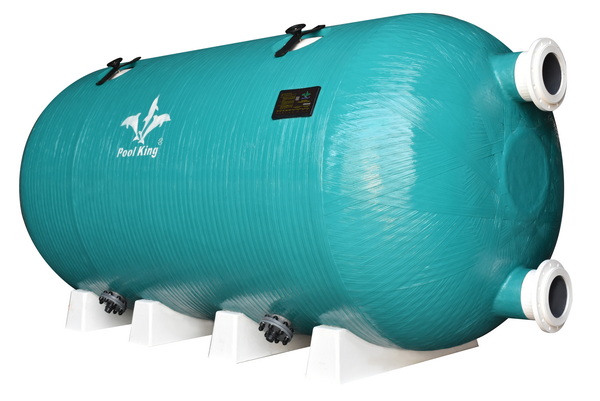
For large pools or big filters, machine‑washing can save time and ensure deep cleaning when done correctly.[1][7][2]
- Place the balls into a durable mesh laundry bag or several smaller bags to protect them and your washer drum.[7][2]
- Do not overfill a single bag; leave some space so water can circulate freely.
- Put the bag(s) into the washer drum.
- Use a gentle or delicate cycle with cold water or low‑temperature water around 30–40 °C.[1][7][2]
- Turn off or minimize the spin cycle if possible, as heavy spinning can stress the fibers.[7]
Recommendations differ slightly:
- Some guides suggest no detergent at all to avoid foam and residue in the pool, relying on mechanical rinsing only.[9][7]
- Others allow a mild, unscented, pH‑neutral detergent or specific filter‑ball cleaner, as long as the balls go through multiple rinses and are thoroughly flushed afterwards.[3][1]
For most residential pools, the safest practice is:
- Avoid regular laundry detergent and fabric softener.
- If using a dedicated cleaner, keep the dose low and ensure extra rinsing cycles.[3][1]
- After the main wash, run at least one additional rinse cycle so there is no detergent or cleaner left in the fibers.[3][7]
- Inspect the balls: they should look noticeably cleaner and feel fluffy, not sticky or stiff.[7]
Correct drying and re‑assembly help restore full filtration performance.
- Spread the clean balls on a clean tray, grate, or mesh surface in a well‑ventilated, shaded area.[1]
- Allow them to air‑dry until they are only slightly damp or nearly dry; direct high heat (like a dryer) is usually not recommended.[1][7]
- Fluff them by hand so they regain a uniform spherical shape.
- Check the tank interior and laterals, making sure there is no broken plastic, sand, or old media left.[2]
- Pour the dry or slightly damp balls back into the tank up to the level specified by the manufacturer (often equivalent to several bags of balls instead of many kilograms of sand).[3][1]
- Refit the lid and clamp, tighten evenly, and reset valves from “closed” back to “filter”.[6]
You can embed a brief clip that:
- Shows the correct fill level inside the tank.
- Demonstrates tightening the clamp and turning the multiport valve back to “filter”.
Regular maintenance keeps filter balls effective for more than one season.[1][3]
Common guidelines:
- Light residential use: clean every 3–4 weeks or when pressure increases.[5][3]
- Heavy use, lots of dust or pollen: weekly hose‑and‑soak or machine‑wash.[4][2]
- Replace with new balls after a certain number of wash cycles (for example after every two deep machine washes, or every 2–3 years, depending on condition).[3][1]
Filter balls should be discarded sooner if:
- They feel hard or crusted, often because of flocculant use that cannot be reversed by washing.[1]
- Fibers clump together and no longer fluff up after drying.
- They appear permanently gray or brown even after thorough cleaning.
A comparison image can show:
- New balls (pure white, fluffy).
- Old or damaged balls (gray, clumped, stiff).
Avoiding a few frequent errors will protect both your pool and your equipment.
- Using strong detergents or fabric softeners: these can leave residues that cause foaming and skin irritation when the filter returns to service.[3][1]
- Washing too rarely: neglected filter balls get clogged, lower flow, and may stress the pump motor.[9][2]
- Backwashing only: many manufacturers and experienced users recommend removing and washing balls rather than relying solely on backwash cycles, because dirt tends to cling to fibers.[10][9]
- Using flocculants without checking compatibility: some flocculants bond to the fibers and permanently harden the balls, forcing early replacement.[1]
A simple infographic can list “Do” and “Don't” items next to icons of a pump, detergent bottle, and flocculant bottle.
Keeping pool filter balls clean is a straightforward process that dramatically improves water clarity, reduces chemical demand, and protects your pump and filter equipment. By combining regular hose‑and‑soak or gentle machine‑washing with proper drying, careful re‑installation, and timely replacement, you can enjoy efficient, low‑maintenance filtration for many seasons.[3][1][2]
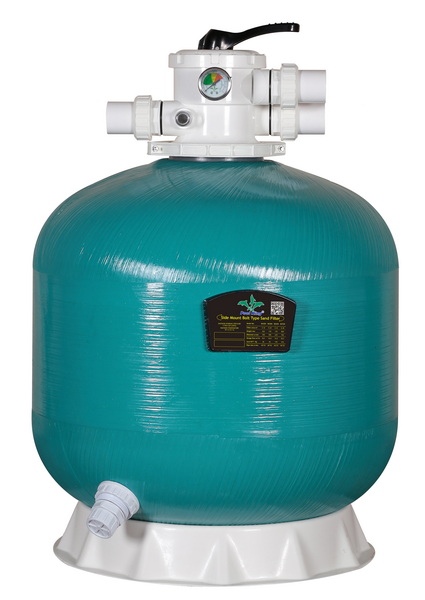
Most residential pools do well with cleaning every 3–4 weeks, but high‑use or dusty environments may need weekly maintenance. The most reliable indicator is a noticeable rise in filter pressure or a decline in water clarity between regular cleanings.[4][5][9][2]
Yes, many pool owners successfully wash filter balls in a washing machine using a gentle cycle, cold or low‑temperature water, and either no detergent or a mild, pH‑neutral cleaner. Always place them in mesh bags, avoid fabric softener, and run extra rinses to remove any residue before returning them to the filter.[7][1][3][2]
Some systems can be backwashed, but many users and manufacturers recommend periodically removing and washing the balls instead of relying solely on backwashing. Backwashing may not fully release fine debris and oils from the fibers, so manual cleaning extends performance and keeps flow strong.[11][10][9][2]
Filter balls generally last multiple seasons and several cleanings, but they should be replaced once they stay discolored, become hard, or clump together after washing. A practical rule is to replace them after a set number of deep machine‑wash cycles or about every 2–3 years, depending on how intensively the pool is used.[1][3]
Flocculants often cause filter balls to harden and lose their ability to filter properly, and washing usually does not reverse this damage. If flocculant must be used, it is important to follow the filter‑ball manufacturer's instructions and be prepared to replace the media if it becomes stiff or ineffective.[3][1]
Regular laundry detergents can leave residues and fragrances inside the fibers that cause foaming, cloudy water, or skin and eye irritation when the pool runs again. If detergent is accidentally used, the balls should be rinsed thoroughly several times or rewashing with plain water should be performed before returning them to service.[7][1][3]
[1](https://99fab.com/blogs/99fab-blog/how-to-wash-pool-filter-balls)
[2](https://www.poolfilterball.com/info/how-to-clean-swimming-pool-filter-balls-95970812.html)
[3](https://99fab.com/blogs/99fab-blog/pool-filter-balls)
[4](https://www.facebook.com/groups/637529959937311/posts/2535871670103121/)
[5](https://www.facebook.com/groups/637529959937311/posts/2275483826141908/)
[6](https://www.youtube.com/watch?v=G9nlNUkPuU4)
[7](https://www.youtube.com/watch?v=xCcRZbReHes)
[8](https://www.youtube.com/watch?v=N4g4ts4X3AE)
[9](https://www.reddit.com/r/AboveGroundPools/comments/1ky4ur6/how_often_should_i_wash_the_filterballs/)
[10](https://filterballs.com/pages/backwash-process)
[11](https://www.youtube.com/watch?v=cHMMw15UgIs)
[12](https://www.facebook.com/groups/637529959937311/posts/2272313046458986/)
[13](https://www.youtube.com/watch?v=wZzyC2AJOXs)
[14](https://www.reddit.com/r/Stocktankpools/comments/1bwmto1/filter_balls/)
[15](https://www.reddit.com/r/pools/comments/17ogtbf/best_way_to_clean_filter_folds/)


