
Views: 222 Author: Tina Publish Time: 2025-12-31 Origin: Site


Content Menu
● What Affects New Pool Filter Cost?
● Typical Price Ranges by Filter Type
>> DE (diatomaceous earth) pool filter cost
● Average Installed Costs at a Glance
● Other Cost Factors: Size, Brand, and Labor
● Maintenance Costs After Buying a New Filter
● How an OEM Pool Filter Factory Helps You Save
● FAQs About New Pool Filter Costs
>> 1. Is it cheaper to replace just the filter media instead of the whole filter?
>> 2. How long does a pool filter usually last?
>> 3. Does switching filter type (e.g., sand to cartridge) increase the cost?
>> 4. Are above‑ground pool filters cheaper than inground filters?
>> 5. Can DIY installation significantly reduce the cost of a new pool filter?
A new residential pool filter typically costs between 200 and 1,500 USD for the unit alone, and 250 to 1,700 USD including installation, depending on type, size, and brand. Sand filters are usually the most affordable, cartridge filters sit in the mid‑range, and DE filters are the premium option in both price and water clarity.[1][2][3]
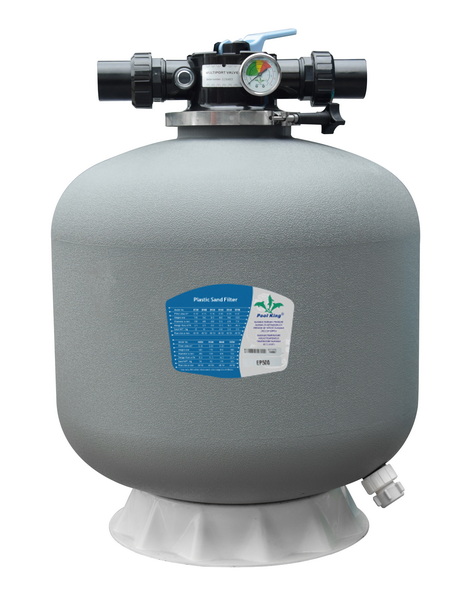
Several key factors determine how much a new pool filter will cost for a homeowner or commercial project.[2][1]
- Filter type: Sand, cartridge, and DE (diatomaceous earth) filters have different unit prices and long‑term operating costs.[3][2]
- Pool size and flow rate: Larger pools need bigger filters with higher GPM ratings, which means higher equipment and installation costs.[3]
- Brand and quality level: Entry‑level brands start around 200–350 USD, while premium brands and heavy‑duty systems can exceed 1,500 USD for the filter alone.[3]
- Installation complexity: Replacing “like‑for‑like” on existing plumbing is cheaper than re‑piping or upgrading to a different filter type.[1][3]
- Local labor rates: Professional installation typically adds 50–200 USD in labor, sometimes more in high‑cost regions.[1][3]
Homeowners usually compare new filter prices by type, since performance and maintenance differ as much as cost.[2][3]
Sand filters are usually the budget‑friendly choice and a common option for residential pools.[2][3]
- Unit price: About 200–800 USD for most residential sand filter units.[3]
- Installed cost: Roughly 250–1,000 USD including labor in typical situations.[3]
- Operating costs:
- Sand replacement every 2–5 years costs 50–350 USD, depending on filter size and how much media is required.[4][5][3]
- Pool filter sand is around 18–30 USD per 50 lb bag, and many inground systems use 300–500 lb of sand.[5][4]
Best for: Budget‑conscious owners, rental properties, and medium‑size pools that need simple, rugged filtration.[5][2]
Cartridge filters are a mid‑range solution, offering finer filtration with relatively easy maintenance.[1][2][3]
- Unit price: Typically 200–1,000 USD for the main cartridge filter tank.[1][3]
- Installed cost: About 250–1,200 USD, depending on size and plumbing.[1][3]
- Cartridge costs:
- Replacement elements usually cost 50–100 USD each, and multi‑cartridge systems may need several.[6][7][8]
- With proper cleaning, cartridges often last 1–3 years before replacement.[8][6][3]
Best for: Residential pools where owners want clearer water than sand systems can provide but do not need DE‑level performance.[2][3]
DE filters provide the clearest water but come with higher upfront and ongoing costs.[2][3][1]
- Unit price: Usually 500–1,100 USD for the filter body, sometimes up to around 1,200 USD or more for larger units.[2][3][1]
- Installed cost: Approximately 550–1,300+ USD once labor is included.[3][1]
- DE media:
- DE powder is replaced after backwashing and costs more per year than sand or basic cartridge cleaning.[6][2]
Best for: High‑end residential pools, commercial pools, and installations where crystal‑clear water is the top priority.[6][2]
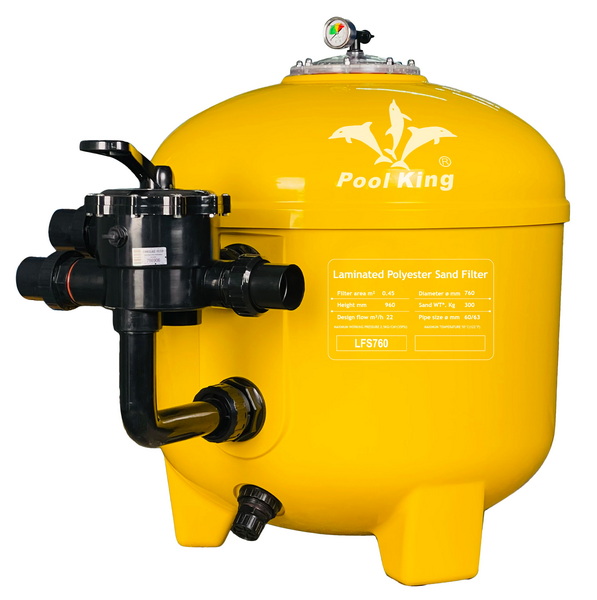
The following table provides an overall view of typical installed costs for new pool filters by type.[2][3]
| Filter type | Typical unit price (USD) | Typical installed cost (USD) | Notes |
|---|---|---|---|
| Sand | 200–800 homeguide | 250–1,000 homeguide | Most affordable; simple to use; coarser filtration. angi+1 |
| Cartridge | 200–1,000 aqualeisurepoolsandspas+1 | 250–1,200 aqualeisurepoolsandspas+1 | Mid‑range cost; finer filtration; no backwashing. angi+1 |
| DE | 500–1,100 aqualeisurepoolsandspas+1 | 550–1,300+ aqualeisurepoolsandspas+1 | Premium clarity; higher media and maintenance cost. angi+1 |
Across many projects, the average total cost to replace a pool filter system sits around 250–1,700 USD, with a national average close to 950–1,350 USD when labor is included.[1][3][2]
Beyond filter type, several additional elements can move the price up or down.[3][1][2]
- Filter size and flow (GPM)
- Smaller filters (around 25 GPM) can cost as little as 100–400 USD, while large 100–125 GPM units often run 500–1,300 USD.[3]
- Oversizing a filter slightly can reduce pressure, extend media life, and improve clarity.[6]
- Brand pricing
- Some above‑ground systems from value brands can start around 200–350 USD.[9][3]
- Well‑known premium brands for inground pools commonly sit in the 400–1,500 USD range for filters alone, especially in larger sizes.[10][11][12][3]
- Labor and installation
- Many homeowners pay 50–200 USD in labor to have a technician remove the old filter and plumb in the new one.[1][3]
- If plumbing must be re‑routed, or if switching from one filter type to another (for example, from cartridge to sand or DE), labor can be higher and may involve extra valves or fittings.[13][1][3]
The purchase price is only part of the true cost of owning a new pool filter.[6][1][3]
- Sand filter maintenance
- Backwashing increases water and chemical use over time.[4][5]
- Sand replacement every 3–5 years typically costs roughly 96–160 USD for media in an average inground pool.[4][5]
- Cartridge filter maintenance
- Cartridges need rinsing with a hose every few weeks and periodic deep cleaning.[8][6][1]
- Annual or multi‑year replacement of elements—often 100–300 USD total for a full set—should be part of the long‑term budget.[7][8][6]
- DE filter maintenance
- DE grids must be cleaned, and DE powder is replenished after backwashing.[6][2]
- This provides excellent water clarity but adds both labor and recurring media costs each season.[6][2]
Owners should balance upfront price with lifetime maintenance, since a slightly more expensive filter can become cheaper over several seasons if it reduces media consumption, water loss, or energy usage.[6][3]
For brands, wholesalers, and pool equipment manufacturers, sourcing directly from a specialized OEM pool filter factory in China can significantly change the cost structure.
- Lower landed cost per unit
- Working with an OEM producer allows bulk pricing on sand, cartridge, and DE filter systems, often below typical retail and even many distributor levels.
- Combined shipments of filters, pumps, LED pool lights, and accessories simplify logistics and reduce freight cost per product.
- Customized filtration solutions
- OEM services can tailor filter housings, valve configurations, and connection sizes to match local plumbing standards and brand requirements.
- Branding options—private labels, custom colors, and packaging—help overseas partners build recognizable product lines while keeping manufacturing centralized.
- Consistency and quality control
- Automated and intelligent production lines improve consistency across sand filters, DE filters, cartridge filters, pumps, and LED accessories.
- Long‑term supply partnerships support stable pricing and reliable inventory planning for each season.
For business buyers planning new product lines or upgrading existing pool filter ranges, collaborating directly with an OEM factory is often more economical than relying on multiple resellers in the destination market.
A new pool filter can cost as little as around 200 USD for a basic unit or more than 1,500 USD for a large, premium system, with most complete installations landing between 250 and 1,700 USD including labor. Sand filters remain the most economical choice, cartridge filters offer a balanced mid‑range solution, and DE filters provide top‑tier water clarity at higher hardware and maintenance costs. For brands, wholesalers, and manufacturers, partnering with an experienced OEM pool filter factory enables competitive pricing, customized designs, and consistent quality across sand, cartridge, and DE product lines.[2][3][1][6]
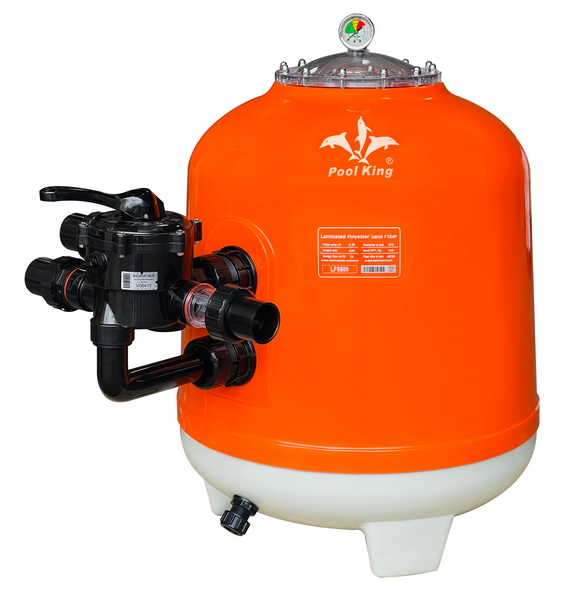
In many cases, replacing only the media—such as sand in a sand filter or cartridges in a cartridge system—is cheaper than installing a completely new filter body. However, if the tank is cracked, the internals are badly corroded, or performance remains poor even with new media, a full replacement may be more economical in the long term.[8][5][3][6]
A well‑maintained sand or cartridge filter tank often lasts 10–20 years, while internal parts and media have shorter lifespans. Cartridge elements may last 1–3 years, sand media 3–7 years, and DE grids several seasons before needing replacement, depending on usage and water quality.[5][3][6]
Yes, switching to a different filter type can increase costs because plumbing usually needs to be modified and new valves or unions installed. Labor can also be higher, since the installer must remove old equipment, adjust pipe runs, and confirm the pump and new filter are properly matched.[3][1][6]
Above‑ground pool filters are often less expensive because they are designed for smaller pools and lower flow rates. Basic above‑ground units can start around 200–350 USD, while inground systems of similar quality usually cost more due to larger capacities and heavier construction.[9][4][3]
DIY installation can save the 50–200 USD typically charged for professional labor, but only if the owner has the skills to cut, glue, and pressure‑test PVC plumbing safely. For new builds, complex retrofits, or warranty‑sensitive installations, many manufacturers and insurers still recommend or require professional setup.[1][3]
[1](https://www.aqualeisurepoolsandspas.com/cost-of-new-pool-filter/)
[2](https://www.angi.com/articles/what-is-the-cost-of-pool-filter.htm)
[3](https://homeguide.com/costs/pool-filter-replacement-and-installation-cost)
[4](https://www.riverpoolsandspas.com/blog/pool-sand-filter-cost-maintenance-benefits)
[5](https://intheswim.com/blog/best-pool-filter-type-de-sand-or-cartridge.html)
[6](https://shastapoolsupply.com/blogs/news/sand-filter-vs-cartridge-filter-real-maintenance-costs-compared)
[7](https://www.facebook.com/groups/737804070139752/posts/1776851029568379/)
[8](https://www.reddit.com/r/pools/comments/160xapo/average_yearly_cost_for_filters/)
[9](https://www.lowes.com/pl/pools/pool-maintenance/pool-filters-skimmer-systems/pool-filters/4294610228)
[10](https://www.thepoolfactory.com/collections/pool-filter-systems)
[11](https://www.doheny.com/pool-supplies/inground/equipment/filters/sand-filters)
[12](https://www.doheny.com/pool-supplies/equipment/filters/cartridge-filters)
[13](https://www.homewyse.com/services/cost_to_replace_pool_filter.html)
[14](https://www.homeadvisor.com/cost/swimming-pools-hot-tubs-and-saunas/pool-filters/)
[15](https://www.reddit.com/r/pools/comments/1hi2ae2/quoted_870_for_pool_filter_replacement/)
[16](https://www.homedepot.com/b/Outdoors-Pool-Supplies-Pool-Filters-Cartridge-Pool-Filters/N-5yc1vZcjos)
[17](https://www.homedepot.com/b/Outdoors-Pool-Supplies-Pool-Filters-Sand-Filters/N-5yc1vZ1z18gpx)
[18](https://www.vitafilters.com/collections/pool-cartridge-filters)
[19](https://www.waterlinecontrols.com/how-much-does-it-cost-to-replace-a-pool-pump/)
[20](https://www.walmart.com/c/kp/inground-pool-sand-filters)


