
Views: 222 Author: Tina Publish Time: 2026-01-20 Origin: Site


Content Menu
● Why a Sturdy Pool Ladder Matters
● Planning Your DIY Pool Ladder
● Choosing the Right Materials
>> Wood options
● Designing for Strength and Comfort
● Step‑by‑Step: Building a Wooden Pool Ladder Frame
>> Cutting the main components
● Building a PVC or Hybrid Pool Ladder
● Securing Feet, Handrails, and Anchors
>> Stable feet
>> Reliable handrails and anchors
● Adding Non‑Slip and Safety Features
● Positioning and Installing the Pool Ladder
>> Choosing the right location
● Maintenance for Long‑Term Stability
● Safety Practices When Using a Pool Ladder
● How a Strong Pool Ladder Supports Your Filtration System
● Integrating Lighting and Accessories Around the Pool Ladder
● FAQ About Building a Sturdy Pool Ladder
>> 1. What are the best materials for a DIY Pool Ladder?
>> 2. How wide should my Pool Ladder be?
>> 3. How do I keep my Pool Ladder from being slippery?
>> 4. How can I make an existing Pool Ladder sturdier?
>> 5. Where is the safest place to install a Pool Ladder?
Building a sturdy Pool Ladder is one of the most effective ways to make your swimming pool safer, more comfortable, and easier to use for every swimmer. A well‑designed Pool Ladder combines strong materials, smart structure, and careful installation so it can handle years of regular use without wobbling or causing accidents.
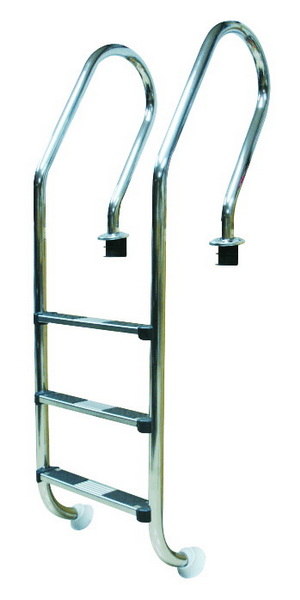
A high‑quality Pool Ladder is more than a convenient entry point; it is a key safety device that controls how people get in and out of the water. When swimmers always use a dedicated, stable Pool Ladder, the pool wall, liner, and coping suffer less impact damage over time.
A sturdy Pool Ladder also helps protect children, older adults, and less confident swimmers by offering secure hand support, predictable step spacing, and a reliable place to stand. Good design reduces slipping, over‑balancing, and panicked movements when entering or leaving the pool.
Before cutting any material, take time to plan your Pool Ladder design. Good planning ensures the finished ladder fits your pool, your users, and your available tools.
- Measure the distance from ground or deck surface to the top of the pool wall or coping.
- Measure the water depth at the intended installation point to be sure the bottom step of the Pool Ladder will sit comfortably below the waterline.
- Decide whether your Pool Ladder will be:
- For an in‑ground pool connected to a deck or coping.
- For an above‑ground pool with a raised deck.
- For an above‑ground pool without a deck, which usually needs an A‑frame Pool Ladder.
- Sketch a simple side view of your Pool Ladder with:
- Total height.
- Number of steps.
- Vertical spacing between steps.
- The angle of the ladder (steep, medium, or shallow).
At this stage, you can also note any special requirements, such as extra‑wide steps for seniors, extended handrails, or extra bracing to support heavier users.
The materials you choose will decide how sturdy, durable, and low‑maintenance your Pool Ladder will be. The most common DIY options are wood, metal, and PVC, and many builders combine them for the best balance of performance and cost.
Wood is easy to work with and widely available, making it a popular choice for a deck‑style Pool Ladder.
- Use pressure‑treated lumber or other outdoor‑rated wood to resist moisture and insects.
- For side rails, 4x4 posts offer strong support and feel solid under load.
- For steps, thick boards such as 2x6 or 2x12 provide a generous, stable platform.
- Wood Pool Ladder structures are especially suitable when the ladder will be bolted to a wooden deck.
Metal Pool Ladder designs deliver a clean, professional appearance and excellent durability.
- Aluminum is light, corrosion‑resistant, and relatively easy to cut and drill with common tools.
- Stainless steel provides premium corrosion resistance and is commonly seen in commercial or high‑end residential pools.
- For both materials, choose tubing or channel profiles with enough wall thickness to prevent flexing under load.
PVC can be used alone or combined with other materials for a simple Pool Ladder, especially in above‑ground pools.
- PVC ladder sides and steps can be assembled using standard plumbing fittings and solvent cement.
- Reinforcing critical joints with screws and cross‑braces can significantly increase stiffness.
- Hybrid designs might combine PVC steps with a wood or metal frame to improve overall strength.
When deciding between these options, consider budget, tool availability, appearance, and how often the Pool Ladder will be exposed to chemically treated water and direct sunlight.
A sturdy Pool Ladder must support real‑world use, not just look good on paper. Focusing on geometry and ergonomics will help your ladder feel natural underfoot and in the hand.
- Step spacing: A gap of about 10–12 inches between steps is comfortable for most adults and older children.
- Step width: Many builders target 18–20 inches of clear width between side rails so the Pool Ladder feels secure instead of cramped.
- Step depth: Deeper treads allow swimmers to place their whole foot on each step, improving stability and confidence.
- Ladder angle: A slightly angled Pool Ladder is easier to climb than a very steep one, especially when wet.
Ergonomics matter as much as raw strength. Smooth edges, rounded corners, and handrails at a comfortable height all influence how safe and user‑friendly your Pool Ladder feels.
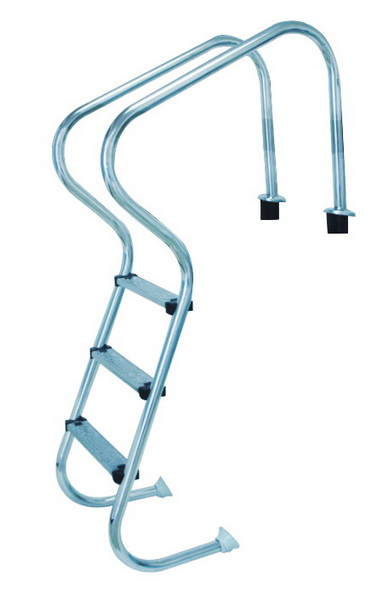
Below is a simplified process for building a basic wooden Pool Ladder frame. You can adjust dimensions to match your pool and your design sketch.
- Cut two 4x4s (or similar) to act as the side rails of the Pool Ladder, matching total required height.
- Cut your step boards (for example, 2x6s or 2x12s) to your chosen width, typically 18–24 inches.
- Mark the step positions on both side rails, keeping the spacing even from top to bottom.
- Pre‑drill pilot holes in the side rails and each step board to reduce splitting.
- Use exterior‑grade screws or bolts to attach each step, starting from the bottom and working upward.
- Check that each step of the Pool Ladder is level before tightening all fasteners.
- Add diagonal braces between the rails and the underside of one or two steps if additional stiffness is needed.
Once assembled, place the wooden Pool Ladder near its final position and test it on flat ground to ensure it feels rigid and balanced.
If you prefer lighter materials or a more modular design, a PVC‑based Pool Ladder is a practical alternative.
- Cut two long PVC pipes for the ladder sides, matching pool wall height and desired handle extensions above the deck or coping.
- Cut shorter PVC pieces for the steps, typically around 18 inches each.
- Use T‑joints to connect each step to the side rails at your chosen spacing.
- Use elbows at the top to create curved hand holds and at the bottom to form stable feet.
- Apply PVC primer and solvent cement thoroughly at each joint to create rigid, watertight connections.
- Insert wooden dowels or smaller diameter pipe inside the main pipes at high‑stress points if extra stiffness is needed.
- Add anti‑slip covers or textured overlays to each PVC step so the Pool Ladder remains safe when wet.
Hybrid Pool Ladder designs can combine a wooden support frame with PVC steps or side rails, using screws and brackets to tie everything together.
Even a strong frame will feel unsafe if the contact points are poorly designed. The feet, handrails, and anchors determine how solid the Pool Ladder feels in daily use.
- Attach rubber pads or molded caps to the bottom of the Pool Ladder rails to protect liners and improve grip.
- For above‑ground pools, consider placing the exterior feet on pavers or concrete pads to prevent sinking into soil.
- Use heavier bases or concrete blocks at the bottom of an A‑frame Pool Ladder to reduce rocking and tipping.
- Extend handrails above deck level so swimmers can grab the Pool Ladder rail before committing their weight.
- For deck‑mounted ladders, bolt the rails or anchor plates to structural members, not just surface boards.
- For above‑ground pools, use brackets or straps to secure the Pool Ladder to the top rail so it cannot shift sideways.
These details transform a basic build into a sturdy Pool Ladder that inspires confidence, even for nervous or unsteady swimmers.
A Pool Ladder operates in a permanently wet environment, so surface safety is critical.
- Apply non‑slip tape, adhesive treads, or textured coatings to each step.
- Round or sand all exposed edges of wood and metal to remove sharp corners.
- Use plastic caps or covers on exposed bolt heads and screw tips.
- Keep step depth generous so users can plant their feet fully as they climb.
By combining a solid frame with thoughtful surface treatments, you can produce a Pool Ladder that feels secure even when feet are wet, cold, or tired.
Correct placement and installation are essential to both safety and comfort.
- Place the Pool Ladder where swimmers naturally gather, but away from narrow walkways or crowded corners.
- Ensure the area around the Pool Ladder is clear of obstacles such as furniture, planters, or equipment.
- Make sure supervising adults have a clear line of sight to the Pool Ladder area.
- Confirm that the Pool Ladder sits level on both the pool floor and any external base.
- For deck‑mounted ladders, use appropriate anchors and stainless hardware, and tighten all connections firmly.
- For above‑ground A‑frame ladders, verify that both sides of the Pool Ladder have firm, stable contact with the ground.
- Test the ladder by having an adult go up and down several times while someone else checks for wobble and movement.
Only once you are satisfied with stability should you allow regular use of the new Pool Ladder.
Even the best Pool Ladder needs periodic attention to stay safe and sturdy.
- Inspect the ladder regularly during the swimming season for rust, cracks, soft wood, and loose fasteners.
- Tighten bolts and screws at the start of each season and mid‑season if the ladder is heavily used.
- Clean non‑slip treads and step surfaces to remove algae, sunscreen, and dirt that could reduce friction.
- In cold or freezing climates, remove or protect the Pool Ladder during off‑season to reduce weather‑related damage.
A simple maintenance routine can add years to the service life of your Pool Ladder, while preventing minor issues from turning into dangerous failures.
A sturdy Pool Ladder is only part of a safe pool environment. Clear usage rules and supervision are just as important.
- Allow only one person on the Pool Ladder at a time to prevent excessive loading and sudden shifts.
- Do not allow children to jump or dive from the Pool Ladder or climb on the sides or rails.
- For above‑ground pools, consider removing, locking, or blocking the Pool Ladder when the pool is not in use to prevent unsupervised access.
- Teach family members and guests to always use the Pool Ladder instead of climbing over the pool wall or deck edge.
By combining a well‑built Pool Ladder with good habits, you create a safer, more enjoyable swimming experience for everyone.
A sturdy Pool Ladder also indirectly supports pool circulation and filtration by organizing how swimmers enter and exit the water.
- When people consistently use the Pool Ladder, they create less turbulence and fewer sudden impacts along other parts of the pool wall and floor.
- This helps keep fittings, inlets, and vacuum ports safer from accidental kicks and collisions.
- A clear, stable entry zone makes it easier to route hoses, power cables, and accessories around the Pool Ladder without tripping hazards.
In a modern, well‑equipped pool that may also use advanced sand filters, cartridge filters, or DE systems, the Pool Ladder functions as one piece of a broader safety and efficiency strategy.
The area around your Pool Ladder is a natural place to focus additional features that make the pool more attractive and practical.
- Install underwater or deck‑level LED lighting near the Pool Ladder so the steps and rails remain visible at night.
- Use handrail‑mounted grips or soft sleeves for extra comfort in colder water.
- Add nearby storage hooks for skimmers or life rings, making safety and cleaning tools easy to reach from the Pool Ladder zone.
When these elements are thoughtfully integrated, the Pool Ladder becomes part of a complete access solution rather than a stand‑alone component.
Building a sturdy Pool Ladder is a rewarding DIY project that significantly improves pool safety, comfort, and convenience. By carefully planning your design, choosing suitable materials, and paying attention to details such as step spacing, non‑slip surfaces, and solid anchoring, you can create a Pool Ladder that feels secure to every swimmer. With proper installation and regular maintenance, your Pool Ladder will provide reliable access to the water season after season while helping protect your pool structure and filtration equipment.
Contact us to get more information!
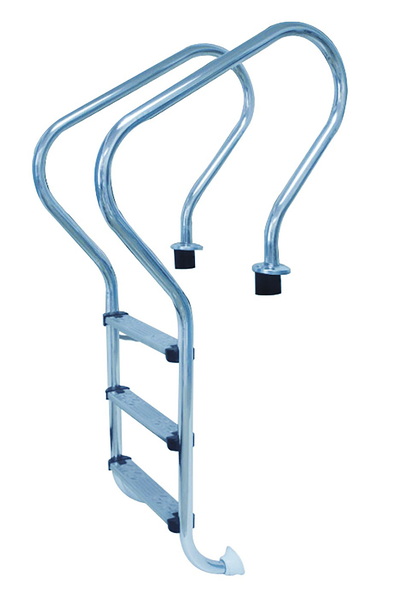
The best materials for a DIY Pool Ladder are pressure‑treated wood, aluminum, and stainless steel because they combine strength, durability, and outdoor resistance. Pressure‑treated lumber works well for deck‑mounted designs, while aluminum and stainless steel are excellent for sleek, corrosion‑resistant frames that stay strong in chemically treated water.
For most home installations, a Pool Ladder width of about 18–20 inches between the side rails feels comfortable and secure. This width gives swimmers enough space to place their feet firmly and to move their hands without rubbing against the rails, which is especially helpful for older adults, larger users, or those carrying flotation devices.
To keep a Pool Ladder from being slippery, apply non‑slip tape, adhesive treads, or textured coatings to every step and clean them regularly. Removing algae, sunscreen, and fine dirt from the steps maintains friction, and choosing deeper treads with rounded edges further improves stability when feet are wet or tired.
You can make an existing Pool Ladder sturdier by adding wider foot pads, securing the ladder to a deck or top rail, and reinforcing the rails with extra braces at flex points. Replacing small or worn fasteners with stainless steel bolts and adding diagonal supports under the steps often removes most wobble and extends the life of the Pool Ladder.
The safest place to install a Pool Ladder is in a highly visible, low‑traffic zone where swimmers can approach it in a straight, unobstructed line. Ideally, supervisors or lifeguards should have a clear view of the Pool Ladder, the base should be level and stable, and the surrounding area should be free from obstacles that might trip users as they enter or exit the water.
1. https://www.poolkingfilter.com/how-to-make-a-pool-ladder.html
2. https://www.poolkingfilter.com/news/How-To-Build-A-Pool-Ladder.html
3. https://www.poolkingfilter.com/news/DIY-Pool-Ladder-Ideas.html
4. https://www.poolfencediy.com/blogs/blog/pool-ladder-safety
5. https://sternsbackyard.com.au/blogs/news/safety-tips-for-installing-and-using-above-ground-pool-ladders
6. https://littledipperpools.com/need-a-pool-ladder-installation-heres-what-to-know-before-you-buy/
7. https://poolie.com/blog/general/enhance-pool-safety-with-handrail-and-ladder-installation/
8. https://blog.watsons.com/blog/install-above-ground-pool-ladder
9. https://brightwaterpools.com/your-easy-8-step-guide-to-above-ground-pool-safety
10. https://www.youtube.com/watch?v=JJkG7vsan1E


