


Content Menu
● Why priming your pump is important
● Step‑by‑step: how to prime a pool pump
>> Step 1: Turn off power and check water level
>> Step 2: Set valves for priming
>> Step 3: Open and clean the pump strainer basket
>> Step 4: Fill the pump housing with water
>> Step 5: Reseat the lid and remove air
>> Step 6: Start the pump and watch the basket
>> Step 7: Gradually open other suction lines
● How to tell if the pump is fully primed
● Common problems when priming a pump
>> Air leaks on the suction side
>> Low water level or blockages
>> Pump and equipment location
● Extra tips to make priming easier
● Related questions and answers
>> 1. How often do I need to prime my pool pump?
>> 2. How long should it take to prime a pool pump?
>> 3. Can I damage my pump by running it unprimed?
>> 4. Why does my pump keep losing prime overnight?
>> 5. Do above‑ground pool pumps prime differently from in‑ground pumps?
>> 6. Should I prime on “Filter,” “Recirculate,” or another valve setting?
Priming a pool pump is the process of filling the pump and suction lines with water so the impeller can create strong suction and circulate the pool water without sucking air. Doing this correctly prevents “dry running,” protects the motor and seals, and keeps your filtration system working efficiently.[1][2][3]
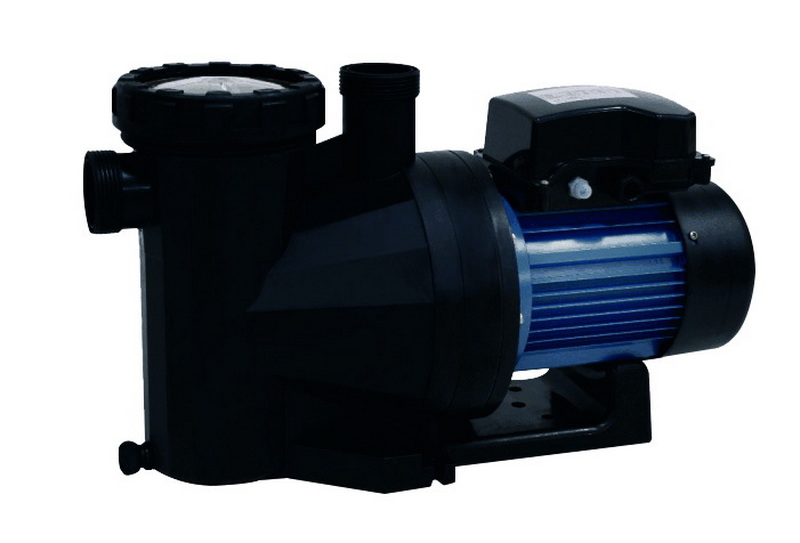
Priming a pool pump means filling the suction side of the pump and plumbing with water so the pump can create a vacuum and start drawing water from the pool. If too much air is trapped inside, the impeller spins without moving water, which is called “dry running.”[4][2][1]
When the pump is properly primed, the pump basket is full of water, the filter pressure gauge settles into its normal range, and you see a strong, steady flow from the return jets. If the pump never fills or pressure jumps up and down, there is still air in the system or a suction‑side problem.[5][6][7][4]
Running a pool pump without a good prime can overheat the motor, wear internal parts, and damage the shaft seal, sometimes leading to complete pump failure. Air pockets also reduce circulation efficiency, which means poor filtration, cloudy water, and higher chemical costs.[8][3][1]
Proper priming keeps water moving smoothly through the skimmer, pump, filter, heater, and any salt or chlorination system, helping maintain clear, sanitized water with less energy and less strain on the equipment. For pools that are winterized or opened at the start of the season, priming is essential because the lines and pump are often empty of water.[3][8][4]
1. Switch off the pump at the timer and main circuit breaker to prevent accidental start‑up while you are working on the equipment.[4]
2. Check that the pool water level is at least halfway up the skimmer opening so the skimmer can pull water without drawing air.[5][4]
If the water level is too low, fill the pool before trying to prime the pump, because low water level is one of the most common causes of priming failure.[9][10]
1. If your system has suction valves (for skimmers, main drain, vacuum line), start by selecting one or two main lines instead of leaving everything fully open.[11]
2. Close any valves that would allow air into the system or drain water away from the pump while you are filling the basket.[5][4]
Most technicians begin with the main skimmer line only, then slowly open other suction lines after the pump has established a solid prime and good flow.[9][11]
1. Loosen and remove the clear pump lid to access the strainer basket.[4][5]
2. Take out the basket and remove any leaves, hair, or debris that could obstruct water flow.[12][5]
While the lid is off, inspect the lid O‑ring for cracks, flattening, or stretching, and replace it if it looks worn, because a damaged seal will let air leak in and cause loss of prime. Applying a thin coat of pool‑safe lubricant to the O‑ring helps it seal better and makes the lid easier to remove next time.[6][12][4]
1. Reinstall the cleaned basket, making sure it is seated correctly so it does not float up and block the inlet.[5]
2. Use a garden hose or bucket to fill the pump housing (basket area) completely with water until it is full.[12][5]
The goal is to push as much air as possible out of the pump and suction line so the pump sees water immediately when it starts. For above‑ground pumps that sit higher than the pool water, you may need 2–3 gallons of water or more to give the pump a strong start.[2][12][9]
1. Inspect the lid sealing surface, make sure the O‑ring is clean and lightly lubricated, then position the lid and tighten it evenly by hand.[12][4]
2. On systems with a filter air‑relief valve, open the air release on top of the filter before starting the pump to allow trapped air to escape.[13][4]
A loose or uneven lid is a major cause of suction leaks and priming failure, so ensure the lid is snug but not overtightened to avoid cracking. When the pump starts, air will blow out of the filter's air‑relief; close it once a steady stream of water appears.[10][6][13][4]
1. Turn the power back on at the breaker or timer, then switch the pump to “On.”[4]
2. Watch the clear pump lid: the basket should fill with water within 30–60 seconds, with air bubbles gradually clearing out.[11][9]
At the same time, watch the pressure gauge on the filter; when the pump is fully primed, pressure climbs into the normal operating range and stabilizes instead of bouncing wildly. If the pump does not catch prime within about 1–2 minutes, shut it off, let the motor cool, and repeat the filling process rather than letting it run dry for long periods.[9][5][4]
1. Once the pump basket is full and stable, slowly open additional suction valves (such as main drain or auxiliary skimmer) one at a time.[11][4]
2. Each time you open a valve, watch for new air bubbles entering the pump or returns and make sure the pump keeps its prime.[9][11]
Opening too many suction lines at once can flood the system with trapped air, making it harder for the pump to overcome the air pocket and maintain suction. The key is slow, gradual adjustment while monitoring flow and pressure.[11][4][9]
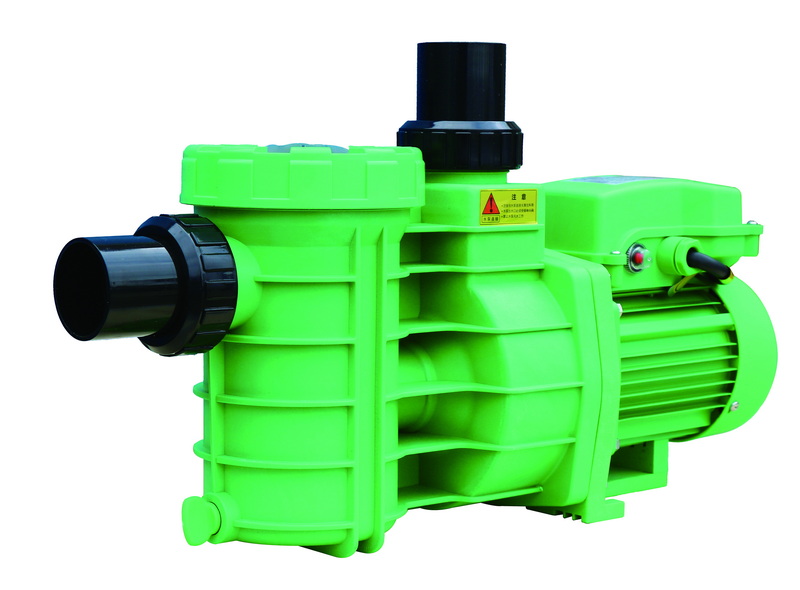
A fully primed pump has a pump basket that is completely full of water with minimal visible air, and the water level stays stable during operation. You will see strong, continuous flow from the return jets and the surface skimmer will pull water steadily without sucking air.[3][5][9]
On the filter, the pressure gauge will stabilize at the normal running pressure for your system, instead of staying at zero or spiking rapidly. If bubbles continue to blow into the pool or the basket never completely fills, there is most likely a suction‑side leak, low water level, or another obstruction preventing full prime.[7][6][3][4]
Most priming problems come from small air leaks on the suction side between the pool and the pump. These can occur at glued fittings, unions, valve stems, or around the pump lid where the O‑ring is worn or the lid is not tightened evenly.[14][6][7]
A simple test is to run a garden hose over suspected joints while the pump tries to prime: if the extra water temporarily improves flow, that fitting is probably sucking in air and needs repair or resealing. Replacing old O‑rings and re‑glueing leaky suction fittings solves many chronic priming issues.[15][6][10]
If the pool water is below the skimmer mouth, the skimmer will pull air no matter how many times you fill the pump basket. Likewise, clogged skimmer baskets, pump baskets, or blocked suction lines restrict water supply and make it difficult or impossible for the pump to establish a prime.[6][7][4][9]
Inspect and clean both the skimmer basket and pump basket before priming, and remove any obstructions that have bypassed the strainer and lodged near the impeller. A severely clogged impeller may require opening the pump housing so debris can be cleared manually.[16][14][7][6]
Pumps installed significantly above the water level of the pool need more effort to prime because gravity pulls water back toward the pool when the pump is off. In these cases, filling the pump housing more than once and keeping suction lines as short and tight as possible will help.[6][12][9]
For long suction runs or complex plumbing, it may take several priming attempts before all air is purged and stable flow is established. High‑quality, properly sized pumps and filters from reliable OEM manufacturers also make priming faster and more reliable over the long term.[2][7][9]
Here, include detail photos: variable‑speed pump control panel, DE or cartridge filter air‑release, and close‑ups of pressure gauges at “normal” vs “no prime.”
- Use the air‑relief on top of the filter every time you restart the system after maintenance or backwashing to bleed out trapped air.[13][4]
- Keep all O‑rings (pump lid, unions, valves) clean and lubricated with pool‑safe lubricant to maintain a good seal and reduce suction leaks over time.[12][6]
- If using a variable‑speed pump, start at a medium‑high speed for priming, then drop to your normal energy‑saving speed after full flow is established.[1][2]
- After any major repair or winter opening, expect to repeat the priming steps several times while the last air pockets work their way through the system.[4][9]
For new construction, renovation, or OEM equipment packages, pairing a properly sized pump with a matched sand, cartridge, or DE filter and quality valves will reduce priming issues and improve lifetime performance.[3][9]
Priming a pool pump is not complicated when you follow a clear sequence: ensure correct water level, set valves, fill the pump housing with water, seal the lid, bleed air at the filter, and start the pump while monitoring pressure and flow. Doing this carefully protects the motor from dry running, keeps your filtration system efficient, and maintains clean, inviting water with fewer breakdowns and lower operating costs.[1][3][9][4]
Whether you maintain a small backyard pool or oversee equipment packages as a brand, wholesaler, or builder, consistent priming practices combined with quality pumps, filters, and accessories will deliver safer, quieter, and more reliable pool circulation season after season.[1][9]
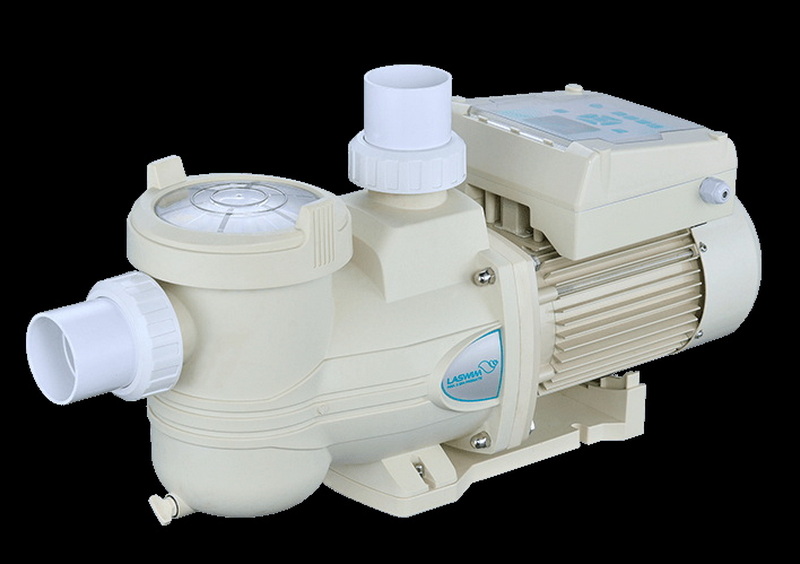
Most pool owners only need to prime the pump after the system has been opened, drained, repaired, or has taken in a lot of air, such as after very low water level or a major leak. If the equipment is tight and the pool water level stays correct, the pump should hold its prime and restart normally every day.[8][3][9]
Under normal conditions, a pump should catch prime within about 30–90 seconds once it starts running, with the basket filling and bubbles clearing quickly. If it takes many minutes or never fully fills, there is usually a suction leak, obstruction, or water‑level problem that must be fixed.[7][6][9][11]
Yes, running a pump without water (or with very poor prime) can overheat the seal and motor, warp internal parts, and eventually cause pump failure. Even short periods of dry running add unnecessary wear, so it is better to shut the system off and re‑prime than to let it “struggle” for a long time.[3][1][4]
Common reasons include slow suction‑side air leaks, shrinking O‑rings, loose fittings, or water draining back into the pool because of equipment being installed above water level. Inspect the lid, unions, and suction valves, and use the hose‑water test over joints to locate tiny air leaks that only show up when the pump is off.[10][15][6]
The basic principles are the same, but above‑ground pumps often sit at or below water level and are “flooded suction,” which can make priming easier once plumbing is tight. When they sit higher than the water line, filling the pump housing with several gallons of water and keeping suction lines as short and straight as possible becomes even more important.[6][12][9]
For most sand and DE filters with a multiport valve, priming is usually done on the standard “Filter” setting, though some technicians use “Recirculate” temporarily to bypass the media. If you are unsure, follow the manufacturer's instructions for your filter and valve type to avoid sending debris into sensitive components.[9][3][11][4]
[1](https://splashfiberglasspoolcompany.com/mastering-maintenance-how-to-prime-a-pool-pump/)
[2](https://beatbot.com/blogs/pool-care-solutions/the-essential-guide-to-priming-your-pool-pump-for-optimal-performance)
[3](https://lesliespool.com/blog/how-to-prime-a-pool-pump.html)
[4](https://www.aquaticcouncil.com/news/how-to-prime-a-pool-pump/)
[5](https://www.milleroutdoorsnola.com/blog/how-to-prime-a-pool-pump/)
[6](https://pooloperationmanagement.com/common-issues-pool-pump-motor/)
[7](https://www.inyopools.com/HowToPage/how_to_determine_why_a_pool_pump_won_t_prime.aspx?CommentPage=1)
[8](https://www.swimmingpool.com/maintenance/pump&filter/when&how-to-prime-pool-pump/)
[9](https://teampoolworks.com/blog/prime-pool-pump-step-step/)
[10](https://www.bluescience.com/swimming-pools/posts/what-to-do-if-your-pump-will-not-prime/)
[11](https://intheswim.com/blog/priming-a-pool-pump.html)
[12](https://www.thepoolfactory.com/blogs/equipment/how-to-prime-an-above-ground-pool-pump)
[13](https://www.reddit.com/r/pools/comments/r5e6xk/dummy_tries_to_prime_pool_pump_question/)
[14](https://www.youtube.com/watch?v=UgXzHO16jxc)
[15](https://wplawinc.com/pump-is-losing-its-prime)
[16](https://www.reddit.com/r/pools/comments/15lr0qf/pump_not_priming/)
[17](https://www.perplexity.ai/search/1fa238ab-3233-46bb-aec4-122c074358c3)
[18](https://www.youtube.com/watch?v=9JVApTiCQIg)
[19](https://www.youtube.com/watch?v=hlz48dkxwAc)
[20](https://www.tiktok.com/@swimuniversity/video/7506203521168051486)
[21](https://www.youtube.com/watch?v=wD_7YjxITX8)


