
Views: 222 Author: Tina Publish Time: 2026-01-05 Origin: Site


Content Menu
● Introduction to Pool Ladder Damage
● Understanding Ladder Materials and Seam Construction
● Common Causes of Seam Cracks or Splits
● Tools and Materials You'll Need
>> Step 1: Remove the Ladder from the Pool
>> Step 3: Clean and Prep the Area
>>> For Stainless Steel Ladders:
>>> For Resin/Plastic Ladders:
>> Step 5: Inspect and Refinish
>> Step 6: Reassemble and Test
● When to Replace Instead of Repair
● Professional Pool Ladder Services and OEM Options
● FAQs About Pool Ladder Seam Repair
>> 1. How long does a seam repair last?
>> 2. Can epoxy hold underwater permanently?
>> 3. How often should I inspect my pool ladder?
>> 4. Can I weld a stainless steel ladder myself?
>> 5. What's the safest replacement material for ladders?
Owning a pool means constant maintenance, not only for the water but also for the equipment that makes swimming safe and enjoyable. One of the most overlooked but essential parts of your pool is the ladder—a small but vital safety feature. However, when pool ladders develop rust, cracks, or split seams, many pool owners wonder: Can you fix a pool ladder at the seam?
The short answer is yes, you can, but the method depends on the damage's severity, the ladder's material, and how soon you address it. In this detailed guide, we'll explain step-by-step how to inspect, fix, and maintain your pool ladder to ensure long-term safety and performance.
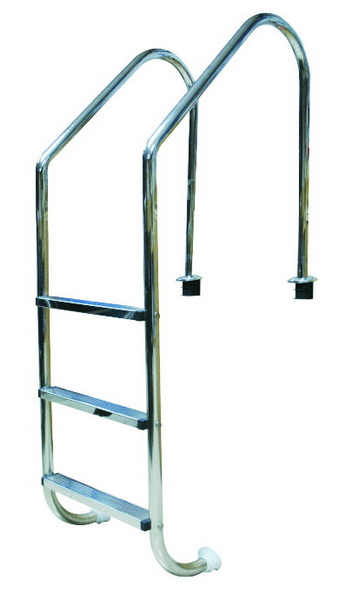
Over time, exposure to water, chlorine, and sunlight can take a toll on your pool ladder. Seams—where two pieces of stainless steel or plastic are joined—are especially vulnerable. When they crack or separate, it compromises the ladder's strength, posing serious safety risks.
Most modern pool ladders are made of stainless steel, resin (plastic), or a combination of both. Understanding the material helps you determine how to repair the seam:
- Stainless Steel Ladders: Made of 304 or 316-grade steel with welded seams.
- Resin/Plastic Ladders: Molded seams formed during the manufacturing process.
- Hybrid Ladders: Use stainless rails with plastic steps and joiners sealed with epoxy.
Seam damage doesn't happen overnight. It's usually the result of environmental and mechanical stresses. The most common causes include:
- Chlorine corrosion from poor water balance.
- Impact damage from heavy use or storms.
- Age-related fatigue and micro-cracking.
- Improper storage during off-season.
- Manufacturing defects or weak welding points.
Before starting any repair, prepare the right tools and materials. Working efficiently ensures the repair holds up well.
Materials:
- Fine-grit sandpaper or wire brush
- Stainless steel epoxy or marine-grade adhesive
- Rust-neutralizing primer (for damaged metal)
- Clean rags and rubbing alcohol
- Replacement seam clamps or welding filler (if metal)
- Protective gloves and safety goggles
Tools:
- Angle grinder or rotary tool
- Small welding kit (TIG preferred for stainless steel)
- Clamps to hold parts during repair
- Waterproof sealant gun
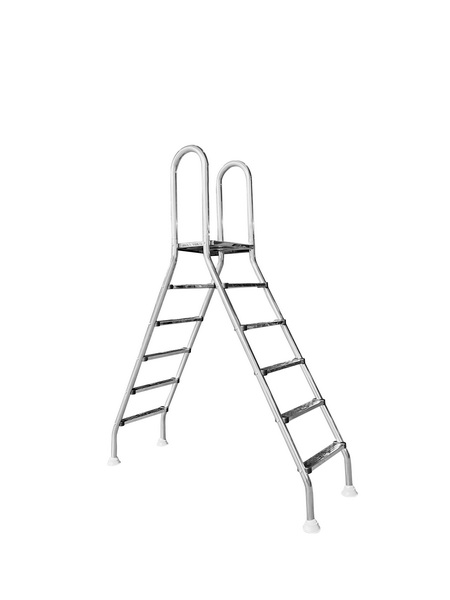
Follow these steps to safely and effectively fix your pool ladder seam.
Take out the ladder completely. Drain any water inside the poles and dry thoroughly to ensure proper adhesion or welding.
Check the seam closely. Determine whether it's a surface crack, a gap, or complete seam separation.
For deep cracks, a professional might be needed, especially for underwater-grade stainless steel.
Use rubbing alcohol to remove oils or debris. Then lightly sand the damaged seam until you reach clean metal or plastic.
- Spot weld small cracks using a TIG welding set.
- For non-welders, apply marine-grade metal epoxy rated for high moisture environments.
- Apply evenly and clamp the seam for at least 12 hours.
- Heat the area slightly with a heat gun (low setting).
- Apply two-part resin adhesive and press both sides firmly.
- Use clamps to hold the piece until the adhesive cures.
After curing, inspect the seam. Smooth rough edges using a grinder and apply a waterproof primer or anti-rust coating.
Place the ladder back into the pool and test for stability before allowing anyone to use it.
Sometimes, repairing the ladder isn't the best option. Replacement is ideal when:
- The seam has widened more than 5 mm.
- Rust has penetrated through multiple layers.
- The ladder feels unstable even after resealing.
- The structural welds are splitting elsewhere.
Regular care prevents seam damage in the first place. Here are some expert suggestions:
- Rinse the ladder with fresh water weekly after swimming.
- Keep pH levels between 7.2–7.6 and avoid excessive chlorine.
- Use a ladder cover when the pool is unused.
- Store detachable ladders in a dry, shaded place during winter.
- Apply anti-corrosion wax or coating every 6 months.
If DIY repair isn't ideal, many professional pool equipment suppliers—like our factory in China—manufacture and customize premium pool filtration and accessory systems, including:
- Sand filters, cartridge filters, and DE filters
- High-efficiency water pumps and LED pool lights
- Custom-made pool ladders with UV protection and anti-rust seams
- OEM/ODM production for overseas brands and distributors
Our smart manufacturing systems ensure accurate welding, uniform seam thickness, and surface polishing that prevents premature cracking.
Repairing a pool ladder seam is absolutely possible with the right tools, materials, and patience. Whether you're patching minor cracks or resealing a split joint, following proper procedures ensures safety and extends your ladder's lifespan. However, if the seam shows extensive structural damage or rust penetration, replacement becomes more practical and cost-effective.
For professional-grade ladders and filtration equipment, consider sourcing from OEM manufacturers specializing in stainless steel pool accessories. High-end production ensures that seams are stronger, smoother, and more resistant to the elements—giving you years of worry-free use.
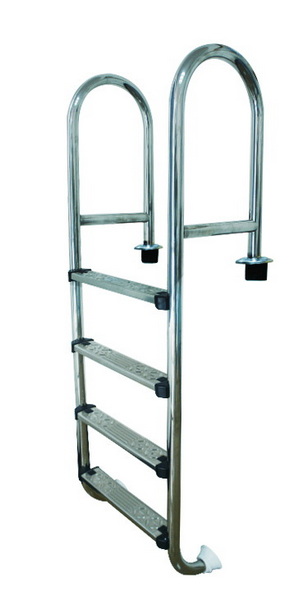
A proper seam repair can last from 3 to 5 years if maintained regularly and kept free from corrosion.
Yes, but only marine-grade epoxy. Avoid general-purpose adhesives as they break down in chlorinated water.
Check it every month during swimming season, and before storage in winter.
Only if you have TIG welding experience. For large cracks, hire a professional welder familiar with stainless steel.
316-grade stainless steel or UV-stabilized reinforced resin — both resist corrosion and cracking.


