


Content Menu
● Code requirements and safety standards
● Materials and tools you will need
● Step‑by‑step: how to ground and bond a pool pump
>> Step 1: Plan the circuit and bonding layout
>> Step 2: Install the equipment‑grounding conductor
>> Step 3: Create or connect to the equipotential bonding grid
>> Step 4: Bond the pump motor and nearby metal components
>> Step 5: Connect to the grounding electrode system (if required)
>> Step 6: Test and verify the system
● Special notes for different pool types
● When to call a licensed electrician
● FAQs about grounding a pool pump
>> 1. Why do I need both grounding and bonding for a pool pump?
>> 2. What wire size is typically used to bond a pool pump?
>> 3. Can I connect the pump's bonding lug directly to the ground rod instead of the bonding grid?
>> 4. Does a plug‑in above‑ground pool pump still need bonding?
>> 5. How often should a grounding and bonding system be inspected?
>> 6. What are signs that my pool pump is not properly grounded or bonded?
Correctly grounding and bonding a pool pump is essential for preventing electrical shock and meeting modern pool safety codes. Properly installed wiring, grounding conductors, and an equipotential bonding grid work together to keep all metal parts around the pool at the same electrical potential and safely clear faults to earth.[1][2][3][4]
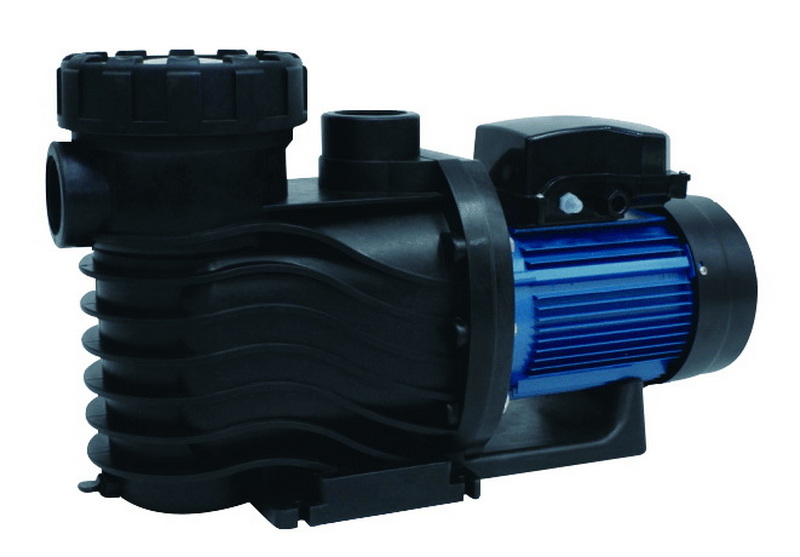
Grounding and bonding are different but related safety systems, and both are needed for a pool pump. Grounding connects equipment to the earth so fault current can trip a breaker quickly, while bonding ties together all metallic components so dangerous voltage differences cannot exist between them.[5][3][4][1]
- Grounding: An equipment grounding conductor (EGC), usually insulated copper, runs with the pump's circuit back to the service panel and ultimately to a grounding electrode system such as ground rods.[6][1][2][5]
- Bonding: A bare or insulated #8 AWG solid copper conductor interconnects all metallic items near the pool (pump, heater, rails, ladders, light niches, steel in concrete, etc.) to create an equipotential bonding grid.[7][8][1][2]
Most modern pool installations must follow the National Electrical Code (NEC) or a similar local standard, especially NEC Article 680 for swimming pools, bonding, and equipotential planes. These rules are updated regularly (for example in the 2023 NEC) to address new equipment and known shock hazards.[9][10][1][2][7]
Key general requirements (always confirm local code and hire a licensed electrician):
- Equipment grounding conductor: Typically a minimum #12 AWG insulated copper run in conduit with the pump's hot and neutral conductors, connected to the equipment‑grounding terminal in the panel and the green or grounding terminal on the pump.[1][6][2]
- Equipotential bonding: A #8 AWG solid copper conductor (or larger) is used to bond metallic pool structures, reinforcing steel, pump motors, heaters, and metal fittings within about 5 ft horizontally of the water, forming a bonding grid that extends around the pool deck.[8][11][2][7][1]
Homeowners should not change fixed wiring, but understanding the standard materials helps them check that a professional is using proper components.[6][5][3][1]
Common items in a compliant pool pump grounding and bonding system:
- Pump motor with a clearly marked equipment‑grounding screw or lug and a separate external bonding lug.[5][3][1]
- Insulated copper equipment‑grounding conductor sized per breaker and distance (commonly #12 AWG for typical residential pump circuits).[2][1][6]
- Bare or insulated #8 AWG solid copper bonding conductor routed in a continuous loop or grid around the pool and between metallic items.[7][8][1][2]
- Listed bonding clamps and connectors rated for direct burial and wet, corrosive environments, made of copper, copper alloy, or stainless steel.[1][2][5]
- Weather‑rated junction boxes, conduit, and fittings appropriate for outdoor pool environments.[6][2][1]
- Test equipment such as a digital multimeter or continuity tester used by the electrician to verify grounding and bonding integrity.[3][5][1]
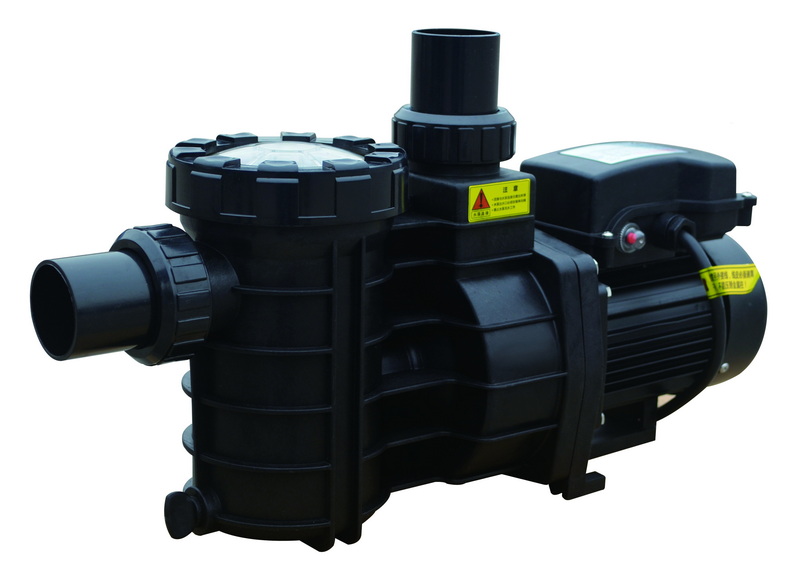
The exact installation must always comply with local codes, manufacturer instructions, and be performed by a licensed electrician. The steps below show the high‑level process used in typical in‑ground or permanently installed above‑ground pool systems.[7][1][6][2]
Before any wiring is run, the electrician plans the pump circuit, breaker size, and the route for both the grounding conductor and bonding connections.[1][6][2]
- Determine voltage and amperage for the pump (for example 120 V or 240 V, single‑speed or variable‑speed) and size the breaker and conductors accordingly.[6][1]
- Map the equipotential bonding grid, including reinforcing steel in concrete pools or a perimeter bonding ring around fiberglass and vinyl pools, and note where the pump and other metal equipment will connect.[11][8][2][7]
The equipment‑grounding conductor provides the low‑impedance path back to the source so a fault trips the breaker instead of energizing the pump housing or nearby water.[5][3][1][6]
- Run the insulated copper equipment‑grounding conductor with the pump's circuit conductors in approved conduit from the service panel to the pump location.[2][1][6]
- Terminate one end of the EGC at the panel's grounding/neutral bar or grounding bus as per code and panel design.[1][6]
- Terminate the other end securely at the green equipment‑grounding screw or grounding terminal inside the pump's wiring compartment; sheet‑metal screws are not acceptable for grounding connections.[5][1]
The bonding grid equalizes voltage across the pool shell, deck, and metal parts to remove shock risk from stray or lightning‑induced currents.[3][7][2][1]
- Concrete pool: connect #8 AWG solid copper to the reinforcing steel at several points and route it under or within the deck in a 12 in × 12 in grid pattern extending about 3 ft from the pool's edge.[12][7][2]
- Fiberglass or vinyl pool: install a perimeter bonding ring of #8 AWG bare copper around the pool in the soil or under the deck, connecting all metal components within about 5 ft of the water.[11][8][2]
- Terminate multiple branches of the bonding grid at accessible bonding lugs or points near the equipment pad so they can connect to the pump and other equipment.[8][7][2]
Bonding the pump motor shell ensures its metal housing is at the same potential as ladders, rails, and other bonded items, protecting swimmers from step‑ and touch‑voltage differences.[4][3][2][5][1]
- Locate the external bonding lug on the pump motor housing, usually marked “BONDING LUG” or with a ground symbol.[5][1]
- Use a listed bonding clamp or lug and connect the #8 AWG solid copper bonding conductor from the equipotential grid to the pump's bonding lug, forming a continuous conductive path.[7][2][1][5]
- Bond all other metallic items within the required area—heaters, metal piping sections, handrails, ladders, diving boards with metal frames, and metal light niches—using the same #8 AWG copper so each item is interconnected.[11][8][2][7][1]
The pool equipment grounding system must ultimately tie into the property's grounding electrode system, such as ground rods or building steel.[2][1][5]
- For many concrete pools, an 8‑ft copper‑clad grounding rod near the equipment pad is driven and connected to the bonding grid and equipment grounding system according to code and inspector requirements.[2]
- All connections must use listed clamps, be protected from corrosion, and maintain low impedance so fault currents can be safely directed to earth and back to the source.[1][5][2]
After installation, the electrician performs tests to confirm that the grounding and bonding system is continuous and effective.[3][1][5]
- Use a continuity tester or multimeter to check that all bonded metal parts (pump, rails, ladders, deck steel) are electrically continuous with the bonding conductor and grid.[1][5]
- Confirm that the pump's equipment‑grounding path is continuous back to the panel and that GFCI protection operates correctly by using a built‑in test button or an external tester.[3][5][1]
- Document key bonding and grounding points with photos and labels, which can be invaluable for future inspections or equipment upgrades.[7][2][1]
Grounding and bonding details differ slightly among concrete, fiberglass, and above‑ground pools, but the principles remain the same: create an equipotential grid and provide a solid grounding path.[8][2][7][1]
- Concrete pools: rely heavily on reinforcing steel and a below‑deck #8 AWG copper grid as the primary equipotential plane, tied to pump motors and other equipment.[12][11][2][7]
- Fiberglass and vinyl pools: use a copper “halo loop” and perimeter bonding around the shell and deck, because the shell itself is non‑conductive and cannot act as a grid.[11][8][2]
- Above‑ground and storable pools: must still be bonded and grounded where required; metal walls, frames, and pump motors typically connect into a smaller but still continuous bonding ring.[6][8][1]
Many dangerous pool shock incidents trace back to incorrect or incomplete bonding and grounding rather than pump defects. Avoiding a few common mistakes greatly improves safety.[13][4][3][5][1]
- Relying only on GFCI devices without proper grounding and bonding, which can leave metal parts at hazardous voltages during a fault.[4][13][3][5]
- Failing to connect the pump's external bonding lug to the equipotential bonding grid, or using undersized or non‑continuous bonding conductors.[8][2][7][1]
- Using non‑listed clamps or corroded connectors that can break continuity over time in wet, chlorinated environments.[2][5][1]
- Forgetting to bond separate metal items such as ladders, slide supports, heater cabinets, or metal fencing near the waterline, leaving unbalanced potentials.[11][7][8][1][2]
Even experienced DIY pool owners should not modify permanent pool wiring, especially in wet environments governed by strict electrical codes.[9][6][1][2]
- Any time a pump, heater, light, or filter system is replaced or relocated, the bonding and grounding scheme should be reviewed and updated by a licensed electrician familiar with NEC Article 680.[10][9][1][2]
- If there are tingling sensations, unexplained tripping, or corrosion at bonding lugs, stop using the pool and have a professional inspect the installation immediately.[13][3][5][1]
Properly grounding and bonding a pool pump is a non‑negotiable safety requirement that protects swimmers from shock hazards and ensures your equipment operates within modern electrical codes. By combining a correctly sized equipment‑grounding conductor, a continuous #8 AWG bonding grid, and professionally installed connections to all nearby metal components, you eliminate dangerous voltage differences around the pool and create a safer, more reliable swimming environment for years to come.[4][10][3][5][8][1][2][7]
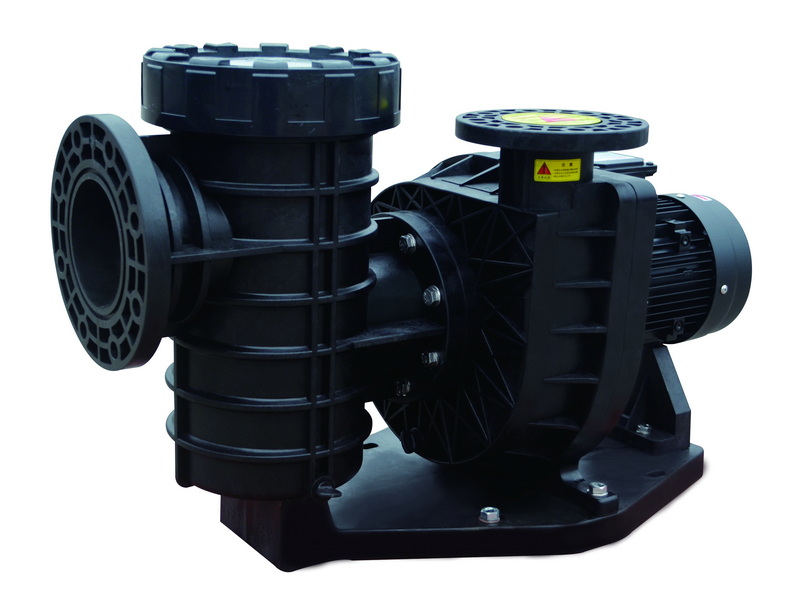
Grounding provides a low‑impedance path back to the electrical source so breakers trip quickly if the pump or wiring faults, while bonding keeps all nearby metal parts at the same electrical potential to prevent shock from voltage differences. Both systems must work together to protect swimmers in and around the pool, especially in wet conditions where even small voltages can be dangerous.[10][4][3][5][1][2][7]
Most codes require at least #8 AWG solid copper for the equipotential bonding conductor that ties the pump motor, pool shell or ring, ladders, and other metal parts together. The equipment‑grounding conductor that runs with the branch circuit may be smaller (often #12 AWG insulated copper for common residential pumps), depending on breaker size and distance.[6][8][11][1][2][7]
Directly connecting only to a ground rod does not satisfy equipotential bonding requirements because the goal is to interconnect all metallic components around the pool, not just to reach earth. The pump's bonding lug must tie into the pool's bonding grid or ring so its housing remains at the same potential as ladders, rails, and deck steel.[10][8][11][1][2][7]
Yes, many above‑ground and storable pool installations require bonding of the metal wall, frame, and pump motor even if the pump plugs into a GFCI receptacle. GFCI protection and grounding alone cannot eliminate differences in potential around the pool, so a bonding conductor or ring is usually required by code.[14][10][8][1][7]
Grounding and bonding connections should be visually checked at least annually and after major storms, renovations, or equipment replacements, with a licensed electrician performing periodic detailed tests. Inspections look for loose or corroded clamps, damaged conductors, and any added metal equipment that has not yet been bonded into the grid.[9][5][1][2][7]
Warning signs include tingling sensations when touching metal parts, frequent unexplained breaker trips, visible missing or corroded bonding wires, and pump housings with no external bonding lug connection. Any of these symptoms warrant immediate shutdown of the pool equipment and a professional safety inspection.[13][9][3][5][1]
[1](https://www.nachi.org/grounding-bonding-swimming-pools.htm)
[2](https://schillerpools.com/electrical-bonding-grounding-pools/)
[3](https://kbelectricpa.com/grounding-bonding-swimming-pool/)
[4](https://hayward.com/blog/post/why-is-electrical-bonding-and-grounding-in-your-pool-important)
[5](https://powerplusservice.com/wp-content/uploads/2019/05/Swimming-Pool-Pump-and-Equipment-Bonding.pdf)
[6](https://www.nyeia.com/wp-content/uploads/2019/05/2019_Swimming-pool-NEC17-.pdf)
[7](https://www.nespapool.org/Portals/0/Pool%20GroundingE270LT07.pdf)
[8](https://pacodealliance.com/wp-content/uploads/2023/12/Above-Ground-Pool-Bonding-Requirements_10-23-20.pdf)
[9](https://j2services.us/grounding-and-bonding-requirements-for-pools/)
[10](https://www.nkyei.com/pdf/680.26_POOLS.pdf)
[11](https://www.carrollecc.com/upload/pool_equipotential_bonding.pdf)
[12](https://building.rctlma.org/sites/g/files/aldnop406/files/migrated/Portals-5-Handouts-Pool-284-011-Equipotential-Bonding-Grid-for-Pools-Decks-spas-7-2021.pdf)
[13](https://forums.mikeholt.com/threads/is-a-pool-with-bonding-and-gfci-breakers-but-no-grounding-consider-safe.2570288/)
[14](https://forums.mikeholt.com/threads/bonding-in-ground-pool-with-plug-in-pump.2574628/)
[15](https://www.facebook.com/groups/637529959937311/posts/2212476399109318/)
[16](https://www.youtube.com/watch?v=NiurYY5Oq0w)
[17](https://www.facebook.com/groups/637529959937311/posts/2567797700243851/)
[18](https://www.poolproswi.com/post/pool-bonding-101)
[19](https://www.electricallicenserenewal.com/Electrical-Continuing-Education-Courses/NEC-Content.php?sectionID=960)
[20](https://www.youtube.com/watch?v=N3ynxJow3Gw)


