
Views: 222 Author: Tina Publish Time: 2026-01-07 Origin: Site


Content Menu
● Signs Your Impeller Is Clogged
● Safety First Before Cleaning
● Tools and Materials You Need
● Step‑by‑Step: Cleaning the Impeller Without Full Disassembly
>> Step 1: Turn Off Power and Relieve Pressure
>> Step 2: Remove Pump Lid and Basket
>> Step 3: Reach the Impeller Opening
>> Step 4: Loosen and Remove Debris
>> Step 5: Flush the Area (Optional)
>> Step 6: Reassemble, Prime, and Test
● Deep Cleaning: When You Must Open the Pump
● Preventing Future Impeller Clogs
● OEM and Professional Considerations
>> 1. How often should I clean my pool pump impeller?
>> 2. What is the difference between a clogged impeller and a dirty filter?
>> 3. Can I damage the impeller when cleaning it?
>> 4. Do I need to call a professional to clean the impeller?
>> 5. Why does my impeller keep clogging again and again?
>> 6. Is cleaning the impeller different for saltwater pools?
Cleaning a pool pump impeller is one of the most effective ways to restore weak water flow, fix low filter pressure, and protect your pump from overheating or early failure. When done safely and on a regular schedule, it keeps your entire circulation and filtration system working efficiently.[1][2][3][4]
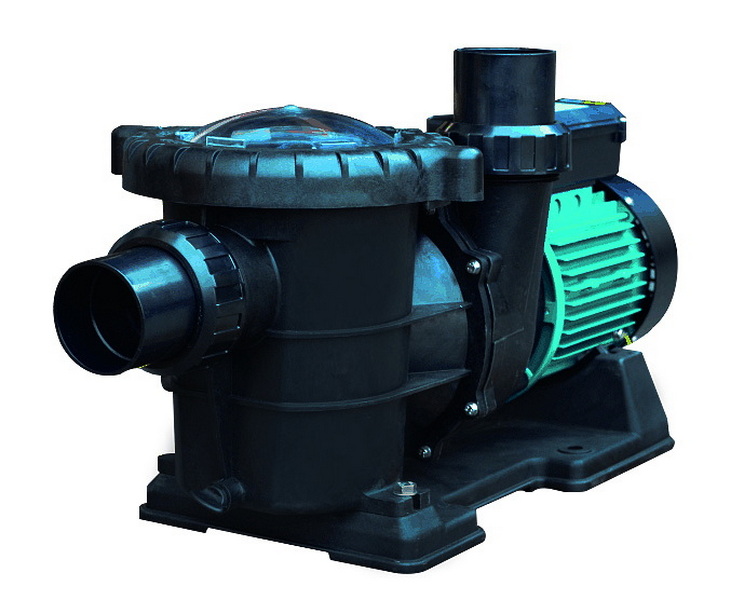
The pump impeller is a rotating wheel with vanes that pulls water from the pool and pushes it through the filter, heater, and returns. When debris clogs the vanes, water flow drops dramatically and the motor can run hot or cavitate, leading to noisy and inefficient operation.[3][10][11][12][1]
Common symptoms of a clogged impeller are low filter pressure, poor water return, and a pump basket that never fully fills with water. You may also hear a low grinding or humming sound from the pump and notice that your pool vacuum moves slowly or not at all.[2][12][1][6][3]
Always shut off power at the circuit breaker or disconnect to avoid electric shock and accidental pump startup while you are working on the impeller. Never rely only on a timer or a simple on/off button; physically isolating power is the safest approach.[10][13][2]
Most impeller cleanings can be done with simple hand tools and basic safety gear. Having what you need ready before you open the pump makes the job faster and reduces the chance of mistakes or damage.[4][10][2]
Suggested items:
- Screwdriver or small nut driver for pump lid or clamp, depending on model.[10][2]
- Needle‑nose pliers or tweezers to pull out leaves, seeds, or hair from the impeller.[2]
- A stiff wire, cable tie, or special impeller‑cleaning tool to swirl and loosen stuck debris in the opening behind the basket.[14][15][1]
- Soft brush or cloth for gentle cleaning of blades if you open the housing.[4][10]
- Garden hose to rinse the basket and internal parts.[13][2]
- Insulated gloves and safety glasses for protection around sharp edges and wiring.[4][2]
For many residential pumps, you can clear minor clogs by reaching the impeller through the hole behind the strainer basket, without removing the motor or opening the housing. This quick method is ideal for small debris like pine needles, seeds, hair, grass, and fine leaf fragments.[3][14][1][2]
Turn off the pump at the circuit breaker and confirm the motor has stopped completely. If you have a filter with a pressure relief valve on top, open it briefly to release any residual pressure in the system before opening lids.[13][10][2]
Loosen the pump lid (usually by turning counter‑clockwise, releasing clamps, or removing screws, depending on your brand). Lift out the strainer basket, dump debris, and rinse it thoroughly so it can catch more material in the future instead of letting it pass to the impeller.[10][13][2]
With the basket removed, you will see an opening (port) leading to the impeller housing behind it. Carefully insert a finger, a plastic zip tie, or a thin non‑metal tool into the hole to feel for soft, stringy, or compacted debris inside the impeller vanes.[15][11][14][1][2]
Use a swirling or twisting motion with your finger or tool to break up and dislodge debris from between the impeller vanes. Once loosened, pull out the material by hand or with needle‑nose pliers or tweezers until the opening feels clear and the impeller can turn freely.[14][1][4][2]
If your pump design allows, gently flush the impeller area with a low‑pressure stream from a garden hose to wash out any remaining small particles. Avoid using very high pressure directly on seals or electrical parts, and never flood the motor.[4][10][2]
Reinsert the clean pump basket, check and clean the lid O‑ring, lubricate it if needed, and close the lid firmly to prevent air leaks. Restore power at the breaker, prime the pump if necessary, and observe filter pressure, pump basket water level, and return jet strength to confirm that flow has improved.[3][1][13][2]
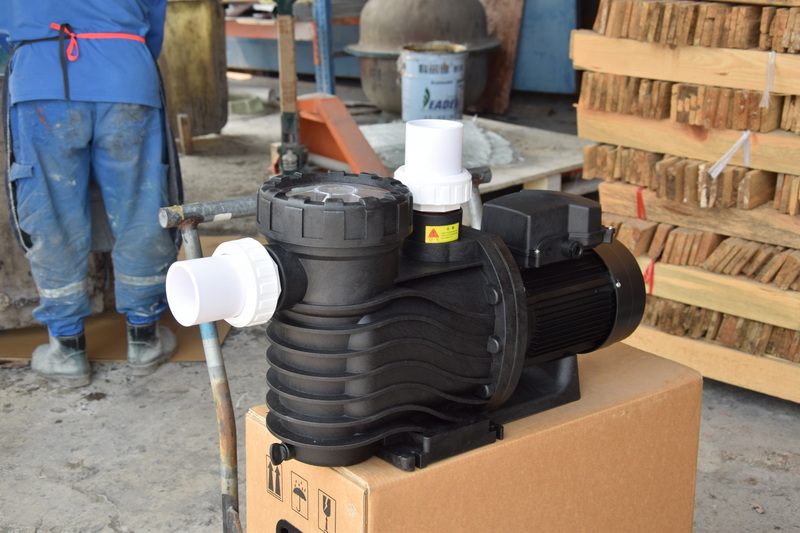
If symptoms remain even after you clear the impeller through the basket opening, you may need to partially disassemble the pump and remove the motor to access the impeller directly. This deeper method is useful when hard or compacted debris is wedged between vanes or when mineral or salt buildup coats the blades.[1][3][10][4][2]
Typical steps (follow the manufacturer's manual for your specific model):
1. Turn off power at the breaker and remove any fuses if required.[10][2]
2. Disconnect unions or plumbing as needed and loosen the clamp band or bolts that hold the pump housing to the motor or volute.[10][2]
3. Carefully pull the motor and impeller assembly away from the wet end, watching for gaskets and seals.[2][10]
4. Manually remove debris from the impeller blades, using a soft brush and cloth to remove scale or residue.[4][10]
5. Reassemble with all gaskets seated properly and test for leaks and normal pressure on restart.[13][10][2]
Regular preventive maintenance is the best way to avoid repeated clogs and extend pump life. Good habits also help keep filter pressure stable and water clarity high, reducing energy use and stress on the motor.[12][4][13][2]
Good practices include:
- Empty skimmer and pump baskets at least once a week, or more often during heavy leaf season.[4][13][2]
- Use a leaf net or pre‑filter canister to catch larger debris before it reaches the pump.[2][4]
- Keep landscaping trimmed and consider installing hair or lint traps if you have many bathers with long hair.[4][2]
- Schedule regular inspections of the pump, including listening for unusual noise and checking pressure for early signs of restriction.[12][3][13]
- In saltwater pools, clean internal parts more frequently to remove salt buildup on the impeller and housing.[10]
For pool professionals, brands, and OEM partners, standardizing impeller cleaning procedures helps reduce warranty claims and improve system reliability. Clear manuals, on‑product QR codes linking to videos, and consistent safety messaging make it easier for end‑users to maintain pumps correctly.[12][13][10]
Cleaning a pool pump impeller is a critical maintenance task that directly affects water flow, filtration quality, and pump lifespan. By shutting off power, removing the basket, clearing debris from the impeller opening, and periodically performing deeper disassembly when needed, pool owners and professionals can keep pumps running smoothly and avoid expensive repairs.[3][1][12][2][10]
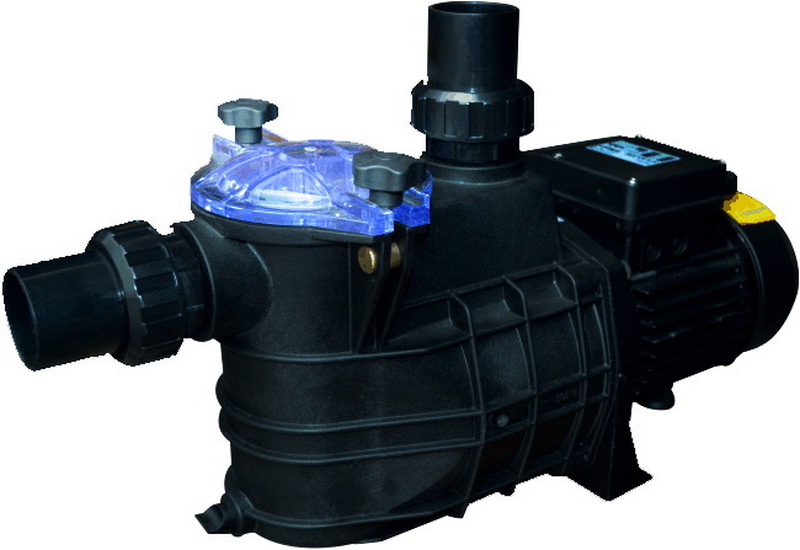
The ideal frequency depends on how much debris your pool collects, but many pools benefit from at least a quick impeller check at the start of each season and whenever flow drops or pressure falls. Pools with lots of trees, fine seeds, or heavy bather loads may require checks every few weeks or even multiple times per month.[16][1][12][2]
A clogged impeller usually causes lower‑than‑normal filter pressure, reduced flow at the returns, and a pump basket that does not stay full. A dirty filter typically causes higher‑than‑normal pressure because water struggles to pass through the media, even though the pump itself may still be working correctly.[1][3][13][2]
Yes, using sharp metal tools or applying excessive force can chip or crack the impeller blades or damage seals. Always use gentle motions, prefer plastic or soft tools, and follow the manufacturer's recommendations for disassembly and cleaning.[4][2][10]
Many homeowners can safely perform basic impeller cleaning through the basket opening using simple tools, as long as power is shut off and instructions are followed carefully. If you are uncomfortable opening the pump, need full disassembly, or suspect electrical or motor damage, hiring a qualified pool technician is the safer option.[14][3][12][1][2]
Frequent impeller clogs usually mean the system is dealing with heavy debris, undersized or damaged baskets, or poor pre‑filtration. Adding leaf nets, improving skimmer and pump basket maintenance, repairing cracks in baskets, and adjusting landscaping can significantly reduce how often the impeller clogs.[16][13][2][4]
The basic steps are similar, but saltwater systems can build up more mineral and salt residue on impeller blades, which may require more frequent inspection and brushing. Always rinse with fresh water and check for corrosion on metal parts during each cleaning to keep the pump running reliably.[4][10]
[1](https://intheswim.com/blog/clogged-pool-pump-impeller.html)
[2](https://poolsreno.co.za/how-to-clean-out-a-pool-pump-impeller/)
[3](https://sunplay.com/blogs/posts/how-to-fix-clogged-pump-impeller)
[4](https://poolie.com/blog/cleaning/the-importance-of-regular-skimmer-and-impeller-cleaning/)
[5](https://www.youtube.com/watch?v=OWZJsIR_0CQ)
[6](https://www.youtube.com/watch?v=vsqdOuQQZs8)
[7](https://www.youtube.com/watch?v=aFcNIoQDf4s)
[8](https://www.youtube.com/watch?v=1xuGFGDJBmA)
[9](https://www.youtube.com/watch?v=GD2WDU_VJo0)
[10](https://beatbot.com/blogs/robotic-pool-cleaner/how-to-clean-a-pool-pump-impeller)
[11](https://www.epoolsupply.com/blogs/default-blog/how-to-tell-if-your-pool-pump-is-bad)
[12](https://pooloperationmanagement.com/pool-pump-repair-how-to-tell-when-you-need-it/)
[13](https://lesliespool.com/blog/the-ultimate-pool-pump-maintenance-guide.html)
[14](https://www.reddit.com/r/pools/comments/1gfoj8d/drop_in_pressure_do_i_need_to_take_the_pump_apart/)
[15](https://www.facebook.com/groups/637529959937311/posts/2647333928956894/)
[16](https://www.reddit.com/r/swimmingpools/comments/1jgueth/pool_pump_gets_clogged_all_the_time/)
[17](https://www.inyopools.com/HowToPage/how_to_clean_out_a_pool_pump_impeller.aspx?CommentPage=1)
[18](https://www.facebook.com/groups/637529959937311/posts/2684633978560222/)
[19](https://www.reddit.com/r/pools/comments/oihf81/pool_pump_isnt_priming_trying_to_figure_out_if/)


