
Views: 222 Author: Tina Publish Time: 2026-01-06 Origin: Site


Content Menu
● Know Your Pentair Filter Type
● Safety Prep Before Backwashing
● How to Backwash a Pentair Sand Filter
>> Step‑by‑step sand filter backwash
● How to Backwash a Pentair DE Filter
>> Standard three‑cycle DE backwash
● How to Clean Pentair Cartridge Filters (No Backwash)
● When to Backwash Your Pentair Filter
● OEM Pool Filter and Pump Solutions for Your Brand
● FAQs About Backwashing Pentair Pool Filters
>> 1. How often should I backwash my Pentair sand filter?
>> 2. Can I backwash a Pentair cartridge filter?
>> 3. How do I know if my Pentair DE filter needs backwashing?
>> 4. Is it bad to backwash too often?
>> 5. Where should backwash water from my Pentair filter go?
>> 6. Do I need to add DE after every Pentair DE backwash?
How to backwash a Pentair pool filter correctly depends on the filter type: sand and DE (diatomaceous earth) filters are designed for backwashing, while cartridge filters are not and must be cleaned by hand instead. Done properly, backwashing restores flow, protects your pump, and keeps your pool water clear and healthy.[1][2][3][4]
Pentair makes several types of pool filters, so the exact backwash method changes slightly depending on whether you have a sand, DE, or cartridge-style unit. The basic principle is always the same: shut off power, reverse the flow (if the design allows), flush dirt to waste, and return the valve to Filter mode.[2][5][6][7]
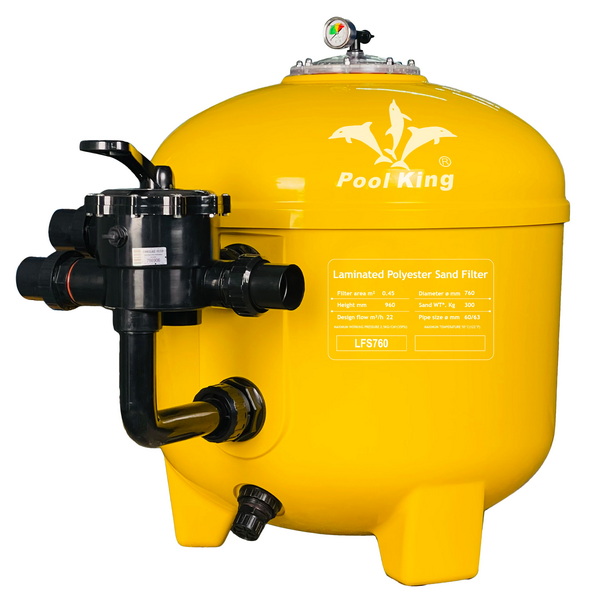
Before doing anything, confirm what Pentair filter you have, because this determines whether you actually backwash or perform a manual cleaning.[3][4]
- Sand filters (with a multiport or slide valve) can be backwashed by reversing water flow through the sand bed.[8][1]
- DE filters (such as Pentair FNS Plus or Quad DE) can be backwashed, then re‑charged with fresh DE powder.[9][5][10]
- Cartridge filters (Pentair Clean & Clear, Clean & Clear Plus, etc.) cannot be backwashed; you must open the tank and clean cartridges with a hose and cleaner.[4][11][3]
For safety, always switch off your automation system or pump at the breaker before moving any valve positions.[5][7]
Proper preparation prevents damage to the filter and avoids messy water spills around your pool equipment.[2][8]
- Turn off all power to the pump at the main switch or circuit breaker, not just the timer or app.[5][2]
- Roll out the backwash hose or ensure the waste line discharges to a legal and safe area away from the pool and building foundations.[12][8]
- Open the air relief valve on the filter to release pressure and let the gauge fall to zero before changing valve positions.[7][5]
Backwashing can use hundreds of gallons per cycle (often 250–500 gallons for DE filters), so plan where the water will go.[13][9]
A Pentair sand filter with a multiport valve or slide valve uses a straightforward backwash sequence.[6][1][8]
1. Shut off the pump
- Turn off at the breaker or service switch and let the system come to a complete stop.[2][5]
2. Set the valve to Backwash
- For a multiport valve: depress the handle fully and rotate to Backwash, ensuring it locks in place.[1][8]
- For a Pentair slide valve: turn to OPEN, then push the handle fully down or up per the label to place it in backwash position.[14][6]
3. Start the pump and backwash
- Turn the pump back on and run until the water in the sight glass or backwash hose turns from cloudy/dirty to clear, often about 2–3 minutes.[8][12][1]
- Many service techs use a higher pump speed on variable‑speed pumps during backwash for a stronger cleaning flow.[15][13]
4. Shut off the pump again
- Always turn the pump OFF before changing the valve from Backwash to any other position.[5][2]
5. Set the valve to Rinse
- Move the multiport handle to Rinse and lock it, or set the slide valve to the “Filter/Rinse” configuration as labeled.[6][1][8]
6. Rinse the sand bed
- Turn the pump on for about 20–60 seconds to settle the sand and flush remaining debris to waste without sending it back to the pool.[12][1][8]
7. Return to Filter mode
- Turn the pump off, move the valve back to Filter, and then restart the pump to resume normal circulation.[1][8][2]
After backwashing, check that the pressure gauge has dropped close to your “clean filter” baseline and inspect for leaks around the multiport or slide valve.[8][1]
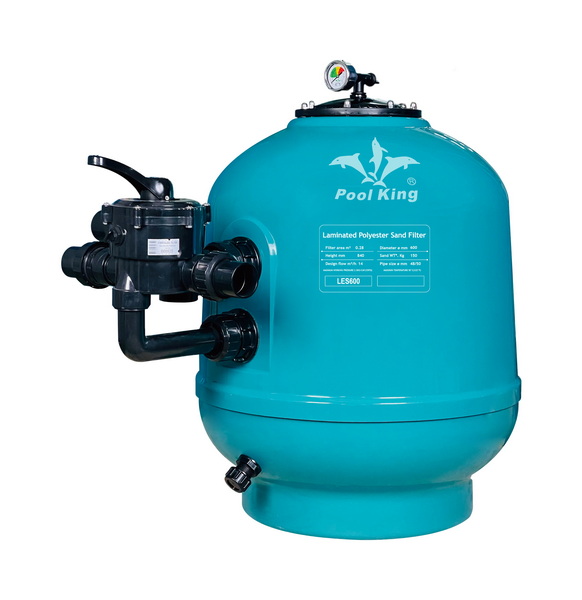
DE filters trap finer particles than sand, but they require a slightly more involved backwash and re‑charge process.[16][5]
1. Turn off equipment and relieve pressure
- Switch off the pump at the breaker and open the air relief valve until the gauge reads zero.[7][5]
2. Set the valve to Backwash
- On a DE multiport, move the handle to Backwash; on a DE slide valve, move the handle to the backwash position per the label and lock it.[16][6][5]
3. Run the first backwash cycle
- Turn the pump on for about 1–2 minutes or until the waste water changes from very dirty to relatively clear.[9][5]
4. Turn equipment off and switch to Rinse
- Stop the pump, rotate the valve to Rinse, then restart the pump for roughly 30 seconds to flush remaining DE and debris.[17][5]
5. Repeat short backwash cycles
- Repeat steps 1–4 two more times with shorter backwash intervals (around 30 seconds then 15 seconds) to clear stubborn DE powder.[17][5]
6. Return to Filter position
- After the last rinse, shut off the pump, set the valve back to Filter, then restart and bleed air from the system.[16][5]
7. Recharge the filter with DE powder
- Add the correct amount of DE powder through the skimmer while the pump is running, following the Pentair manual for your filter's size.[10][5][16]
If flow or pressure does not improve after a proper three‑cycle backwash, the DE grids may need to be removed and washed by hand with a hose.[9][5]
Cartridge filters like Pentair Clean & Clear Plus are not backwashable; they must be opened and cleaned manually.[11][3][4]
- Turn off power and relieve pressure, then open the tank band or clamps per the Pentair instructions.[11][7]
- Remove the cartridges and hose them down from top to bottom at a 45‑degree angle, spraying between the pleats until dirt is flushed out.[3][11]
- Soak in cleaner occasionally using a cartridge‑safe solution or trisodium phosphate mix to remove oils and sunscreen residues.[18][3][11]
- Inspect and reassemble, checking for cracks or tears, then close the tank and restart the pump, bleeding air until the stream is steady.[3][11]
A common rule of thumb is to clean cartridges when the pressure rises about 8–10 psi above the clean starting value.[19][3]
Knowing when to backwash prevents wasted water and protects filter media from unnecessary stress.[2][5]
- Watch the pressure gauge: backwash a sand or DE filter when pressure climbs around 8–10 psi above the clean reading.[1][5][16]
- Check circulation and clarity: if returns feel weak or water turns hazy, backwashing may be needed even before the pressure hits the full 8–10 psi rise.[12][2]
- Avoid over‑backwashing: too‑frequent backwashing wastes water and can prevent the sand or DE bed from forming an efficient filtering layer.[3][2]
Always consult your Pentair manual for model‑specific maintenance intervals and maximum working pressure.[10][7]
For overseas brands, wholesalers, and manufacturers, a reliable OEM partner for sand filters, DE filters, cartridge filters, and pumps is essential.
- A China‑based factory can provide high‑end sand filter systems, DE and cartridge filters, and energy‑efficient pumps built with smart production lines for consistent quality.
- OEM services typically include private‑label branding, custom colors, multiport or valve configurations, and tailored connection sizes for local plumbing standards.
- Matching the right filter type (sand, DE, or cartridge) and pump performance to your customers' pool sizes helps reduce service issues and warranty claims for your brand.[7][10]
If your target markets often use Pentair‑style equipment, offering compatible sand and DE filter tanks, valves, and replacement media can strengthen your product portfolio.[6]
Backwashing a Pentair pool filter is a simple but critical maintenance task that must match the filter type: sand and DE filters use controlled reverse flow to flush debris to waste, while cartridge filters require manual cleaning instead. By shutting off power, setting the valve correctly, running a complete backwash and rinse cycle, and monitoring pressure and water clarity, pool owners can keep water sparkling, extend equipment life, and reduce overall operating costs.[8][5][16][1][2][3]
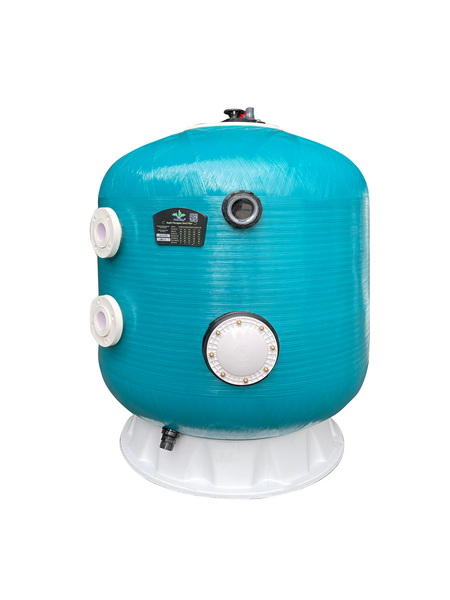
Most owners backwash when the pressure gauge rises about 8–10 psi above the clean starting reading, which often works out to every 1–4 weeks during the swim season. Heavy use, storms, or algae problems may require more frequent backwashing, but over‑backwashing wastes water and is not necessary.[1][2][12]
No, you cannot backwash a Pentair cartridge filter because the design has no reverse‑flow backwash mode. Instead, you must periodically open the tank, remove the cartridges, and clean them with a hose and cleaner until the pressure returns near the clean baseline.[4][11][3]
A DE filter should be backwashed when the pressure rises roughly 8–10 psi above the clean reading or when the flow meter shows a significant drop in flow. Cloudy water or weak return jets even at normal pressure can also signal that the grids are loaded with debris and need backwashing or a full teardown cleaning.[17][5][16]
Backwashing too often wastes water and can reduce filtration efficiency because the sand or DE bed does not build up the ideal dirt layer that helps trap finer particles. Follow the pressure‑rise rule rather than a strict calendar schedule to strike the right balance between clean flow and water conservation.[5][2][3][1]
Backwash water should discharge to an approved waste area such as a sanitary sewer connection, designated drain, or a safe location on your property where it will not return to the pool or damage landscaping. Some local codes restrict discharge of chemically treated water to storm drains, so always check regulations in your area before backwashing.[2][8][12]
Yes, after each DE backwash you must add fresh DE powder through the skimmer so the grids are properly coated and can filter fine particles. The exact amount depends on the filter size and is specified in the Pentair manual, so never guess or operate the filter with no DE.[10][16][5]
[1](https://mrpoolman.com.au/blogs/news/how-to-backwash-a-pool-sand-filter)
[2](https://www.swimuniversity.com/backwash-pool-filter/)
[3](https://aquapoolsupply.com/blogs/news/how-to-backwash-a-pool-with-a-cartridge-filter-the-right-way-to-clean-it)
[4](https://www.reddit.com/r/pools/comments/1ks2j0w/pentair_clean_clear_plus_need_to_backwash/)
[5](https://www.swimmingpool.com/maintenance/pump&filter/how-to-backwash-de-pool-filter/)
[6](https://www.c-m-p.com/wp-content/uploads/2014/02/25831-11x-750-Pentair-Slide-Valve-Instructions.pdf)
[7](https://www.pentair.com/en-us/education-support/water-education-center/pool-and-spa-education/cleaning-and-maintaining-your-pool-filters.html)
[8](https://pinchapenny.com/pool-life/backwash-pool-sand-filter)
[9](https://www.youtube.com/watch?v=5eJPsxB3q_s)
[10](https://www.pentair.com/content/dam/extranet/nam/pentair-pool/residential/filters/fns-plus/manual/fns-plus-vertical-grid-de-filter.pdf)
[11](https://www.youtube.com/watch?v=OYWA07UVMwY)
[12](https://www.youtube.com/watch?v=yA4HcOEOi5I)
[13](https://www.youtube.com/watch?v=8u1SxTotjdA)
[14](https://www.reddit.com/r/pools/comments/14w6g2c/how_do_i_backwash_this_filter/)
[15](https://www.youtube.com/watch?v=rxg8eOKT6TA)
[16](https://www.youtube.com/watch?v=TxhFZYhR5RY)
[17](https://www.youtube.com/watch?v=2lQX2xtG7FE)
[18](https://www.youtube.com/watch?v=Ki0lngZuWMU)
[19](https://www.facebook.com/groups/273395260599363/posts/1277840923488120/)
[20](https://www.pentair.com/content/dam/extranet/nam/pentair-pool/residential/filters/quad-de/manual/quad-de-install-guide.pdf)


