
Views: 222 Author: Tina Publish Time: 2026-01-03 Origin: Site


Content Menu
● How Does Sand Filtration Work?
● Filtration Performance: Clarity and Microns
● Weight, Handling, and Installation
● Operating Pressure, Flow Rate, and Energy Use
● Maintenance: Backwashing, Cleaning, and Lifespan
● Safety, Clogging, and Potential Problems
● Cost Considerations Over Time
● When Filter Balls Are Usually Better
● When Sand May Still Be a Better Choice
● Quick Comparison: Filter Balls vs Sand
● How Many Filter Balls Replace Sand?
● OEM and System Design Perspective
● FAQs About Pool Filter Balls vs Sand
>> 1. Do pool filter balls really filter better than sand?
>> 2. Can I use filter balls in any sand filter?
>> 3. How often do I need to clean or replace filter balls?
>> 4. Are filter balls safe for saltwater pools and pool equipment?
>> 5. How do I convert from sand to filter balls in my existing filter?
>> 6. Are pool filter balls more expensive than sand in the long run?
Pool filter balls can be better than sand in several ways—especially for finer filtration, lighter handling, and lower operating pressure—but sand still wins for low cost, simplicity, and long‑term reliability in large or heavily used pools. The best choice depends on pool size, budget, and how much maintenance and performance a pool owner is willing to manage.[1][2][3][4]
Use the H2/H3 structure below, then place images and videos close to each key concept. For example, show a photo of a sand filter being opened right before a step‑by‑step explanation, or a short video of water clarity “before vs after” switching to filter balls.
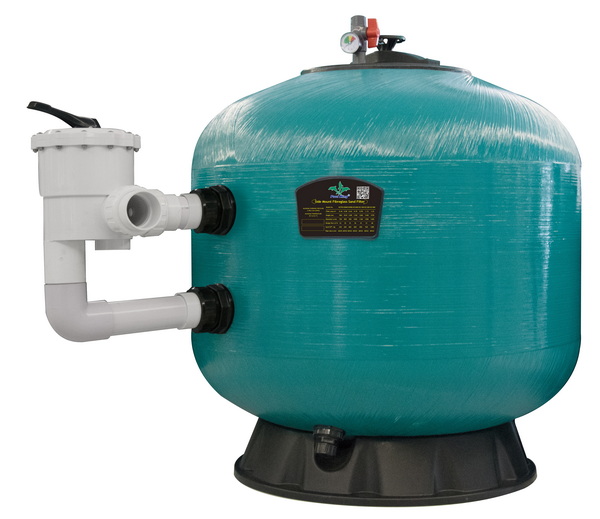
Pool filter balls are synthetic fiber spheres (usually polyethylene) used as a lightweight replacement for traditional silica sand in sand filter housings. They loosely pack together inside the tank and trap dirt as water flows through, performing the same basic job as sand but with a very different structure.[2][3][4]
- Many popular brands claim filtration down to roughly 3–10 microns, which is finer than typical silica sand (about 30–50 microns).[5][1]
- They are reusable: owners can remove, wash, dry, and reinstall them instead of dumping heavy media every few years.[4][2]
Traditional pool filter sand is usually #20 silica with grain size around 0.45–0.55 mm, specially washed so it does not cloud the water. Water enters the top of the tank, flows down through the sand bed, and debris gets trapped in the spaces between grains before clean water exits through laterals at the bottom.[6][3]
- Filter sand is inexpensive, widely available, and compatible with almost all standard sand filter designs.[3][6]
- Under normal residential use, a sand bed generally lasts 4–5 years before performance drops and replacement is recommended.[3]
When people ask whether pool filter balls are “better,” they usually mean “Will my water look clearer?”
- Many manufacturers and retailers promote filter balls as being up to 10 times more efficient than sand, with filtration down to 3–5 microns compared with sand's typical 30–50 micron range.[5][2]
- Some users and brands report noticeably higher flow and lower pressure with filter balls while still refining water to a very clear “polished” look.[1][4]
However, real‑world results can vary:
- If chemistry is poor or the pool has algae, finer media alone will not solve cloudiness problems.
- Very fine filtration can clog faster in dirty or neglected pools, requiring more frequent cleaning of the balls.
One of the biggest advantages of filter balls is how easy they are to handle compared with heavy bags of sand.
- Typical #20 silica sand is sold in 50 lb (22.7 kg) bags, and many residential filters need 100–300 lb or more.[6]
- By contrast, many filter ball products claim that about 1 lb (0.45 kg) of balls can replace 25–100 lb of sand, depending on the brand and fiber density.[7][4][1]
This means:
- Lifting, pouring, and disposing of media becomes dramatically easier for homeowners without special equipment.
- Shipping and storage become simpler, which is valuable for online buyers or OEM customers stocking replacement media.
Because filter balls are very light and loosely packed, they often run at lower system pressure than sand and allow higher flow rates for the same pump.[4][1]
- Lower pressure means the pump does not work as hard, which can translate into reduced energy consumption and quieter operation.[1][4]
- Some brands claim up to 40% reduction in daily energy use in certain setups, especially when paired with optimized run‑time and variable‑speed pumps.[8][1]
However:
- If the pump is oversized or the plumbing is restrictive, pressure gains may be smaller than marketing claims.
- Extremely low pressure readings could also indicate bypass or channeling if the media is not installed correctly.
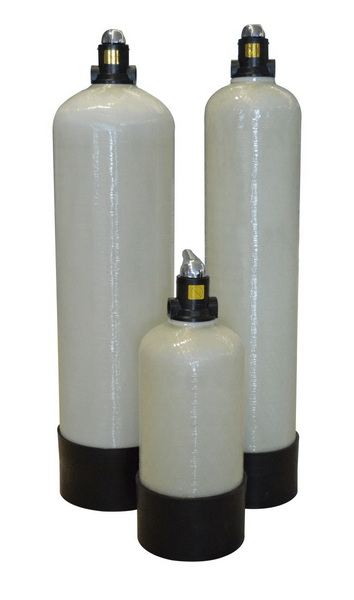
Filter balls and sand differ in how they are cleaned and how long they last.
- Sand is usually cleaned by backwashing (reversing water flow to flush debris out), which wastes water and can affect pool chemistry every time.[9][3]
- Many filter ball products claim up to 90% fewer backwashes because the media can hold more dirt and be rinsed manually or washed in a machine.[2][9]
Common guidelines from suppliers:
- Sand beds are typically replaced every 4–5 years, sometimes sooner in heavy‑use commercial pools.[3]
- Filter balls are often quoted with a 2–4 year service life, but they can last longer if regularly cleaned and not damaged by incompatible chemicals.[2][3]
Filter balls are generally marketed as non‑toxic and safe for use in swimming pool filters, but they are not completely problem‑free.
- Reputable suppliers highlight that the balls are polyethylene, do not abrade laterals, and are compatible with saltwater chlorine systems and standard sanitizers.[2]
- However, some users have reported issues where balls migrate into the valve or return line, clogging the outlet and blocking flow, especially if there are gaps in the laterals or multiport assembly.[10][2]
Additional concerns that come up in user reports and community discussions:
- If balls compress into small spaces inside certain valve designs, they may jam moving parts or reduce proper sealing.[10][2]
- Filter balls are typically not recommended with flocculants, some clarifiers, metal removers, or biguanide systems, as sticky residues can mat the fibers badly.[2]
On initial purchase, filter balls usually cost more per box than a single bag of sand, but the economics are different once weight and lifespan are considered.
- Because 1 small box of filter balls can replace 50–100 lb of sand, owners may buy fewer units and save on shipping, especially online.[4][1][2]
- Reduced backwashing can lower water and chemical costs over the season, which is important in regions with expensive water or drought restrictions.[9][2]
Sand remains very cheap per kilogram and is easily sourced at pool stores and some hardware outlets, making it attractive for budget‑sensitive installations and large commercial filters.[6][3]
For many residential owners, especially with smaller above‑ground pools, filter balls can offer real advantages.
- They are ideal for users who want very clear, “polished” water, lighter handling, and less frequent backwashing.[4][2]
- They suit systems where low operating pressure and higher flow are desired, such as lower‑RPM variable‑speed pump setups focused on energy savings.[8][1]
They are particularly attractive in these scenarios:
- Above‑ground pools with 30–200 lb sand filters.
- DIY owners who find sand replacement physically difficult or live in apartments with limited storage.
- OEM package systems that want to market a “lightweight, eco‑friendly” media option out of the box.
Despite the advantages of filter balls, sand continues to be a solid, proven option in many situations.
- Large in‑ground and commercial pools often rely on sand because of its low cost, simple backwash cycle, and long history of reliable performance.[9][3]
- If local technicians, service companies, or codes are built around sand, staying with silica media may simplify maintenance and support.
Sand may be preferable if:
- The pool sees very heavy bather loads or frequent contamination (waterparks, hotels, public facilities).
- The owner wants the lowest possible media cost and is comfortable lifting heavy bags and backwashing regularly.
- The filter's valve or internal design has known compatibility problems with balls, such as reported jamming in specific multiport models.[10][2]
| Factor | Filter Balls (Media) | Silica Sand (Media) |
|---|---|---|
| Filtration fineness | Often promoted as 3–10 microns, “polishing” effect.facebook+1 | Typical range about 30–50 microns.pool |
| Weight & handling | Extremely light; 1 lb can replace 25–100 lb of sand.intheswim+2 | Heavy 50 lb bags; 100–300 lb+ per filter.poolsuppliescanada |
| Operating pressure | Tends to run at lower pressures and higher flow.intheswim+1 | Moderate pressure; higher resistance as bed gets dirty.youtube |
| Cleaning method | Remove and rinse or machine‑wash; fewer backwashes.99fabyoutube | Frequent backwashing wastes water and chemicals.youtubepool |
| Lifespan (typical) | Often 2–4 years, washable and reusable.99fab+1 | Commonly 4–5 years before replacement.pool |
| Cost picture | Higher unit price, but lighter, fewer boxes, less water loss.intheswim+1 | Lowest cost media; widely available.poolsuppliescanada+1 |
| Common issues | Possible valve/return clogging, chemical incompatibility.facebook+1 | Channeling, clumping, and reduced performance over time.poolyoutube |
| Best suited for | Small–medium residential pools, energy‑saving upgrades.99fab+1 | Large and commercial pools, lowest‑cost setups.pool |
Because this topic often confuses buyers, a short sizing rule is useful in the same article.
- Some brands quote a 1:25 ratio by weight: 1 kg filter balls replacing about 25 kg of sand.[11][7]
- Others quote 1 box (< 2 lb) equaling about 50 lb of normal filter sand, which is roughly a 1:25–1:30 range.[4][2]
A safe general rule for owners converting from sand to filter balls is:
- Check your filter label/manual for the required sand weight (for example, 200 lb).
- Follow the specific ball manufacturer's conversion chart, usually printed on the packaging or product page.
For pool equipment brands and OEM partners, filter balls also influence product positioning and logistics.
- Lightweight media lowers shipping costs and can make complete “filter + media” packages more attractive for e‑commerce and direct‑to‑consumer models.[1][4]
- Marketing a system as using eco‑friendly, reusable media with reduced backwashing supports “green” branding and water‑saving narratives, especially in drought‑sensitive regions.[9][2]
Manufacturers of sand filters, pumps, and LED lighting can:
- Offer dedicated “filter ball‑ready” filter models with optimized internals to prevent migration into valves or laterals.
- Promote system efficiency bundles: variable‑speed pump + filter ball media + LED lighting as a high‑efficiency, low‑energy package.
Pool filter balls are often better than sand for homeowners who value lightweight handling, potentially finer filtration, lower operating pressure, and reduced backwashing, particularly in small to medium‑sized residential pools. Traditional silica sand remains a robust, low‑cost, and simple solution—especially for large or commercial systems, or where service technicians and local practice are built around classic sand filtration. For the best results, pool owners and OEM partners should check filter and valve compatibility, follow the media manufacturer's sizing and chemical guidelines, and match the chosen media to the pump, pool size, and maintenance habits.[6][3][1][9][2][4]
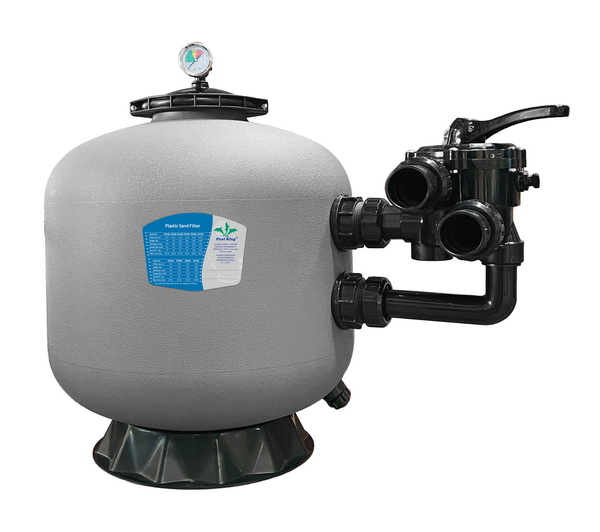
Many suppliers claim that filter balls can capture particles as small as 3–5 microns, while standard pool sand typically filters in the 30–50 micron range. In practice, users often report clearer, more “polished” water with filter balls, provided the pool chemistry is maintained correctly and the balls are cleaned regularly.[12][5][3][1][2]
Most residential sand filter housings accept filter balls, but compatibility depends on internal design, especially the laterals, standpipe, and valve. In some cases, users have reported balls migrating into the multiport or return line, so it is important to follow the media manufacturer's instructions and confirm that your specific filter and valve model are approved for use with fiber media.[10][2]
Suppliers typically state that filter balls can last 2–4 years or more if properly cleaned and not exposed to incompatible chemicals. Instead of frequent backwashing like sand, owners usually remove and rinse the balls periodically or wash them in a machine on a gentle cycle, then dry and reinstall them.[3][9][2]
Most branded filter balls are marketed as non‑toxic polyethylene, suitable for use with saltwater chlorine generators and standard chlorinated pools without damaging laterals or standpipes. The main caution is to avoid certain additives such as flocculants, some clarifiers, and metal removers that can cause the fibers to mat or clog, so checking the product's chemical compatibility list is essential.[2][4]
To convert, owners typically drain and open the filter, remove all old sand, inspect and clean the laterals, then add filter balls according to the manufacturer's conversion chart for the original sand weight. After reassembling the tank and setting the valve to “filter” (or following the suggested rinse procedure), the system can be run as normal while monitoring pressure and water clarity for any needed adjustments.[7][1][9][4]
On a per‑unit basis, filter balls usually cost more than a bag of sand, but a small box often replaces 50–100 lb of sand and is much cheaper to ship. When reduced backwashing, water savings, and possible energy reductions are included, total long‑term costs can be competitive with or even lower than traditional sand for many residential systems, though sand still wins on pure upfront media price.[1][3][9][4][2]
[1](https://intheswim.com/blog/filterballs-a-breakthrough-in-pool-filtration-media.html)
[2](https://99fab.com/blogs/99fab-blog/pool-filter-balls)
[3](https://www.pool.shop/blog/the-different-filter-media-options-and-their-pros-and-cons/)
[4](https://www.thepoolfactory.com/blogs/pool-care/how-many-boxes-of-filtra-balls-to-use-with-your-sand-filter-system)
[5](https://www.facebook.com/groups/637529959937311/posts/2286313988392225/)
[6](https://www.poolsuppliescanada.ca/how-much-sand-does-my-pool-filter-need.html)
[7](https://www.facebook.com/groups/637529959937311/posts/2602500916773529/)
[8](https://www.youtube.com/watch?v=usl5JVWWTrM)
[9](https://www.youtube.com/watch?v=5I45YAHZpG4)
[10](https://www.facebook.com/groups/637529959937311/posts/2610257615997859/)
[11](https://www.youtube.com/watch?v=GL-804ACo50)
[12](https://www.reddit.com/r/pools/comments/16m949u/pool_filter_balls_worse/)
[13](https://www.youtube.com/shorts/pC30tMytrHI)
[14](https://www.reddit.com/r/swimmingpools/comments/te60gv/sand_vs_filter_balls/)
[15](https://www.citywidepoolservice.com/2022/02/03/ways-to-improve-your-pool-filtration/)
[16](https://www.oreateai.com/blog/how-many-pool-filter-balls-do-i-need/efe4e9f6aabdebac0fdaab21c1ab298d)
[17](https://www.facebook.com/swimuniversity/videos/filter-balls-vs-sand-which-ones-better-for-your-pools-sand-filter/1642312296543170/)
[18](https://l5gc.com/3-1lbs-Pool-Filter-Balls-Eco-Friendly-Sand-Replacement-For-445084)
[19](https://www.mvlmlawyers.com.au/488300/Effective-In-Above-Ground-Swimming-Pools)


