
Views: 222 Author: Tina Publish Time: 2026-01-07 Origin: Site


Content Menu
● When You Need to Remove the Impeller
● Step 1: Shut Down Power and Relieve Pressure
● Step 2: Separate the Motor From the Pump Housing
● Step 3: Access the Motor Shaft
● Step 4: Unthread the Impeller
● Step 5: Remove the Old Shaft Seal and Inspect Components
● Step 6: Clean, Reassemble, and Test
● When a Professional Should Remove the Impeller
● FAQs About Removing a Pool Pump Impeller
>> 1. Which way do you turn a pool pump impeller to remove it?
>> 2. Do all impellers have a locking screw?
>> 3. Can you remove a stuck impeller without breaking it?
>> 4. Should the shaft seal always be replaced when removing the impeller?
>> 5. How do you know if the impeller is the reason for low flow?
>> 6. Is it safe to run the pump with the impeller removed?
Removing a pool pump impeller safely is mainly about shutting off power, separating the motor from the wet end, holding the motor shaft still, and then unthreading the impeller without damaging the seal or threads. With good lighting, basic hand tools, and the right precautions, most homeowners and technicians can complete this task in under an hour.[1][2][3]
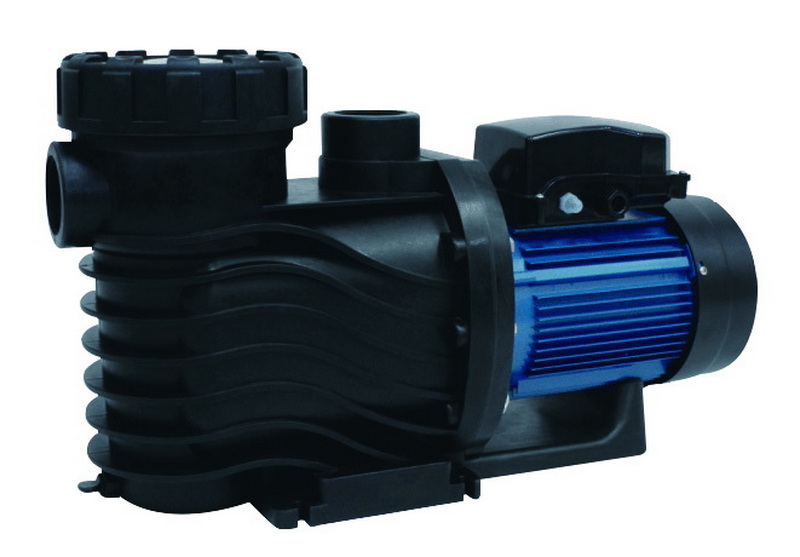
The impeller is the rotating part inside the pump that pulls water from the pool and pushes it through the filter, heater, and return lines. When it is cracked, clogged, or seized on the shaft, you may see low flow, noisy operation, overheating, or frequent pump priming problems.[2][6][7][1]
- In a typical centrifugal pool pump, the impeller threads onto the motor shaft and spins at motor speed to create suction and discharge pressure.[3][1]
- Many common brands (Hayward, Pentair, Jandy, Sta‑Rite, etc.) use left‑to‑right (standard) threads, so the impeller usually removes by turning it counter‑clockwise.[8][1]
Most people only remove the impeller when there is a clear performance or mechanical issue. Understanding the symptoms helps decide whether to service, clean, or replace the part.[7][2]
- Signs that impeller removal may be necessary include humming without pumping water, very weak return jets, cavitation noises, or breakers tripping from a jammed motor.[6][2][7]
- Removal is also required when replacing a worn shaft seal, changing a burned‑out motor, or installing a new OEM impeller with different horsepower or head characteristics.[1][3]
> Visua content ideas: show before/after photos of dirty vs cleaned vs broken impellers, plus a short video comparing normal impeller spin with a seized shaft.[5][3]
Working on a pool pump always starts with electrical and pressure safety so the pump cannot start accidentally or spray water.[2][7]
- Always shut off power at the breaker and verify the pump cannot start from the timer, automation panel, or switch before touching any wiring or rotating parts.[3][7]
- Relieve system pressure by opening the filter's air relief valve and, if needed, loosening the pump lid to break any vacuum in the suction line.[1][3]
Additional preparation steps make the job cleaner and easier.[9][2]
- Close suction and return valves (if available) to prevent water backflow when you open the pump housing.[9][2]
- Take clear photos of the plumbing, electrical connections, and motor label to reference during reassembly or future OEM upgrades.[10][2]
The exact tools depend on pump model and age, but most impeller removals use common hand tools.[3][1]
- Standard tools include Phillips and flat screwdrivers, a nut driver or socket set, a 7/16‑inch (or similar) wrench for the motor shaft, and a strap wrench or large pliers for stubborn impellers.[8][1][3]
- Optional tools like specialized impeller pullers or impeller wrenches make removal easier in tight spaces and reduce the risk of cracking plastic or damaging the shaft.[11][12][13]
This step protects both the technician and the equipment.[7][2]
- Turn off the breaker that feeds the pool pump and confirm that any automatic schedules or remote controls cannot restart the motor.[7][3]
- Open the filter's air bleed and remove the pump lid to release trapped pressure, then drain any water remaining in the pump housing into a suitable area.[2][1]
The impeller is located between the seal plate and the diffuser, so the motor must slide out of the wet end.[1][3]
- Remove the bolts or clamps that secure the motor assembly to the pump housing, then gently pull the motor straight back to avoid bending the shaft or cracking the seal plate.[8][1]
- Lift off the diffuser (the stationary plastic cover over the impeller) by unsnapping clips or removing its small screws, exposing the full impeller face.[1][3]
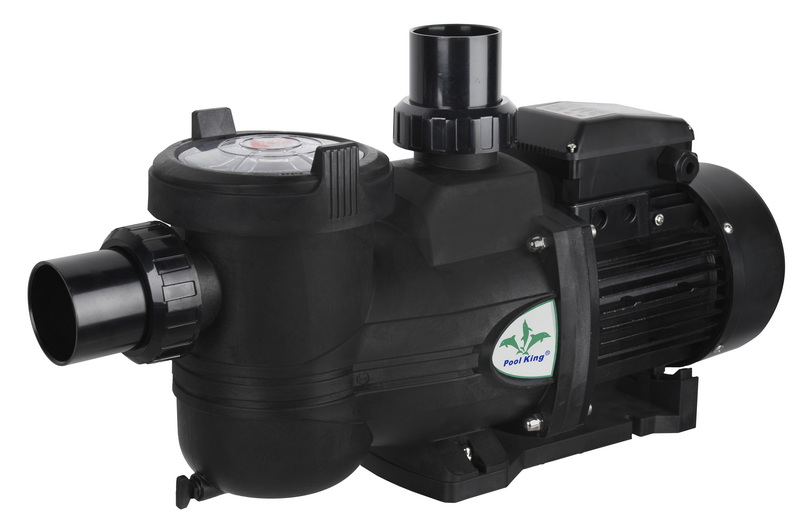
To unthread the impeller, the shaft must be held still at the back of the motor.[3][1]
- Many pool motors have a small rear cover that can be removed to expose either a slotted shaft or a pair of wrench flats where a thin open‑end wrench can grip.[14][3]
- Sometimes the shaft is accessed by moving a capacitor or end‑bell cover out of the way; care is needed to avoid damaging wires or terminals when shifting components.[6][3]
Once the shaft is secured, the impeller can usually be removed by hand.[8][1]
- With the shaft locked from the rear, grip the impeller at the outer vanes and turn it counter‑clockwise to unthread it from the shaft, using a strap wrench if it feels tight.[1][8][3]
- If corrosion or scale has seized the threads, gentle shock with a screwdriver and mallet near the hub (not on the vanes) can help break the bond, but excessive force can crack plastic or damage the shaft seal.[2][8]
With the impeller off, the shaft seal is exposed and should usually be renewed.[3][1]
- The mechanical shaft seal consists of two faces: one pressed into the seal plate and one mounted in the impeller; both should be replaced together whenever the pump is opened this far.[1][3]
- Inspect the impeller for cracks, melted areas, broken vanes, or rounded threads, and check the motor shaft for scoring or rust that could shorten the life of a new seal.[2][1]
After removal or replacement, careful reassembly prevents leaks and vibration.[2][1]
- Reinstall the new seal components in the correct orientation, thread the impeller back onto the shaft by hand until snug, then refit the diffuser, seal plate, and pump housing or clamp.[1][3]
- Once everything is sealed, prime the pump, restore power, and verify that the impeller spins freely, there are no leaks, and flow and pressure are back within normal operating ranges.[6][7][2]
Not every situation is suitable for DIY work, especially if wiring or major mechanical damage is involved.[6][2]
- If the motor is under warranty, severely corroded, or making grinding or electrical burning smells, a certified technician should handle impeller removal and motor replacement.[2][6]
- For commercial pools or high‑horsepower systems, local codes and safety regulations may require licensed professionals to work on pumps and electrical controls.[10][7]
Removing the impeller from a pool pump is a structured process: secure power, open the wet end, hold the shaft, unthread the impeller, service the seal, and then reassemble and test carefully. With proper tools, clear visuals, and adherence to manufacturer instructions, this repair can restore lost performance and extend the life of OEM pumps and filtration systems for residential and commercial pools.[2][3][1]
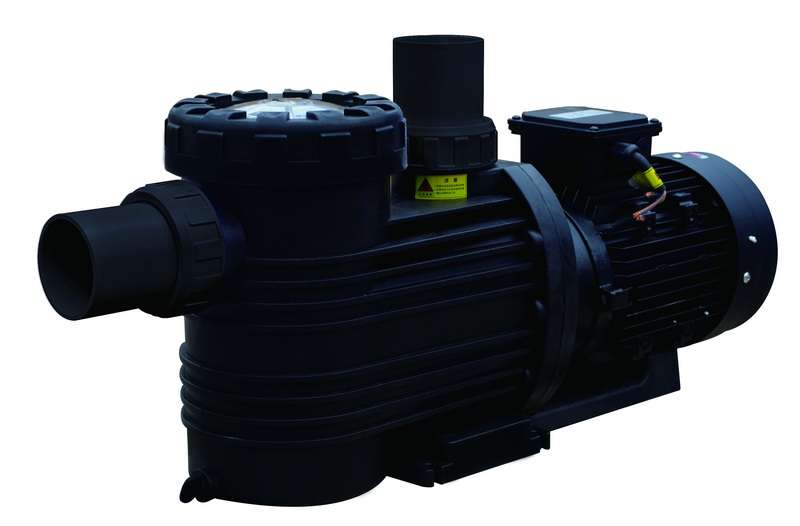
Most standard pool pump impellers unthread counter‑clockwise when viewed from the front, using normal right‑hand threads. However, the safest approach is to confirm in the pump or motor manual, because a few specialty models may differ.[8][1][2]
Many residential pool pumps do not use a separate impeller locking screw and rely only on the threaded shaft connection. If your model uses a screw, it is often a small reverse‑thread fastener that must be removed before attempting to spin the impeller off.[15][3][1]
A stuck impeller can often be freed with penetrating oil on the shaft threads and gentle shock near the hub while the shaft is held still. Special impeller pullers and wrenches also apply even force and reduce the risk of cracking plastic compared with prying with screwdrivers.[13][11][12][8][2]
Most service guides recommend replacing the shaft seal whenever the impeller is removed, especially on older or leaking pumps. Reusing a worn seal can cause immediate drips, corrosion, or premature failure of a new motor or impeller.[3][1][2]
If the pump basket stays full, the pump is fully primed, but the return jets feel weak and pressure is lower than normal, a clogged or damaged impeller is a strong suspect. Opening the wet end and visually inspecting the vanes for debris or wear is the only reliable way to confirm the condition.[7][1][2]
A pool pump must never be powered with the impeller removed or disconnected, because the spinning shaft and exposed seal area create a serious safety hazard. Running without load can also damage the motor bearings and produce abnormal vibration.[9][6][2]
[1](https://www.inyopools.com/HowToPage/how_to_replace_a_pool_pump_impeller.aspx?CommentPage=1)
[2](https://poolpartstogo.com/blogs/articles/installation-and-maintenance-tips-for-pool-pump)
[3](https://www.youtube.com/watch?v=QsbzmB5rpwY)
[4](https://www.youtube.com/watch?v=C41Rp4bkNK4)
[5](https://www.youtube.com/watch?v=4sG2eBEq7PY)
[6](https://sqone.com/blogs/news/pool-pump-maintenance-guide)
[7](https://lesliespool.com/blog/the-ultimate-pool-pump-maintenance-guide.html)
[8](http://coralspringspumprepair.com/cshowtochangemotoronsuper2.html)
[9](https://intheswim.com/blog/pool-pump-maintenance-101.html)
[10](https://www.aquagem.com/news/guidelines-to-pumps-for-swimming-pools)
[11](https://www.youtube.com/watch?v=UVBUbDy_tQs)
[12](https://www.kirissystem.com)
[13](https://smptools.com/smp-impeller-wrench/)
[14](https://www.poolspaforum.com/forum/index.php?%2Ftopic%2F21494-impeller-removal%2F)
[15](https://www.reddit.com/r/swimmingpools/comments/16vhrke/help_on_removing_the_impeller_from_the_pump/)
[16](https://www.perplexity.ai/search/07d0d2a9-4b6b-4162-a15d-88dec44d7419)
[17](https://www.perplexity.ai/search/1fa238ab-3233-46bb-aec4-122c074358c3)
[18](https://www.youtube.com/shorts/AKsHWrWLFeE)
[19](https://www.g-locbrakes.com/itm/Tool-Removes-2-1-4-quot-To-2-9-16-quot-Impellers-For/914452)
[20](https://parts.ilmor.com/shop/cooling/impeller-puller-tool-kit/)
[21](https://www.facebook.com/groups/110936289745387/posts/1258294731676198/)
[22](https://www.poolsupplyunlimited.com/pool/pool-tool-108-impeller-puller/79682p1)


