
Views: 222 Author: Tina Publish Time: 2026-01-06 Origin: Site


Content Menu
● How a Sand Pool Filter Works
● Main Causes of Sand Blowing Back Into the Pool
>> 2. Damaged Standpipe or Internal Hub
>> 3. Wrong Type or Size of Filter Sand
>> 4. Too Much or Too Little Sand in the Tank
>> 5. Multiport Valve or Gasket Problems
>> 6. Filter Channeling and Fouled Sand
>> 7. Operating and Plumbing Mistakes
● Diagnosing Whether It Is Really Sand
● Step‑by‑Step Troubleshooting Checklist
● Related Questions and Answers
>> 1. Why is there sand at the bottom of my pool after backwashing?
>> 2. How often should pool filter sand be replaced?
>> 3. Can I use play sand instead of pool filter sand?
>> 4. Is it dangerous to open a pool sand filter myself?
>> 5. How do I know if my multiport valve gasket is bad?
>> 6. Could a DE or cartridge filter also look like it is blowing sand?
Why a pool filter blows out sand usually comes down to broken internal parts, incorrect sand or sand level, valve problems, or plumbing and operating mistakes. Understanding each cause makes it easier to fix the problem quickly and protect your pump, filter, and pool surfaces.[1][2][3]
Swimming in a pool that feels like a sandy beach is frustrating and can damage equipment over time. This guide explains the main reasons sand ends up back in the pool, how to diagnose each one, and step‑by‑step fixes for sand, D.E., and cartridge systems.[2][3][4][1]
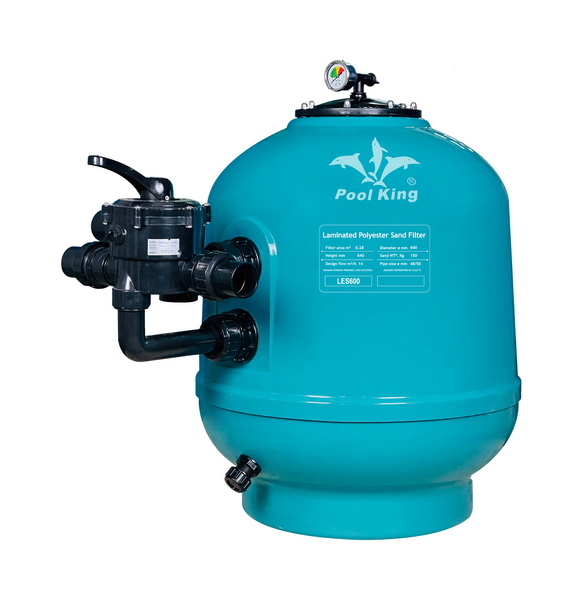
A sand filter is essentially a pressure tank filled with special filter sand that traps dirt as water passes through. Clean water then returns to the pool through slotted plastic arms called laterals at the bottom of the tank.[5][3][1]
- Pool water enters the tank from the top, spreads over the sand bed, and flows downward through the sand layer.[1]
- At the bottom, the water enters the laterals and standpipe, which route clean water back to the pool through the return lines.[3][1]
If any internal component cracks or if the sand bed is wrong or damaged, sand can bypass the filtration process and blow straight into the pool.[2][1]
Laterals are small plastic “fingers” with slots fine enough to let water through while holding sand inside the filter. When one or more laterals crack, sand has a direct path into the return line and back into the pool.[6][3][1]
- Typical signs: noticeable piles or trails of sand directly under one or more return jets.[3][6]
- Common reasons: age, manufacturing defects, freezing damage, over‑tightening, or impact when changing sand.[6][1]
How to fix cracked laterals
1. Turn off power to the pump and close isolation valves.[3]
2. Open the filter tank and remove all sand (a wet/dry vacuum helps).[6]
3. Inspect every lateral carefully for hairline cracks or broken slots; replace all damaged parts.[1][6]
4. Reassemble the lateral hub and standpipe, fill the tank halfway with water, then add the correct quantity and grade of new filter sand.[1][3]
5. Backwash and rinse before returning to normal filter mode.[3]
The standpipe is the central pipe that connects the lateral assembly to the valve on top of the tank. If this pipe or its hub is cracked or not seated properly, sand can bypass the laterals and flow straight into the pool.[6][1][3]
- Symptoms look similar to broken laterals, especially if large amounts of sand appear immediately after start‑up.[1][3]
- Standpipes are thicker and more robust than laterals, so damage is less common but still possible.[1]
How to fix standpipe problems
- Remove sand as above, then inspect the standpipe for splits, crushed sections, or worn connection points.[6][1]
- Replace any damaged hub, standpipe, or o‑rings and ensure the assembly sits straight and centered before refilling with sand.[3][1]
Pool filters are engineered for a specific sand size (commonly labeled as #20 silica sand around 0.45–0.55 mm). Using play sand, masonry sand, or sand that is too fine allows particles to pass through the laterals.[7][3][6]
- Play sand or very fine sand can slip through the slots in the laterals.[7]
- Over time, even correct sand can wear down and become too fine, especially if it has not been changed for many years.[5][7]
How to fix sand media issues
- Verify the manufacturer's recommended sand type and quantity on the filter label or manual.[7][3]
- Completely remove the old media and refill with the specified grade and weight of pool filter sand or approved alternatives like glass media if the manufacturer allows it.[5][7]
The filter must be filled to a specific height; both overfilling and underfilling cause problems.[7][3]
- Too little sand: water can channel straight through, disturb the bed, and carry sand into the laterals.[5][7]
- Too much sand: sand can be pushed into the valve or plumbing and then blown back to the pool.[7][3]
How to correct sand level
- Check the correct sand weight or level on the filter label and compare with what is currently in the tank.[7][3]
- Remove or add sand as necessary, then run a thorough backwash and rinse cycle before filtering.[3]
The multiport valve directs water through different paths (filter, backwash, rinse, waste, recirculate, closed). If the internal “spider” gasket, rotor, or seals are worn or misaligned, water and sand can leak into the wrong ports.[4][7][3]
- A damaged gasket can allow backwash flow, along with sand, to bypass directly into the return line.[7][3]
- Leaving the valve between positions or forcing it with the pump running also damages seals and internal faces.[4]
How to fix valve‑related sand issues
- Turn off the pump, open the valve, and inspect the spider gasket and rotor for cracks, flat spots, or missing sections.[4][3]
- Replace worn gaskets and lubricate o‑rings; if the valve body is cracked or severely scored, replace the entire valve assembly.[3]
Channeling happens when the sand bed becomes clogged with oils, organic material, scale, or polymers so water cuts tunnels through the media instead of flowing evenly. This reduces filtration efficiency and can let dirt or fine particles pass straight back into the pool, sometimes mistaken for sand.[8][5]
- Signs: ridges or “doughnut” formations in the sand bed and bands of debris on top rather than an even layer.[5]
- Causes: high calcium hardness, poor water balance, heavy use of clarifiers/flocculants, and infrequent backwashing.[5]
How to fix channeling
- Use a filter cleaner or chemical purge designed to dissolve oils and scale in sand filters, then backwash thoroughly.[5]
- If the sand is badly scaled or clumped, replace the sand and correct underlying water chemistry problems.[5]
Sometimes the issue is not broken parts, but how the system is operated or plumbed.[9][7]
- Moving the multiport handle while the pump is running can damage internal seals, causing sand and dirty water bypass.[4]
- Incorrect hose or valve positions during backwash can literally send backwash water and sand straight to the pool instead of to waste.[9]
Prevention tips
- Always shut the pump off before changing valve positions.[4]
- Double‑check hose routing and valve positions when backwashing or vacuuming to waste to ensure discharge is not connected back to the pool.[9]
Sometimes what looks like sand is actually dead algae, silt, or D.E. powder from a different type of filter. Ruling this out helps avoid unnecessary disassembly of the sand filter.[10][4]
- Brush the material: if it “dusts” away easily and disappears into a cloud, it is more likely dust or dead algae.[10]
- Scoop and pinch it: real sand feels gritty and will not dissolve or smear when rubbed between your fingers.[10]
D.E. and cartridge filters can also leak fine powder or debris through torn grids, cracked manifolds, or damaged cartridges, which may resemble sandy dust on the floor.[4]
Use this simple process to narrow down the cause when your pool filter is blowing out sand.[6][1][3]
1. Confirm it is sand
- Collect a small sample and check the texture between your fingers.[10][6]
2. Inspect recent changes
- Think about recent sand replacement, equipment work, or valve changes that might have disturbed internals.[3]
- If the issue began right after changing sand or moving the filter, suspect broken laterals or incorrect sand type.[1][3]
3. Check external components
- Verify correct valve position and that the handle is not stuck between settings.[4][3]
- Look for leaks or unusual noises that might indicate internal damage.[4]
4. Open and inspect the filter (if sand persists)
- Power off, relieve pressure, and open the tank.[3]
- Remove the sand and visually inspect laterals, standpipe, and hub.[6][1]
5. Replace damaged parts and media
- Install new laterals, standpipe, or gaskets as needed, then recharge with the correct amount and grade of sand.[1][3]
- Backwash and rinse thoroughly, then switch to filter mode and recheck for sand at the returns.[3]
Some situations justify professional help to protect your equipment and save time.[8][1]
- You have recurring sand in the pool even after replacing laterals, sand, and gaskets.[8]
- The filter tank is old, corroded, or cracked, or you are not comfortable opening a pressurized vessel.[1]
A qualified pool technician can pressure‑test lines, inspect internal plumbing, and recommend whether repair or full replacement of the filter system is more economical.[8][1]
A pool filter that is blowing out sand usually points to broken laterals, a damaged standpipe, incorrect or worn filter sand, valve gasket failure, or severe channeling in the sand bed. By confirming that the material is truly sand, inspecting the internal components, correcting media type and level, and repairing or replacing worn parts, most homeowners can restore clear, sand‑free water and extend the life of their filtration system.[2][7][5][1][3]
Small amounts of sand right after a fresh sand change or backwash can be normal, but piles or constant sand indicate broken laterals, a cracked standpipe, or valve issues. Inspect internal filter parts and the multiport valve if sand continues to appear after several cycles.[1][3]
Many sand filters can run 5–7 years or more with proper backwashing, but replacement may be needed sooner in high‑use pools or where water chemistry causes scale and clumping. If backwash cycles become very frequent or sand feels muddy or clumped, a full sand change is advisable.[5][3]
Play sand is too fine and inconsistent in grain size, so it often passes through laterals and ends up back in the pool. Always use the manufacturer‑specified pool filter sand or approved alternative media for safe, efficient filtration.[7][6][5]
Opening a pressurized filter without relieving pressure can be hazardous because trapped pressure can cause lids or fittings to blow off. Always turn off the pump, close valves, open the air relief, and follow the manufacturer's instructions; call a professional if unsure.[4][3]
Common signs are water or sand leaking to the backwash line in filter mode, mixed flow paths between settings, or sand returning to the pool despite good internals. Opening the valve and finding cracked, flattened, or missing sections of the spider gasket confirms it needs replacement.[7][4][3]
Yes, torn D.E. grids, cracked manifolds, or damaged cartridges can leak fine powder or debris that settles like sand on the pool floor. If you use D.E. or cartridges, inspect grids or cartridges for rips, warping, or incorrect installation before assuming a sand problem.[4]
[1](https://www.angi.com/articles/pool-filter-blowing-sand.htm)
[2](https://poolpartstogo.com/blogs/articles/sand-in-your-pool-here-s-why-and-how-to-fix-it)
[3](https://lesliespool.com/blog/how-to-troubleshoot-the-most-common-sand-pool-filter-problems.html)
[4](https://intheswim.com/blog/pool-filter-troubleshooting-guide.html)
[5](https://blog.orendatech.com/filter-channeling)
[6](https://www.poolsuppliescanada.ca/why-is-there-sand-in-your-pool-and-how-to-remove-it.html)
[7](https://www.youtube.com/watch?v=NQoG2LT17SE)
[8](https://www.poolspaforum.com/forum/index.php?%2Ftopic%2F25843-sand-filter-blowing-dirty-water-back-in-pool-desperate-for-help%2F)
[9](https://www.facebook.com/groups/637529959937311/posts/2562873004069654/)
[10](https://www.reddit.com/r/pools/comments/1dndjxt/sand_at_the_bottom_of_the_pool_my_pool_guy_said_i/)
[11](https://www.youtube.com/watch?v=ZthQfvuMyz8)
[12](https://www.youtube.com/watch?v=WVDWeHh29TU)
[13](https://www.reddit.com/r/swimmingpools/comments/143pccz/i_think_my_sand_filter_is_putting_sand_into_my/)
[14](https://www.facebook.com/groups/273395260599363/posts/1385664659372412/)
[15](https://www.facebook.com/groups/637529959937311/posts/2254817504875207/)


