
Views: 222 Author: Tina Publish Time: 2026-01-06 Origin: Site


Content Menu
● Know your Bestway filter type
● Safety checks before cleaning
● Cleaning a Bestway cartridge filter
>> Deep cleaning with chemical soak
● Cleaning a Bestway sand filter (backwash and rinse)
● How often to clean and when to replace
● Pro tips to keep a Bestway filter cleaner
● FAQs about cleaning a Bestway pool filter
>> Q1. How often should I clean my Bestway pool filter?
>> Q2. Can I use a pressure washer on a Bestway filter cartridge?
>> Q3. How do I know when to replace the cartridge?
>> Q4. How long should I backwash a Bestway sand filter?
>> Q5. Why is my Bestway sand filter running but the pool is still cloudy?
>> Q6. Do I need to turn off the pump before changing valve positions?
How to clean a Bestway pool filter effectively depends on the filter type (cartridge vs. sand), but in all cases you must turn off the pump, open the housing, clean or backwash the media, then restart and check for leaks. Regular weekly cleaning keeps the water clear, extends filter life, and avoids overworking the pump.[1][2][3][4][5][6]
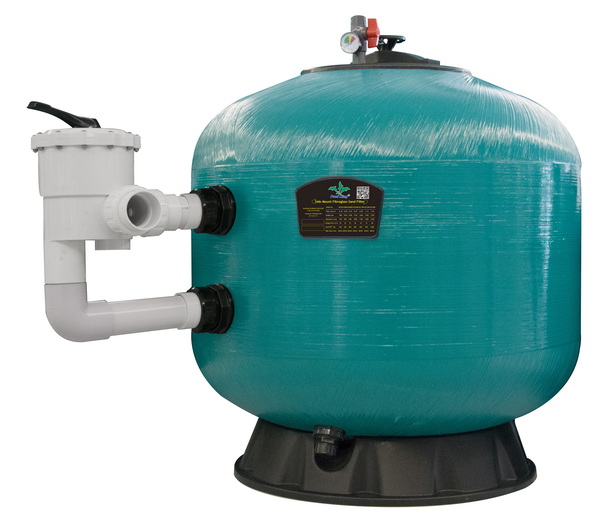
- Cartridge filter: Uses a pleated paper or polyester cartridge inside a plastic housing, usually on smaller Bestway above‑ground pools.[1][2]
- Sand filter: Uses a large tank filled with special pool‑grade silica sand or glass media and a multiport valve with settings like Filter, Backwash, and Rinse.[4][6]
- DE or advanced media: Some systems use diatomaceous earth or proprietary media, but Bestway consumer sets are mainly cartridge or sand, so most homeowners only need those cleaning methods.[6][2]
- Turn off and unplug the pump: Bestway manuals warn never to change valve positions or open housings with the pump running to avoid damage and electric shock.[4][6][1]
- Close inlet/outlet or plug fittings: Many Bestway FAQs recommend plugging pool inlets or using stopper plugs so water does not gush out when you remove the pump or filter.[7][1]
- Release pressure: On larger housings, open any air relief or breather valve before opening the lid so the top comes off safely and easily.[3][6]
Bestway's maintenance guidance and generic cartridge tutorials agree that you should rinse the cartridge regularly (often weekly or after heavy use). Over time, cartridges must also be chemically soaked and eventually replaced when the media deteriorates.[5][8][2][3][1]
1. Turn off and unplug the pump
- Switch the pump off and disconnect power so it cannot start during cleaning.[3][1][4]
2. Isolate the pump from the pool
- Plug the skimmer or inlet and outlet holes, or close any valves if fitted, to avoid losing water while removing the pump.[7][1]
3. Open the filter housing
- Unscrew or unclip the top ring or cap to access the cartridge; Bestway's FAQ describes removing the top ring, taking out the strainer, then lifting the pump away if needed.[1]
- Release any trapped air by slightly loosening the cap before pulling it fully off on larger units.[3]
4. Remove the cartridge
- Pull the pleated cartridge straight up from the housing; a gentle rocking motion helps if it is snug.[3]
5. Rinse the cartridge
- Use a garden hose with moderate pressure at about a 45‑degree angle to wash between the pleats, focusing on embedded debris.[8][3]
- Avoid high‑pressure washers because they can tear or deform the pleats and shorten cartridge life.[3]
6. Optional quick soak
- For dirty cartridges, soak them in a bucket of water mixed with a dedicated cartridge cleaner or mild detergent, then rinse again thoroughly.[9][8][3]
7. Inspect for wear
- Check for crushed pleats, tears, soft spots, or end caps separating; when you see deterioration, Bestway advice is to replace the cartridge, which typically lasts seasons under normal use.[2][8][3]
8. Reassemble and restart
- Put the clean or new cartridge back, reseat the O‑ring, reinstall the cap or clamp securely, remove pool plugs, and restart the pump, checking for drips around the lid.[1][3]
- TSP or cartridge cleaner soak: Generic cartridge guides recommend soaking in a trisodium phosphate (TSP) solution (about 1 cup per 5 gallons of water) or a commercial filter cleaner for several hours or overnight.[5][3]
- Thorough rinse afterward: After soaking, rinse until no bubbles or residue emerge from the pleats, then allow brief draining before reinstalling.[5][3]
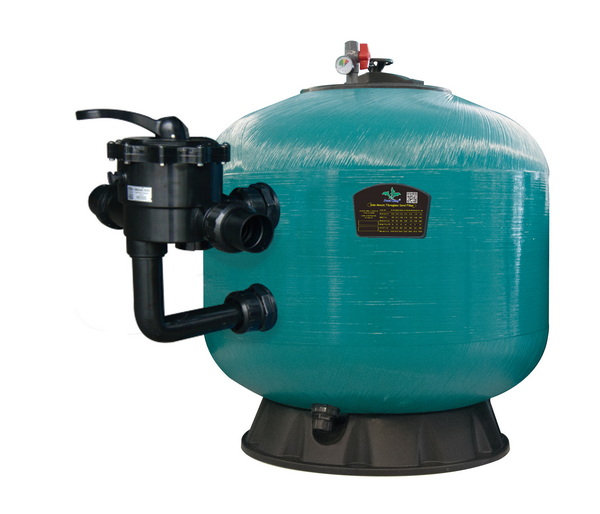
Bestway's sand filter manuals and video guides specify cleaning the sand bed by backwashing, then using the Rinse setting before returning to Filter. This prevents clogging, restores flow, and avoids pushing dirty water back into the pool.[12][6][4]
1. Turn off and unplug the pump
- Bestway instructions emphasize switching the pump off before touching the multiport valve to prevent damage.[6][4]
2. Open the waste or backwash port
- Remove the cap and any rubber gasket from the waste (often labeled Port D) so dirty water can discharge safely to a drain area.[4][6]
3. Set valve to Backwash
- Press down the control handle and rotate to Backwash (symbol with reversed arrows) per the Bestway sand filter manual.[6][4]
4. Run the pump
- Turn the pump on and run Backwash for about 3–5 minutes or until the waste water runs clear, as specified in Bestway documents and tutorials.[4][6]
5. Switch off the pump again
- Turn the pump off before moving the valve to the next position.[6][4]
1. Set valve to Rinse
- Rotate the handle to Rinse (often shown as a droplet icon) to flush and resettle the sand.[13][4][6]
2. Run for about 30–60 seconds
- Bestway's manual suggests around 1 minute of Rinse after backwashing to clear remaining debris and pack the sand bed properly.[13][4][6]
3. Turn off pump and set to Filter
- Move the valve back to Filter (play‑button symbol on many units), reinstall the gasket and cap on the waste port, and tighten them.[4][6]
4. Restart and check flow
- Turn the pump on; you should see stronger return flow and clearer water as the clean sand resumes normal filtration.[14][15][4]
Regular cleaning frequency depends on pool usage, weather, and debris load, but Bestway‑focused maintenance guides offer practical ranges.[16][2][3]
- Cartridge cleaning frequency: Many Bestway and pool care resources recommend rinsing cartridges about once a week during the season, or more often after storms or heavy bather loads.[2][5][3]
- Sand backwash frequency: Backwash when the pressure gauge rises (commonly 7–10 psi above clean pressure) or when flow noticeably drops; many owners end up backwashing every 1–3 weeks.[16][6][4]
- Cartridge replacement: Replace the cartridge when rinsing no longer restores good flow or when the media is cracked or deformed; some last several seasons with proper care.[8][2][3]
- Sand replacement: Bestway sand filters generally need new sand every few years, or sooner if performance stays poor even after correct backwashing.[17][6][4]
- Skim and vacuum regularly: Using a surface skimmer and manual or automatic vacuum reduces the debris load on the filter itself.[18][14]
- Balance pool chemistry: Guides for Bestway pools note that correct sanitizer and pH levels help prevent algae and bio‑film that clog filters.[18][2]
- Use appropriate cleaners only: Some pool owners use dedicated cartridge cleaners or mild detergents, but avoid harsh acids unless recommended for your specific filter and always rinse thoroughly.[9][8][3]
Cleaning a Bestway pool filter involves identifying your filter type, following safety steps, and using the correct method—rinsing cartridges or backwashing and rinsing sand—at regular intervals. With consistent maintenance, proper chemical balance, and timely media replacement, your Bestway system will circulate clear water efficiently all season.[17][2][18][1][6][3][4]
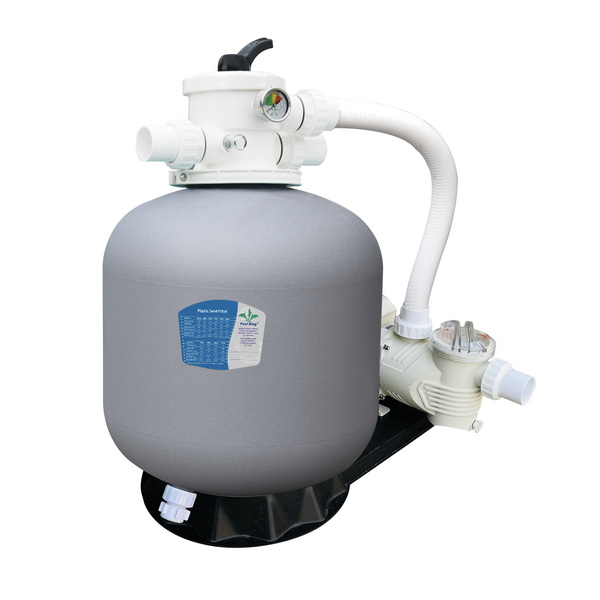
Most Bestway users clean cartridge filters about once a week during the swimming season and backwash sand filters whenever the pressure rises or flow weakens noticeably.[2][16][4]
High‑pressure washers are not recommended, because strong jets can damage the pleats; a regular garden hose with moderate pressure is safer.[3]
Replace the cartridge when it has tears, soft or crushed pleats, or no longer restores good flow even after thorough rinsing and soaking.[8][2][3]
Bestway sand filter manuals typically advise 3–5 minutes of Backwash until the waste water runs clear, followed by about 1 minute on Rinse.[6][4]
Common causes include insufficient backwashing, old or channeled sand, poor water chemistry, or high debris load that overwhelms the filter.[17][18][2]
Yes, Bestway documentation stresses turning the pump off before moving the multiport valve to avoid damaging internal parts and seals.[4][6]
[1](https://bestwayusa.com/faq/pool-maintenance)
[2](https://www.1stdirectpools.com/blog/post/caring-for-your-bestway-pool-a-beginners-guide)
[3](https://www.instructables.com/How-to-Clean-a-Pool-Cartridge-Filter-System/)
[4](https://www.youtube.com/watch?v=DZDflsibD7o)
[5](https://www.youtube.com/watch?v=YHt247GVMVQ)
[6](https://bestwayusa.com/media/pdf_files/58496E_1000GAL_Filter_Pump_2018.pdf)
[7](https://www.facebook.com/groups/637529959937311/posts/2598658497157771/)
[8](https://www.reddit.com/r/pools/comments/17ogtbf/best_way_to_clean_filter_folds/)
[9](https://www.tiktok.com/@bestway.uk/video/7489435307297901847)
[10](https://www.youtube.com/watch?v=84juomyFFqY)
[11](https://www.youtube.com/watch?v=gntbF1w7u6E)
[12](https://www.youtube.com/shorts/yPioVXb-vQA)
[13](https://www.youtube.com/watch?v=id-zD7fbolE)
[14](https://www.youtube.com/watch?v=WMVSF6h9Ago)
[15](https://www.youtube.com/watch?v=wBGcgdjv1nk)
[16](https://www.reddit.com/r/pools/comments/1equkna/how_long_do_you_run_backwash_on_your_sand_filter/)
[17](https://www.facebook.com/groups/637529959937311/posts/2581955312161423/)
[18](https://www.youtube.com/playlist?list=PLrAiseXPXb1eO6nYvhXVvcD_8IJA2BNTU)
[19](https://www.tiktok.com/@ericaburnette0/video/7385320721259564334)


