
Views: 222 Author: Tina Publish Time: 2025-12-03 Origin: Site


Content Menu
● Is Pool Filter Sand Safe for Aquariums?
● Pros of Using Pool Filter Sand in an Aquarium
● Cons and Risks of Pool Filter Sand in Aquariums
● How to Choose Aquarium-Safe Pool Filter Sand
● How to Prepare Pool Filter Sand Before Adding It to a Tank
● Using Pool Filter Sand with Plants and Bottom Dwellers
● Maintenance Tips When Using Pool Filter Sand
● Alternatives to Pool Filter Sand for Aquariums
● Where Pool Filter Sand Fits Into Pool & Aquarium Equipment
● FAQs
>> 1. Is all pool filter sand safe for aquariums?
>> 2. Do you need to rinse pool filter sand before putting it in a tank?
>> 3. Will pool filter sand change my aquarium's pH or hardness?
>> 4. Is pool filter sand good for planted aquariums?
>> 5. How deep should pool filter sand be in an aquarium?
>> 6. Can pool filter sand damage aquarium filters?
>> 7. What are the best alternatives to pool filter sand?
Using pool filter sand in an aquarium is possible and very popular among fishkeepers, but it must be the right type of sand, thoroughly rinsed, and used with proper maintenance practices to keep fish and plants safe.[1][2][3]
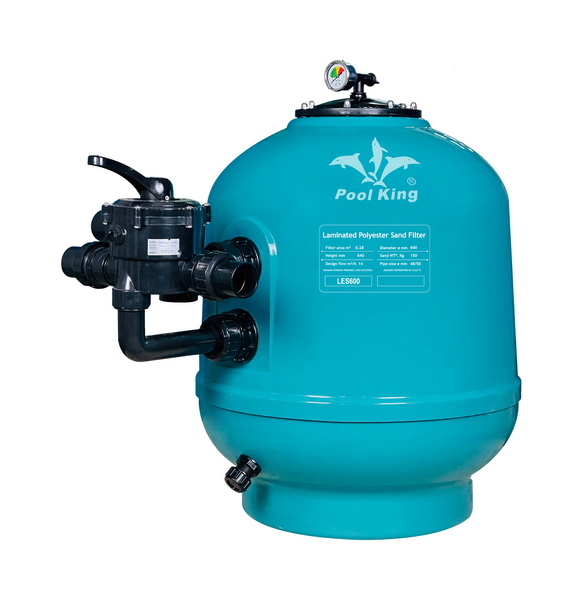
Pool filter sand is a specially graded sand used inside swimming pool sand filters to trap debris as water passes through the filter tank. It is typically uniform in grain size, fairly heavy, and designed to compact enough to capture fine particles without easily washing out.[3][4][5]
Most pool filter sands are made from sharp-edged silica or quartz grains in the 0.4–0.8 mm range, although some brands use glass or zeolite media as an alternative. These sands are inexpensive compared with branded aquarium substrates and are sold in large 20–50 kg bags for use in swimming pool filtration systems.[6][7][8][5]
Pool filter sand can be safe for freshwater aquariums when it is pure, inert (non-calcium-based), and free from added chemicals such as algaecides or clarifiers. Hobbyists and reviewers often report long-term success using clean silica pool sand in community tanks, cichlid tanks, and planted aquariums.[2][7][9][10][1]
However, not every bag labeled “pool filter sand” is automatically aquarium-safe; some products may contain additives or altered compositions, so checking the label for “silica sand only,” “no additives,” and “pool filter media” is important before use. If there is any doubt, contacting the manufacturer or choosing a known aquarium brand is safer for sensitive species.[9][10][5][6]
Pool filter sand offers several advantages that make it attractive for aquarium hobbyists:[7][8]
- It is much cheaper per kilogram than most aquarium-branded sand, making it ideal for large tanks or deep substrates.[8][7]
- The grain size is usually coarser than play sand, so it resists extreme compaction and allows somewhat better water movement through the substrate.[4][3]
- Its light, clean appearance can brighten an aquarium, highlight fish colors, and create a natural riverbed or beach look.[11][7]
- Many bottom-dwelling fish such as loaches and cichlids enjoy sifting pool filter sand, as long as the grains are not excessively sharp and the bed is kept clean.[2][9]
Despite its benefits, pool filter sand has some drawbacks when used as aquarium substrate. One frequent complaint is that detritus and fish waste can clump inside the compact sand layer, making it hard to vacuum and resulting in an untidy or patchy look over time.[12][9][4]
Another issue is that fine sand grains may get drawn into filter intakes and damage impellers, especially on hang-on-back filters without pre-filters or sponges on the intake. If the sand layer is deep and not stirred, tightly packed grains can also encourage anaerobic pockets where toxic gases form, especially in low-flow tanks.[12][3][4]
When selecting pool filter sand for aquarium use, buyers should pay attention to composition, grain size, and labeling. A pure silica sand with medium grain size (around 0.4–1.0 mm) is often recommended because it is heavy enough to stay in place but not so fine that it behaves like powder.[6][9]
Aquarists should avoid sands labeled with added chemicals, “treated” media, or mixed mineral contents that may raise water hardness or pH unexpectedly. If possible, checking reviews from other fishkeepers or aquarium forums for a specific brand—such as HTH, Aquaquartz, or similar—helps confirm that the product has been used safely in tanks.[13][10][5][11]
Thorough rinsing is essential before using pool filter sand in an aquarium to remove dust and fine particles that can cause cloudy water. A typical method is to add a few liters of sand into a bucket, run water through it while stirring vigorously, and pour off the dirty water repeatedly until it runs clear.[1][3][12]
After rinsing, spreading the sand evenly in the tank to the desired depth (often 3–6 cm for standard aquariums) and filling the tank slowly—using a plate or plastic bag to break the water flow—helps prevent sand storms and cloudiness. Allowing the filter to run for several hours to a day will usually polish the water and remove remaining fine particles.[3][7][12]
Pool filter sand can support rooted plants when combined with root tabs or a nutrient-rich underlayer, because the sand itself is chemically inert and contains little nutrition. Medium-grain silica allows plant roots to spread, but very compact or ultra-fine sand can restrict growth and create oxygen-poor zones around roots.[14][8][3]
For bottom-dwelling fish and invertebrates, it is important to ensure the sand grains are not overly sharp or rough; many aquarists report successful long-term use with corydoras, loaches, crayfish, and similar species on well-rinsed pool sand. Regular, gentle vacuuming of the surface and occasional stirring in open areas help keep the top layer clean and comfortable for these fish.[9][4][2][12]
Maintaining an aquarium with pool filter sand requires slightly different techniques than gravel. During water changes, using a siphon to hover just above the sand surface removes debris without sucking up large amounts of substrate, and any sand accidentally taken up can be rinsed and returned.[4][12][3]
Adding a sponge pre-filter on the intake of hang-on-back or canister filters helps prevent sand grains from entering and scratching the impeller, reducing noise and extending filter life. In tanks with low water movement, occasional manual stirring of open sand areas or the presence of sand-sifting fish can prevent detritus layering and anaerobic spots.[12][3][4]
For aquarists who are unsure about using pool filter sand, several substrate alternatives are available. Play sand is one cheap option, but it is usually much finer and heavier, which can cause more compaction and make it harder to clean in deep beds.[15][16][3][4]
Specialized aquarium sands and gravels are formulated specifically for fish and plants, often with smoother grains, pre-rinsing, or added nutrients—but they are more expensive per kilogram. Other options include fine gravel, aragonite sand for hard-water or marine setups, and plant-specific substrates that boost root nutrition and buffering capacity.[5][7][11][8]
Pool filter sand is engineered primarily for pressure filters in swimming pools, where water is forced downward through a compact bed to capture dirt and algae. In this environment, the sand must withstand high flow, repeated backwashing, and years of mechanical wear without breaking down too quickly.[5][6][4]
Factories that manufacture high-end sand filters and filtration systems can supply consistent, well-graded media that also appeals to aquarium hobbyists who want cost-effective, clean-looking substrate. When combined with efficient pumps, valves, and LED lighting, this filtration expertise can support both pool and aquarium applications in residential and commercial projects.[17]
Pool filter sand can be an excellent, low-cost substrate choice for many freshwater aquariums when the sand is pure silica or inert glass, thoroughly rinsed, and used with proper filtration and maintenance practices. While it offers attractive appearance and good usability for sand-sifting fish, aquarists must watch for detritus buildup, potential compaction, and filter protection to avoid long-term issues. For hobbyists and professionals who already rely on sand filtration in swimming pools, quality pool filter sand represents a practical bridge between pool technology and aquarium aesthetics.[6][7][17][1][12][4]
Not all pool filter sand is automatically aquarium-safe; only pure, additive-free silica or glass sand without algaecides or chemical treatments should be used in fish tanks. Always check product labels and, if possible, confirm through hobbyist reviews that a specific brand has been used successfully in aquariums.[10][13][9][11]
Yes, thorough rinsing is necessary to remove dust and very fine particles that would otherwise cloud the water or clog filters. Many aquarists recommend rinsing small batches in a bucket until the overflow water turns clear before adding the sand to the aquarium.[1][12][3]
Most silica-based pool filter sand is chemically inert and does not significantly affect pH or hardness in freshwater setups. However, calcium-based or specialty media can raise hardness, so verifying composition and avoiding sands designed to alter water chemistry is important.[10][8][5][6]
Pool filter sand can work for planted tanks if plants receive nutrients from root tabs or a fertile layer beneath the sand, because the sand itself contains little nutrition. Choosing a medium grain size and avoiding excessively deep, compact beds will help roots breathe and reduce the risk of anaerobic zones.[14][8][3]
For most community aquariums, a depth of about 3–6 cm provides enough coverage for roots and digging behavior without causing severe compaction. Very deep sand beds require more careful management, including stirring, strong water circulation, or sand-sifting species to prevent trapped gases.[12][3][4]
If fine grains are sucked into filter intakes, they can scratch impellers and reduce filter performance over time. Adding a sponge pre-filter or guard to the intake and avoiding strong direct flow near the sand surface helps keep sand out of the filter.[3][12]
Common alternatives include play sand, aquarium-branded sands, fine gravels, and plant-specific substrates with added nutrients. Play sand is cheap but often too fine and compacting, whereas aquarium sands and specialty substrates provide better performance at a higher cost.[16][15][7][3]
[1](https://www.homedepot.com/p/reviews/Quikrete-50-lb-Pool-Filter-Sand-115350/202314677/1)
[2](https://www.reddit.com/r/Aquariums/comments/su4shi/pool_filter_sand_for_substrate/)
[3](https://www.youtube.com/watch?v=p4SRRLHiKBs)
[4](https://www.youtube.com/watch?v=-0x7bGhi3Ns)
[5](https://www.reef2reef.com/threads/pool-filter-sand-vs-live-sand.316812/)
[6](https://forum.aquariumcoop.com/topic/25031-pool-filter-sand-types-silica-vs-glass/)
[7](https://www.youtube.com/watch?v=S3_rtdcGZ1w)
[8](https://www.tropicalaquarium.co.za/threads/pool-filter-sand-or-silica-sand-as-substrate.5801/)
[9](https://www.reddit.com/r/Aquariums/comments/jajdj5/pool_filter_sandsilica_sand/)
[10](https://www.reddit.com/r/Aquariums/comments/17ljx40/pool_filter_sand_as_a_substitute/)
[11](https://www.monsterfishkeepers.com/forums/threads/side-by-side-pics-of-hth-vs-palmetto-vs-aquaquartz-pool-filter-sand.752885/)
[12](https://www.youtube.com/watch?v=7qHbQNvRq1Q)
[13](https://www.facebook.com/groups/379120905458325/posts/9715382358498753/)
[14](https://forum.aquariumcoop.com/topic/6126-pool-filter-sand-or-play-sand-substrate-for-planted-tanks/)
[15](https://www.facebook.com/groups/379120905458325/posts/23868687399408345/)
[16](https://www.youtube.com/watch?v=_KotNmq55xw)
[17](https://www.poolkingfilter.com/news/Aquarium-Safe-Sand-Alternatives.html)
[18](https://www.monsterfishkeepers.com/forums/threads/pool-filter-sand-warning.124860/)


