
Views: 222 Author: Tina Publish Time: 2025-09-14 Origin: Site


Content Menu
● Understanding Pool Pump Pressure
>> What Is Pool Pump Pressure?
>> Why Is Pump Pressure Important?
● Normal Pool Pump Pressure Range
● Factors Affecting Pool Pump Pressure
>> Pump and Plumbing Configuration
>> Environmental and Water Quality Factors
● Diagnosing High and Low Pool Pump Pressure
● Advanced Troubleshooting & OEM Considerations
>> Inappropriate Pump Selection
● Maintenance Tips for Consistent Pressure
● Real-world Applications for Pool Professionals & OEM Buyers
● Frequently Asked Questions (FAQ)
>> 1. Why does my pool pump pressure keep rising?
>> 2. What happens if my pool pump pressure is too low?
>> 3. How often should I check my pool pump pressure?
>> 4. Can the wrong pump size affect pressure?
>> 5. What is the normal pressure for a sand filter?
Maintaining the right pool pump pressure is essential for proper water circulation, sparkling clean water, and the longevity of filtration equipment. For B2B buyers, OEM partners, and pool professionals, understanding optimal pressure, troubleshooting common issues, and leveraging advanced filtration technologies can ensure reliable performance and customer satisfaction.[2][3]
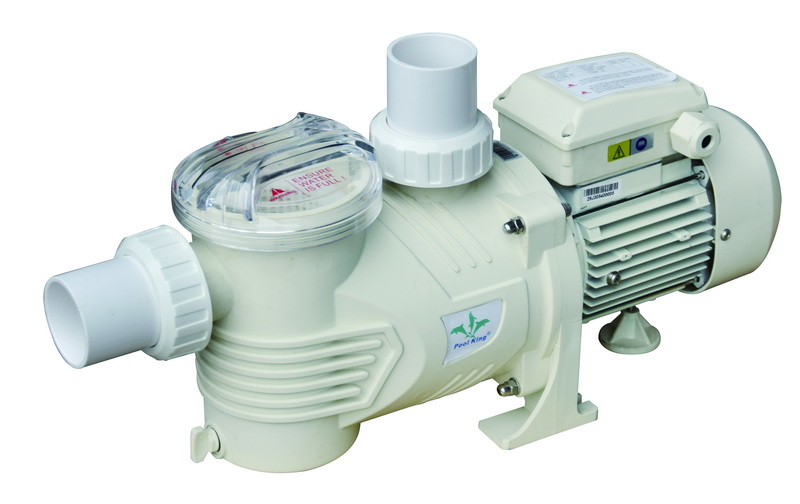
Pool pump pressure represents the force with which water is pushed through your pool's filtration setup, measured in PSI. A correct pressure ensures strong water flow, effective filtration, and prevents strain or damage to the pump motor and filter tank.[3][4][2]
- Ensures debris and contaminants are filtered efficiently.[3]
- Prevents premature filter or pump wear due to excessive pressure.[2]
- Alerts operators to clogs, leaks, or malfunctions through deviation from normal PSI ranges.[1]
For most commercial and residential swimming pools:
- Ideal pressure: 10–20 PSI[4][1][2]
- Some systems, depending on filter size and pump, may operate safely from 10 to 25 PSI[5][6]
- Always verify with manufacturer documentation for your specific equipment and system design[4][1][2]
To determine what "normal" means for your installation:
1. Record the pressure gauge reading after filter installation and thorough cleaning/backwashing.[5][2]
2. Note the PSI when the system is operating with a clean filter and clean pool water.
3. Use this reading as your reference baseline.
- Larger pools require higher pressure for effective circulation.[1]
- Pools with long or complex plumbing layouts may exhibit higher resistance and thus higher PSI.[2][1]
- Sand filters, DE filters, and cartridge filters all have unique pressure profiles.[1][2]
- Condition of filter media (sand, DE, cartridge) influences resistance and thus pressure.[5][2]
- Match pump horsepower to filter specifications to avoid excess strain or inefficiency.[2]
- Clean, unobstructed plumbing keeps pressure stable; blockages in pipes, skimmers, or baskets cause deviations.[1][2]
- Extreme temperatures, chemical imbalance, or heavy debris loads can affect pressure readings.[6][3]
Indicators:
- Pressure gauge reads 5–10 PSI above baseline.[7][2]
- Water flow may be reduced or forceful at pool returns.
Common Causes:
- Clogged filter media (sand, DE, cartridge).[8][2]
- Closed or partially closed return valves.[2]
- Lime scale or debris buildup in heater or pipes.[2]
- Broken filter internals.[2]
Solutions:
- Perform thorough cleaning or backwash of the filter.
- Inspect and open all return-side valves.
- Check for internal damage and replace broken components.
Indicators:
- Pressure reads 5 PSI or more below baseline.[8][7]
- Water flow is weak; skimmers may not draw effectively.
Common Causes:
- Blockage *before* the pump: clogged skimmer or pump basket, impeller obstruction.[7][8]
- Leaks in intake side plumbing or loose pump lid/valves.[9][8][7]
- Inadequate water levels in pool or skimmer.[9]
Solutions:
- Clean skimmer and pump baskets.
- Clear debris from impeller; inspect and repair leaks.
- Ensure proper water level and functional valves.
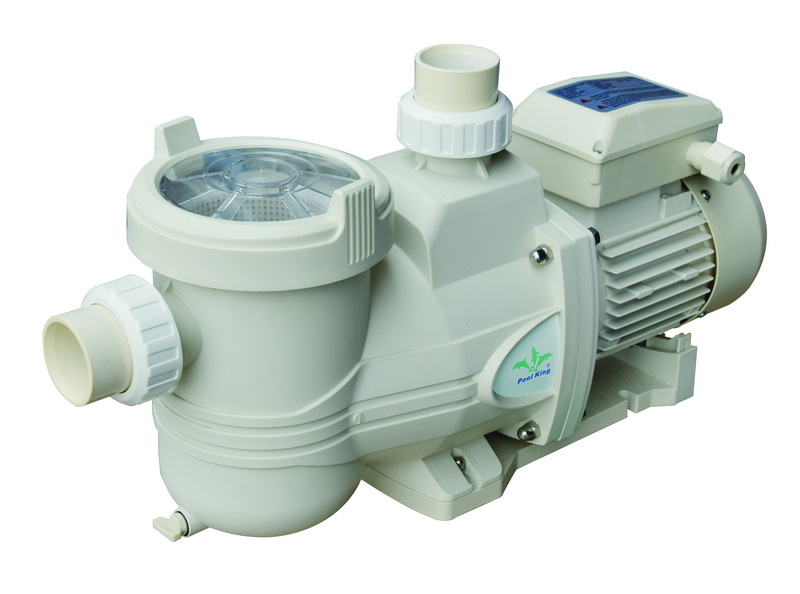
- Dirty filters and improper matching of pump and filter sizes lead to motor strain.[8]
- Regular maintenance and sizing reviews prevent burnout.
- Loose lids, cracked pipes, or defective O-rings introduce air, lowering performance.[9][8]
- Bleed air via air relief valve near the filter gauge.[9]
- Using pumps that are too powerful or underpowered for the application results in inefficiency and potential system damage.[8]
- Consult OEM guidelines or work with manufacturers specializing in automated finishing, sand filter, and pump systems.
- Check pressure gauge weekly and note any variations.[5]
- Clean or backwash filters as soon as pressure rises 5–10 PSI above baseline.[2]
- Regularly inspect and clean skimmer and pump baskets.[8][2]
- Replace old or damaged filter media and pump components promptly.[8]
- Maintain proper water chemistry and levels for optimal filtration.[6][3]
As a leading Chinese pool equipment manufacturer, leveraging smart automation for sand filter production and pump assembly, our products are engineered for stable PSI, energy efficiency, and reliability. For foreign brands, wholesalers, and manufacturers, specifying ideal pressure ranges during purchase ensures OEM solutions match global standards and local needs.[3][2]
Proper pool pump pressure—ideally between 10–20 PSI—is the cornerstone of reliable pool operation and sparkling clean water. By establishing a specific PSI baseline, routinely monitoring the gauge, and troubleshooting both high and low readings, pool owners, facility operators, and OEM buyers ensure the longevity and efficiency of pump and filter systems. Investing in modern, automated manufacturing and premium filtration solutions further secures optimal pressure, minimal downtime, and superior swimming experiences.[4][3][5][1][2]
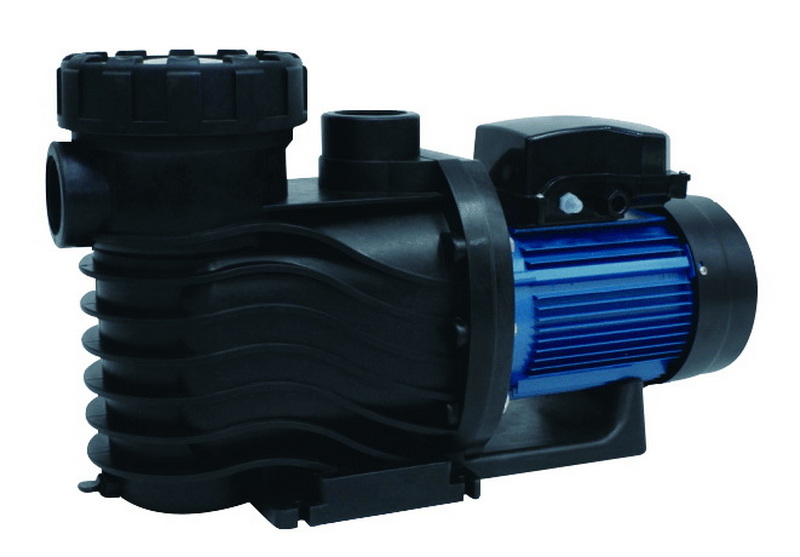
A steadily rising pressure usually means the filter media is clogged with debris, oils, or minerals; clean or backwash the filter promptly and inspect for return valve blockages and heating element scale.[8][2]
Low pressure may result in poor water circulation and cloudy water due to obstructions in the skimmer, pump basket, or intake pipes, or air leaks; check for clogs, ensure tight seals, and inspect water levels.[7][9][8]
Check weekly as part of regular maintenance; record readings and clean/replace filter media when PSI rises 5–10 above baseline or falls 5 below normal.[5][2]
Yes; pumps too strong or weak for the pool create inefficiencies, excess wear, and unstable PSI; always match pump and filter size to your pool per OEM/manufacturer guidelines.[8][2]
For sand filters, the ideal pressure is typically 10–20 PSI, but always verify for your exact model and installation specifications.[4][1][2]
[1](https://nexusengineering.com.pk/learn-what-should-pool-pump-pressure-be-a-guide-to-understanding-appropriate-pool-pump-pressure/)
[2](https://tameson.com/pages/pool-filter-pressure-gauge)
[3](https://beatbot.com/blogs/pool-care-solutions/increasing-pool-pump-pressure-a-guide-to-identifying-and-solving-pressure-issues)
[4](https://www.poolking.co/a-news-what-pressure-should-my-pool-filter-read.html)
[5](https://www.swimuniversity.com/pool-filter-pressure-gauge/)
[6](https://www.maygopool.com/n1882200/How-to-Increase-Pool-Pump-Pressure.htm)
[7](https://www.thepoolbutler.net/resource/how-to-deal-with-pool-filter-pressure-problems/)
[8](https://pooltroopers.com/blog/common-reasons-why-a-pool-motor-may-fail-early/)
[9](https://www.youtube.com/watch?v=KS8QpFBdc4Q)
[10](https://www.swimmingpool.com/maintenance/pump&filter/guide-to-filter-pressure-gauges/)
[11](https://www.youtube.com/watch?v=3n4zQvMOFJQ)
[12](https://www.astralpool.com.au/pool-and-spa-guides/pool-professional-faqs)
[13](https://emauxgroup.com/support/faq/)
[14](https://www.reddit.com/r/pools/comments/1h0j4ht/ideal_pressure/)
[15](https://mrpoolman.com.au/blogs/news/diagnosing-and-fixing-pool-filter-pressure-problems)
[16](https://au.hayward.com/amasty-faq-home-page)
[17](https://justwaterpumps.com.au/pool-pump-guide/)
[18](https://lesliespool.com/blog/pool-pump-troubleshooting-guide.html)
[19](https://www.simacanada.ca/en/is-your-pool-losing-pressure-heres-how-to-spot-it-and-fix-it-fast)
[20](https://diy.inyopools.com/article/boost-your-pool-pump-pressure-effective-tips-and-tricks/)


