
Views: 222 Author: Tina Publish Time: 2025-09-14 Origin: Site


Content Menu
● Understanding Pool Pump Pressure
● Why Pool Pump Pressure Matters
● The Role of the Pressure Gauge
● What Is the “Normal” Pool Pump Pressure?
● Factors That Influence Pool Pump Pressure
● Monitoring and Maintaining Ideal Pool Pump Pressure
>> Step-by-Step Monitoring Guide
>> Maintenance Routines for Consistent Pressure
● Diagnosing High and Low Pressure
>> High Pressure Symptoms & Solutions
>> Low Pressure Symptoms & Solutions
● Advanced Pressure Troubleshooting for OEMs & Commercial Operators
● Tips for Reliable and Efficient Pool Operation
● Pool Pump Pressure and Water Chemistry
● Upgrade and Retrofit Options
>> 1. Why does my pool filter pressure rise rapidly after cleaning?
>> 2. What happens if I ignore high filter pressure?
>> 3. Is low pressure better for my pool system?
>> 4. Do digital pressure gauges offer significant benefits?
>> 5. How often should “clean pressure” be recorded?
Pool maintenance is a blend of art and science, but at its heart, a swimming pool is only as healthy as its filtration system. The pool pump and its pressure regulation play a pivotal role in keeping water sparkling, safe, and inviting. Whether managing a backyard oasis or a commercial aquatic facility, understanding and maintaining correct pool pump pressure is critical for equipment longevity, energy efficiency, and water quality. This guide provides an in-depth look into what pressure your pool pump should be, why it matters, how to monitor and adjust it, and what to do when things go wrong.[1][3][7][11][12][13][14][15]
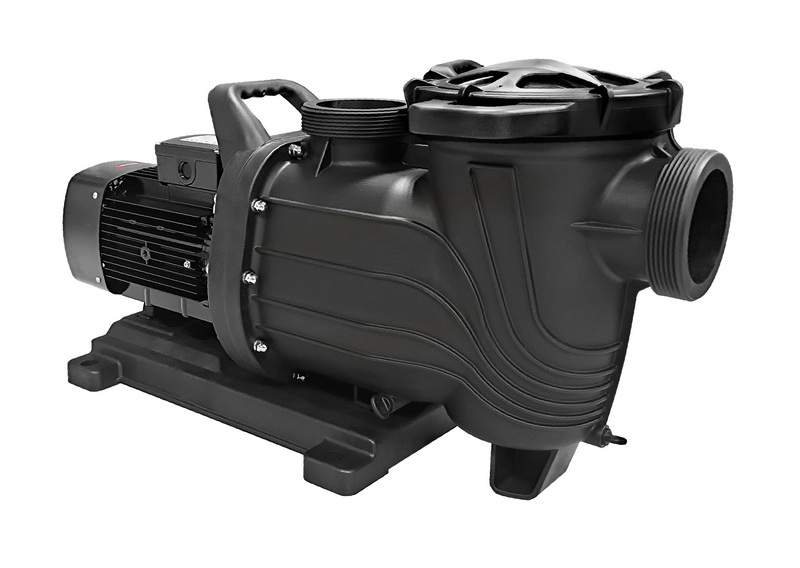
Pool pump pressure, measured in pounds per square inch (psi), is the force exerted as water circulates from the pool, through the pump, into the filter, and back via return jets. This pressure directly affects how efficiently the filter can remove contaminants and debris.
Each pool system's “normal” operating pressure will depend on factors like the size and type of the filter, pool size, pump power, number of plumbing bends, and equipment elevation. However, for most residential pools, the ideal range generally falls between 10–20 psi, though it's common for some systems to operate as low as 8 psi and as high as 25 psi, depending on specific configuration.[3][7][11][13][1]
Optimal pressure ensures correct flow velocity for filtration. Too low, and water turns stagnant, leading to bacterial growth and algae blooms; too high, and the system risks damage and inefficiency.
- High pressure means restricted flow, usually from clogs, dirty filters, closed valves, or undersized plumbing. Prolonged high pressure can rupture filters or damage pumps.[14][1]
- Low pressure often points to suction leaks, low water levels, or clogged skimmer baskets, reducing the filter's ability to clean effectively.[5][3]
Pressure gauges are standard equipment on pool filters, usually ranging from 0 to 60 psi—well above normal operating values for safety. This gauge serves as an on-the-spot diagnostic tool to help identify when to clean or backwash the filter, when to inspect for blockages, or when there's a mechanical failure.[7][13][14]
How To Read a Pool Pressure Gauge:
- Locate the gauge: It's typically mounted on top of the filter.
- Take the reading: With the pump running and system primed, note where the needle points.
- Determine baseline (“clean pressure”): This is the reading immediately after a thorough filter cleaning or backwashing; write this value on the filter with permanent marker for easy future reference.[3][7]
There is no universal “normal” pressure; it depends on your unique system. The clean baseline pressure, recorded after thorough cleaning, is what matters most. Clean pressures for common systems are typically:
| Filter Type | Normal Clean Pressure (psi) | Service/Clean Threshold |
|---|---|---|
| Sand Filter | 10–15 | Backwash when 7–10 psi over baseline |
| Cartridge | 10–15 | Clean when 7 psi over baseline |
| DE Filter | 10–15 | Backwash/clean when 5–10 psi over |
- Never operate above 30 psi - this is the danger threshold for most residential and commercial filters and may cause catastrophic failure.[7][3]
1. Filter Type and Condition:
- Clean filters present less resistance, keeping pressure low.
- Dirty or clogged filters increase resistance and raise pressure.[12][14][3]
2. Water Flow Restrictions:
- Partially closed valves, blocked returns, or small diameter plumbing increase pressure.
- Too many 90-degree bends or excessively long plumbing runs can cause issues.
3. Pump Size and Health:
- Oversized pumps force water too rapidly, boosting pressure beyond design; undersized pumps won't generate enough.[13][5]
4. Pool Water Level:
- Low water introduces air into the system, causing cavitation, bubbles in the pump, and erratic low pressure.
5. Plumbing Leaks or Air Intrusion:
- Suction-side leaks, often from cracked pump lids or old gaskets, sap suction power and drop pressure.
6. System Upgrades and Modifications:
- New heaters, chlorinators, water features, or any major plumbing work reset your baseline—re-record clean filter pressure after upgrades.[3]
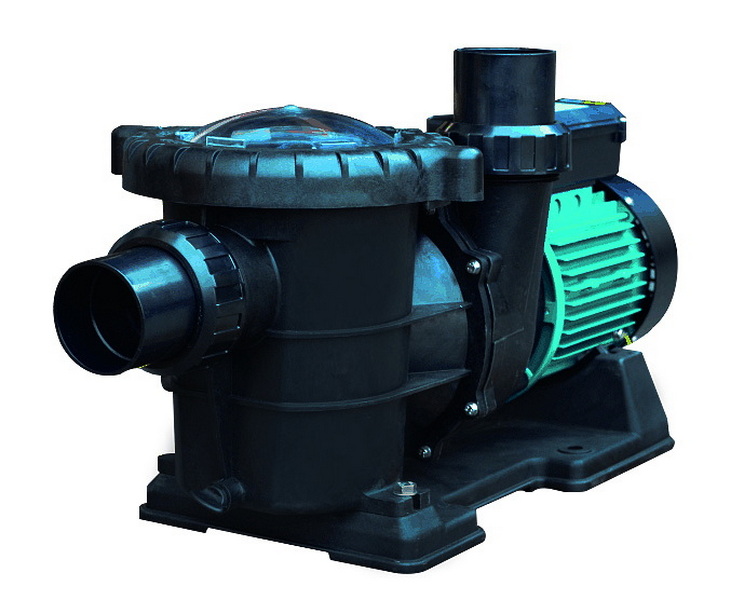
1. Clean or backwash filter media thoroughly.
2. Prime and run the pump with all valves in typical use positions.
3. Record the stabilized pressure reading; this is your “system clean pressure”.
4. Check and record pressure weekly, especially after storms or heavy use.[11][14]
- Sand Filters: Backwash when pressure is 7–10 psi above baseline, or every 2–4 weeks.
- Cartridge Filters: Remove and soak filters in degreasing solution when pressure is 7 psi above baseline, or at least monthly.
- DE Filters: Backwash and recharge with DE powder when 5–10 psi above baseline.
- Always inspect the pressure gauge: Replace if foggy, stuck, or reading zero (when clearly pressurized).
- Symptoms: Gauge reads 10+ psi over normal; weak or no water flow from returns.
- Common Causes:
- Dirty filter (most frequent culprit)
- Closed or blocked return lines
- Accumulation of debris in plumbing or heater
- Improper or broken filter internals or media “channeling” (for sand/DE)
- Pump too powerful for filter
- Remedies:
- Backwash or clean filters
- Open and check all valves for blockages
- Chemically clean plumbing if lime scale or algae build-up is suspected
- Inspect for broken laterals or grids in filter
- Symptoms: Gauge is below usual “clean” pressure; returns weak or bubbling; pump may be noisy.
- Common Causes:
- Skimmer or pump basket clogged
- Water level below skimmer
- Air leaks in pump lid or plumbing
- Ill-fitting or pinched o-rings
- Faulty pump impeller (clogged, worn)
- Remedies:
- Remove and clean all pump and skimmer baskets
- Top up pool water as needed
- Replace or re-seat o-rings and lubricate with silicone
- Inspect and clear impeller
- Use soapy water test for suction-side leaks
Larger or commercial systems often require more complex pressure management:
- Automated monitoring: Use digital, remote pressure sensors on multiple system points for real-time data.[7][3]
- Staged filtration: Multi-stage setups may have unique pressure drop “profiles” at each filter stage—define baseline and cleaning intervals per stage.
- Routine calibration: Calibrate analog or digital gauges at least annually for accuracy, especially in high-output environments.
- Prime factor: Equipment Compatibility: Ensure each pump matches the hydraulic capacity (turnover rate) of each filter. Consult manufacturer specs for correct horsepower and flow ratings in multi-pump systems.
- Record baseline pressure after every major system upgrade or part replacement (pump, filter, major plumbing).
- Use high-quality, accurate gauges and replace at first sign of inconsistency or leaks. Digital gauges offer additional alarms and data logging for commercial applications.[7]
- Upgrade to variable speed pumps if possible – these pumps operate more efficiently and can be tuned to optimal system pressures for different filtration cycles and features.
- Keep filter media fresh: Replace sand every 5 years, cartridges every 2–3 years, and DE grids as recommended by manufacturer.
Correct pressure contributes to safer, clearer water:
- Low flow can result in “dead spots” where algae and bacteria can thrive, making chemical balancing difficult.[5]
- High pressure reduces circulation, allowing debris and contaminants to accumulate.
Always couple pressure management with regular water testing and chemical balancing for best results.
For pool owners or commercial operators seeking to improve their system:
- Install larger or additional filters if the pool is upgraded or sees increased use.
- Add pressure relief valves or vacuum breakers for extra safety in complex or commercial systems.
- Switch to digital or wireless monitoring for instant alerts and historical data.
- Never change filter multiport valve positions with pump running – always turn pump off first to avoid pressure spikes.[2]
- Do not operate pump above filter's stated maximum (usually 30–50 psi for commercial filters; 30 psi for residential)
- Always release built-up air in filter tanks before opening for maintenance
Maintaining correct pool pump pressure—centered around a custom baseline in the 10–20 psi range for most residential systems—is essential for clear water, equipment health, and safe swimming. Each pool is unique, so owners and operators must record their system's clean pressure and adjust cleaning routines accordingly. Pay close attention to both high and low pressure symptoms: rapid response prevents costly repairs. Routine pressure gauge checks, filter maintenance, and awareness of system modifications are the backbone of healthy pools for years to come. For large-scale, OEM, or commercial operations, invest in automated pressure monitoring and professional calibration. Protect your investment—and swimmers—by making pool system pressure a top maintenance priority.[15][1][11][12][13][14][3][7]
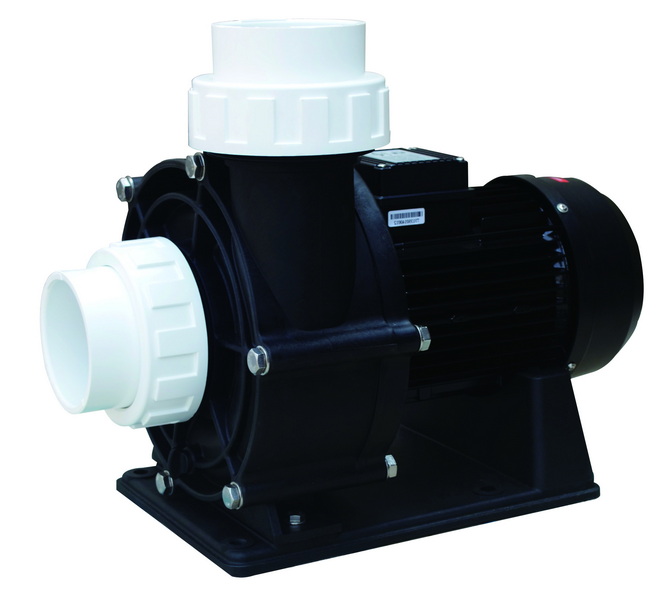
If the pressure spikes soon after cleaning, there may be unresolved blockages in return lines, broken internal filter parts, or improper reassembly of components. Ensure the filter media and all filter compartments are fully cleared, and inspect the entire plumbing line for obstructions.[1][14]
Continuous high pressure strains pumps and filter housings, risking ruptures and expensive failures. In extreme cases, component bursts may cause injury. Always respond quickly to abnormal pressure.[1][3]
Not necessarily—very low pressure often means suction leaks or pump problems, which reduce flow and lead to stagnant, unsanitary water. Balance is key: maintain your unique system's optimal range.[5][3]
Yes. Digital/remote gauges provide instant alerts, remote monitoring, and higher accuracy, making them ideal for commercial pools or busy operators. Manual analog gauges remain sufficient for most homeowners but should be regularly checked for calibration.[7]
Record your clean baseline every time system plumbing, filter media, or the pump is replaced or after any significant equipment modification. This value guides all future pressure-based maintenance decisions.[3][7]
[1](https://www.thepoolbutler.net/resource/how-to-deal-with-pool-filter-pressure-problems/)
[2](https://www.insnrg.com/wp-content/uploads/2024/08/IO-MANUAL-Si-Single-Speed-Pump.pdf)
[3](https://www.swimmingpoolsteve.com/pages/filter-pressure.html)
[4](https://mrpoolman.com.au/blogs/news/diagnosing-and-fixing-pool-filter-pressure-problems)
[5](https://diy.inyopools.com/article/boost-your-pool-pump-pressure-effective-tips-and-tricks/)
[6](https://www.youtube.com/watch?v=3n4zQvMOFJQ)
[7](https://www.medallionenergy.com/pool-filter-pressure-gauge-guidebook/)
[8](https://www.streampumps.com/pump-introductions/how-does-a-sand-filter-pump-work.html)
[9](https://www.astralpool.com.au/pool-and-spa-guides/ultimate-guide-to-maintaining-your-pool-pump)
[10](https://justwaterpumps.com.au/pool-pump-guide/)
[11](https://www.poolking.co/a-news-what-pressure-should-my-pool-filter-read.html)
[12](https://www.poolking.co/a-news-what-pressure-should-a-pool-filter-run-at.html)
[13](https://tameson.com/pages/pool-filter-pressure-gauge)
[14](https://intheswim.com/blog/pool-filter-pressure-problems.html)
[15](https://www.poolking.co/a-news-how-much-pressure-should-my-pool-filter-have.html)


