
Views: 222 Author: Tina Publish Time: 2025-10-16 Origin: Site


Content Menu
● Overview of pool filtration media
>> 1. Silica sand (quartz sand)
>> 2. Silica sand with premium grades
>> 3. Filter glass (Craquelin or bath glass) media
>> 4. ZeoSAND or resin-coated sands
>> 5. Diatomaceous earth (DE) filters (as a separate media context)
>> 6. Other options: high-rate sands and recycled glass blends
● How to choose the right sand for your pool filter
● Installation and maintenance tips
● OEM considerations for foreign brands, wholesalers, and manufacturers
● Practical tips for maximizing filtration performance
● Common questions about pool filter sand
>> 1. How often should pool filter sand be replaced?
>> 2. Can I use indoor sand for outdoor pools?
>> 3. Is it safe to backwash more or less often?
>> 4. Are there environmental benefits to glass media?
>> 5. Do all filters support the same grain size?
Choosing the right sand for a pool filter is essential for maintaining crystal-clear water and extending the life of your filtration system. This article explores the types of pool filter sand, how to select the best option for different filter systems, installation tips, maintenance practices, and OEM considerations for brands and manufacturers.
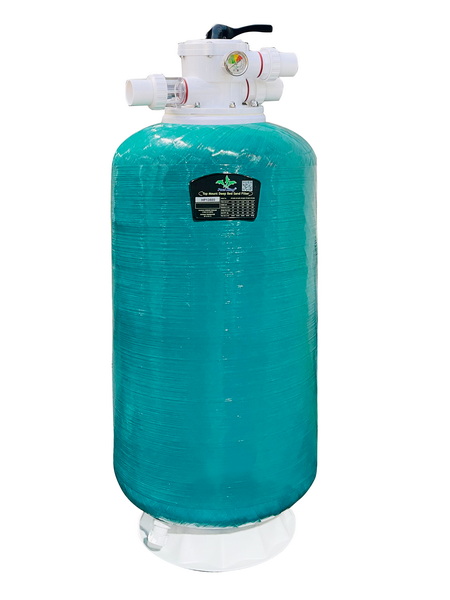
Pool filters rely on a bed of filtration media to trap dirt and debris as water passes through. The most traditional and widely used media for sand filters is silica or silica-based quartz sand. Over the years, other filtration media have gained popularity, including alternative sands, high-rate sands, and glass media. Each media type has unique grain sizes, porosity, and flow characteristics that affect filtration efficiency and backwash frequency.
- Most common filtration media for standard sand filters.
- Typical grain size: 0.45–0.55 mm (50–60 mesh) for many standard residential filters; some filters use 0.45–0.85 mm depending on design.
- Pros: Cost-effective, well-understood performance, good dirt-holding capacity.
- Cons: Can become rounded and lose porosity if overfilled or after long-term use, requiring backwashing and potential replacement.
- Higher-purity silica sands with tighter grading can improve filtration efficiency and reduce channeling.
- Pros: Improved clarity and longer intervals between backwashes.
- Cons: Higher cost than standard grades.
- Made from recycled glass shattered into specified grain sizes.
- Pros: Excellent filtration, longer life, reduces backwash frequency, environmentally friendly.
- Cons: Slightly higher upfront cost; may require adjustments to backwash settings.
- Engineered media designed to improve filtration and reduce channeling.
- Pros: Efficient dirt capture, longer rinse cycles.
- Cons: Availability may vary by region; price premium.
- DE filters use diatomaceous earth powder applied to a grid to create a fine filtration layer. This is not a sand-based media, but it is a common alternative for pool filters with different performance characteristics.
- Pros: Superior filtration, especially for very fine particles.
- Cons: More maintenance, handling of DE powder, and annual replacement of DE.
- High-rate sands are manufactured to achieve higher filtration rates with similar backwash patterns.
- Glass blends offer a balance of performance and environmental benefits.
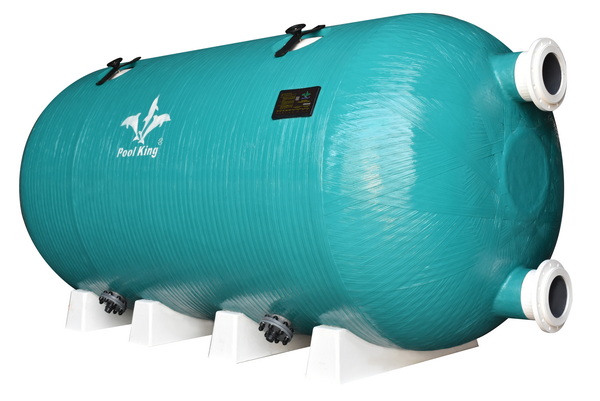
1. Know your filter type: Most residential filters use multiport valves and sand beds tuned to specific grain sizes. Verify the manufacturer's recommendations.
2. Grain size matters: Common sizes range from 0.45 to 0.55 mm. Smaller grains capture finer particles but can reduce flow and require more frequent backwashing; larger grains improve flow but may not filter as finely.
3. Cleanliness and branding: Use high-purity silica sand or media graded for pool filters from reputable brands. Impurities can shorten media life and affect water quality.
4. Backwash frequency: The type of media influences how often you backwash. Glass media may require less frequent backwashing than standard silica sand.
5. Cost vs. performance: Premium media often costs more upfront but can save water and chemicals over time through better filtration efficiency and longer cycles between maintenance.
- Rinse the new sand or media before filling to remove dust. This helps prevent cloudiness when first used.
- Do not overfill the filter with media; follow the manufacturer's recommended media depth.
- Backwash according to pressure gauge readings or manufacturer guidelines; improper backwashing can reduce filtration efficiency.
- Periodically check for channeling and sand compaction. If you notice flow inefficiencies, it may be time to refresh the media.
- For DE and glass media, follow specific cleaning and replacement routines to maintain performance.
As a factory producing premium sand filters, you can leverage OEM opportunities with overseas brands. Consider the following:
- Custom media blends: Offer tailored sand, glass, or composite blends to match different filtration systems and customer preferences.
- Consistent quality control: Implement rigorous QC for grain size distribution, purity, and porosity.
- Documentation and certification: Provide material safety data sheets (MSDS), compatibility certifications, and warranty terms.
- Packaging and branding: Create OEM packaging with your client's branding and instructions to simplify distribution.
- Technical support: Offer installation guides, maintenance schedules, and troubleshooting support to distributors and end-users.
- Maintain proper water chemistry: pH, alkalinity, calcium hardness, and stabilizers influence filter efficiency and media longevity.
- Use compatible chemistries: Certain cleaners and algaecides can affect media; verify compatibility with your media type.
- Consider pre-filtration: Debris screens or skimmers can reduce heavy loads on the filter and extend media life.
- Regular testing: Use turbidity and clarity measurements to gauge filtration effectiveness and detect early issues.
Selecting the right sand or media for pool filtration is a balance of filtration efficiency, flow rate, maintenance needs, and total cost of ownership. By understanding the characteristics of silica sand, premium silica grades, glass media, and DE filters, manufacturers and pool owners can optimize water clarity and system longevity. OEM partners can differentiate themselves through customized media blends, rigorous quality control, and strong technical support to ensure reliability across international markets.
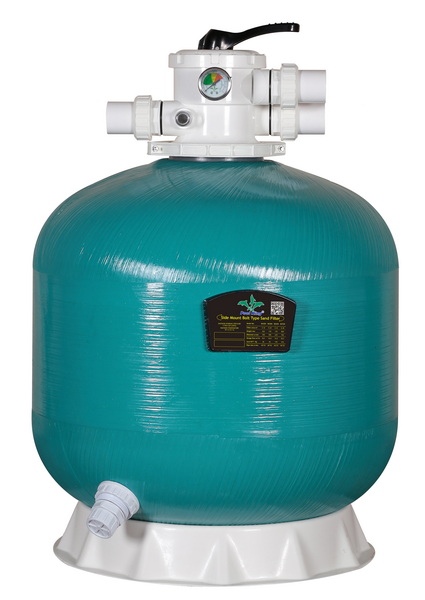
Replacement frequency depends on usage, water chemistry, and media type; typical sand filters may require media replacement every 5–7 years, but glass or premium media can extend this interval.
Use media designed for pool filtration that meets industry standards; outdoor pools require media that withstand weathering and environmental exposure.
Backwashing should align with pressure readings and manufacturer guidelines; excessive backwashing wastes water and can shorten media life, while infrequent backwashing reduces filtration efficiency.
Glass media can reduce backwash frequency and conserve water; it is often made from recycled materials.
Not always; follow the filter's manufacturer recommendations and perform a media depth check during maintenance.


