
Views: 222 Author: Tina Publish Time: 2026-01-22 Origin: Site


Content Menu
● Why Backwashing Is Important
● How Backwashing Works With a Pool Pump
● Step‑by‑Step: Backwashing a Sand Filter
● Do You Backwash Cartridge Filters?
● Safety Tips and Best Practices
● The Role of the Pool Pump in Filtration and Circulation
● How Backwashing Affects Water Chemistry
● Troubleshooting After Backwashing
● FAQ
>> 1) What is backwashing a pool filter?
>> 2) How often should I backwash my pool filter?
>> 3) Should I turn off the pool pump before backwashing?
>> 4) Do I need to rinse after backwashing?
>> 5) Can I backwash a cartridge filter?
Backwashing a pool filter is the process of reversing the flow of water through the filter to flush out trapped dirt and debris so the system can work efficiently again. It is mainly used for sand and DE pool filters and relies on the pool pump to push dirty water out of the filtration system through a waste or backwash line.
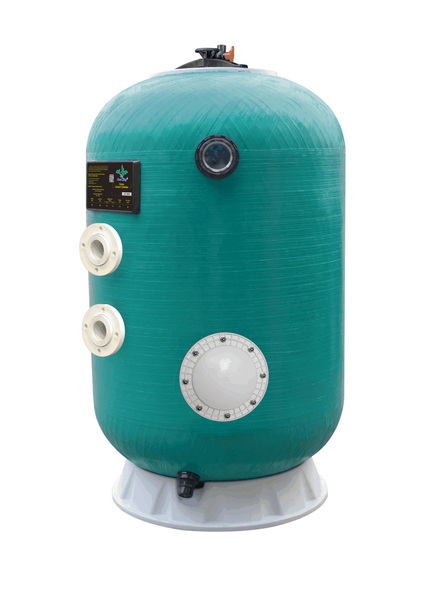
Backwashing is a cleaning method in which water is forced to travel backward through your pool filter instead of moving in the usual filtration direction. During this process, the pool pump runs in a special backwash mode so that built‑up contaminants are lifted away from the filter media and discharged out of the system.
In normal operation, sand and DE filters clean the water by pushing it through a porous medium such as sand or diatomaceous earth, where particles are trapped. Over time, the media collects dirt, oils, algae, and other fine debris, which increases pressure, reduces water flow, and makes the pool pump work harder until a backwash cycle clears the buildup.
Unlike simple surface cleaning such as skimming or vacuuming, backwashing targets the interior of the filter tank. When it is done correctly and at the right time, the pool pump and filter work together to restore circulation, stabilize water chemistry, and improve clarity.
Backwashing is essential because it keeps the filter media from becoming overloaded and clogged. When the media is dirty, the pool pump has to push water against more resistance, which wastes energy and can shorten the life of the pump motor and filter components.
A clogged filter also leads to poor water quality. When flow is restricted, sanitizer and chemicals are not distributed evenly, and dead spots can appear where algae quickly take hold. Regular backwashing improves water clarity, helps prevent algae blooms, and makes it easier to maintain the right chemical balance.
In addition, routine backwashing helps extend the lifespan of your filter media. By regularly using the pool pump to reverse‑flush dirt before it becomes deeply embedded, you reduce compaction and channeling in sand beds and prevent heavy deposits from building up on DE grids. This means fewer media changes and more consistent filtration over the long term.
Most pool professionals recommend backwashing whenever the pressure gauge on the filter reads around 8–10 psi higher than the clean starting pressure. That rise in pressure is your best indicator that the pool pump is pushing against a clogged filter and that water is not moving as freely as it should.
Under typical conditions, many pools require backwashing roughly every 4–6 weeks. However, this can vary widely depending on bather load, weather, nearby trees, dust, and pollen. After storms, construction activity, or a heavy swim weekend, your filter can load up very quickly and require more frequent backwash cycles.
Other signs that you should backwash include weak return jet flow, reduced skimmer suction, or water that remains cloudy after you have adjusted chemicals correctly. In these situations, running the pool pump through a full backwash and rinse cycle often restores strong circulation and noticeably clearer water.
During normal filtration, the pool pump draws water from the skimmer and main drain, pushes it into the filter tank, and then sends clean water back to the pool through the return lines. In backwash mode, the multiport or slide valve changes the internal pathway so that water flows through the filter in the opposite direction.
When the pool pump is turned on in this mode, the reversed flow lifts dirt and debris off the sand bed or DE grids and carries it out through the waste or backwash outlet. Many filters include a clear sight glass where you can see the waste water start out cloudy and gradually become clear, which tells you when the backwash cycle has done its job.
Because the selector valve re‑routes powerful water flow, it is critical to always turn off the pool pump before moving the handle between Filter, Backwash, Rinse, Waste, or other positions. Rotating the valve while the pump is running can tear gaskets, damage internal parts, and cause leaks around the filter or valve body.
Backwashing a sand filter is a simple but precise process. The goal is to reverse the flow through the sand bed long enough to remove trapped debris, then run a rinse cycle to resettle the sand and prevent dirty water from returning to the pool.
Typical steps for a sand filter are:
1. Turn off the pool pump
Make sure the pump is fully off at the switch or breaker. Never move the multiport valve handle while the pool pump is running.
2. Check water level and backwash hose
Confirm the pool water level is high enough to handle the water loss during backwashing and that your backwash hose is rolled out to a safe discharge area where water can drain away without causing damage.
3. Set the valve to “Backwash”
Press down and turn the multiport valve handle to the Backwash position until it clicks firmly into place. Verify that the waste line is connected or directed where you want the water to go.
4. Turn on the pool pump
Switch the pump back on and let it run for about 3–5 minutes, or until the water in the sight glass or at the discharge point turns from dirty to clear. During this time, the pool pump is pushing water backward through the sand and carrying debris out of the tank.
5. Turn off the pool pump again
Once the water runs clear, shut the pump off before changing the valve position.
6. Set the valve to “Rinse”
Move the handle from Backwash to Rinse. This setting directs water through the filter in the normal direction but sends the water to waste so it can flush out remaining particles and resettle the sand bed.
7. Turn on the pool pump and rinse
Turn the pump on and run it in Rinse mode for about 30–60 seconds, or up to 1–2 minutes if the water was extremely dirty. The pool pump flow in this step helps stabilize the sand surface and prevents dirty water from returning to the pool.
8. Turn off the pump and return to “Filter”
Turn the pump off again, set the multiport valve back to Filter, and then restart the pool pump for normal operation. Check that water is circulating strongly through the returns and verify that the pressure gauge has dropped back close to the clean starting reading.
After this process, you may need to top up the pool water level with a hose, because backwashing and rinsing discharge a noticeable amount of water from the system.
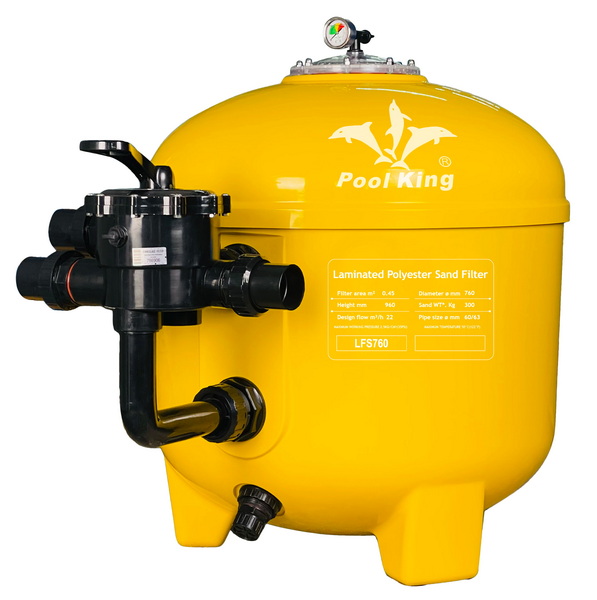
A DE (diatomaceous earth) filter uses fabric‑covered grids inside the tank that are coated with a layer of DE powder. This fine powder captures extremely small particles, so DE filters provide very clear water but also require more careful backwashing and regular recharging with new DE.
A typical DE backwash sequence looks like this:
1. Turn off the pool pump and equipment.
2. Move the multiport or push‑pull valve to the Backwash position.
3. Turn the pump back on and run in Backwash mode for about 2–3 minutes, or until the waste water appears clear.
4. Turn the pool pump off and, if your system supports it, set the valve briefly to Rinse and run for about 30 seconds to flush from the filter side to waste.
5. Turn the pump off again and return the valve to Filter.
At this point, most of the old DE powder and trapped debris will have been discharged. To restore normal operation, you must recharge the filter:
1. Start the pool pump in Filter mode so water is circulating through the empty grids.
2. In a clean bucket, mix the recommended amount of DE powder with water to create a thin slurry.
3. Slowly pour the slurry into the skimmer while the pool pump is running, allowing the mixture to be gently drawn into the filter.
4. Watch the pressure gauge over the next few minutes to ensure the reading stabilizes at a reasonable level.
Depending on the condition of the filter and how dirty the pool was, some professionals recommend a double backwash sequence for DE filters: backwash, briefly return to Filter, then backwash again before recharging. This helps dislodge more trapped debris from the grids and reduces the chance of caked layers forming over time.
Cartridge filters work differently from sand and DE systems and usually are not backwashed in the same way. Instead of a large tank filled with sand or DE, cartridge filters use removable pleated elements that trap debris as water passes through them.
Most cartridge filter manufacturers recommend manual cleaning rather than backwashing. To service a cartridge filter, you typically:
- Turn off the pool pump and relieve pressure using the air relief valve.
- Open the filter tank and remove the cartridges.
- Rinse the cartridges thoroughly with a garden hose, spraying between the pleats to remove dirt.
- Allow the cartridges to dry if needed, then reassemble the filter and restart the pool pump.
Some systems offer a limited reverse‑flow feature to help rinse cartridges without full removal, but this is not a true backwash cycle and should be performed only according to the manufacturer's instructions. In all cases, the pool pump should operate in its normal direction during everyday filtration, and cartridges should be replaced when they show signs of damage or no longer clean up well.
Backwashing is simple, but it involves strong water flow and moving mechanical parts, so safe practices are important.
- Always turn off the pool pump and any related equipment before repositioning the valve or opening the filter.
- Make sure the filter tank's air relief valve is working properly and use it to bleed air after restarting the system so trapped air does not cause pressure surges.
- Never force the multiport handle; if it is stuck, investigate the cause instead of applying excessive pressure.
- Do not stand directly over clamp bands or lids when starting the pool pump after filter service, especially on older filters, because improper assembly can cause sudden separation.
- Confirm that all unions, clamps, and lids are securely fastened before running the pool pump at full speed.
Backwash water can contain chemicals, dirt, algae, and fine debris, so it should be discharged responsibly. Many areas require directing this water to a sanitary sewer or specific drainage point rather than onto lawns, streets, or neighboring yards. Always check local regulations and route the waste line accordingly.
The pool pump is the heart of the entire circulation system. Its job is to move water from the pool, through the filter, heater, and other equipment, and then back to the pool through the return jets.
Key functions of the pool pump include:
- Filtration: The pool pump draws water from skimmers and main drains, pushing it through the filter where impurities are captured and removed.
- Chemical distribution: By constantly circulating water, the pump helps distribute chlorine and other sanitizers evenly throughout the pool, preventing pockets of low sanitation.
- Water circulation: Continuous movement reduces stagnant zones, making it harder for algae and bacteria to grow and helping maintain stable water temperature.
- Skimming support: The pump pulls water across the surface toward the skimmer baskets, where leaves and larger debris are trapped before they can sink and break down.
During a backwash, the pool pump still performs the same basic function—moving water—but instead of sending it back to the pool, the pump directs it through the reversed path of the filter and out to waste. This is why proper pump sizing, maintenance, and priming are crucial: if the pool pump cannot maintain strong flow, the backwash process will not clean the filter media thoroughly.
For energy efficiency, many owners now use variable‑speed pool pumps that can run at low speeds for daily filtration and at higher speeds when extra flow is needed for vacuuming or backwashing. Correct programming of these speeds helps reduce energy costs while still keeping the filter clean and effective.
Backwashing does not just remove dirt; it also removes pool water and some of the chemicals dissolved in it. Each time the pool pump sends water to waste during backwash and rinse cycles, your pool loses a portion of its volume along with chlorine, stabilizer, and other balancing agents.
Because of this, it is wise to test and adjust water chemistry after major backwash events or after repeated cycles done close together. Pay attention to:
- Chlorine level: Heavy backwashing may dilute sanitizer and require a small top‑up dose.
- pH and alkalinity: If make‑up water has different chemistry from the pool, repeated additions can affect balance.
- Calcium hardness and stabilizer: Significant water replacement over a season can gradually reduce or, depending on source water, sometimes increase these levels.
On the positive side, water replacement from backwashing can help prevent the buildup of dissolved solids and byproducts that accumulate in pools over long periods. A balanced approach—backwashing only when needed and monitoring chemistry afterward—keeps both filtration and water quality under control.
Sometimes issues appear right after a backwash cycle. Common problems and quick checks include:
- Cloudy water returning to the pool: Make sure you completed a proper rinse cycle after backwashing, and verify that the valve is fully set to Filter, not partially between positions. For DE filters, confirm that the grids were correctly re‑coated with fresh DE.
- Low return pressure or weak jets: Check the water level, look for air leaks on the suction side of the pool pump, and bleed any trapped air from the filter using the air relief valve. Ensure that the pump basket and skimmer baskets are not clogged.
- Rising pressure again shortly after backwashing: This may indicate algae in the pool, fine debris plugging the media, or damaged internal parts. Check water chemistry, brush and vacuum the pool, and inspect the filter laterally, grids, or cartridges for wear or breakage.
- Leaks around the valve or filter: Look for worn O‑rings, loose unions, or cracked housings. Always keep seals lubricated with appropriate pool‑safe lubricant and replace worn parts as needed.
Addressing these issues promptly allows the pool pump and filter to operate together as an efficient system and prevents minor backwash‑related problems from turning into larger repairs.
Backwashing a pool filter is one of the most important routine tasks for maintaining clear, healthy, and inviting pool water. By reversing the flow through the filter and using the pool pump to flush out trapped dirt and debris, backwashing restores proper circulation, reduces strain on equipment, and improves the overall effectiveness of your filtration system.
Knowing when to backwash—typically when filter pressure rises about 8–10 psi above the clean baseline—and following the correct sequence for sand and DE filters help you avoid water waste and unnecessary wear. A thoughtful approach that combines proper valve handling, responsible disposal of waste water, and post‑backwash chemistry checks will keep both the pool pump and the filter working reliably.
Whether you are running a sand, DE, or cartridge system, understanding how backwashing fits into the broader circulation process makes it easier to diagnose issues, plan maintenance, and protect your investment in high‑quality filtration equipment.
Contact us to get more information!
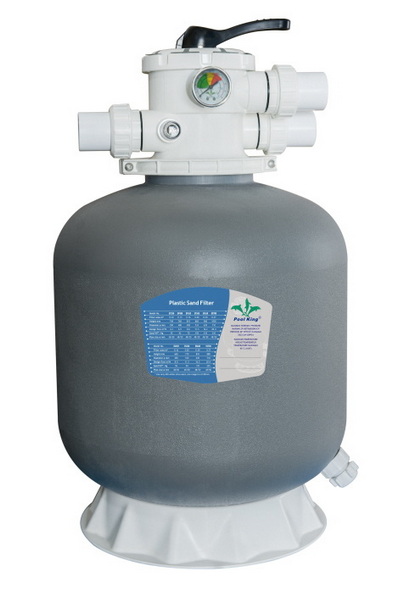
Backwashing a pool filter is the process of reversing the direction of water flow through the filter so that trapped dirt, oils, and debris are lifted out of the media and discharged to waste. This restores normal flow and reduces pressure, allowing the pool pump and filter to operate efficiently again.
Most pool owners backwash when the filter pressure gauge reads about 8–10 psi higher than the clean starting pressure. Under typical conditions this often means every 4–6 weeks, but heavy use, storms, or nearby landscaping can make more frequent backwashing necessary.
Yes. The pool pump should always be completely turned off before moving the multiport or backwash valve. Changing valve positions while water is flowing can damage gaskets, crack internal parts, and cause leaks around the valve or filter tank.
For sand and DE filters, you should run a short rinse cycle immediately after backwashing. The rinse step helps resettle the media, flush remaining cloudy water to waste, and prevent dirty water from shooting straight back into the pool when you return to the Filter setting.
Most cartridge filters are not designed for traditional backwashing. Instead, they are cleaned by shutting off the pool pump, opening the tank, removing the cartridges, and rinsing the pleats with a hose. Some systems offer limited reverse‑flow features, but you should follow the manufacturer's instructions and rely primarily on manual cleaning for cartridges.
1. https://www.eco-outdoor.com/en-us/outdoor-design/when-to-backwash-your-pool
2. https://www.poolassist.com.au/blogs/expert-pool-advice/how-to-backwash-a-pool
3. https://www.hornsbypoolcare.com.au/how-to-backwash-a-pool-sand-filter
4. https://poolpartstogo.com/blogs/articles/how-to-backwash-your-pool-filter-the-easy-way
5. https://pinchapenny.com/pool-life/backwash-pool-sand-filter
6. https://www.swimuniversity.com/backwash-pool-filter/
7. https://bigbecks.com/how-to-backwash-a-sand-filter-a-step-by-step-guide/
8. https://blog.royalswimmingpools.com/how-to-backwash-pool-filter-guide
9. https://intheswim.com/blog/backwashing-best-practices.html
10. https://www.swimmingpool.com/maintenance/pump&filter/how-to-backwash-de-pool-filter/
11. https://bigbecks.com/how-to-backwash-a-sand-filter-a-step-by-step-guide/
12. https://dingmanpools.com/2023/07/24/understanding-the-functions-of-a-pool-filter-and-pump/
13. https://hurricane-pool-filters.com/blogs/insights/the-importance-of-water-circulation-in-maintaining-a-healthy-pool


