
Views: 222 Author: Tina Publish Time: 2026-01-13 Origin: Site


Content Menu
● How pump size affects cord gauge
● Recommended gauges by distance
>> Typical guidelines for pool pumps
● Why 12 AWG and 10 AWG are usually recommended
● Voltage drop and cord length
● Code, warranty, and safety warnings
● Practical selection checklist
● OEM pool pumps, filters, and accessories (for your branding)
>> 1. Can any extension cord be used for a pool pump?
>> 2. Is 14‑gauge extension cord OK for a small pool pump?
>> 3. How long can an extension cord be for a pool pump?
>> 4. Do I still need a GFCI if I use a heavy‑duty cord?
>> 5. Will using an extension cord void my pool pump warranty?
>> 6. What if my pump is 230 V instead of 115 V?
Choosing the right gauge extension cord for a pool pump is a safety issue, not just a convenience question. For most residential pool pumps, a short, heavy‑duty outdoor extension cord of 12 AWG copper is the minimum, and 10 AWG is recommended for longer runs, higher‑horsepower pumps, or combined loads.[1][2][3]
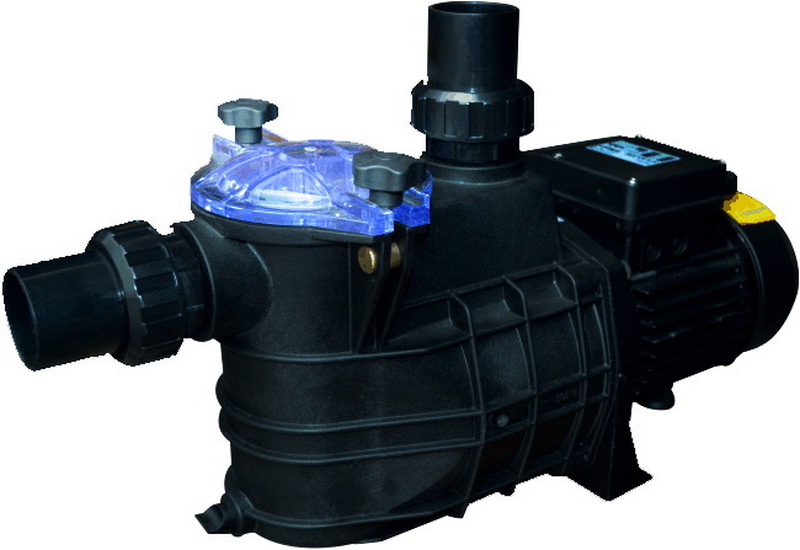
A pool pump is a continuous‑duty motor running near water, so the extension cord must be thick, weather‑rated, and plugged into a GFCI‑protected outlet. Many electricians and pool professionals also stress that an extension cord should be a temporary solution only, with a permanent, code‑compliant outlet installed as soon as possible.[4][5][1]
- Use only outdoor‑rated, grounded (3‑prong) extension cords.[1]
- The outlet should be GFCI‑protected and on a dedicated circuit for the pump.[5][1]
- Keep all cord connections elevated and protected from splash and standing water.[6][4]
The correct extension cord gauge depends on how many amps the pump draws and how far the power has to travel. A 0.75–1.5 HP pump at 115 V often draws roughly 10–16 amps, while the same pump on 230 V may only draw 7–8 amps, which strongly influences the wire size required.[7][8]
- Typical amp draw examples:
- 0.75 HP at 115 V: around 6–9 amps.[7]
- 1.0 HP at 115 V: around 10–12 amps.[7]
- 1.5 HP at 115 V: around 12–16 amps; at 230 V: about 7–8 amps.[8][7]
- Higher horsepower and lower voltage both increase the current, which demands a thicker cord to avoid overheating or excessive voltage drop.[3][7]
Wire size (AWG) works “backwards”: the smaller the number, the thicker the wire and the more current it can safely carry. A 12 AWG copper cord is typically used for 20‑amp circuits, while a 10 AWG cord is often used for 30‑amp loads under the NEC ampacity guidance.[2][9][3]
These practical recommendations apply to many above‑ground and small inground pool pumps when local electrical codes allow extension cords:
| Pump size & distance (approx.) | Recommended gauge | Why it works |
|---|---|---|
| Up to 1 HP, ≤ 25–30 ft | 12 AWG outdoor cord | Handles 10–12 A with low voltage drop. abovegroundpoolbuilder+1 |
| Up to 1 HP, 30–50 ft | 12 AWG minimum, 10 AWG preferred | Extra length increases resistance; thicker cord keeps voltage up. abovegroundpoolbuilder+1 |
| 1–1.5 HP, ≤ 25–30 ft | 12 AWG heavy‑duty; consider 10 AWG for 115 V | Pump may draw 12–16 A, so a robust cord is needed. poolkingfilter+1 |
| 1–1.5 HP, 50–100 ft | 10 AWG heavy‑duty cord | Longer run plus higher amps demand thicker wire. abovegroundpoolbuilder+1 |
| Over 1.5 HP or > 100 ft | Avoid extension cord; install dedicated circuit | Load and distance are too high for typical cords. toughleads+1 |
Pool pump motors are inductive loads that can draw higher current on startup, and they run for hours at a time, which stresses thin cords. A 12 AWG copper cord can typically handle 20–25 amps in many NEC‑based ampacity tables, while a 10 AWG cord is good for around 30–35 amps depending on insulation and installation.[9][2][3]
- A 12 AWG cord is a common “minimum” for most residential pumps, combining flexibility with enough ampacity for a 15–20 A circuit.[2][1]
- A 10 AWG cord is strongly recommended when:[3][1]
- The pump is 1.5 HP or larger at 115 V.
- The run is long (often 50–100 ft).
- Other pool devices (lights, cleaners) share the same cord or circuit.
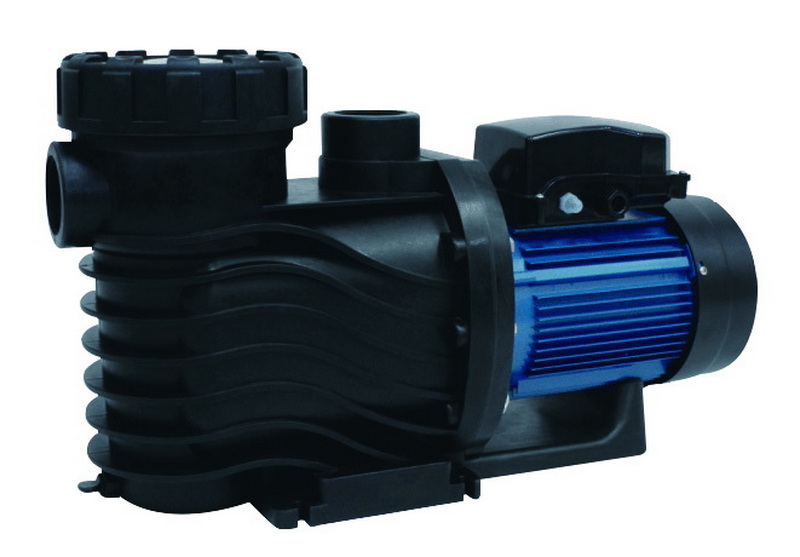
Every extra metre/foot of cord adds resistance, which causes voltage drop and wasted power. The longer the extension cord, the more voltage is lost, so a thicker gauge is needed for the same safety margin.[4][1][3]
- Long cords can cause the pump motor to run at reduced voltage, increasing heat, noise, and risk of premature failure.[8][1]
- Many practitioners suggest keeping pool pump extension cords under about 100 ft and choosing 10 AWG for runs near that limit.[4][1]
Even when the gauge is correct, some manufacturers and local codes discourage or forbid extension cords for permanent pool installations. Using a cord that the manual prohibits may void the pump warranty and fail inspection.[10][9][1]
- Check the pump manual and local electrical code (often based on NEC) before using an extension cord.[10][1]
- If any doubt exists, hire a licensed electrician to install a weatherproof, GFCI‑protected receptacle close to the pump instead.[5][4]
For everyday readers, a simple checklist helps them choose a safer cord and avoid obvious mistakes. This also gives you a chance to position your own OEM pool pumps and filter systems as “easy to install” with clear electrical documentation.[8][7]
- Step 1 – Find the pump's amps and voltage on the nameplate (e.g., 115 V, 12.5 A, 1 HP).[11][7]
- Step 2 – Measure the real distance from the GFCI outlet to the pump in a straight, safe route.[1][4]
- Step 3 – Choose at least 12 AWG for short runs and 10 AWG for longer or heavier loads.[3][1]
- Step 4 – Make sure the cord is outdoor‑rated, grounded, and has molded plugs in good condition.[6][1]
- Step 5 – Keep the cord visible, above standing water, and away from sharp edges and hot surfaces.[6][4]
If you are an OEM or brand owner sourcing pool equipment from a professional manufacturer, specifying electrical requirements clearly in your documentation adds real value to dealers and end users. High‑quality pumps, sand filters, cartridge filters, and LED lights with clear ratings make it easier for customers to choose the correct cord and installation approach.[12][7][8]
- Provide clear labels showing HP, voltage range, full‑load amps, and recommended circuit size for each pump model.[11][7]
- Offer installation manuals and web content that explain basic wiring, GFCI requirements, and guidance on extension cord use or prohibition.[5][10][1]
For most pool owners, the safest practical answer to “what gauge extension cord for pool pump” is a short, outdoor‑rated 12 AWG cord as a minimum, and a 10 AWG heavy‑duty cord for longer runs or higher‑horsepower pumps—always plugged into a properly sized, GFCI‑protected circuit. However, because local codes and warranties may restrict extension cord use around pools, the best long‑term solution is to work with a qualified electrician and install a dedicated, weatherproof outlet near the pump, especially when using powerful OEM‑grade filtration systems and pumps.[2][3][5][4][1][10]
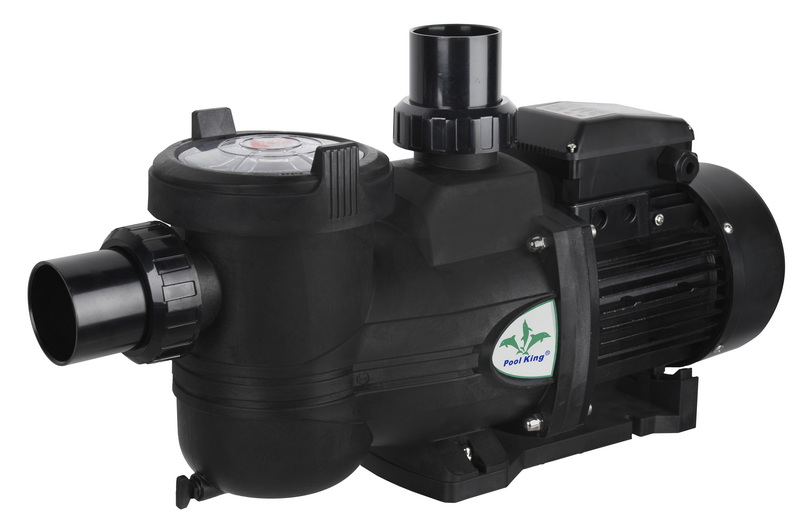
No. Thin, indoor, or ungrounded cords are unsafe and can overheat or cause shock in wet environments. Only heavy‑duty, outdoor‑rated cords with a ground pin and the correct gauge should be used, and even then only when local codes allow it.[4][1][6]
Some very small 0.25 HP pumps draw low current and people sometimes use 14 AWG cords, but many experts advise against anything thinner than 12 AWG for pool pumps, especially for longer runs. A 12 AWG cord provides more margin and runs cooler under continuous load.[13][14][2]
In many practical guides, the suggested maximum is around 100 ft, and only with a thick cord such as 10 AWG, but shorter is always better. Longer cords cause more voltage drop and heat, so the safest long‑term solution is to install an outlet closer to the pump.[1][3][4]
Yes. A thick cord protects against overheating and voltage drop, but a GFCI protects people from electric shock by tripping quickly if a ground fault occurs. Around pools, GFCI protection for outlets and equipment is a core safety requirement in modern electrical codes.[10][5]
Many pump manuals explicitly say “do not use an extension cord,” so using one against instructions may void the warranty. Always read the manufacturer's documentation and, if in doubt, contact the supplier before relying on an extension cord for daily operation.[10][1]
A 230 V pump usually draws fewer amps than the same horsepower at 115 V, which can reduce stress on wiring, but it still requires correctly sized cable and proper overcurrent protection. For 230 V circuits, permanent wiring by a licensed electrician is usually the safest approach, not an extension cord.[9][7][8]
[1](https://abovegroundpoolbuilder.com/can-you-use-an-extension-cord-for-a-pool-pump/)
[2](https://www.lapptannehill.com/resources/technical-information/ampacity-chart)
[3](https://elecalculator.com/calculator/wire/ampacity-calculator/)
[4](https://toughleads.co.uk/pages/hot-tub-extension-leads-and-electrical-safety%3Fsrsltid=AfmBOooBa88pww_9OWwvZPTkxKT4-0I1o7xgmFS1TgLjadqhCETa4oSO)
[5](https://www.youtube.com/watch%3Fv=9AkB6lsQEjc)
[6](https://twistandseal.com/products/twist-and-seal-pool-safety-pack-poolside-extension-cord-connection-protection)
[7](https://www.poolkingfilter.com/how-many-amps-does-a-1-5-hp-pool-pump-draw.html)
[8](https://solartechonline.com/blog/pool-pump-electricity-usage-cost-guide/)
[9](https://www.helukabel.us/HELUKABEL/Publications/Technical-Documents/Allowable-Ampacity-Tables.pdf)
[10](https://www.electricallicenserenewal.com/Electrical-Continuing-Education-Courses/NEC-Content.php?sectionID=714)
[11](https://www.inyopools.com/info_swimming_pool_pump_motors.aspx)
[12](https://poolpartstogo.com/blogs/articles/1-hp-vs-1-5-hp)
[13](https://www.facebook.com/groups/637529959937311/posts/2578914145798873/)
[14](https://forum.allaboutcircuits.com/threads/pool-pump-and-extension-cord-safety.169461/)
[15](https://www.reddit.com/r/AskElectricians/comments/1jicuia/extension_cord_for_pool_pump_please_tell_me_i_can/)


